
How to Get Wonder Under Off Fabric: A Comprehensive Guide

Wonder Under is a fusible webbing that bonds permanently to fabric when activated with heat above 275°F (135°C). Removing it requires re-softening the adhesive with heat or dissolving it with a solvent, followed by peeling, scraping, or washing away residue. The method you choose depends on the fabric type and how firmly the interfacing is bonded.
Why You Need to Remove Wonder Under From Fabric
Wonder Under’s adhesive activates at temperatures between 275–300°F (135–150°C) and creates a permanent bond once fully cooled. If the interfacing is not fully bonded, you may be able to peel it off. However, improper removal leaves a sticky adhesive residue that attracts dust and oils, making the fabric unusable for future projects. Removing Wonder Under correctly preserves the fabric’s fibers and surface finish.
Common reasons for removal include: repositioning a project, reusing fabric for a different purpose, correcting a misaligned ironing application, or recovering fabric from a failed craft project.
How to Get Wonder Under Off Fabric: 5 Methods
The most effective removal method depends on how firmly the Wonder Under is bonded and what fabric you are working with. Below are five methods listed in order of effectiveness for most projects.
Method 1: Heat and Peel
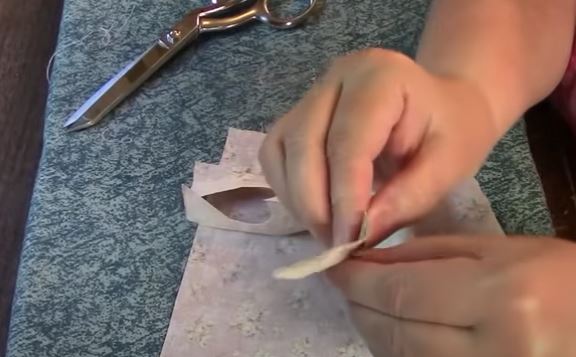
Heat re-activates Wonder Under’s adhesive, making it possible to peel the interfacing away from the fabric. This is the most commonly recommended method and works best on fabrics that can tolerate medium-high heat.
Steps for Heat and Peel
- Set your iron to 300°F (150°C) — the maximum activation temperature for Wonder Under. Do not use steam.
- Place a pressing cloth or parchment paper over the bonded area.
- Press the iron firmly for 15–30 seconds. Do not slide — hold it in place.
- Lift a corner of the interfacing with a seam ripper or tweezers while the adhesive is still warm.
- Peel slowly and steadily, keeping the ironed area hot. Reheat adjacent sections as needed.
- Wash the fabric in warm soapy water to remove any remaining adhesive residue.
Method 2: Solvent Removal
Acetone and white vinegar dissolve Wonder Under’s adhesive on natural fibers. Acetone is more effective but can damage synthetic fabrics — always test on a hidden corner first.
Steps for Acetone Removal
- Test acetone on a small, hidden area of the fabric before applying to the bonded section.
- Apply acetone to a cotton ball or clean white cloth.
- Dab the adhesive with the acetone-soaked cloth and let it sit for 2–3 minutes.
- Rub gently to lift the adhesive. Repeat as needed.
- Rinse the fabric thoroughly with cool water to remove any solvent residue.
Steps for Vinegar Removal
- Soak a cotton ball in plain white vinegar (5% acetic acid).
- Apply to the Wonder Under and let it sit for 5–10 minutes. Vinegar is gentler than acetone and safer on synthetics.
- Carefully peel away the interfacing. If resistance remains, reapply vinegar and wait another 5 minutes.
- Wash the fabric in warm soapy water to neutralize the acid.
Method 3: Scraping
Scraping works well when the interfacing is firmly bonded but heat or solvent methods are not suitable for the fabric. Use a blunt tool to avoid damaging fibers.
Steps for Scraping
- Hold the fabric taut over a flat surface with the bonded side facing up.
- Insert a butter knife, old credit card, or the back of a spoon at the edge of the interfacing.
- Apply steady, firm pressure and scrape toward you, working along the edge.
- Work in small sections. If the adhesive resists, apply heat or solvent to that area and continue scraping.
- Wash the fabric in warm soapy water to remove any sticky residue left behind.
Method 4: Washing and Soaking
For fabric that can be submerged, soaking in warm soapy water softens the adhesive over time. This method is slow but safe for delicate fabrics that cannot withstand heat or solvents.
Steps for Soaking
- Fill a basin with warm water (not hot — hot water can set some adhesives permanently).
- Add 1–2 tablespoons of dishwashing liquid and agitate to create suds.
- Submerge the fabric and let it soak for 30–60 minutes.
- Gently rub the bonded area with your fingers to work the interfacing loose.
- Rinse thoroughly and allow to air-dry.
Method 5: Cutting (Last Resort)
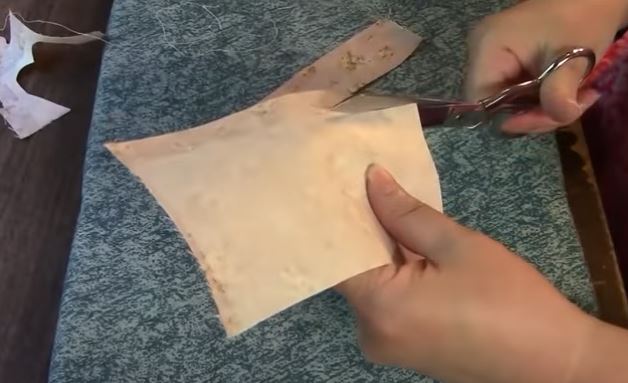
Cutting removes the interfacing physically but leaves the fabric with raw edges. Only use this method when the fabric will be hemmed, serged, or otherwise finished, or when other methods have failed.
Steps for Cutting
- Place the fabric on a self-healing cutting mat.
- Using sharp fabric scissors, cut carefully along the edge of the interfacing.
- Leave a 1/8-inch (3mm) margin to avoid cutting into the main fabric.
- Finish raw edges immediately with a zigzag stitch, serger, or fabric glue to prevent fraying.
Important Safety Note: Burning Is Not Recommended
The original article listed burning as a removal method. This is dangerous and risks setting the adhesive permanently into the fabric, damaging the material, and creating a fire hazard. Open flame is not a safe method for removing Wonder Under from fabric.
Can Fusible Interfacing Be Removed Completely?
Yes, fusible interfacing including Wonder Under can be removed completely in most cases. The bond forms at temperatures between 275–300°F (135–150°C) and cures to its strongest state after cooling. Reheating to within this temperature range or using a solvent dissolves the adhesive, allowing the interfacing to peel away. However, complete removal becomes more difficult the longer the interfacing has been bonded — adhesive residue is more likely on projects older than several weeks.
Factors affecting removal success:
- Age of bond: Older bonds have had more time to cure and are harder to dissolve.
- Fabric type: Natural fibers (cotton, linen) respond better to solvents than synthetic fibers (polyester, nylon).
- Iron temperature used originally: Higher original iron temperatures create a stronger initial bond.
Wonder Under vs. Wonder Web vs. HeatnBond: What’s the Difference?
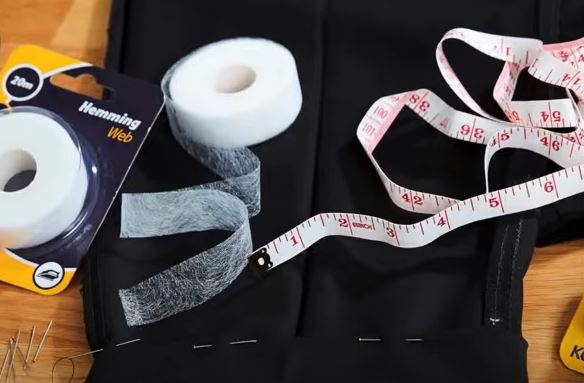
Wonder Under, Wonder Web, and HeatnBond are all fusible adhesives, but they differ in form and activation:
| Product | Form | Activation Temp | Removal Difficulty |
|---|---|---|---|
| Wonder Under | Paper-backed web | 275–300°F (135–150°C) | Moderate |
| Wonder Web | Sheer web, no backing | 260–300°F (127–150°C) | Moderate |
| HeatnBond | Strip or roll | 250–275°F (121–135°C) | Easier (lower temp) |
Wonder Web is a sheer fusible web with no paper backing — it activates at 260–300°F (127–150°C) and bonds permanently with pressure. Wonder Web can be removed using the same heat and solvent methods as Wonder Under.
HeatnBond activates at a slightly lower temperature (250–275°F / 121–135°C) and can often be peeled away after reheating, making it somewhat easier to remove than Wonder Under.
How to Remove Stabilizer Glue From Fabric
Stabilizer glue, often used in embroidery and heavy crafting, differs from Wonder Under but presents similar removal challenges. Acetone-based nail polish remover (containing at least 70% acetone) applied to a cotton ball and dabbed onto the glue dissolves it effectively on natural fibers. Let it sit for 2–3 minutes, then rub gently to lift the residue.
For synthetic fabrics, substitute acetone with isopropyl rubbing alcohol (at least 70% concentration), which is less likely to damage the fabric. Rinse thoroughly after removal. Our cleaning chemistry guide covers the chemical properties of common adhesive solvents in more detail.
Frequently Asked Questions
Can Wonder-Under be washed?
Wonder-Under is a fusible webbing that bonds fabric to fabric when activated by heat above 275°F (135°C). It is available in both permanent and temporary adhesive formulas. Once the adhesive has been fused to the fabric with an iron, the bonded project can be machine washed on a gentle cycle. Wonder-Under should never be washed before fusing — the adhesive will not bond properly and may leave a sticky residue on the fabric.
What is Wonder Under used for?
Wonder Under is a fusible webbing adhesive used to bond fabric to fabric without sewing. It activates at 275–300°F (135–150°C) when ironed, creating a permanent bond. Common uses include making appliques, hemming trousers, creating fabric collages, attaching embellishments to garments, and constructing bag handles. It replaces hand-stitching in many craft applications.
How do you get Wonder Web off a MK purse?
Mix one tablespoon of dishwashing liquid with one cup of warm water (approximately 100°F / 38°C). Sponge the mixture onto the Wonder Web and let it soak for five minutes. Gently rub the area with a soft cloth to work the adhesive loose. Rinse with clean water and allow the purse to air-dry completely. For deep cleaning of leather purses, consult a professional cleaner. For fabric-lined purses, a thorough interior cleaning helps extend the life of the item — see our guide on cleaning the inside of a Michael Kors purse.
How do you remove fusible interfacing residue from fabric?
Fusible interfacing residue is best removed by reapplying heat. Set your iron to 300°F (150°C) with no steam and place parchment paper over the residue. Press for 10–15 seconds, then rub the area with a clean white cloth. Alternatively, apply a small amount of acetone to a cotton ball, dab the residue, and rub gently. Always test acetone on a hidden fabric area first. Wash the fabric in warm soapy water after treatment to remove any remaining solvent.
Key Takeaways
- Wonder Under activates at 275–300°F (135–150°C) — reheat to this range to reverse the bond.
- Heat and peel is the most effective all-around method; solvent removal is best for natural fibers.
- Always test acetone on a hidden fabric area before applying to bonded sections.
- Soaking in warm soapy water is the safest method for delicate or synthetic fabrics.
- Wash fabric after any removal method to eliminate adhesive residue.
References
- Pellon. (n.d.). Wonder Under Instructions. Pellon Interfacing. Retrieved from product documentation.
- ASTM International. (n.d.). ASTM D3136-19: Standard Specification for Fusible Interfacing. ASTM International.
- U.S. Environmental Protection Agency. (2023). Selected EPA-Registered Disinfectants. EPA.gov. https://www.epa.gov


