
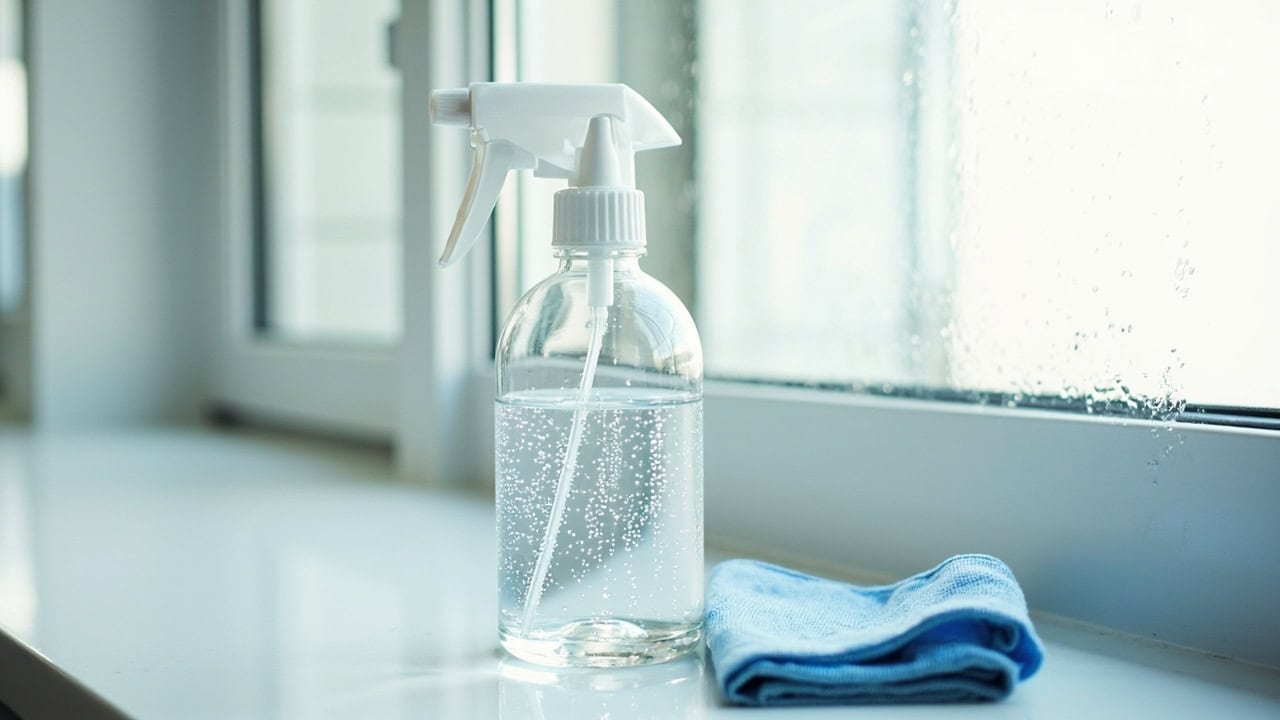
Ammonia in Cleaning: Uses and Safety

Ammonia (NH₃) is a powerful alkaline cleaning agent that dissolves grease, grime, and protein-based stains at a dilution ratio of 1:10 to 1:20 with water, making it one of the most effective and affordable cleaners for glass, kitchen surfaces, and hard flooring. Its high pH of 11–12 saponifies fats into water-soluble compounds, while its complete evaporation at room temperature ensures streak-free results on mirrors and windows. However, ammonia produces toxic chloramine gas when mixed with bleach — a combination that has caused fatal respiratory incidents and must never be attempted.
What Is Ammonia and Its Active Chemical Component
Ammonia is a colorless gas with the chemical formula NH₃ that dissolves readily in water to form ammonium hydroxide (NH₄OH) — the active cleaning compound found in household products. Commercial cleaning ammonia typically contains 5–10% ammonium hydroxide by weight, sold as “clear ammonia” or “household ammonia” in the cleaning aisle of grocery and hardware stores. Industrial-grade ammonia solutions reach concentrations of 25–30% and require specialized handling procedures beyond what household use demands.
Ammonium hydroxide is not the same compound as ammonium chloride (sal ammoniac), which is used in batteries and soldering fluxes — a distinction that matters because the two chemicals behave very differently on surfaces. Household ammonia is available in both scented formulations (which contain added surfactants and detergents) and unscented clear ammonia (which is pure ammonium hydroxide in water). For most cleaning tasks, unscented clear ammonia provides the most predictable results because it contains no additives that might leave residues.
According to the PubChem database, ammonium hydroxide has a CAS number of 1336-21-6 and a solution pH that ranges from 11.6 for a 1N solution down to 10.6 for a 0.01N solution. This strongly alkaline nature is what gives ammonia its grease-cutting power and also what makes it potentially irritating to skin and respiratory tissues at higher concentrations.
The Chemistry: How Ammonia Cleans
Ammonia cleans through a chemical process called saponification — its high pH (11–12) converts fats and oils into water-soluble soap compounds that rinse away easily. When ammonium hydroxide contacts a grease molecule, the hydroxide ions break the ester bonds in triglycerides, transforming the insoluble fat into glycerol and a fatty acid salt (soap). This is the same fundamental chemistry used in commercial soap manufacturing, but ammonia performs it directly on the surface being cleaned.
Beyond saponification, ammonia also breaks protein bonds in organic residues like food spills, blood, and grass stains. The alkaline environment denatures proteins by disrupting the hydrogen bonds that maintain their structure, causing them to unfold and release from the surface. This dual action — fat saponification plus protein denaturing — makes ammonia more versatile than many single-purpose surfactant-based cleaners.
Ammonia also reduces surface tension, which allows it to penetrate and lift grease films in a manner similar to synthetic surfactants — but without the foaming action that requires extra rinsing. One of ammonia’s most valuable properties for glass cleaning is its complete evaporation at room temperature. Unlike soap-based cleaners that leave mineral residues or surfactant films, ammonia volatilizes entirely, which is why it produces streak-free results on windows and mirrors at concentrations of 5–10%.
A critical distinction: ammonia is a cleaner, not a disinfectant. It has no registered antimicrobial properties and does not kill bacteria, viruses, or fungi. The cleaning chemistry behind ammonia is purely physical-chemical — it removes soils rather than killing organisms. For disinfection, an EPA-registered product such as bleach, hydrogen peroxide, or an alcohol-based sanitizer is required. For baked-on grease, ammonia requires 3–5 minutes of dwell time to fully penetrate and saponify the residue before wiping.
What Ammonia Works On
- Glass and windows: Streak-free evaporation makes ammonia the gold standard for crystal-clear results on windows, mirrors, and glass tabletops.
- Kitchen grease: Range hoods, stovetops, and cabinet exteriors respond well to ammonia’s saponification action. However, ammonia should not be used inside ovens — the enclosed space concentrates fumes dangerously.
- Floor tiles and linoleum: Cuts through scuff marks, kitchen grease splatters, and accumulated grime on resilient flooring.
- Stainless steel appliances: Removes fingerprints, water spots, and grease without damaging the brushed or polished finish.
- Bathroom fixtures: Chrome fixtures, porcelain sinks, and ceramic tile surfaces clean effectively with dilute ammonia solutions.
- Light rust stains: Limited effectiveness on fresh surface oxidation and rust stains on porcelain or ceramic, though not a substitute for dedicated rust removers.
What Ammonia Does NOT Work On
Ammonia’s alkaline chemistry makes it destructive to certain materials. Understanding these limitations prevents costly damage to floors, furniture, and fixtures.
- Wax-finished surfaces: Ammonia dissolves both paste wax and liquid wax finishes on hardwood floors and antique furniture, stripping the protective coating and leaving the surface exposed.
- Oil-finished wood: Ammonia penetrates oil finishes, raises the wood grain, and causes swelling and permanent water marks — avoid using it on any oiled wood surface.
- Aluminum surfaces: Ammonia causes oxidation darkening and pitting on bare aluminum, including some cookware, window frames, and gutters.
- Acid-stained concrete: Ammonia’s high pH reacts unpredictably with acidic stain residues in decorative concrete, potentially altering the color or finish.
- Silicone sealants: Repeated ammonia use degrades silicone caulk around sinks, tubs, and showers, as well as grout sealers, shortening their useful life.
- Lead paint: Never use ammonia on surfaces that may contain lead-based paint — it can create hazardous lead-containing dust particles.
Safety Considerations When Using Ammonia
Ammonia is classified as a corrosive substance by the CDC/NIOSH, and its safe use requires specific precautions. The Occupational Safety and Health Administration (OSHA) sets the permissible exposure limit (PEL) for ammonia at 50 parts per million (ppm) as an 8-hour time-weighted average, while NIOSH recommends a more conservative short-term exposure limit (STEL) of 35 ppm and an immediately dangerous to life or health (IDLH) threshold of 300 ppm. At concentrations as low as 50 ppm, most people experience noticeable eye and respiratory irritation.
Ventilation Requirements
Always open windows or run exhaust fans when cleaning with ammonia. In enclosed rooms, ammonia vapors reach peak concentration within 30 minutes of opening a container, and the buildup continues as the solution sits in open buckets or spray bottles. The Agency for Toxic Substances and Disease Registry (ATSDR) has established a minimal risk level (MRL) of 1.7 ppm for acute inhalation exposure, meaning even trace amounts can irritate sensitive individuals. Working in a well-ventilated space is not optional — it is essential for safe ammonia use.
Never Mix Ammonia With These Products
The most critical safety rule for ammonia is this: never mix ammonia with bleach (sodium hypochlorite), chlorine-based cleaners, vinegar, or any acid-based product. When ammonia contacts sodium hypochlorite, the reaction produces chloramine gas (NH₂Cl), which causes severe coughing, respiratory distress, and can be fatal in enclosed spaces. Mixing ammonia with vinegar (acetic acid) produces ammonium acetate and can also release chloramine gas. According to the ATSDR, ammonia concentrations of 5,000–10,000 ppm are rapidly fatal to humans, and even the much smaller amounts of chloramine gas produced from household quantities can cause serious lung injury. Always use ammonia as a standalone cleaner, and rinse surfaces thoroughly before switching to any other product.
Personal Protective Equipment
For routine household cleaning with standard 5–10% ammonia, wear chemical-resistant gloves (nitrile or rubber), and consider eye protection if spraying overhead or working in tight spaces. Avoid prolonged skin contact — ammonium hydroxide can cause chemical burns with extended exposure, particularly at higher concentrations. For industrial-strength ammonia (25–30%), additional PPE including a fitted respirator with ammonia cartridges and splash-proof goggles is mandatory.
Storage and First Aid
Store ammonia tightly sealed in its original container, away from food, children, and heat sources, in a cool dark place. Heat accelerates ammonia vapor release, increasing both the odor and the inhalation hazard. For first aid: if inhaled, move to fresh air immediately and seek medical attention if symptoms persist; if skin contact occurs, rinse thoroughly with cool running water for at least 15 minutes; if ammonia contacts the eyes, flush with water for 20 minutes continuously and seek immediate medical attention. Keep the poison control number (1-800-222-1222) accessible when using ammonia-based products.
Dilution Ratios and Application Methods
Using the correct dilution ratio for each surface ensures effective cleaning without waste or damage. The following table provides the standard dilutions and methods for common household cleaning tasks:
| Surface Type | Ammonia : Water | Application Method | Dwell Time |
|---|---|---|---|
| Windows / Mirrors | 1:10 (5%) | Spray bottle, wipe with microfiber | Immediate wipe |
| Kitchen grease (stovetops) | 1:5 (10%) | Spray, let sit, scrub with damp cloth | 3–5 minutes |
| Floor tiles / Linoleum | 1:20 (2.5%) | Mop application, rinse after | 2–3 minutes |
| Stainless steel | 1:10 (5%) | Spray, wipe with grain direction | Immediate wipe |
| Bathroom fixtures | 1:10 (5%) | Spray, scrub with soft brush | 3–5 minutes |
| Light rust stains | 1:5 (10%) | Apply with cloth, agitate gently | 5–10 minutes |
Always clean loose debris from the surface before applying ammonia solution — the chemical works on bonded grease and protein residues, not loose dirt that a dry cloth or broom can remove. Warm water (not hot) improves ammonia’s grease-cutting action by increasing molecular activity, but it also increases vapor concentration, so maintain ventilation when using warm dilutions.
For exceptionally heavy grease buildup on range hoods or stovetops, full-strength household ammonia can be applied for up to 10 minutes before wiping — but always test on a hidden area first to confirm the surface tolerates the concentration. After cleaning any food-contact surface such as kitchen countertops or stovetop grates, rinse thoroughly with clean water to remove residual ammonia before preparing food.
For more on how pH values affect cleaning performance across different surfaces, and how ammonia’s alkaline profile compares to the acidic chemistry of vinegar in cleaning, see our dedicated guides on these topics.
Frequently Asked Questions
Q: Is ammonia safe for cleaning kitchen counters?
A: Ammonia is safe for sealed granite, quartz, and laminate kitchen countertops at a 1:10 dilution — it cuts grease effectively and evaporates without residue. Always rinse food-contact surfaces with clean water after cleaning. Never use ammonia on marble, limestone, or unsealed natural stone as the alkaline content can etch the surface.
Q: Can you mix ammonia and vinegar to clean?
A: No — mixing ammonia and vinegar (acetic acid) produces ammonium acetate and can release chloramine gas, which causes severe respiratory irritation, coughing, and potential lung damage. Always use these cleaners separately and rinse surfaces between applications if switching products.
Q: Does ammonia disinfect or sanitize surfaces?
A: No — ammonia is a cleaner only, not a disinfectant or sanitizer. It has no antimicrobial properties and does not kill bacteria, viruses, or fungi. For disinfection, use a product registered with the EPA as a disinfectant or use hydrogen peroxide, bleach (never mixed with ammonia), or alcohol-based products.
Q: How do you safely clean windows with ammonia?
A: Mix 1 part clear ammonia to 10 parts warm water in a spray bottle. Spray onto glass surface and wipe immediately with a clean, lint-free microfiber cloth in a circular motion, then finish with a dry microfiber cloth or newspaper for streak-free results. Work in shade and avoid cleaning hot, sun-heated glass.
References
- CDC/NIOSH. (2024). Ammonia — NIOSH Workplace Safety and Health Topic. Centers for Disease Control and Prevention.
- ATSDR. (2004). Toxicological Profile for Ammonia. Agency for Toxic Substances and Disease Registry, U.S. Department of Health and Human Services.
- National Library of Medicine. (2024). Ammonium Hydroxide — PubChem Compound Summary. National Center for Biotechnology Information.


