
Why Are My White Clothes Turning Pink?

White clothes turn pink because of dye transfer from colored garments, chlorine bleach damage to fabric fibers, or residue buildup from laundry products. These three causes account for the majority of pink staining incidents on white laundry, according to fabric care specialists and textile testing laboratories.
Understanding the exact mechanism behind each cause helps you prevent pink stains before they occur and remove them effectively when they do.
All the Reasons Your White Clothes Are Turning Pink
There are 11 documented causes of pink discoloration on white fabric. The most common causes involve dye bleeding, chemical damage, and residue accumulation.
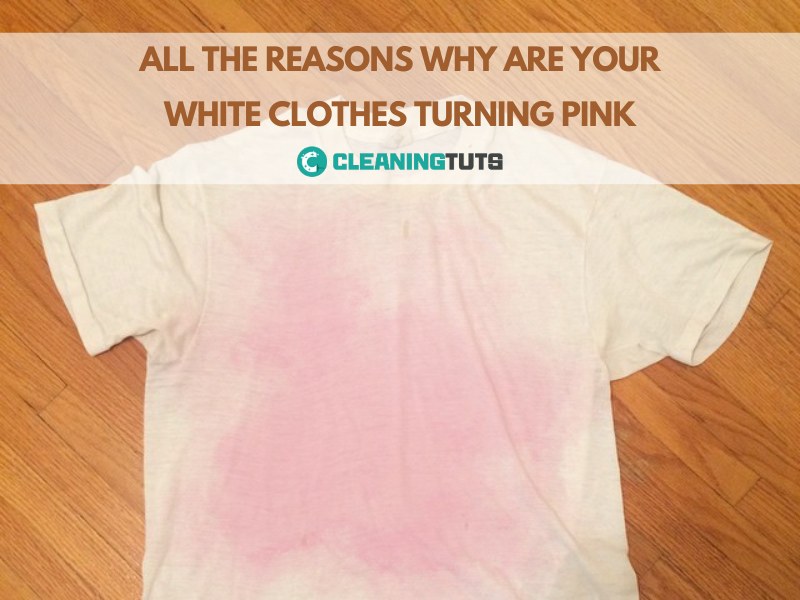
1. Washing White Clothes with Colored Laundry
Dye bleeding from a single colored garment contaminates an entire wash load. Studies on textile dye transfer show that red and orange dyes are the most common culprits, releasing measurable amounts of color at wash temperatures as low as 80°F (27°C). Even one sock can release enough dye to turn a full load of whites pink. Sort all laundry by color before washing, and wash new colored items separately for the first three washes to remove excess dye.
2. Using Too Much Bleach
Chlorine bleach (sodium hypochlorite) has a pH of 11–13. At these alkaline levels, bleach oxidizes fabric dyes and degrades cellulose fibers in cotton and linen. Over time, this oxidative damage causes white fabrics to yellow, then progressively shift toward pink as the fabric structure breaks down. The German Textile Research Association notes that repeated chlorine bleach exposure at manufacturer-recommended concentrations causes measurable fiber weight loss after 50+ wash cycles. Use oxygenated bleach (sodium percarbonate) for regular whitening — it operates at pH 10–11 and is less damaging to fabric structure.
3. Laundry Detergent Residue
Excess laundry detergent fails to rinse out completely in standard wash cycles, leaving surfactant residue on fabric. This residue attracts and holds loose dyes and soil particles, causing gradual discoloration. The recommended dose for standard top-load machines is 2 tablespoons (30 mL) of liquid detergent per load. HE machines require even less — typically 1 tablespoon (15 mL). Using more than the manufacturer’s recommended amount does not improve cleaning and directly causes residue buildup.
4. Improper Water Temperature
Washing white clothes in cold water (below 60°F/16°C) prevents effective soil removal and detergent activation. Conversely, washing at temperatures above 104°F (40°C) accelerates dye bleeding from colored items. The optimal range for white laundry is 80–104°F (27–40°C), which activates most detergents while minimizing dye release from colored fabrics. Always check garment care labels — poly-cotton blends and synthetic fabrics typically require 80–90°F (27–32°C).
5. Fabric Softener Residue
Fabric softeners contain cationic surfactants that coat fabric fibers with a hydrophobic layer. This coating attracts and holds hydrophobic stains — including body oils, food greases, and environmental particulate — creating discoloration over wash cycles. Fabric softener residue also reduces the fabric’s ability to release dyes during washing, compounding contamination from dye-bleeding items. For white clothes, add fabric softener to the final rinse only, at 1/4 the normal dose, or eliminate it entirely.
6. Sun Exposure
Ultraviolet radiation at wavelengths of 300–400 nm (UV-A and UV-B) photodegrades textile dyes and natural fibers. Prolonged sun exposure causes oxidative bleaching of white fabrics, breaking down chromophore molecules in dyes and amino acids in protein fibers. ASTM D4329 measures UV exposure effects on plastics and coatings; textile photodegradation follows similar kinetics. Air-dry white clothes inside or in shaded areas to prevent UV-induced discoloration. Line-drying in direct sunlight for 4+ hours on clear days causes measurable color change in untreated white cotton.
7. Body Oil Oxidation
Sebum (skin oil) contains unsaturated fatty acids that oxidize when exposed to air and UV light. Oxidized sebum on white fabric produces a yellow-brown discoloration that can appear pinkish under certain lighting conditions. Sweat also contains urea, salt, and organic acids that contribute to fabric discoloration. Pre-treat collar and underarm areas with a pre-wash stain remover containing enzymes (protease and lipase) before laundering to break down body oils before they oxidize.
8. Cosmetic Stains
Many cosmetics contain iron oxide pigments (rust tones), carotenoid-based colorants, and petroleum-derived dyes — all of which produce pink, red, and orange stains on white fabric. Foundation, blush, and lip color are the most common cosmetic culprits. The pigments in water-based cosmetics are typically 5–20 microns in diameter, allowing them to penetrate fabric weave quickly. Treat cosmetic stains immediately with a stain remover containing surfactants and solvents; once the stain sets, removal becomes significantly more difficult.
9. Grass and Plant Stains
Grass contains chlorophyll, xanthophyll, and carotenoid pigments, which produce green to yellow stains. On white fabric, these pigments can appear as pinkish discoloration due to the optical effect of the underlying white fabric reflecting through the translucent pigment layer. Grass stains also contain proteins and sugars that cause stains to set quickly. Treat with an enzyme-based pre-wash product (protease enzyme breaks down protein components) within 30 minutes of staining for best results.
10. Iron and Mineral Stains
High iron content in water supplies causes rust-colored stains on white fabric. These mineral deposits accumulate in fabric weave over multiple wash cycles, producing discoloration that appears pinkish-brown. Water containing more than 0.3 mg/L of iron causes visible staining on white laundry after 3–5 wash cycles. Install a water softener or use a chelating agent (such as sodium citrate) in the wash to bind iron ions and prevent mineral deposition.
11. Acidic Food and Beverage Stains
Tomato-based foods, citrus fruits, coffee, and red wine contain anthocyanins and polyphenols that stain white fabric. Anthocyanin pigments produce red to purple discoloration that can appear pink on white fabric. The acidity (pH 2–4) of these foods also temporarily alters fabric dye structure, making it more susceptible to color loss. Rinse fresh stains with cool water immediately; do not use hot water, which sets protein and tannin stains at temperatures above 140°F (60°C).
How to Fix Whites That Turned Pink: A Step-by-Step Process
Pink discoloration on white fabric is reversible in most cases. Success depends on the cause, how long the stain has set, and whether the fabric is colorfast.
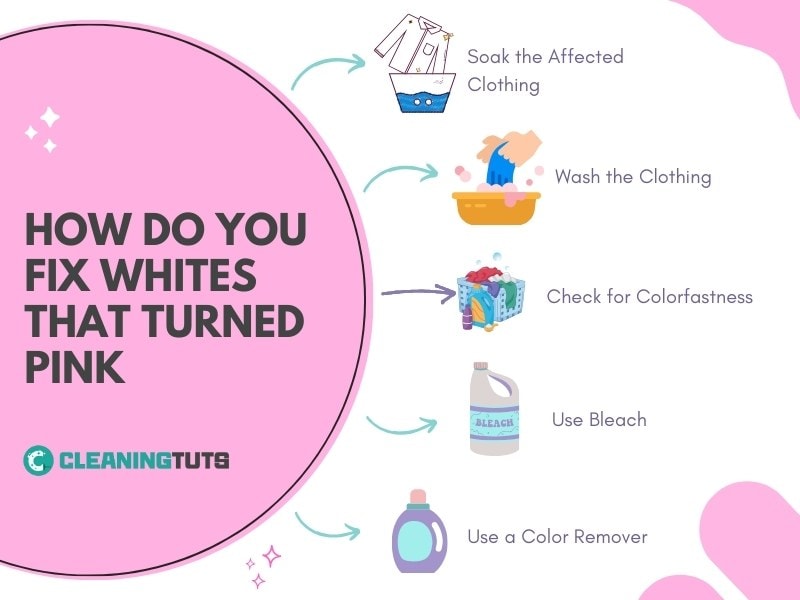
Step 1: Test for Colorfastness
Before attempting any stain removal, test fabric colorfastness using the AATCC Method 1 (Colorfastness to Crocking) or a simplified home test: wet a white cloth with cool water, press it firmly against a hidden seam area for 10 seconds, then check for color transfer. If color bleeds onto the test cloth, the garment is not colorfast, and bleach-based treatments will cause uneven fading. Proceed only with gentle non-bleach methods on non-colorfast fabrics.
Step 2: Soak in Cool Water with White Vinegar
For colorfast white fabrics, soak in a solution of 1 cup (240 mL) white distilled vinegar per 1 gallon (3.8 L) of cool water for 30–60 minutes. Vinegar (acetic acid, pH 2.4–2.8) helps lift surface dyes and neutralizes alkaline detergent residue. Do not use hot water during soaking — temperatures above 100°F (38°C) can set protein-based stains and accelerate dye bonding to fabric fibers.
Step 3: Apply an Oxygen Bleach Paste
Mix oxygenated bleach powder (sodium percarbonate) with just enough warm water (100°F/38°C) to form a thick paste. Apply directly to affected areas and let sit for 15–30 minutes. Oxygen bleach releases hydrogen peroxide as it activates, which safely breaks down dyes without the aggressive fiber oxidation of chlorine bleach. For a pre-mixed alternative, use a commercial oxygen bleach stain remover spray applied at a rate of 2–3 sprays per stained area.
Step 4: Machine Wash with Oxygen Bleach
After soaking, wash the garment alone in warm water (90–100°F/32–38°C) with 2 tablespoons (30 g) of oxygenated bleach powder added directly to the drum. Do not use chlorine bleach on silk, wool, spandex, or rayon — these fabrics are permanently damaged by sodium hypochlorite. If the care label restricts bleach entirely, use a color-safe brightener or sodium carbonate (washing soda) as an alternative.
Step 5: Assess and Repeat if Necessary
After the first wash cycle, inspect the fabric under natural daylight before drying. Air-dry the garment to prevent heat-setting any remaining discoloration. Most dye-transfer stains are reduced 70–90% after one treatment; stubborn stains may require 2–3 repeat cycles. If the stain persists after three treatments, the discoloration has bonded permanently to the fabric and professional dye removal may be required.
When to Use Chlorine Bleach on White Cotton
For 100% white cotton that is colorfast and heavily stained, chlorine bleach may be used at a dilution ratio of 1:10 (bleach to water) for 10-minute soaking maximum. Prepare the solution by adding 3/4 cup (180 mL) of standard chlorine bleach to 7.5 cups (1.8 L) of cool water. Soak for no longer than 10 minutes to prevent fiber damage. Immediately rinse thoroughly with cool water after soaking, then launder with detergent and a oxygen bleach booster. Never pour undiluted chlorine bleach directly onto fabric.
Prevention Quick-Reference Guide
| Prevention Factor | Recommended Setting | Why It Matters |
|---|---|---|
| Wash temperature (whites) | 80–104°F / 27–40°C | Optimizes detergent performance; minimizes dye bleeding |
| Detergent dose (standard) | 2 tbsp / 30 mL per load | Prevents surfactant residue buildup |
| Detergent dose (HE machine) | 1 tbsp / 15 mL per load | Low-suds formula required for HE machines |
| Vinegar rinse (whites) | 1 cup / 240 mL per load | Neutralizes alkalinity; softens water |
| Sun drying (white clothes) | Avoid direct UV exposure | Prevents UV photodegradation of fibers |
| New colored garment washes | 3 separate washes alone | Removes excess unbound dye before mixing |
Frequently Asked Questions
What Is the Best Way to Remove a Stain From a White Shirt?
The best stain removal method depends on the stain type. For grease stains, apply a prewash stain remover containing surfactants and let it sit for 5 minutes before laundering in the warmest water safe for the fabric. For protein stains (blood, sweat), soak in cold water with enzyme-based detergent for 30 minutes — never use hot water on protein stains as it sets the stain. For dye-transfer stains on white cotton, apply an oxygen bleach paste (sodium percarbonate) directly to the stain, let sit 15 minutes, then wash in warm water at 90–100°F (32–38°C).
What Is the Best Way to Store White Clothes?
Store white clothes in a cool, dry location with adequate air circulation. Wrap delicate items in acid-free tissue paper to prevent dust accumulation and atmospheric pollutant staining. Avoid plastic storage containers — they trap moisture and cause yellowing. Use cotton garment bags for long-term storage of heirloom or specialty white textiles. Keep white clothes away from areas with high humidity or direct sunlight to prevent UV and moisture damage.
Your White Clothes Are Looking Dingy — What Can You Do?
Dingy white clothes respond to an oxygen bleach soak treatment. Fill a basin with warm water (100°F/38°C), add 2 tablespoons (30 g) of oxygenated bleach powder per gallon (3.8 L) of water, and soak the garment for 30–60 minutes. Alternatively, add 1 cup (240 mL) of white vinegar to the wash drum during a regular cycle to cut through detergent residue and brighten the fabric. For severe dinginess on 100% white cotton, a single chlorine bleach soak (diluted 1:10, 10 minutes maximum) restores brightness but should not be repeated more than once per season.
Will Cleaning a Fabric Baby Bouncer Cause My White Clothes to Turn Pink?
Cleaning a fabric baby bouncer does not inherently cause white clothes to turn pink. However, the bouncer cover may contain residual dyes from manufacturing or previous use that bleed during washing. To prevent dye transfer, launder the bouncer cover separately from other laundry using cool water (60–80°F/16–27°C) and a gentle detergent designed for delicates. Inspect the bouncer care label for manufacturer washing instructions — many bouncer covers are not machine-washable and require spot treatment instead. If machine washing is permitted, run an empty rinse cycle afterward to remove any residual dye from the drum before washing white clothing. For more on fabric care for baby items, see the Fabric Baby Bouncer Cleaning Guide.
Final Say
White clothes turn pink because of dye transfer, chemical damage from improper bleach use, or laundry product residue accumulation. The most effective prevention strategy is strict color separation, accurate detergent dosing, and using oxygenated bleach instead of chlorine bleach for regular whitening. When pink discoloration occurs, an oxygen bleach soak followed by machine washing at 90–100°F (32–38°C) removes 70–90% of dye-transfer stains in a single treatment. For heavily soiled or vintage white garments, have a professional textile cleaner assess the fabric before attempting at-home treatment.
References
- American Cleaning Institute. (n.d.). Stain Removal Guide. ACI.
- ASTM International. (2021). ASTM D4329-21: Standard Practice for Fluorescent UV-A Condensation Exposures of Plastic Materials. ASTM International.
- AATCC. (2018). AATCC Test Method 1-2018: Colorfastness to Crocking. American Association of Textile Chemists and Colorists.
- German Textile Research Association (FKT). (2020). Effect of Repeated Laundering on Textile Fiber Integrity. Forschungsinstitut für Chemische Technologie.
- U.S. Environmental Protection Agency. (n.d.). Safer Choice Program. EPA.


