
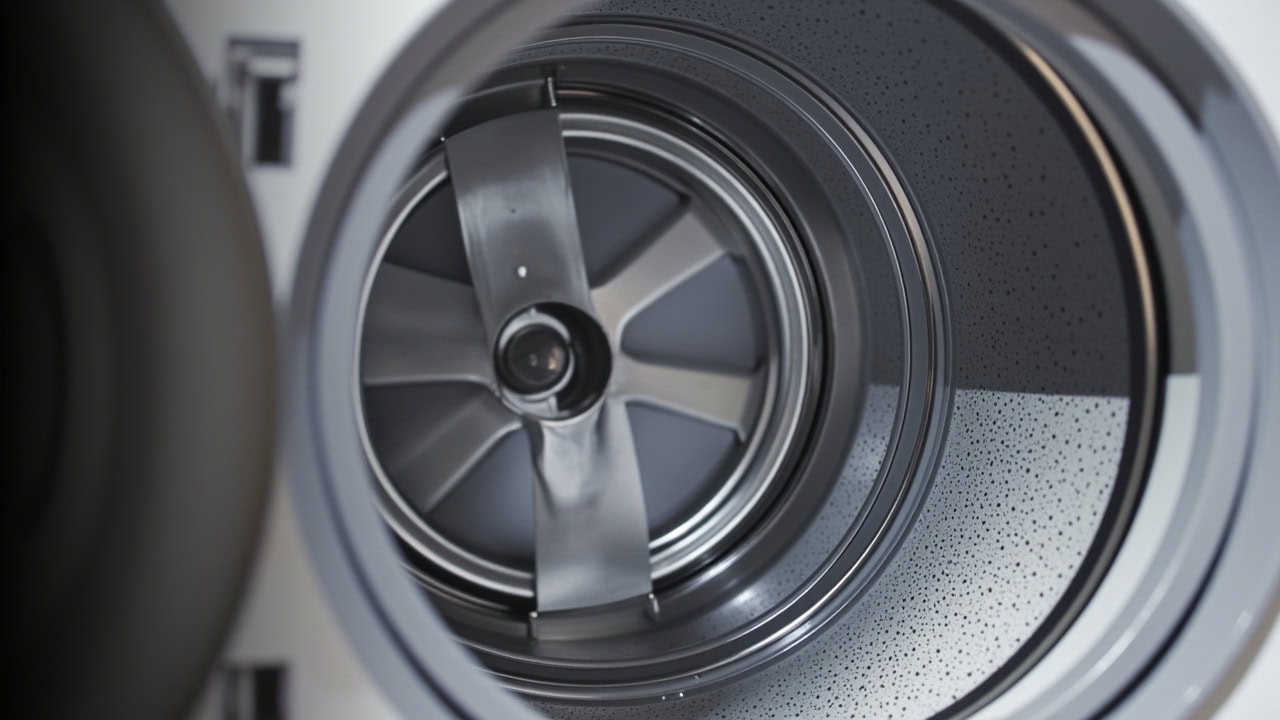
How to Clean a Dryer: Complete Guide

A dryer must be cleaned every 6–12 months using a combination of lint trap cleaning after every load, vent duct inspection quarterly, and a deep interior cleaning annually. Failure to maintain these components causes 34% of dryer fires and reduces energy efficiency by up to 25%, costing the average household an additional $50–100 per year in electricity. According to the U.S. Fire Administration, approximately 2,900 clothes dryer fires are reported each year in the United States, with the leading cause being a failure to clean the appliance.
This guide covers every dryer maintenance task — from the 2-minute lint filter routine to a complete vent duct cleaning — so you can protect your home, extend your appliance’s lifespan by 2–3 years, and keep drying times under 45 minutes per load.
Why Regular Dryer Maintenance Matters
Lint buildup inside a dryer is not just a nuisance — it is a fire hazard. The U.S. Fire Administration reports that failure to clean dryers accounts for 34% of all home dryer fires, resulting in an estimated 5 deaths, 100 injuries, and $35 million in property damage annually. Lint is highly combustible, and when it accumulates inside the vent duct and around heating elements, a single spark can ignite it.
Beyond fire safety, a clogged dryer forces the appliance to work harder. A dryer with restricted airflow uses approximately 25% more electricity per cycle, according to ENERGY STAR data. The longer running times also accelerate fabric wear, shortening the life of your clothes. Consistent cleaning and maintenance extends the dryer’s operational lifespan by 2–3 years, delaying the need for a replacement that typically costs $500–$1,800.
For more appliance care strategies, visit our laundry care guide, which covers washer and dryer maintenance alongside fabric care best practices.
How Often to Clean Your Dryer: Maintenance Schedule
Different dryer components accumulate debris at different rates. The lint trap fills with every load, while the vent duct gradually collects the 60% of lint that escapes past the filter screen. Following a structured schedule prevents dangerous buildup before it starts.
| Task | Frequency | Time Required |
|---|---|---|
| Clean lint trap | After every load | 2 minutes |
| Clear dryer drum residue | Weekly | 5 minutes |
| Inspect and clean vent duct | Quarterly | 15–20 minutes |
| Deep clean dryer interior | Every 6–12 months | 30–45 minutes |
| Professional vent service | Annually | 1 hour |
Homes with pets, large families, or heavy laundry volumes should increase vent inspections to every 2 months. Pet hair and fabric fibers from blankets and towels clog ducts faster than standard loads. If your dryer runs more than 8 loads per week, move the deep clean interval to every 6 months.
Tools and Cleaning Products Needed
Gathering the right tools before starting ensures an efficient cleaning session. Most items are available at hardware stores for under $30 total.
- Vacuum cleaner with crevice and brush attachments — essential for extracting lint from the filter housing and behind the dryer
- Dryer lint brush (long-handled) — a flexible 24- to 36-inch bristle brush designed to scrub inside the vent duct and lint trap cavity
- Soft microfiber cloths — for wiping the drum interior without scratching the surface
- Mild dish soap or appliance cleaner — a pH-neutral cleaner that removes residue without leaving flammable solvent traces
- Screwdriver — for removing external panels if accessing internal components during a deep clean
- Dryer vent inspection camera (optional) — a small bore camera that reveals lint buildup deep inside ductwork that a brush cannot reach
Step-by-Step Dryer Cleaning Process
Follow these eight steps in order to thoroughly clean your dryer from the lint trap to the exhaust vent. The entire process takes 30–45 minutes for a deep clean, or 15–20 minutes for a quarterly vent inspection (steps 5–7 only).
- Unplug the dryer from the electrical outlet for safety before any cleaning. For gas dryers, also shut off the gas supply valve at the wall to eliminate combustion and carbon monoxide risk during the cleaning process.
- Remove and clean the lint filter — pull the filter straight out of its housing, peel off the accumulated lint layer by hand, then wash the mesh screen under warm running water with a few drops of mild dish soap. Scrub gently with a soft brush to clear the mesh pores, rinse thoroughly, and dry completely before reinserting.
- Vacuum the lint trap housing — attach the crevice tool to your vacuum and insert it into the filter slot, reaching as deep as possible. Lint collects below the filter where it cannot be seen, and this hidden accumulation is a primary fire risk. Move the tool in a circular motion to dislodge compacted debris.
- Clean the dryer drum interior — dampen a microfiber cloth with warm water and a small amount of pH-neutral cleaner, then wipe the entire drum surface including the door seal and baffle edges. This removes fabric softener residue, ink stains, and detergent buildup. Dry immediately with a clean cloth.
- Inspect the exterior vent — pull the dryer away from the wall and disconnect the vent hose from the wall exhaust outlet. Remove visible lint buildup from both ends of the connection by hand and with the vacuum. Check the exterior hood flap outside the house for bird nests, leaves, or other debris that blocks airflow.
- Clean the vent duct — feed a long-handled dryer vent brush through the ductwork from the exterior wall opening toward the dryer. Rotate the brush as you push it through to scrub the duct walls. Vacuum out loosened lint and debris from both ends. For ducts longer than 10 feet, repeat the pass at least twice to ensure complete removal.
- Check the back of the dryer — vacuum behind and around the appliance where lint, dust, coins, and stray items accumulate over time. Lint concentrated near the dryer’s rear vent opening is particularly hazardous because it sits directly in the heat path.
- Reconnect and test — secure the vent hose to both the dryer and the wall outlet using foil tape or hose clamps, ensuring no gaps where lint could escape. Plug the dryer back in (or turn on the gas), and run a test cycle on air-only mode for 5 minutes. Feel the exterior vent hood outside — you should feel strong, consistent airflow.
For companion appliance maintenance, see our guide on how to clean a washing machine to keep both laundry appliances running at peak efficiency.
Dryer Vent Maintenance: Critical Safety Step
The dryer vent duct is the single most dangerous component to neglect. While the lint trap captures visible lint from each load, approximately 60% of generated lint passes through the screen and enters the vent system. Over months, this lint coats the duct walls and progressively restricts airflow.
A 25-foot duct with moderate lint buildup can reduce airflow by up to 60%, causing the dryer to overheat. In gas dryers, a blocked vent prevents carbon monoxide from venting to the outside, allowing this odorless, lethal gas to accumulate inside the home. The Consumer Product Safety Commission warns that all gas dryers must have an unobstructed vent to the outdoors — indoor venting kits are never safe for gas models.
Recognize the signs of a clogged vent early to prevent damage and danger. If clothes take more than 45 minutes to dry on a normal setting, the dryer exterior feels hot to the touch during operation, or you notice a musty odor on clothes after cycling, these are indicators of restricted airflow requiring immediate vent cleaning.
The International Residential Code (IRC) limits dryer exhaust duct length to 35 feet, reduced by 5 feet for each 90-degree elbow. Ducts exceeding this length or those with multiple bends are more prone to lint accumulation and should be inspected more frequently. Flexible plastic or foil vent ducts — common in older installations — should be replaced with rigid or semi-rigid metal ducts, which are fire-resistant and provide smoother interior walls that trap less lint.
Professional dryer vent cleaning costs an average of $144, with prices ranging from $75 to $330 depending on duct length, accessibility, and severity of the clog, according to Angi. DIY vent cleaning kits are available for $30–$75, but professional service includes camera inspection to verify complete lint removal — a step most homeowners cannot replicate. For more on related cleaning challenges, see our article on how to remove mold from laundry, which addresses moisture issues that can originate from poorly vented dryers.
Common Dryer Cleaning Mistakes to Avoid
- Never use flammable cleaning products inside the dryer drum — solvents, rubbing alcohol, and petroleum-based cleaners leave residue that can ignite when the heating element activates. Stick to mild dish soap and water.
- Avoid washing the lint filter with abrasive materials — steel wool, stiff brushes, or scouring pads scratch the mesh screen, creating rough surfaces that trap more lint and reduce the filter’s effectiveness over time.
- Do not skip quarterly vent inspections — lint gradually accumulates past the filter into hidden ductwork. Waiting until the dryer shows symptoms means the clog has already restricted airflow and created a fire risk.
- Never operate the dryer with a damaged or missing lint filter — running even a single load without the filter allows unrestricted lint to enter the duct, where it coats heating elements and creates an immediate fire hazard.
These same principles apply across all home appliances — our kitchen cleaning guide covers appliance cleaning methodology for refrigerators, ovens, and dishwashers that follows the same safety-first approach.
Frequently Asked Questions
Q: How do I know if my dryer needs a deep clean?
A: If clothes take more than one cycle to dry, the dryer has a musty smell, or the exterior gets abnormally hot during operation, these are signs of lint accumulation requiring immediate deep cleaning.
Q: Can I use a leaf blower to clean my dryer vent?
A: No — leaf blowers push lint deeper into the ductwork rather than extracting it, and can disconnect vent connections. Use a dryer vent brush kit designed specifically for this purpose.
Q: What is the difference between cleaning the lint trap and cleaning the dryer vent?
A: The lint trap catches visible lint from each load, but 60% of lint escapes into the vent system. The lint trap should be cleaned after every load; the vent duct requires quarterly professional or DIY inspection and cleaning.
Q: How often should I have my dryer professionally serviced?
A: Annual professional dryer vent service is recommended, especially for gas dryers where carbon monoxide leaks pose a safety risk. Homes with pets or heavy laundry loads may require bi-annual service.
References
- U.S. Fire Administration. (2020). Clothes Dryer Fires in Residential Buildings (2014–2016). FEMA.
- National Fire Protection Association. (2023). Home Fires Involving Clothes Dryers and Washing Machines. NFPA.
- ENERGY STAR. (2024). Clothes Dryers Key Product Criteria. U.S. Environmental Protection Agency.
- Angi. (2025). How Much Does Dryer Vent Cleaning Cost?. Angi.
- International Code Council. (2021). International Residential Code, Section M1502 — Clothes Dryer Exhaust. ICC.


