
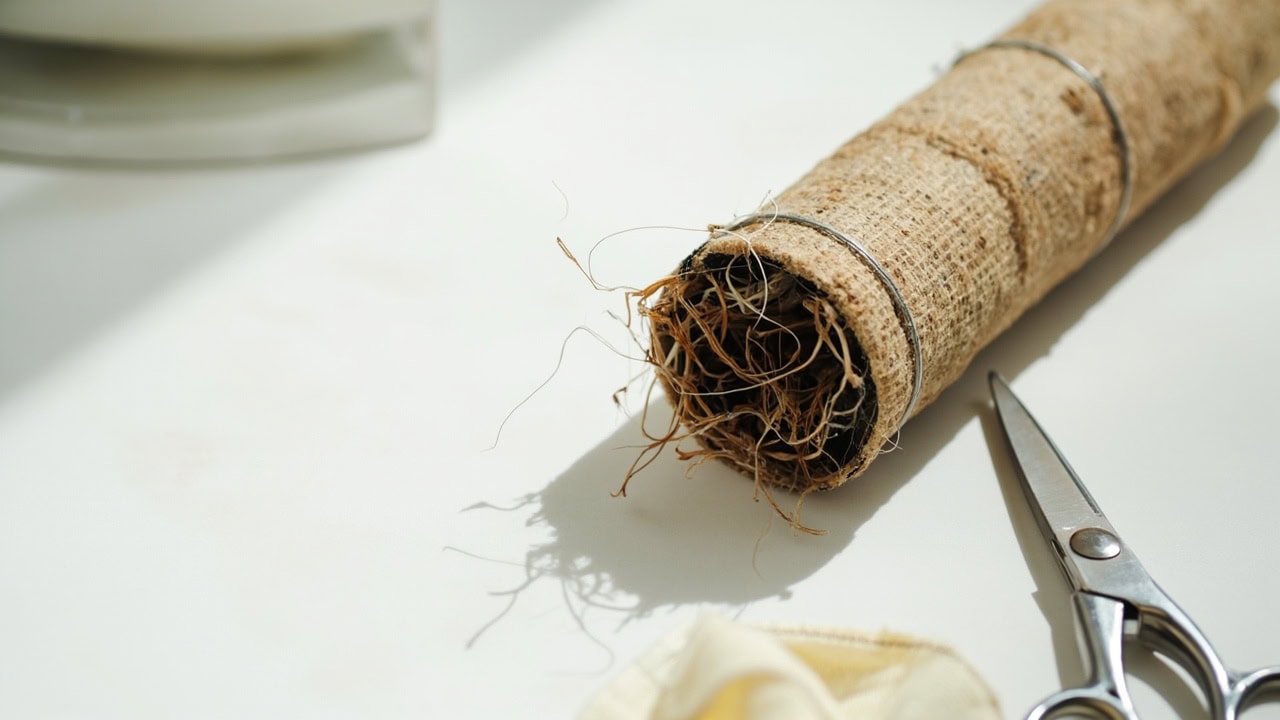
How to Clean Vacuum Brush Roll: Step-by-Step

The vacuum brush roll must be cleaned every 1–2 months or when visible tangles accumulate, using a pair of sharp scissors and warm water to cut away hair and debris wrapped around the bristles. This step-by-step process takes approximately 10 minutes and prevents suction loss, abnormal vibrations, and premature motor wear. Regular brush roll maintenance can extend your vacuum’s effective lifespan by 2–3 years.
Why Clean Your Vacuum Brush Roll?
A clogged brush roll reduces suction by up to 50% and forces the motor to work harder than designed, creating excessive wear on internal components. When hair, fibers, and debris wrap around the brush roll, they create a barrier between the bristles and your floors, forcing the vacuum to work double time to achieve the same cleaning results. This unnecessary strain accelerates wear on the drive belt, motor bearings, and bushings throughout the vacuum’s lifetime.
Tangled hair and fibers create uneven rotation, which causes floor scratches and annoying wand vibrations that travel up through the handle. The brush roll’s bristles are engineered to contact flooring at a specific height and angle for optimal dirt pickup. When杂物 accumulates unevenly, some bristles lift away from the surface while others press too hard, creating an inconsistent cleaning pattern that you can feel as vibration in the wand.
Built-up debris harbors bacteria, allergens, and mold spores that get redeposited on your floors during each vacuuming session. A study by the National Institute of Environmental Health Sciences found that vacuum bags and brush rolls can contain up to 500,000 bacteria per square inch in typical household use. When you push the vacuum across a clean floor, you’re potentially spreading these contaminants instead of removing them. Pet dander, dust mite waste, and pollen trapped in brush roll tangles become aerosolized as the brush rotates, degrading indoor air quality even as you clean.
Dirty brush rolls are the #1 cause of premature vacuum motor failure. The motor driving your brush roll draws constant electrical current when engaged. A free-spinning brush roll requires minimal torque, but one packed with tangled hair forces the motor to strain against continuous resistance. This extra load generates heat, which degrades motor windings and brushes faster than normal operation. Most vacuum motors are rated for approximately 500–1,000 hours of operation under normal load — heavy brush roll resistance can cut that lifespan in half.
What You Need Before You Start
- Sharp scissors (kitchen shears work best for thick hair tangles)
- Warm running water
- Clean microfiber cloth or towel
- Optional: small brush or toothbrush for stubborn debris
- Work surface with good lighting
Step-by-Step Cleaning Process
Step 1: Remove the Brush Roll from the Vacuum
Unplug the vacuum from the electrical outlet completely before beginning any maintenance. This eliminates any risk of the vacuum activating while your fingers are near the brush roll. Locate the brush roll compartment — on most upright vacuums, this is at the front base where the vacuum head meets the wand. On canister models, the brush roll is typically housed in the power head attachment at the end of the hose.
Consult your vacuum’s user manual for the specific release mechanism — most vacuums have either a latch that flips open or a screw that holds the brush roll cover in place. Upright models from brands like Hoover and Bissell typically use a quick-release latch on the bottom of the nozzle. Canister vacuums from brands like Miele and Dyson often require removing a single screw before the brush roll can slide out. Note the orientation as you remove it: most brush rolls have a distinct toothed end that drives the rotation and must face the correct direction when reinstalled.
Gently pull the brush roll straight out, keeping it level to avoid bending the drive belt (if equipped). On dual-motor uprights, you may need to disconnect the brush roll motor plug before fully removing the brush roll. Lay the brush roll on your work surface with good overhead lighting so you can see all the tangled debris clearly.
Step 2: Cut Away Tangled Hair and Debris
Lay the brush roll on a flat work surface with good lighting and rotate it slowly to inspect the full length of the bristles. You’ll likely find that hair and fiber tangles concentrate near the ends first, where the bristles are shorter and the rotation speed is highest. This is where to begin cutting.
Using sharp scissors (kitchen shears work best for thick hair tangles because of their longer blades and stronger construction), cut through tangled hair in sections, working from one end of the brush roll to the other. Professional cleaners recommend using a razor blade or sharp craft knife for heavily matted tangles, but scissors are safer for beginners. Hold the scissors parallel to the brush roll axis and slice through the hair loops as close to the bristles as possible without cutting the bristles themselves.
For light tangles, you can often unwind by hand first — this saves scissor work and lets you pull out longer hair strands intact. Grasp the hair at the edge of the tangle and work your fingers toward the center, unwinding rather than pulling. Once you’ve reduced the bulk with scissors, remove large debris clumps (lint, string, pet fur) by hand. A hairbrush or comb can help loosen stubborn hair caught deep in the bristle rows.
Work systematically from one end cap to the other, rotating the brush roll as you go. Pay special attention to the gap between the end cap and the bristle rows — this is where long hair most commonly wraps and creates the most damaging torque on the motor. After cutting, run your fingers along the full length of each bristle row to check for any remaining trapped fibers.
Step 3: Wash the Brush Roll
Hold the brush roll under warm running water at approximately 100–110°F (38–43°C) — warm to the touch but not hot. Hot water can deform plastic brush roll bodies and cause rubber end caps to crack or separate. The warm temperature effectively emulsifies the oils and residues that accumulate from floor contact without damaging the components.
Use your fingers to massage the bristles and work loose any remaining small particles trapped between the bristle rows. The water should run clear after a minute or two of rinsing, indicating that all loose debris has been flushed away. For stubborn residue that doesn’t rinse away easily — such as waxy floor finishes, pet paw oils, or cooking grease — use a soft brush (an old toothbrush works well) to scrub gently along the bristle rows.
Do not use soap, detergent, or cleaning chemicals on the brush roll. Soap residue can break down the rubber or plastic components of the brush roll over time, causing premature cracking or deformation. Additionally, any soap residue left on the brush roll will be deposited on your floors during vacuuming, leaving streaks and attracting future dirt buildup. Plain warm water is sufficient to dissolve and flush away the debris that accumulates during normal use.
Do not submerge the brush roll in water. Full immersion allows water to penetrate the bearings at each end cap, where it displaces the lubricating grease and causes rust on the steel axle. Once rust forms, it creates abrasive surfaces that wear down the bearing race, leading to wobble, noise, and eventual brush roll failure. Holding the brush roll under running water while supporting it horizontally prevents water from entering the sealed bearing housings at the ends.
Step 4: Dry and Reassemble
Shake off excess water with a brisk side-to-side motion, then pat dry with a clean microfiber cloth. The microfiber’s fine fibers absorb water from between the bristles more effectively than cotton towels. Work the cloth along the full length of each bristle row to remove surface moisture.
Allow the brush roll to air dry completely for 30–60 minutes before reinstalling. Place it on your towel with the bristle rows facing up to allow air circulation on all sides. Do not reinstall a damp brush roll — residual moisture in the bearing housings causes rust, pitting, and uneven rotation that you’ll feel as vibration through the wand. In humid climates or during winter, allow extra drying time or use a fan to accelerate evaporation.
While the brush roll dries, inspect the bristles for any damage or excessive wear. bristles that are bent, broken, or worn below their original height will not clean effectively. Check the end caps for cracks or deformation — cracked end caps allow debris to enter the bearing housings and will eventually cause the brush roll to seize. If the drive belt (on belt-driven models) appears cracked, glazed, or stretched, replace it now while the brush roll is removed.
Reinstall the brush roll in the correct orientation, ensuring the drive coupling or belt engages properly with the motor shaft. Most brush rolls are directional — the bristles lean in the direction of rotation, and installing them backward causes poor cleaning performance and accelerated wear. Seat both end caps fully into their bearings before releasing. Latch or screw the compartment cover back into place, then plug in and test for smooth, quiet operation.
How Often to Clean Your Brush Roll
| Frequency | Signs It Needs Cleaning |
|---|---|
| Every 2 weeks | Heavy pet households (dogs or cats) |
| Monthly | Normal household use (1–2 people) |
| Every 6 weeks | Light use, mostly bare floors |
| After each use | Commercial or daily cleaning use |
Homes with shedding pets require brush roll cleaning every two weeks because pet hair wraps tightly around brush roll bristles and accumulates rapidly. A single large dog can deposit enough hair in one week to create a 1/4-inch diameter rope around a brush roll. This heavy loading strains the brush roll motor continuously and reduces cleaning effectiveness to near zero before the week’s end.
Normal household use with one or two adult residents typically produces enough debris to warrant monthly brush roll cleaning. Human hair, clothing fibers, and everyday dust don’t accumulate as aggressively as pet hair, but still create enough resistance to affect performance after four to six weeks of regular vacuuming.
Light household use consisting primarily of bare floors (hardwood, tile, laminate) with minimal carpeted areas can extend cleaning intervals to every six weeks. Bare floors generate less fiber tangle because there’s no carpet nap to catch and wrap hair. However, dust and fine particles still accumulate between bristle rows and should be rinsed away periodically.
Vacuum Brush Roll Maintenance Schedule
| Task | Daily | Weekly | Monthly | Annually |
|---|---|---|---|---|
| Check for visible tangles | ✓ | |||
| Remove surface debris | ✓ | |||
| Full deep clean (scissors + water) | ✓ | |||
| Inspect brush bristles for wear | ✓ | |||
| Replace brush roll if bristles worn | ✓ |
A quick visual inspection for visible tangles should become a daily habit for pet owners or weekly for others. This takes only seconds — flip the vacuum over and glance at the brush roll before each use. Catching a tangle early prevents it from becoming deeply embedded and makes removal fast. Professional cleaning services report that checking for tangles before each job has nearly eliminated callback issues related to brush roll performance.
Weekly surface debris removal extends the time between deep cleans. After your regular vacuuming session, give the brush roll a quick once-over with your hand or a comb to pull off any loose lint or hair that hasn’t yet wrapped tight. This preventive step takes under a minute and significantly reduces the effort required during your monthly deep clean.
Monthly deep cleaning with scissors and water should be scheduled on your calendar, just like changing the vacuum filter or replacing the bag. Set a recurring reminder and treat it as non-negotiable maintenance. The 10-minute investment prevents the 30+ minute frustration of trying to cut away deeply matted tangles that have had months to accumulate.
Annual brush roll inspection and replacement is the final tier of maintenance. Even with perfect care, bristle rows gradually wear down from constant floor contact. After one to three years of normal use (longer for premium models with dense bristle fills), bristles lose their stiffness and ability to agitate carpet fibers effectively. Annual inspection catches this decline before it noticeably impacts cleaning performance.
Common Mistakes to Avoid
- Using soap or chemicals: Residue can break down the brush roll material and cause floor scratches. Soap emulsifies the oils in rubber end caps, causing them to crack and leak. Film left on bristles attracts future dirt and creates streaks on hard floors. Plain warm water rinses clean without leaving residue.
- Not drying completely: Moisture in the bearings causes rust and uneven rotation. Once rust penetrates the bearing surfaces, the brush roll will develop a wobble that vibrates through the entire vacuum. This vibration loosens screws, damages motor mounts, and creates annoying handle feedback. Always air dry 30–60 minutes minimum.
- Cutting bristles: Snipping bristles damages the cleaning effectiveness and creates sharp edges. A bristle cut at an angle presents a sharp tip that can scratch hard floors, especially hardwood and luxury vinyl. Damaged bristles also clean unevenly, leaving stripes of unagitated carpet that look unclean even after vacuuming.
- Forgetting to reinstall properly: A loose brush roll causes rattling and insufficient floor contact. If the end caps don’t seat fully in their bearings, the brush roll will wobble and skip against the floor instead of rotating smoothly. This reduces cleaning effectiveness and accelerates wear on the drive belt and motor.
- Waiting too long: Monthly cleaning prevents deeply embedded tangles that are harder to remove. When hair wraps multiple times around the brush roll core, it creates a rope effect that cinches tighter with each rotation. This concentrated stress can deform the bristle rows permanently and strain the motor beyond normal load tolerances.
How to Tell If Your Brush Roll Needs Replacement
Bristles worn down to less than 1/4 inch (6mm) in height have lost their ability to agitate carpet fibers effectively. New brush roll bristles are typically 1/2 to 3/4 inch long, depending on the model. As bristles wear, they flatten against the brush roll body and no longer penetrate carpet nap to dislodge embedded dirt. If you measure your bristles and they’re below the 1/4-inch threshold, replacement is necessary regardless of appearance.
The brush roll no longer spins freely when you rotate it by hand. A healthy brush roll should spin for several seconds after a manual flick, decelerating smoothly due to bearing friction. If the brush roll stops immediately, grinds, or makes clicking sounds, the bearings are contaminated or failed. Popping sounds during rotation indicate debris inside the bearing housings — cleaning won’t fix this; replacement is required.
Visible cracks or deformation in the end caps or brush body compromise the brush roll’s structural integrity. Hair and debris will work into any crack, accelerating degradation. Deformed brush bodies don’t sit level in their housings, causing uneven floor contact and vibration. Warped brush bodies usually result from heat exposure (hot water, prolonged sun exposure) or age-related material breakdown.
When cleaning no longer restores suction or picking performance, the brush roll’s mechanical action has degraded beyond recovery. If you’ve completed a thorough cleaning and water-rinse but the vacuum still leaves visible dirt in carpet or fails to pick up debris from hard floors, the brush roll’s physical cleaning action is insufficient. This commonly occurs alongside bristle wear and bearing degradation — multiple failures that collectively indicate end-of-life.
Unusual squeaking or grinding sounds during operation signal mechanical failure within the brush roll. Squeaking typically indicates dry bearings or bristles rubbing the housing. Grinding indicates bearing race pitting from rust or contamination. Both sounds mean metal-on-metal contact is occurring, which will only worsen. Continuing to use a noisy brush roll risks complete seizure, which can snap the drive belt or damage the motor gearbox.
Frequently Asked Questions
Q: Can I use soap or detergent to clean my vacuum brush roll?
A: No, plain warm water is the only recommended cleaning agent. Soap residue can degrade the rubber or plastic components of the brush roll and leave film on your floors during vacuuming. The residue attracts future dirt buildup and can cause rubber end caps to crack prematurely.
Q: How do I know if my brush roll is worn out?
A: Replace the brush roll when bristles are worn below 1/4 inch, if it doesn’t spin freely by hand, or if cleaning no longer restores your vacuum’s picking performance. Other signs include visible cracks in end caps, grinding or squeaking sounds during operation, and persistent performance loss even after thorough cleaning.
Q: Why does my vacuum smell after cleaning?
A: Residual moisture in the bearings can cause mold and bacterial growth. Always ensure the brush roll is completely dry before reinstalling — air dry for at least 30–60 minutes. Bacteria trapped in debris create musty odors that get distributed through your home during vacuuming.
Q: How often should I clean my vacuum brush roll?
A: Clean every 1–2 months for normal household use. In homes with pets, clean every 2 weeks to prevent heavy tangles and maintain suction performance. Light use on bare floors can extend to every 6 weeks, while commercial use may require cleaning after each session.
References
- Bob Vila. (n.d.). How to Clean a Vacuum. Bob Vila.
- Wikipedia. (n.d.). Vacuum cleaner. https://en.wikipedia.org/wiki/Vacuum_cleaner
- National Institute of Environmental Health Sciences. (n.d.). Indoor air quality and vacuum cleaners. https://www.niehs.nih.gov/


