
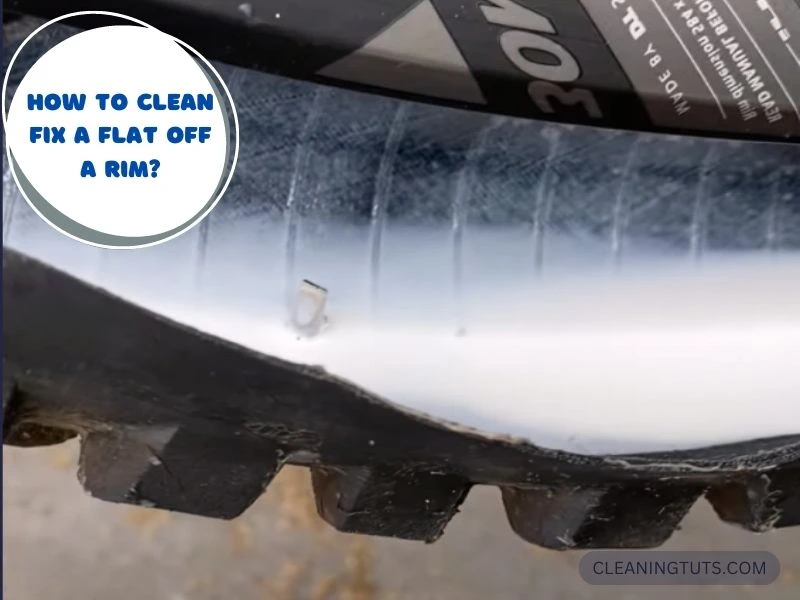
How to Clean Fix a Flat Off a Rim?

Fix-a-Flat is a aerosol tire inflator and sealant that uses a latex polymer compound activated by air and tire moisture to seal punctures up to 1/4 inch in diameter. When the can’s valve releases the contents into a flat tire, the propellant (typically dimethyl ether) forces the sealant into the puncture while the latex emulsifies on contact with air, forming a flexible rubber seal. The same properties that make it effective inside a tire make it aggressively adhesive on rim surfaces — the polymer cures to a foam that bonds tenaciously to aluminum, steel, and chrome finishes. Removing this cured latex foam requires a solvent-based approach to dissolve the polymer chain before scrubbing away the residue.
What You’ll Need
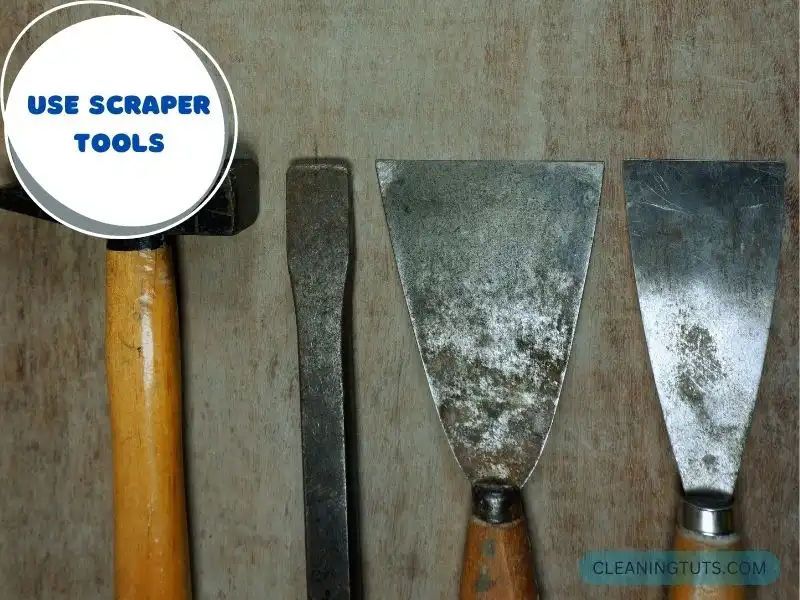
- Putty knife or plastic scraper (avoid metal scrapers on painted or coated rims)
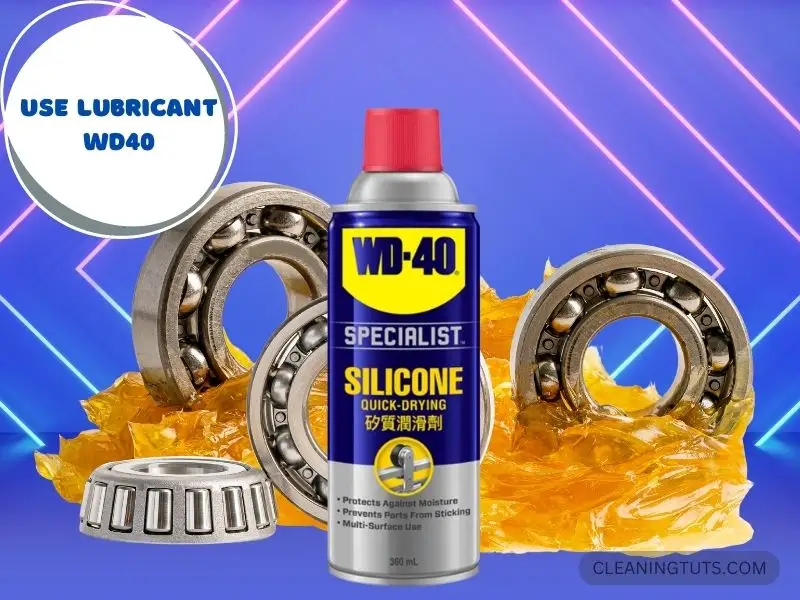
- WD-40 Specialist Bike Chain Degreaser or equivalent petroleum-based degreaser
- Brake cleaner (acetone-based, non-chlorinated)
- Isopropanol (90%+ concentration)
- Mineral spirits or paint thinner
- Wire brush or abrasive nylon pad (steel wool #0000 for chrome only)
- Microfiber towels
- Nitrile gloves
How to Clean Fix-a-Flat Off a Rim: Step-by-Step Methods
Step 1: Scrape Away Excess Sealant
Before applying any solvent, remove as much bulk material as possible with a putty knife or plastic scraper. Hold the blade at a 45-degree angle to the rim surface and work in one direction — do not saw back and forth, as this spreads the sealant further. For textured or multi-spoke rims, a trimmed business card or plastic dental pick accesses tight corners that a flat scraper misses. This step alone reduces cleanup time significantly because it removes the foam mass before solvents soften the remaining residue.
Step 2: Apply a Solvent to Dissolve the Residue
Once the bulk foam is removed, apply a solvent to break down the remaining latex polymer. The table below compares the most effective options based on chemical action and material safety.
| Method | Active Chemical | Effectiveness on Cured Latex | Aluminum Rim Safety | Chrome Rim Safety |
|---|---|---|---|---|
| Brake Cleaner (acetone-based) | Acetone (C3H6O) | Dissolves latex within 2–3 minutes | Use with caution — short contact only | Safe when rinsed promptly |
| Mineral Spirits | Petroleum distillates (C9–C12) | Softens latex; requires 5–10 minutes dwell | Safe | Safe |
| WD-40 Specialist Degreaser | Petroleum-based with surfactants | Effective on fresh sealant; less so on fully cured | Safe | Safe |
| Isopropanol (90%+) | Isopropyl alcohol (C3H8O) | Limited — works best as a final rinse | Safe | Safe |
| Dish soap + warm water | Anionic surfactants | Ineffective on cured foam alone | Safe | Safe |
Method A: Brake Cleaner and Acetone
Acetone-based brake cleaner is the most effective solvent for cured Fix-a-Flat because it breaks the latex polymer chain within 2–3 minutes of contact. Spray the affected rim area generously, allowing the acetone to penetrate the foam. Use a non-metallic scrub pad to agitate the dissolving residue, then rinse thoroughly with water. Acetone evaporates rapidly and leaves no residue, but its vapors are flammable — work in a well-ventilated area away from ignition sources.
On aluminum rims specifically, acetone can dull clear coat finishes if left to soak for extended periods. Limit contact to under 5 minutes and always rinse with water immediately after scrubbing. For painted or powder-coated rims, test on an inconspicuous area first.
Method B: Mineral Spirits
Mineral spirits (also called paint thinner) soften Fix-a-Flat residue without the aggressive drying action of acetone. Soak a rag in mineral spirits and apply it to the rim, letting it dwell for 5–10 minutes before scrubbing. This method is slower but safer for all rim finishes, including clear-coated alloy and painted steel. Wipe away dissolved residue with the rag, then rinse the rim with warm water and a pH-neutral car wash soap to remove any remaining oily film.
Method C: WD-40 Specialist Degreaser
WD-40 Specialist Bike Chain Degreaser (or any petroleum-based degreaser with surfactant additives) works well on fresh Fix-a-Flat residue that has not fully cured. Spray the degreaser directly onto the rim, let it sit for 3–5 minutes, then scrub with an abrasive pad using circular motions. The surfactants in the degreaser lift the latex particles from the metal surface while the petroleum carrier dissolves the polymer. For best results on rims with detailed spoke patterns, use a detailing brush to work the degreaser into hard-to-reach areas.
Step 3: Final Rinse and Inspect
After scrubbing with your chosen solvent, rinse the entire rim with warm water to remove any remaining chemical residue. Inspect all crevices — particularly the valve stem hole, the inner barrel, and behind each spoke — for any remaining foam. If residue persists, repeat the solvent application and scrubbing steps. Dry the rim completely with a microfiber towel to prevent water spots, especially on chrome finishes.
How Do You Remove Tire Sealant from Rims? Additional Techniques
If the methods above do not fully remove the sealant, these additional techniques address specific scenarios and rim types.
Using Silicone Spray
Silicone spray acts as a lubricant that loosens the bond between cured latex foam and metal surfaces without damaging clear coats or painted finishes. Spray the affected area, let it penetrate for 2–3 minutes, then rub with a textured (non-smooth) rag or foam applicator. The silicone carrier causes the latex to peel away in sheets rather than smearing. This method requires multiple applications for thick buildup but preserves delicate rim finishes.
Using Sandpaper for Stubborn Residue
For rim surfaces with hardened residue that resists all chemical methods, wet sanding with 800–1000 grit sandpaper removes the remaining foam without damaging the underlying metal. Wet the sandpaper and the rim surface, then rub gently in one direction. This method is a last resort and should never be used on chrome, clear-coated, or polished aluminum rims. It is suitable only for unfinished steel rims or areas where cosmetic damage is acceptable.
Dish Soap and Warm Water (Preventive Step)
Warm water mixed with an anionic dishwashing detergent (such as Dawn) has a pH of approximately 8.5–9.5 and helps break down the water-soluble fraction of liquid Fix-a-Flat before it cures. If you catch a Fix-a-Flat mess immediately after inflation, wiping the rim with hot soapy water within 15–30 minutes prevents the latex from fully polymerizing. This method is ineffective once the foam has cured (typically within 30–60 minutes of air exposure).
Does Fix-a-Flat Ruin Rims? What You Need to Know
Fix-a-Flat causes rim damage in two ways: the physical abrasion of cured foam against polished surfaces, and the chemical interaction between sealant additives and bare metal. The product contains a latex polymer, rubber particles, and propellants that leave a residue which, if not cleaned promptly, leads to pitting on bare aluminum and corrosion on exposed steel. The foam expands into every crevice of the rim, making complete removal labor-intensive.
Clear-coated or painted rims are generally safe from chemical damage if cleaned within 24 hours, but the mechanical adhesion of cured foam can scratch surfaces during removal. Chrome and polished aluminum rims are most vulnerable to both cosmetic scratching and chemical discoloration from prolonged sealant contact.
For these reasons, professional mechanics consider Fix-a-Flat a last-resort temporary repair. The National Highway Traffic Safety Administration (NHTSA) notes that aerosol tire sealants can interfere with tpms (tire pressure monitoring systems) and may void tire repair warranties. If a tire puncture is larger than 1/4 inch, or if the tire has a sidewall puncture, Fix-a-Flat should not be used at all.
Can You Remove Fix-a-Flat from a Tire? Yes — Here’s How
Fix-a-Flat inside a tire is water-soluble in its liquid state and becomes a cured foam upon curing. Removing it from the tire interior requires a different approach than rim cleaning. Thoroughly deflate and remove the tire from the rim, then spray the interior with an acetone-based brake cleaner or mineral spirits to dissolve the cured foam lining the inner barrel. Allow 5–10 minutes of dwell time, then use a tire brush to scrub the entire inner surface. Rinse with water and allow the tire to dry completely before reinflating or applying a proper tire patch.
It is critical to remove all residual latex from the inner liner before patching or plugging the puncture, because leftover sealant interferes with the vulcanization bond of a proper tire repair. After cleaning, inspect the inner liner for any signs of pitting or degradation caused by the sealant chemicals.
Can You Use Fix-a-Flat More Than Once?
No. Each Fix-a-Flat can is designed as a single-use product that delivers the full contents into one tire. The can valve does not reseal, and the sealant-to-propellant ratio is calibrated for one tire — using half in one tire and half in another delivers an ineffective amount of both sealant and inflation pressure. The product label explicitly states it is for emergency temporary repair only and is not a substitute for professional tire repair.
Furthermore, using Fix-a-Flat in multiple tires from the same can cross-contaminates the sealant with debris from the first tire’s puncture, reducing sealing effectiveness and potentially causing chemical reactions inside the second tire. If you experience multiple flat tires, address each puncture with a fresh can or, preferably, with a proper tire plug or patch from a professional.
Is the Removal Process Different for Rims vs. Tires?
Yes. Rim cleaning uses aggressive solvents applied directly to the metal surface, while tire interior cleaning requires thorough rinsing to prevent chemical residue from contacting the rubber inner liner during reinflation. The same chemical principles apply — acetone and mineral spirits dissolve cured latex foam on both surfaces — but the objective differs: on rims, you are restoring a cosmetic surface; inside the tire, you are preparing a bonding surface for a permanent repair.
For rim-only cleanup after a temporary Fix-a-Flat inflation, the tire does not need to be removed. Work from the outside of the rim, applying solvent to the visible foam and scrubbing with an abrasive pad. For thorough tire repair, always remove the tire from the rim to access the inner liner completely.
Safety Precautions When Removing Fix-a-Flat
- Wear nitrile gloves — Fix-a-Flat residue and all solvents discussed are skin irritants. Acetone and mineral spirits in particular defat the skin with prolonged contact.
- Work in a ventilated area — Acetone vapors reach explosive concentrations between 2.5% and 12.8% by volume in air. Always work outdoors or in a garage with open doors.
- Keep away from ignition sources — Do not smoke or use the brake cleaner near open flames, heaters, or sparks. Acetone ignites at 465°C (869°F).
- Protect your eyes — Use safety glasses or goggles when scrubbing, as debris can spray during cleaning.
- Test on hidden areas first — Always test acetone or brake cleaner on an inconspicuous section of the rim before applying to the entire surface.
- Dispose of solvent-soaked rags properly — Acetone- and mineral spirit-soaked rags are a fire hazard. Lay them flat to dry outdoors or store in a sealed metal container until disposal.
Conclusion
Cleaning Fix-a-Flat off a rim requires dissolving the cured latex polymer with an appropriate solvent — acetone-based brake cleaner for fastest results, mineral spirits for a slower but safer approach, or WD-40 degreaser for fresh residue. Always scrape bulk foam first, protect yourself with gloves and eye protection, and test solvents on hidden rim areas before full application. Prompt cleaning within 24 hours of a Fix-a-Flat inflation prevents permanent pitting on aluminum and corrosion on steel, preserving your rims’ appearance and structural integrity.
The methods in this guide work for aluminum, steel, chrome, and clear-coated rims when applied with appropriate dwell times and rinsing. For fully cured foam that resists all chemical methods, wet sanding with 800–1000 grit is a last resort. If you find yourself repeatedly dealing with tire punctures, consider investing in a proper tire repair kit or visiting a professional — Fix-a-Flat is an emergency measure only.
References
- National Highway Traffic Safety Administration (NHTSA). Tire Repair and Replacement Guidelines. nhtsa.gov
- U.S. Environmental Protection Agency (EPA). (2024). Selected Best Practices for Tire Repair. epa.gov
- International Tire and Rubber Association (ITRA). Tire Sealant Standards and Performance Guidelines. itra.org
- Acetone Safety Data Sheet (SDS). (2023). Sigma-Aldrich / Merck Group. cdc.gov/niosh
- National Institute for Occupational Safety and Health (NIOSH). (2022). Guidelines for Safe Handling of Aerosol Tire Sealants. cdc.gov/niosh

