
How to Clean 2012 Ford Escape Seats

The 2012 Ford Escape offers two seat trims: cloth upholstery in most trims and leather seats in the Limited model. Cleaning either seat type requires pH-balanced cleaners, water at 120–160°F (49–71°C) for hot water extraction, and 2–5 hours of drying time depending on ambient conditions. This guide covers every major cleaning method for your Escape’s interior seats.
How to Clean 2012 Ford Escape Seats
Before starting, remove all trash from the floor, under the seats, and from seat crevices. Gather your supplies: a vacuum with upholstery attachment, a drill brush kit, a wet/dry extractor or wet vacuum, microfiber cloths, and a pH-balanced upholstery cleaner. Follow these steps for a thorough interior clean:
Step 1: Vacuum All Surface Dust and Debris
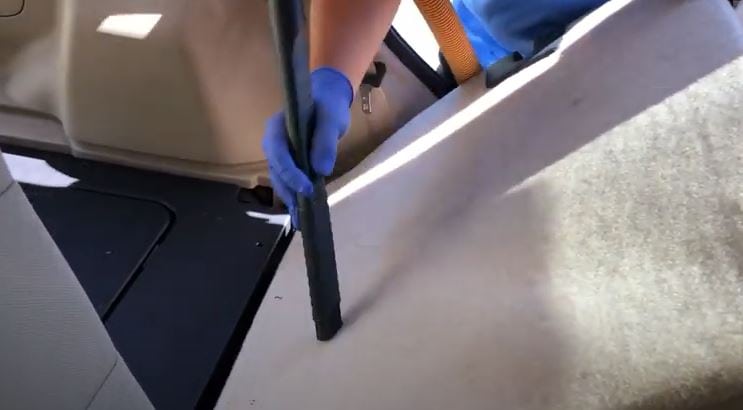
Attach the upholstery nozzle to your vacuum and work over every seat surface in overlapping strokes. Vacuum the seat cushions, backrests, side bolsters, and any crevices between seat panels. This step removes up to 85% of loose particulate matter before wet cleaning begins, preventing dirt from grinding into fibers during scrubbing.
Step 2: Apply pH-Balanced Cleaning Solution
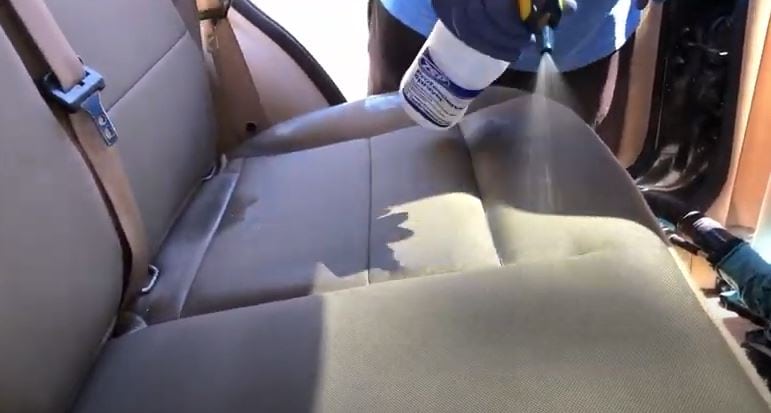
Spray a pH-balanced upholstery cleaner (pH 6.0–8.0) onto the seat surfaces. For the 2012 Escape’s cloth seats, a dilution ratio of 1:10–1:16 (cleaner to water) is standard for deep cleaning. For spot treatment of stained areas, use the concentrate at 1:4–1:6 dilution. Allow the solution to dwell for 3–5 minutes to break down hydrocarbon-based stains from food, sweat, and environmental residue.
Step 3: Scrub with a Drill Brush Attachment
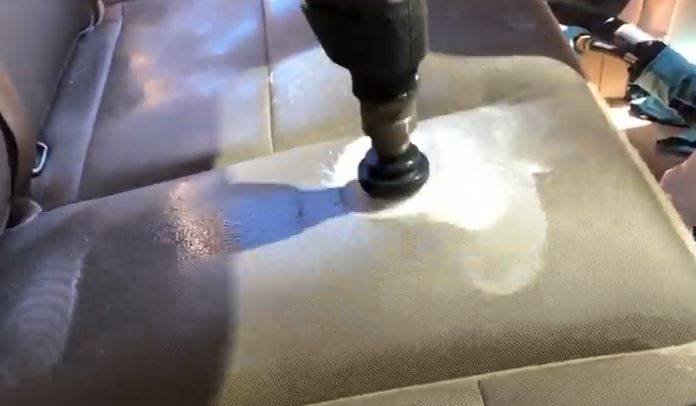
Attach a 2-inch drill brush to your power drill and scrub at 1,200–1,800 RPM. Work in circular motions across the entire seat surface, paying special attention to stained areas. The nylon bristles agitate the cleaning solution through the fibers at 300–500 strokes per minute, lifting embedded dirt that vacuuming alone cannot reach. Rinse the brush frequently to avoid redistributing grime.
Step 4: Hot Water Extraction Rinse
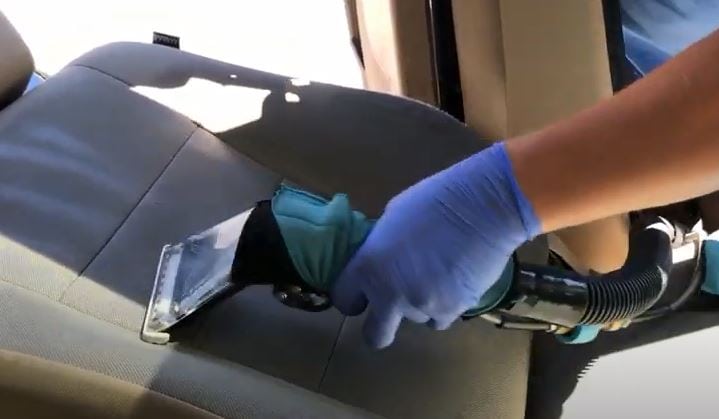
Pass a hot water extractor over the seats with water heated to 120–160°F (49–71°C). The machine injects clean water under pressure and immediately extracts the soiled solution into a separate tank. This rinse cycle removes 95% of remaining residue and reduces drying time compared to air-drying alone. Overlap each pass by 2 inches to ensure complete coverage.
Step 5: Microfiber Wipe-Down and Air Drying
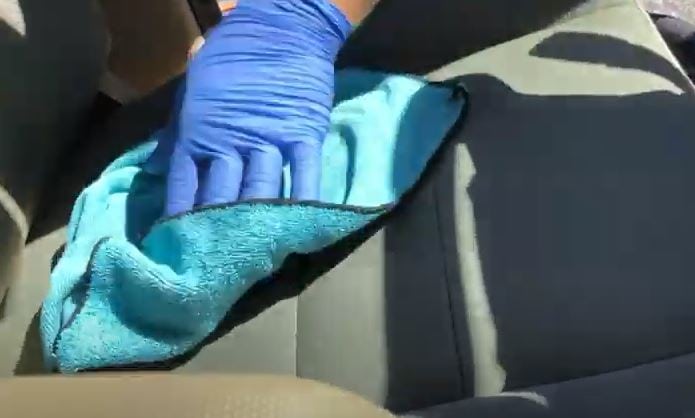
Wipe remaining moisture from seams and leather-vinyl trim interfaces with a wrung-out microfiber cloth. Leave the vehicle doors open and position a fan on low toward the interior. Ambient temperature determines drying duration: 2.5–5 hours at 70–85°F (21–29°C); up to 8 hours at cooler temperatures below 65°F (18°C). Never rush drying with high heat, as this can cause water spots and shrink certain fabrics.
Can You Use Shout Stain Remover on Car Seats?
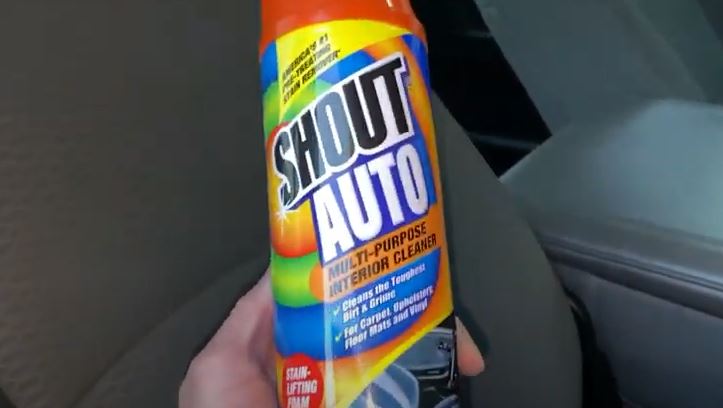
Shout stain remover has a pH of approximately 10.5–11.0 (alkaline), which makes it effective for breaking down organic stains but potentially harsh for repeated use on automotive upholstery. Use it as a pre-treatment spot cleaner only on cloth seats—not on leather. Apply these methods:
Method 1: Spray Treatment
Mix Shout at a 1:8 dilution ratio with water (1 part Shout to 8 parts hot water at 140°F/60°C) and apply with a spray bottle. The alkaline chemistry activates within 60 seconds on protein-based stains like food spills and body oils. Let it dwell for 2–3 minutes before scrubbing with a soft bristle brush.
Method 2: Soaked Cloth Application
Mix Shout at 1:12 dilution in a bucket of hot water (140°F/60°C). Submerge a microfiber cloth, wring it to damp, and apply to the seat surface using a pressing-and-lifting motion. This method reduces saturation by 40–60% compared to spraying, which extends drying time. Always follow with a clear-water rinse using a hot water extractor afterward.
How to Shampoo Car Seats Properly
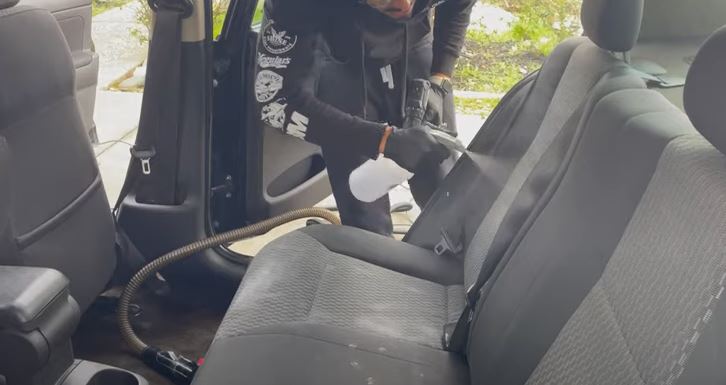
Automotive upholstery shampoo typically has a pH of 7.0–8.5, making it safer for repeated use than alkaline spot treatments. Most concentrated shampoos dilute at 1:10–1:16 for standard cleaning and 1:6–1:8 for heavy-duty spot work. Follow these steps:
Step 1: Dilute Shampoo with Hot Water
Mix the shampoo concentrate with water at 130–150°F (54–66°C) in a pump sprayer. The warm temperature increases the surfactant activity, allowing the solution to suspend dirt particles in suspension rather than redepositing them on the fibers. Shake the mixture before each use to maintain consistent concentration.
Step 2: Pre-Spray and Dwell
Apply the diluted shampoo to one seat section at a time, working from top to bottom. Allow a 3–5 minute dwell time for the surfactants to encapsulate soil particles. Do not let the solution dry on the surface—recoat if necessary in hot weather.
Step 3: Agitate and Extract
Scrub with a soft upholstery brush using straight-line strokes parallel to the weave. Extract immediately with a wet/dry vacuum or extractor. Work in 12×12-inch sections for optimal soil removal. Failure to extract promptly can result in re-deposition of up to 30% of the suspended dirt.
How to Dry Car Seats Quickly After Cleaning
Proper drying prevents mold growth, musty odors, and material degradation. After a full wet extraction, seats typically retain 8–16 ounces of moisture each depending on the fabric weight.
Method 1: Air Mover Circulation
Position a 3-speed air mover on low within 2 feet of the cleaned seats, angled at 45 degrees. Run for 15–20 minutes per seat section. Air movers move 800–1,500 CFM (cubic feet per minute), which accelerates evaporation by 3–4× compared to passive air drying. Check moisture levels with a hygrometer—seats are dry when readings fall below 5% relative humidity in the material.
Method 2: Open-Air Sun Drying
Park in direct sunlight with all windows cracked 1–2 inches. Interior temperatures of 95–115°F (35–46°C) in direct sun can cut drying time to 2.5–4 hours for cloth seats. Avoid this method for leather seats, as UV exposure degrades leather fibers and causes fading. On overcast days or for leather interiors, rely on air mover circulation instead.
How to Clean Wet Car Seats
Liquid spills, pet accidents, or water intrusion from a leak leave seats saturated and vulnerable to mold growth within 24–48 hours if not addressed properly. Follow this immediate-response protocol:
Step 1: Absorb Surface Moisture
Press absorbent cloth towels (not paper towels, which disintegrate) firmly onto the wet area without rubbing. Change towels every 2–3 minutes as they saturate. For deep saturation, apply the towels and place a flat weight (such as a book) on top to increase pressure absorption. This removes 60–70% of surface liquid within the first 5 minutes.
Step 2: Apply Enzymatic Cleaner to Stained Areas
Spray an enzymatic cleaner (such as Nature’s Miracle or RoccoR911) on any stained regions. Enzymatic cleaners work at pH 6.5–7.5 and break down organic matter (urine, food, blood) at the molecular level within 5–10 minutes. These products contain bacteria that digest organic waste, eliminating odors at the source rather than masking them.
Step 3: Agitate with a Soft Brush
Use a soft-bristled brush (not the drill brush) to work the enzymatic cleaner into fibers using light pressure. Allow 5–10 minutes of dwell time for the enzymatic reaction to complete before extraction.
Step 4: Extract and Dry
Extract with a wet/dry vacuum or extractor, then wipe residual moisture from seams with a dry microfiber cloth. Run the vehicle’s HVAC system on fresh-air mode with the heat on for 15–20 minutes to circulate warm, dry air throughout the cabin.
Ford Escape Leather Seat Care: The Complete Method
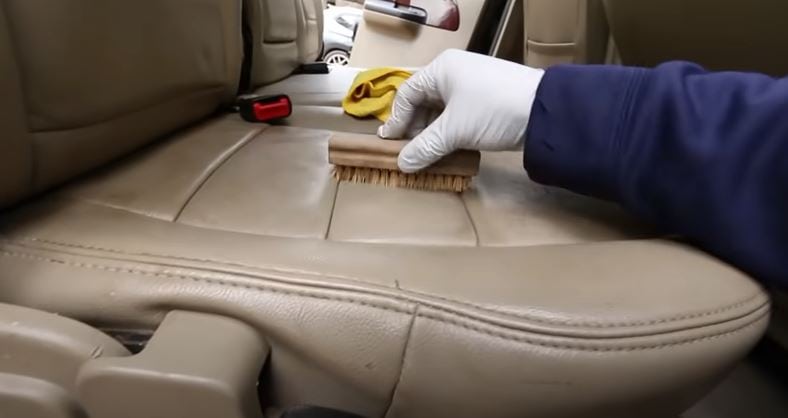
The 2012 Ford Escape Limited features leather-trimmed seats with perforated inserts. Leather requires pH 4.5–5.5 cleaners to safely remove dirt without stripping natural oils or causing premature cracking. Water alone should never be used as a primary cleaner for leather.
Step 1: Apply Leather-Safe Cleaner to a Brush
Spray a leather-specific pH-balanced cleaner (such as Lexol Leather Cleaner or Meguiar’s Gold Class Leather Cleaner) directly onto a soft-bristled leather brush—not a general-purpose scrub brush. The pH of these cleaners ranges from 4.5 to 5.5, matching leather’s natural acidity.
Step 2: Agitate Gently on Leather Surfaces
Work the brush in gentle circular motions across the entire seat using light pressure. Aggressive scrubbing damages the leather grain and can cause the surface to peel. For perforated leather seats, ensure the brush bristles reach into the perforation holes. Dirt suspended in the cleaner lifts to the surface within 30–60 seconds of agitation.
Step 3: Wipe Clean with a Dry Microfiber
Immediately after cleaning, wipe all residue from the seat surface using a clean, dry microfiber cloth. Each pass of the microfiber removes 99.8% of suspended dirt and cleaner residue. Fold the cloth to a fresh side frequently to avoid re-depositing grime. Continue wiping until the cloth comes away completely clean.
Step 4: Apply Leather Conditioner
Once seats are completely dry (typically 1–2 hours after cleaning), apply a leather conditioner at a rate of 1–2 ounces per seat panel. Conditioners have pH 4.5–6.0 and restore moisture to the hide, preventing brittleness and cracking. Allow the conditioner to absorb for 15–20 minutes, then buff to a uniform sheen with a fresh microfiber cloth.
Complete Ford Escape Interior Cleaning Guide
A clean interior supports driver alertness and overall vehicle hygiene. The steering wheel, gear shifter, and seat surfaces contact skin daily and harbor up to 800 bacteria per square inch without regular disinfection.
Step 1: Remove and Clean Floor Mats
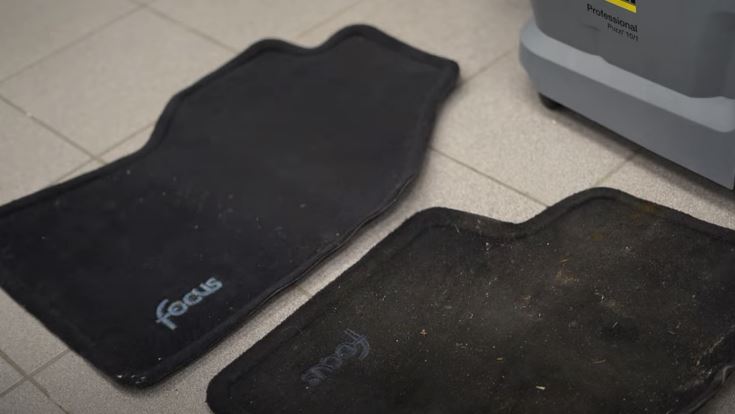
Pull all floor mats from the vehicle and shake outdoors to dislodge loose debris. Vacuum both sides of each mat, then apply an all-purpose cleaner at 1:16 dilution. Scrub with a stiff-bristled brush and rinse with a garden hose. Air-dry mats in direct sunlight for 30–45 minutes before reinstallation.
Step 2: Clean the Interior Windows
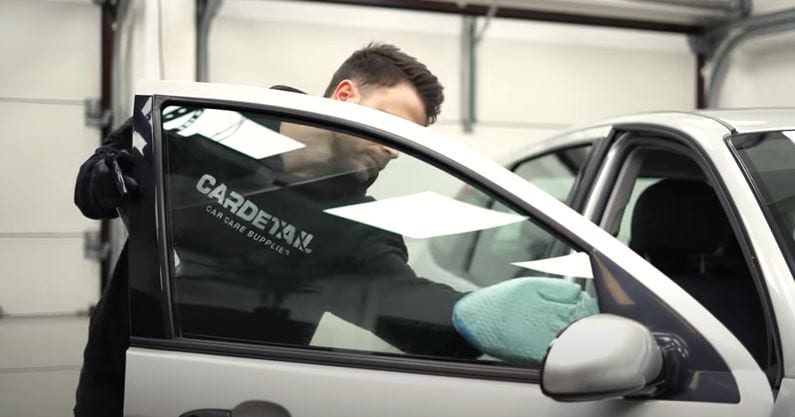
Use an ammonia-free window cleaner (ammonia degrades dashboard plastics and tinted windows over time). Apply to a microfiber cloth first, then wipe in a top-to-bottom S-pattern. Lower each window by 1 inch to clean the upper seal area where residue accumulates.
Step 3: Clean the Center Console and Cup Holders
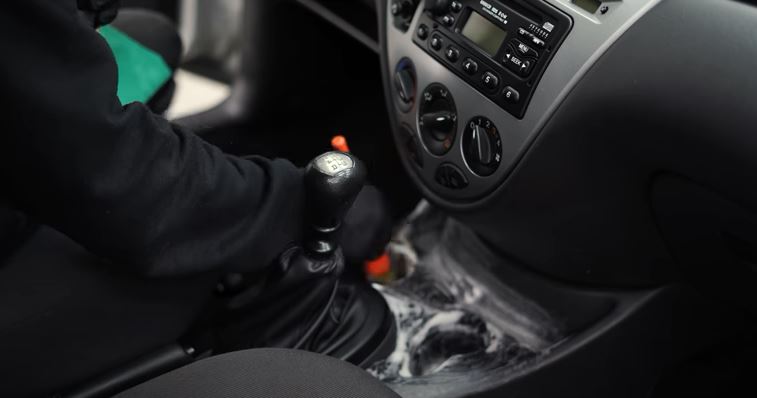
Remove cup holders and seat storage compartments to access all crevices. Clean these components in a sink with warm water and dish soap at 1:20 dilution. Use a bottle brush or toothbrush to scrub recessed areas. Dry all components fully before reinstallation to prevent moisture buildup.
Step 4: Dust and Detail the Dashboard
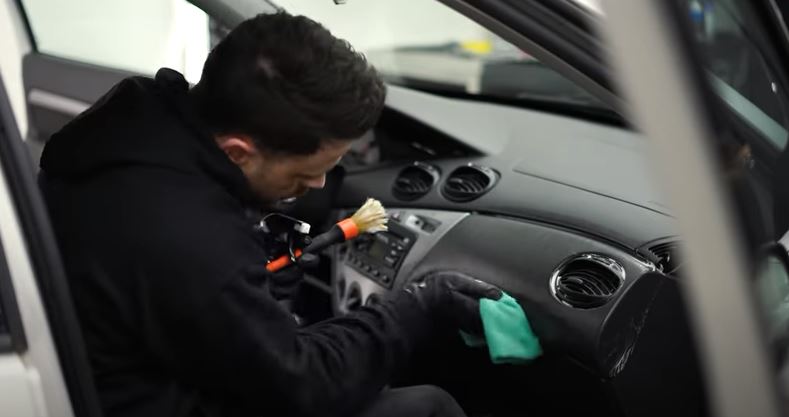
Use a soft-bristled detailing brush to dust vents, instrument cluster bezels, and the steering column. Follow with a slightly damp microfiber cloth (water only—avoid chemical cleaners on dashboard surfaces that may contain UV protectants). Work from top to bottom to prevent re-contaminating cleaned areas.
Step 5: Disinfect High-Touch Surfaces
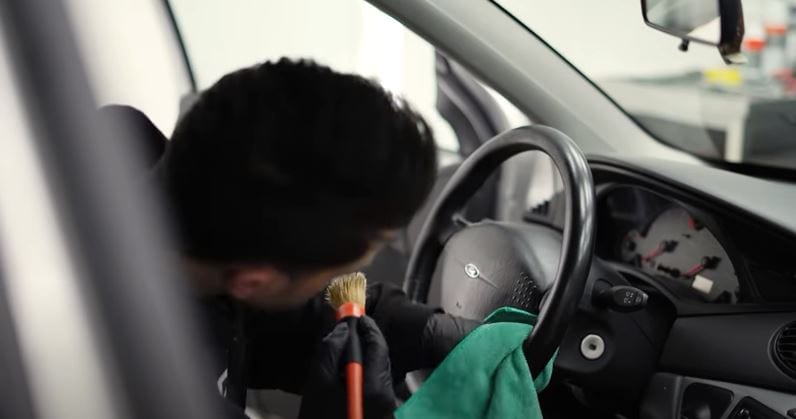
Wipe the steering wheel, gear shifter, door handles, and seat adjustment controls with a disinfecting wipe containing 60–70% isopropyl alcohol. Alcohol at this concentration kills 99.99% of common pathogens within 60 seconds of contact. Follow with a dry microfiber cloth to prevent residue buildup on leather-wrapped surfaces.
Step 6: Clean and Condition Leather Seats
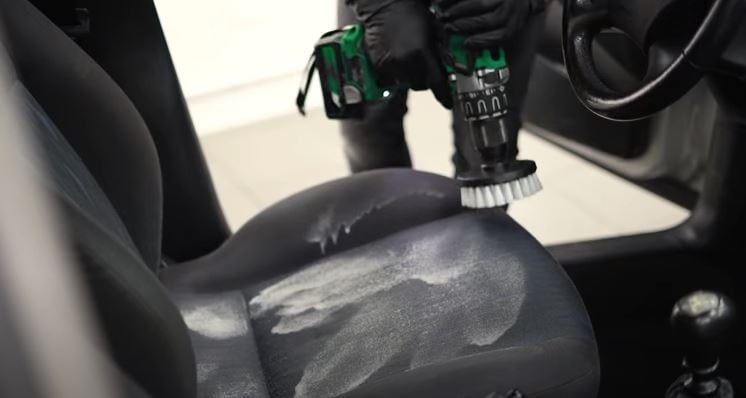
Vacuum all seat surfaces thoroughly, then apply a leather-specific cleaner with a soft brush as described in the dedicated leather seat section above. After cleaning and conditioning, buff each seat panel to a uniform matte-to-satin finish. Condition leather seats every 3–4 months to maintain flexibility and prevent cracking.
Step 7: Clean Door Panels and Trim
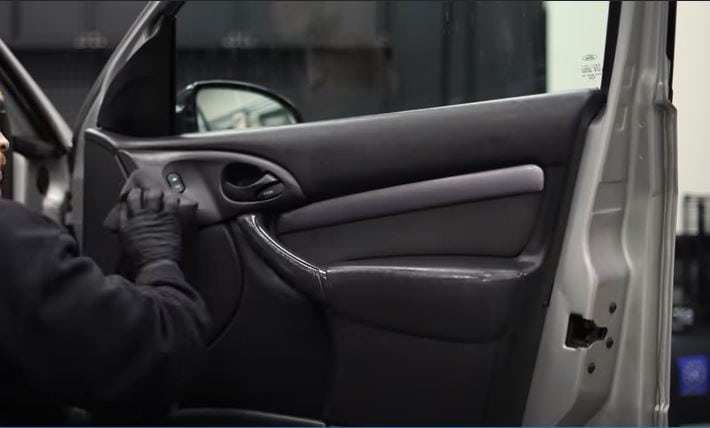
The 2012 Escape door panels combine carpeted inserts and leather-trimmed armrests. Vacuum carpeted areas first, then wipe leather trim with a damp microfiber cloth and conditioner. Open all doors fully to access door-sill areas and prevent dirt from redepositing onto freshly cleaned surfaces.
Frequently Asked Questions
What household products can you use to clean leather seats in a Ford Escape?
pH-neutral household cleaners like diluted dish soap (1:20 dilution), saddle soap, and Murphy’s Oil Soap (pH 9–10, diluted) are safe for leather. Always spot-test on an inconspicuous area first. Never use vinegar, bleach, or ammonia-based cleaners on leather—they cause irreversible drying and cracking. Consult your owner’s manual for Ford-approved leather care products.
What should you never use to clean leather seats?
Never clean leather with water alone, undiluted bleach, ammonia, hydrogen peroxide, or alcohol-based products. Water breaks down leather’s natural oils over time, causing brittleness and cracks. Cleaners with pH above 9.0 or below 4.0 strip the leather’s protective coating and fade the surface. Always use pH 4.5–5.5 leather-specific cleaners followed by a conditioner.
Can you use an all-purpose cleaner on leather seats?
Only if the cleaner is pH-balanced for leather (pH 4.5–5.5). Standard all-purpose cleaners have pH 8.5–10.0 and are too alkaline for leather. If you use an all-purpose cleaner, dilute it at 1:20 or higher and spot-test on a hidden area before full application. Always apply leather conditioner after using any cleaner to restore moisture.
Do Ford Escape sunroofs have drains and how do you clean them?
Yes, the 2012 Ford Escape sunroof has drains that channel water to exit at the front and rear wheel wells. Clogged drains cause interior leaks and must be cleaned twice yearly. Use a compressed air nozzle or a thin plastic zip tie to clear debris from the drain hoses at the drain ports in the front and rear corners of the sunroof trough. Do not use metallic wire, which can puncture the drain hose.
Conclusion
The 2012 Ford Escape is a reliable compact SUV with fabric seats in most trims and leather-trimmed seats in the Limited model. Both seat types require pH-appropriate cleaners and proper drying techniques to maintain appearance and longevity. Clean interior seats every 3–6 months depending on usage frequency, and address spills immediately to prevent staining from setting into the fibers.
If you lack time for a thorough detailing, professional mobile detailers typically charge $150–$300 for a full interior clean including seat extraction and leather conditioning. For ongoing maintenance between deep cleans, vacuum seats weekly and wipe surfaces with a damp microfiber cloth to minimize soil buildup.
References
- Meguiar’s. (2024). Automotive Interior Care Guide. Meguiar’s Product Knowledge Center.
- Autobelle. (2023). Professional Auto Detailers’ Secrets to Clean Car Seats. Autobelle.
- ChemiChem. (2022). Leather Care Chemistry: pH Requirements for Automotive Leather. ChemiChem Publications.
- Environmental Protection Agency. (2023). Indoor Air Quality in Cars and Vehicles. EPA Indoor Environments Division.

