
How to Clean Rust Out of a Radiator?

A radiator spreads the engine’s heat into the air and prevents the engine from seizing. During operation, heated metal and evaporating coolant water react and form rust buildup inside the cooling system. Cleaning rust out of a radiator requires flushing with a rust-removing flusher—typically containing tri-sodium citrate—followed by a distilled water rinse and fresh coolant refill. This DIY process restores cooling efficiency and prevents engine overheating, which is the leading cause of engine seizure.
Flushing your vehicle’s radiator with a citrate-based rust-removing flusher completely dissolves rust deposits and restores cooling system efficiency within 30 minutes of operation.
Radiator rust removal is a straightforward DIY job for cars, motorcycles, ships, and generators with gasoline engines. This guide covers the complete flushing process, external cleaning, and maintenance intervals to keep your cooling system performing optimally.
Can You Clean a Rusty Radiator?
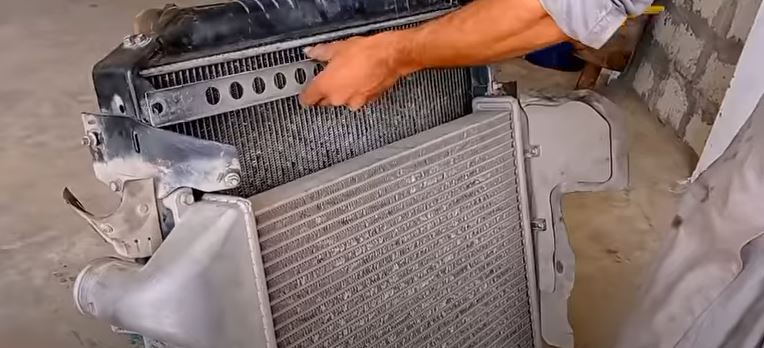
Yes, you can clean a rusty radiator yourself with basic tools: a spanner, wrench, and screwdriver set. If rusty coolant still circulates, a complete flush with radiator flusher restores the system to working condition. Before starting, consult your vehicle’s manual for the correct coolant type and capacity specifications.
How Does a Radiator Work?
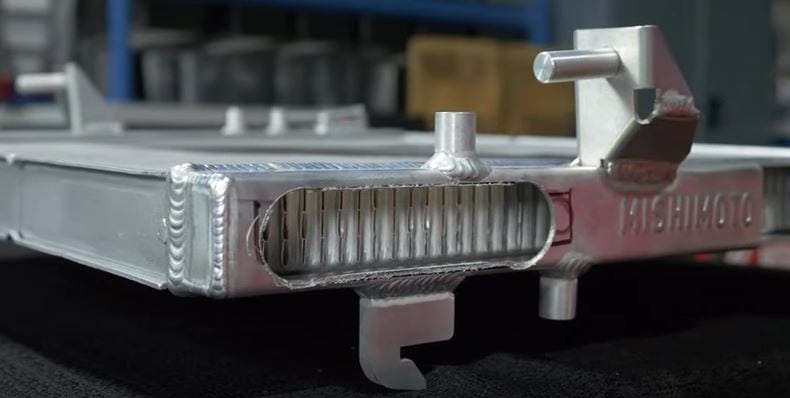
When the engine starts, a water pump circulates antifreeze (coolant) throughout the engine block and into the radiator. The coolant absorbs heat and travels through microchannels in the radiator core at pressures ranging from 4 to 30 psi (30 to 200 kPa), with modern systems typically operating near 15 psi. Heat dissipates as air flows across the radiator fins, and the cooled coolant returns to the engine. This cycle maintains optimal engine temperature between 180°F and 220°F (82°C and 104°C).
Modern radiators use aluminum cores with plastic headers, replacing older brass/copper construction to reduce weight and improve heat transfer. Honeycomb tube designs maximize surface area for efficient cooling.
How Does Rust Form in a Radiator?
Rust forms through an electrochemical reaction when heated metal surfaces contact aerated coolant water. Evaporated coolant concentrates corrosive minerals and oxygen at the coolant-air interface, accelerating oxidation on internal surfaces. Sludge buildup—a black mud-like mixture of corrosion byproducts—accumulates in low-flow areas of the cooling system.
Severe rust buildup narrows or blocks the radiator’s microchannels, restricting coolant flow and causing heat buildup. The engine’s operating temperature rises 15-30°F above normal, triggering the temperature warning light. Prolonged overheating causes head gasket failure, warped cylinder heads, and eventually complete engine seizure.
How Does Radiator Flusher Work?
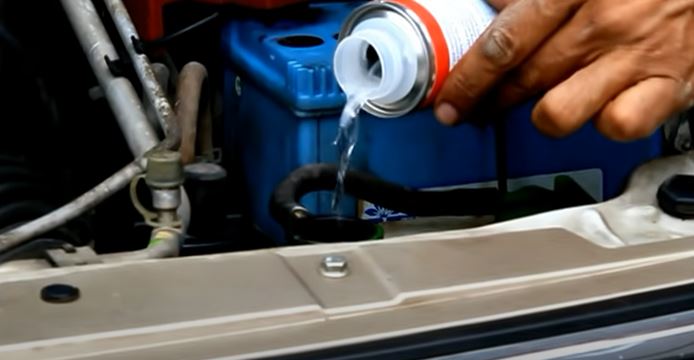
The active component in most radiator flushers is tri-sodium citrate (TSC), which acts as a chelating agent. When dissolved in coolant, TSC adjusts the solution pH to approximately 9.0-10.5, converting rust (iron oxide) into soluble iron citrate complexes that flush away with the old coolant.
Secondary active ingredients include sodium-formate and sodium-acetate, which provide additional buffering capacity and corrosion inhibition. Overuse of flushers can deplete corrosion inhibitors in aluminum components, so always follow the product’s specified concentration and engine runtime guidelines.
What is Coolant or Antifreeze?
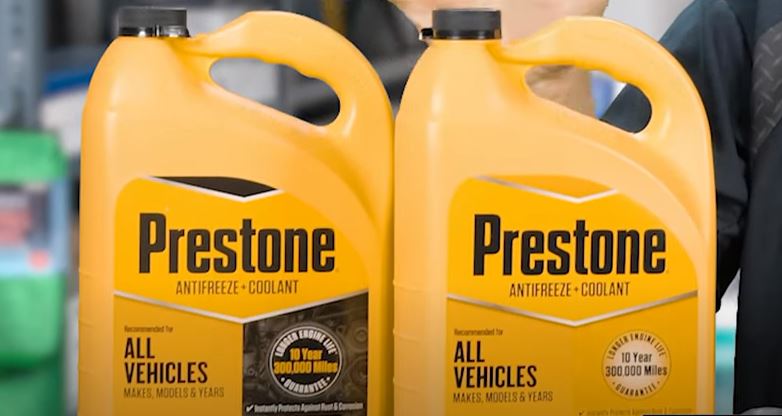
Coolant (antifreeze) is a water-based liquid—typically ethylene glycol or propylene glycol—containing corrosion inhibitors, dyes, and additives. Pure ethylene glycol freezes at 12°F (-11°C) and boils at 388°F (198°C), but mixing 50/50 with distilled water lowers the freezing point to -35°F (-37°C) and raises the boiling point to 223°F (106°C) in a pressurized system.
Coolant degrades over 2-3 years as corrosion inhibitors deplete and glycol breaks down into acidic byproducts. The EPA recommends recycling used coolant at certified facilities—improper disposal contaminates groundwater.
How to Clean a Rusty Radiator: Complete Guide

A rusty radiator loses heat-transfer efficiency, causing the engine to overheat 15-30°F above its normal operating range. Check coolant condition every six months by inspecting the reservoir—brown or rusty coolant indicates cleaning is needed.
Manufacturers recommend external fin cleaning once per year and a complete flush with fresh coolant every 30,000 miles (or 5 years, whichever comes first) to maintain cooling system efficiency.
Always perform radiator work on a cold engine—the system pressurizes to 15 psi at operating temperature, and opening the radiator cap while hot causes dangerous coolant spray.
Radiator Components Requiring Cleaning
Rust and sludge accumulate throughout the entire cooling system. Target these components during cleaning:
- Radiator core — Microchannels where coolant circulates and heat transfers to air
- Radiator reservoir — Expansion tank that accommodates coolant thermal expansion
- Radiator fins — External fins that dissipate heat into the airflow
- Engine block passages — Internal waterways where coolant absorbs heat
- Heater core — Small radiator in the cabin that provides interior heat
Materials Required for Radiator Rust Removal
Gather these supplies before starting the flush:
| Material | Purpose | Quantity |
|---|---|---|
| Radiator flusher (liquid, powder, or pressure-based) | Dissolves rust and sludge via chelation | As directed on product label |
| Distilled water | Prevents mineral deposits during rinse | 2-3 gallons |
| Fresh coolant/antifreeze | Replaces flushed coolant with correct type | As specified in owner’s manual |
| Washing shampoo | External fin cleaning | 2-3 oz per gallon |
| Drain pan (2+ gallon capacity) | Captures old coolant safely | 1 |
| Basic wrench set | Removing drain plugs | Metric and SAE |
Three types of radiator flushers are available:
- Liquid flushers — Pre-dissolved, ready-to-use; ideal for mild buildup
- Powder solutions — Concentrated, mixed with water; effective for moderate to severe rust
- Pressure-based flushers — Uses compressed air for forced circulation; best for professional use
Step-by-Step Radiator Flushing Process
Radiator flushing removes internal rust and buildup; external cleaning removes debris from fins. Perform both for a complete cooling system restoration.
Radiator Flushing: Internal Cleaning

Step 1: Pre-Flush Preparation
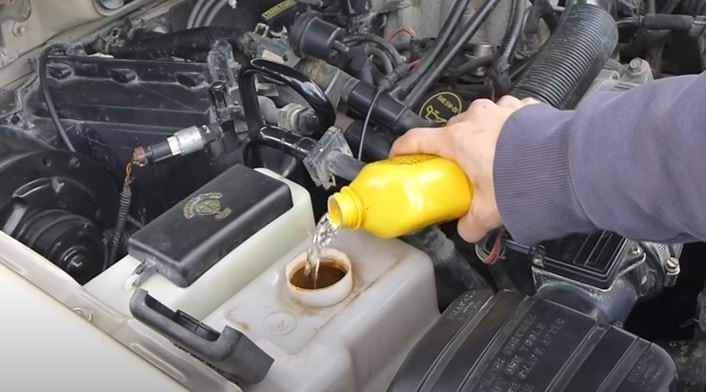
Add the radiator flusher to the reservoir according to product directions. Drive the vehicle 100+ miles to allow the chelating agent to penetrate and loosen rust deposits. This pre-flush stage converts solid rust into flushable compounds.
Step 2: Drain the Coolant System
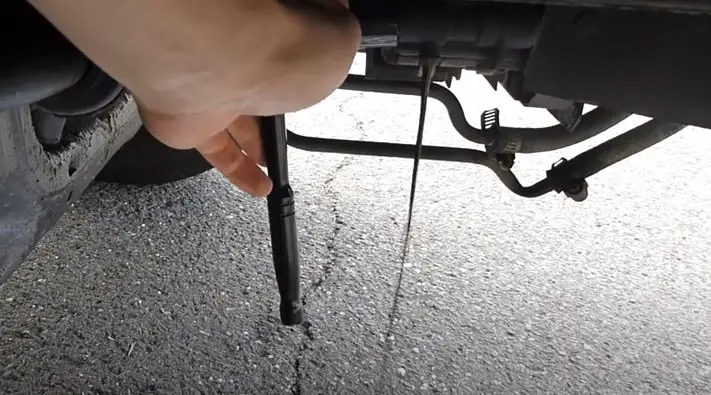
Park on level ground and engage the emergency brake. Run the engine with the heater at full heat for 5 minutes to warm the coolant, then shut off the engine. Place a 2+ gallon drain pan beneath the radiator and locate the petcock (drain valve) at the radiator bottom.
Open the radiator cap and the petcock simultaneously. Allow all coolant to drain—this typically takes 10-15 minutes. Tighten the petcock and dispose of old coolant at a certified recycling center.
Step 3: Fill with Flusher Solution
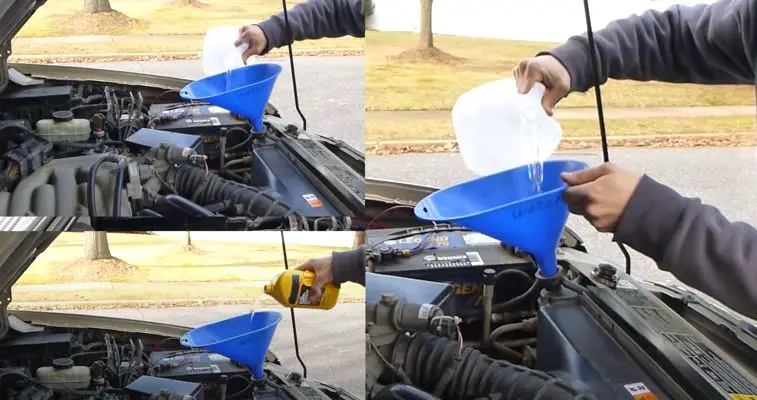
Close the petcock and fill the radiator and reservoir with the flusher mixed with distilled water according to product specifications. Typically, this means filling to the “MAX” line on the reservoir with the engine cold.
Step 4: Super Flush Operation
Start the engine and set the heater controls to maximum heat (or air conditioning on maximum for some vehicles). Run the engine for the time specified in the flusher manual—typically 15-30 minutes. The heated solution activates the chelation process, dissolving rust into suspendable compounds.
Step 5: Drain the Flush Solution
Allow the engine to cool completely (1-2 hours) before opening the drain. This prevents burns from hot coolant. Reopen the petcock and drain the flushed solution into your collection pan.
Step 6: Distilled Water Rinse

Fill the system with plain distilled water only—tap water contains minerals that leave deposits. Run the engine with heater at full heat for 15-20 minutes. This removes residual flushing compounds. Drain and repeat the rinse if flush residue is visible.
Step 7: Fill with Fresh Coolant
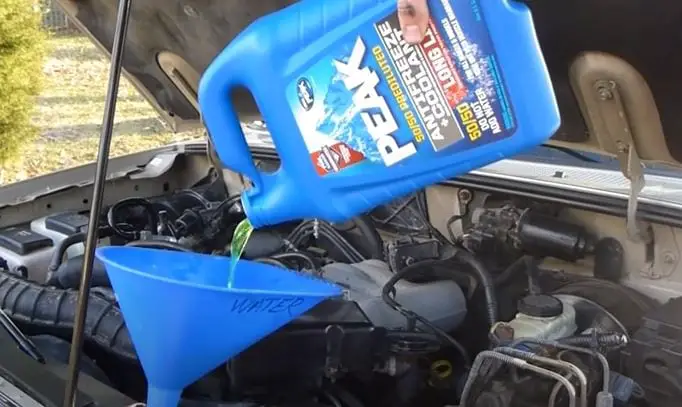
Consult your owner’s manual for the correct coolant type (conventional green, extended-life orange, or hybrid organic acid technology). Mix coolant concentrate with distilled water at a 50/50 ratio for year-round protection from -35°F to 223°F. Fill to the “MAX” mark on the reservoir.
Some vehicles require 60/40 coolant-to-water ratio for maximum freeze protection. Check your manual—incorrect concentration damages seals and causes corrosion.
Step 8: Test Run and Leak Check
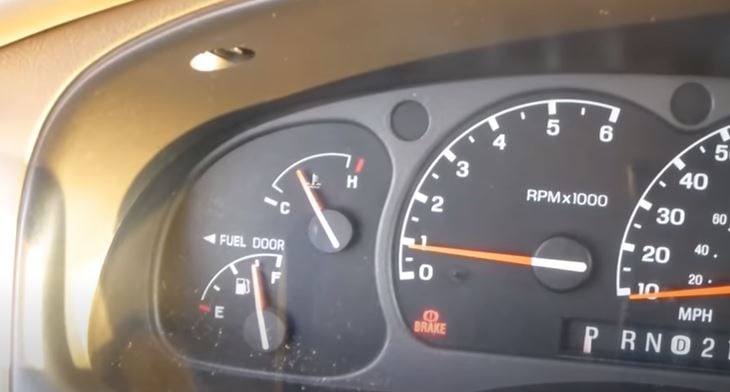
Start the engine and watch the temperature gauge—it should reach operating range within 10-15 minutes and stabilize below the red zone. Inspect all connections and the petcock for leaks. After one week, check the coolant level and concentration with a refractometer; top off if needed.
Radiator External Cleaning
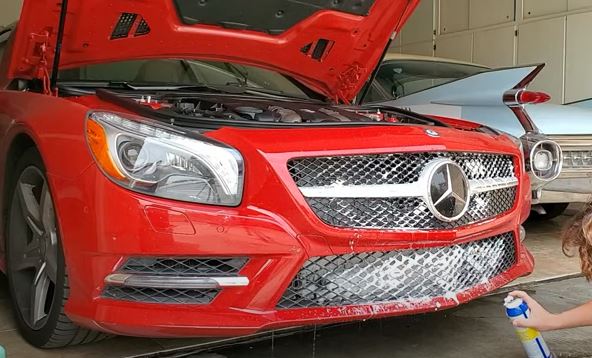
Clean the radiator’s external fins while the engine is cool and the system is drained or protected by cardboard to prevent water entry.
Cleaning Radiator Fins
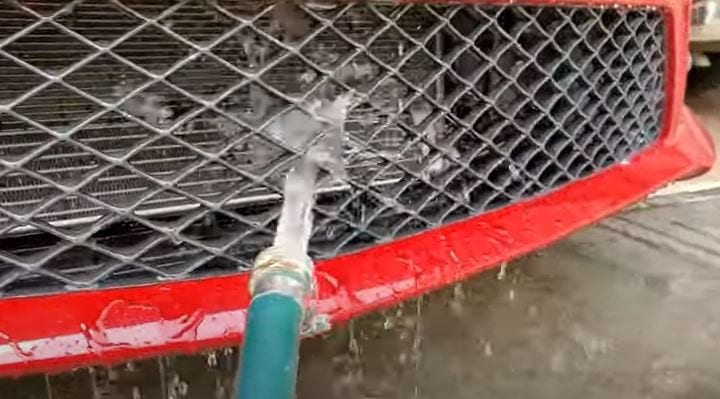
Spray the fins with a solution of 2-3 oz washing shampoo per gallon of warm water. Let it dwell for 5-10 minutes to dissolve bug splatter, dust, and road film. Rinse from the engine side outward using a low-pressure water spray—high pressure bends and damages aluminum fins. Allow to air-dry completely before reinstallation.
Cleaning the Radiator Reservoir

Flush the reservoir three times with clean water during the drain-and-fill process. Each rinse removes accumulated sediment. The reservoir should appear clear before final coolant refill.
Why Vinegar is Unsuitable for Radiator Flushing
Vinegar (acetic acid at approximately 5% concentration, pH 2.4-3.0) corrodes steel and aluminum cooling system components. Unlike citrate-based flushers that chelate rust without attacking metal, acetic acid etches internal surfaces and accelerates future corrosion. Using vinegar causes pitting in aluminum heads and block passages.
Use only products specifically formulated for radiator flushing. Commercial citrate-based flushers dissolve rust at pH 9.0-10.5 without damaging metal surfaces or depleting corrosion inhibitors.
Frequently Asked Questions
Why do radiators rust at the bottom first?
Can you paint over a rusty radiator?
What problems does a dirty intake manifold cause?
Conclusion
A clean radiator maintains the engine’s optimal operating temperature between 180°F and 220°F (82°C and 104°C). Follow the 30,000-mile (5-year) coolant replacement interval to prevent rust accumulation. Check coolant condition every six months—brown or rusty coolant indicates a flush is needed before damage occurs.
Untreated rust restricts coolant flow through the radiator’s microchannels, causing overheating and eventual engine seizure. Regular flushing with a citrate-based product dissolves existing rust and restores cooling efficiency.
For broader maintenance guidance, explore our Cleaning Glossary or related guides on cleaning cooling stacks on Duramax engines.
References
- Wikipedia contributors. (2024). Radiator (engine cooling). Wikipedia, The Free Encyclopedia.
- U.S. Environmental Protection Agency. (n.d.). Vehicle Coolant Recycling. EPA.gov.
- NSF International. (n.d.). Engine Coolant Certifications and Standards. NSF.org.

