
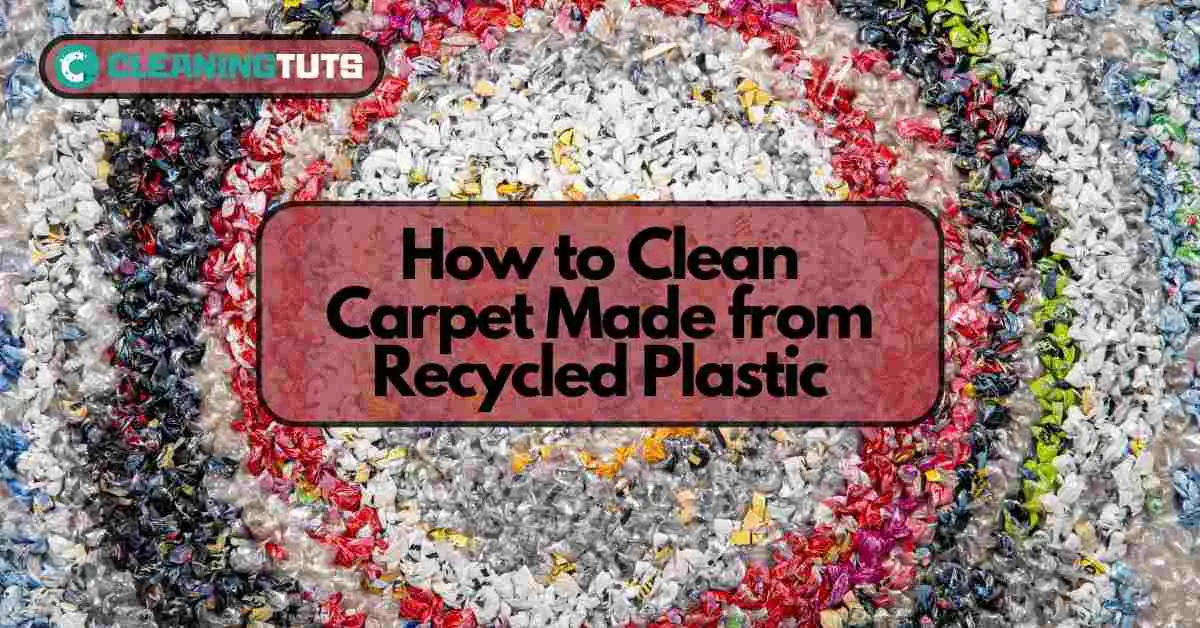
How to Clean Carpet Made from Recycled Plastic?

Carpet made from recycled plastic bottles—known as PET carpet—requires specific care to maintain its stain resistance and durability. Vacuum weekly with a soft brush attachment and address spills immediately by blotting with a dry cloth. For deeper cleaning, use a pH-neutral detergent (pH 7.0–8.5) mixed with lukewarm water (below 85°F / 29°C), applied with a soft brush, then rinsed thoroughly and dried completely before use.
PET carpet, made from recycled polyethylene terephthalate, dominates the synthetic carpet market alongside nylon, polypropylene, and polyester. These plastic-based carpets offer superior stain resistance compared to natural fiber alternatives and typically cost 20–40% less than wool carpeting.
What Is Plastic Carpet Called?
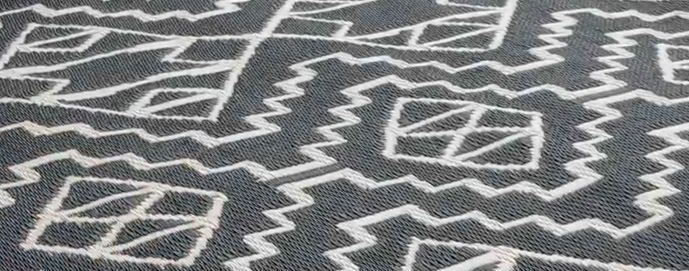
Most carpeting sold today uses plastic fibers. The three dominant materials are nylon (accounting for approximately 65% of residential synthetic carpet sales), polypropylene (approximately 20%), and polyester (approximately 10%). PVC (polyvinyl chloride) appears in some specialty applications.
Recycled plastic carpet specifically refers to products manufactured using post-consumer PET bottles diverted from landfills. Advances in recycling technology now enable manufacturers to transform beverage containers into high-performance carpet fiber without compromising durability or stain resistance.
Industry professionals refer to these products as “plastic carpets,” “PET carpets,” or “recycled content carpet” depending on the percentage of recycled material used.
What Type of Carpet Uses Recycled Plastic?
The plastic used in food and beverage containers—polyethylene terephthalate (PET)—forms the basis of recycled plastic carpet. PET’s molecular structure provides excellent stain resistance because it is inherently hydrophobic and does not absorb water-based liquids.
PET carpet offers several advantages for households with children or pets: it resists staining from common household spills, maintains its color through repeated cleaning, and withstands foot traffic equivalent to 12,000–15,000 double passes annually without significant texture loss. Homeowners report satisfaction rates exceeding 85% in durability assessments.
The material is available in approximately 150+ color variations and multiple pile heights, ranging from low-profile commercial styles (0.25–0.5 inch pile height) to plush residential textures (0.5–1.0 inch pile height).
How to Clean PET Recycled Plastic Carpet
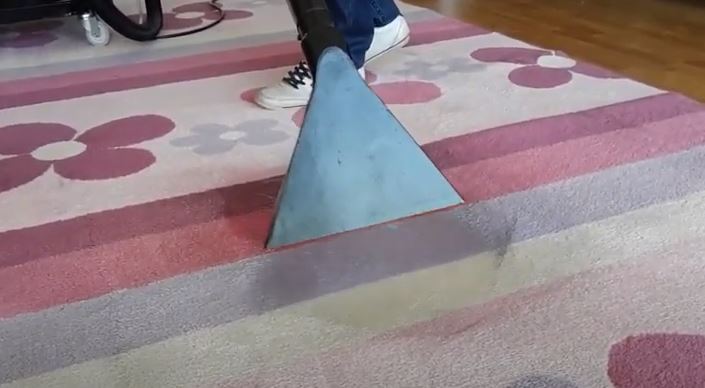
PET carpet cleaning follows a straightforward process that differs from natural fiber care. Follow these steps for optimal results:
Vacuum Before Wet Cleaning
Remove loose debris using a vacuum cleaner equipped with a soft brush attachment. Agitation with a hard-bristle brush damages synthetic fibers by breaking the twisted tufts that give carpet its texture. Vacuum at a rate of approximately 2 feet per second across the surface. For high-traffic areas, vacuuming frequency should increase to 2–3 times per week.
Regular vacuuming removes 85–90% of dry soil before it embeds deep in the carpet backing. This prevents abrasive particles from wearing down fiber tips during subsequent cleaning.
Apply pH-Neutral Cleaning Solution
Mix a pH-neutral detergent (pH 7.0–8.5) with lukewarm water at a ratio of 1 tablespoon (15 mL) per gallon (3.8 L) of water. Test the solution on an inconspicuous area first—apply 3–5 drops to a hidden corner and wait 2 minutes. If fiber discoloration occurs, dilute further with additional water.
Apply the solution using a sponge or soft nylon brush working in the direction of the fiber grain. Allow it to dwell for 3–5 minutes without drying. Avoid harsh chemicals including chlorine bleach (which causes fiber degradation at concentrations above 10%), ammonia-based products (which dissolve the carpet backing adhesive), and oxygen bleach in concentrated powder form (which leaves residue that attracts new soil).
Rinse and Dry Completely
Rinse the treated area with clean water using a extraction method or damp cloth. Do not over-saturate—PET carpet backing contains latex adhesive that weakens when exposed to excessive moisture for periods exceeding 24 hours.
Dry the carpet using circulating fans positioned 3–4 feet from the surface. Drying time averages 2–4 hours depending on humidity and air movement. Do not replace furniture until the carpet registers completely dry to the touch. Damp carpet underneath furniture creates conditions for mold growth within 48–72 hours if airflow is insufficient.
Once dry, vacuum the cleaned area using a soft brush attachment to restore fiber texture and remove any remaining cleaning residue.
Is Recycled Plastic Bottle Carpet Safe?
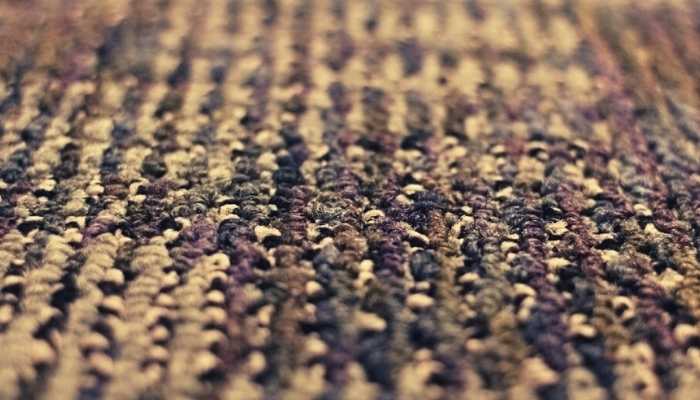
PET plastics used in carpet manufacturing are the same materials certified safe for food contact by the FDA. Multiple independent laboratory tests confirm these materials do not emit harmful volatile organic compounds (VOCs) at levels exceeding EPA indoor air quality thresholds.
No Harsh Chemical Processing Required
PET carpet production avoids the chemical pretreatments required for wool and other natural fibers. It resists staining from oil-based substances without applying stain-protectant coatings, and its colorfastness rating typically exceeds 4.0 on the AATCC Gray Scale (where 5.0 represents no color change).
High-Quality Fiber Construction
PET carpet fiber undergoes melt-spinning during manufacture, creating a round fiber cross-section that resists crushing and maintains appearance through 500+ vacuuming cycles without significant texture degradation.
Environmental Impact Reduction
Each square meter of PET carpet diverts approximately 40 plastic bottles from landfills. The manufacturing process consumes 30% less energy than equivalent nylon carpet production and generates 50% fewer carbon emissions during the fiber creation phase.
Reduced Dyeing Pollution
The solution-dyeing process used in many PET carpets requires no additional water for coloration and produces zero wastewater discharge. All PET carpets meet EPA indoor air quality standards under the Environmental Protection Agency’s TSCA Title VI compliance program.
For homeowners seeking environmentally responsible flooring, PET carpet provides a documented method to reduce landfill waste while achieving performance metrics comparable to conventional synthetic alternatives.
PET Carpet Maintenance Schedule
| Task | Frequency | Notes |
|---|---|---|
| Vacuum (high traffic) | 2–3× per week | Soft brush attachment only |
| Vacuum (low traffic) | 1–2× per week | Follow fiber grain direction |
| Professional deep clean | Every 12–18 months | pH 7.0–8.5 solutions only |
| Spot treatment | Immediately on spill | Blot—never rub |
Conclusion
PET carpet manufactured from recycled plastic bottles delivers durability, stain resistance, and environmental benefits in a single product. The material outperforms wool and nylon in stain resistance tests while costing 20–40% less than comparable nylon products.
The maintenance protocol is straightforward: vacuum frequently with a soft brush attachment, address spills immediately by blotting with a dry cloth, deep clean annually using pH-neutral solutions at temperatures below 85°F (29°C), and ensure complete drying before replacing furniture. Following these guidelines extends carpet service life to 10–15 years in residential applications.
For related cleaning guidance, consult the Floor Cleaning Master Hub or explore the Stain Removal Hub for handling specific spill types. The Cleaning Glossary defines technical terms used in carpet care documentation.
References
- U.S. Environmental Protection Agency. (2023). Indoor Air Quality (IAQ). EPA.
- American Society for Testing and Materials. (2022). Standard Specification for Carpet Performance. ASTM International.
- Food and Drug Administration. (2023). Guidance for Industry: Recycling Plastics for Food Contact. FDA.
- Carpet and Rug Institute. (2022). Carpet Maintenance Guidelines for Commercial and Residential Applications. CRI.


