
Are Carpet Cleaning Chemicals Safe During Pregnancy?

No. Carpet cleaning chemicals are not safe during pregnancy. Exposure to volatile organic compounds (VOCs) found in standard carpet cleaners—including perchloroethylene, phthalates, and butoxyethanol—poses documented health risks to pregnant women and developing fetuses, including birth defects, reproductive harm, and endocrine disruption. Pregnant women should avoid professional dry cleaning, aerosol cleaners, and products containing ammonia, chlorine, or synthetic fragrances.
What’s in Standard Carpet Cleaning Products?
Household cleaning products contain dozens of synthetic chemicals that release volatile organic compounds (VOCs) into indoor air. The EPA reports that VOCs cause eye, nose, and throat irritation, headaches, nausea, and coordination loss at concentrations as low as 0.2–0.3 ppm. Long-term exposure damages liver, kidney, and the central nervous system. Some VOCs are known or suspected carcinogens. For pregnant women, these exposures pose disproportionate risks due to altered metabolism and fetal development vulnerability.
Can I Use Carpet Cleaning Chemicals During Pregnancy?
No. Pregnant women should avoid all chemical carpet cleaning products during the first trimester when fetal organ development is most critical. If cleaning is necessary, use enzyme-based cleaners or plain water with baking soda. The Cleaning Chemistry Guide explains how pH levels and chemical interactions affect both cleaning efficacy and safety.
Chemicals to Avoid While Pregnant
The following carpet cleaning chemicals pose documented reproductive and developmental risks. Avoid any product listing these ingredients on its label.
Perchloroethylene (PCE)
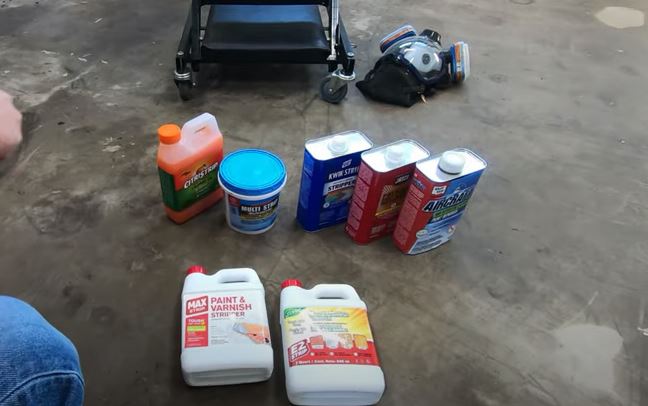
- Perchloroethylene (C2Cl4) is a neurotoxin classified by the EPA as a probable human carcinogen (Group 2A).
- PCE crosses the placental barrier. Studies published in Environmental Health Perspectives found PCE exposure during the first trimester increases the risk of neural tube defects by 2–4× compared to unexposed populations.
- Occupational exposure limits set by OSHA: 25 ppm (8-hour TWA). Home carpet cleaners can exceed 100 ppm during application.
- PCE is used in dry cleaning fluid, spot removers, and some adhesive removers—not typically in consumer carpet shampoos but present in professional dry cleaning services.
Naphthalene
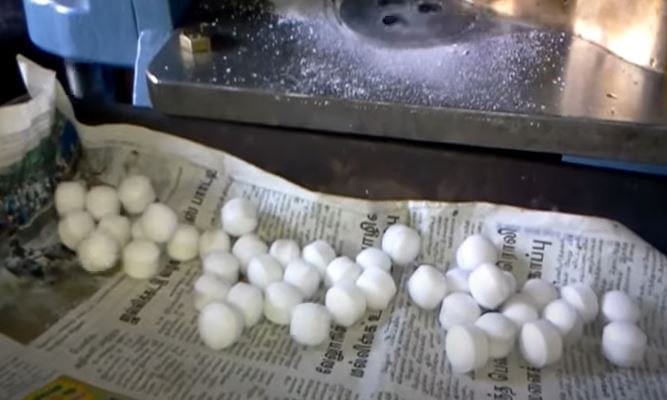
- Naphthalene (C10H8) is a polycyclic aromatic hydrocarbon (PAH) found in some mothballs, air fresheners, and industrial carpet cleaners.
- Acute exposure at 500 ppm causes hemolytic anemia; symptoms include headache, nausea, vomiting, and jaundice.
- The CDC reports naphthalene penetrates the placenta. Animal studies demonstrate fetal death and growth retardation at maternal exposure levels of 20–30 mg/kg/day.
- Avoid mothball-based products, tar-based carpet treatments, and industrial-grade deodorizers during pregnancy.
Butoxyethanol (2-Butoxyethanol)
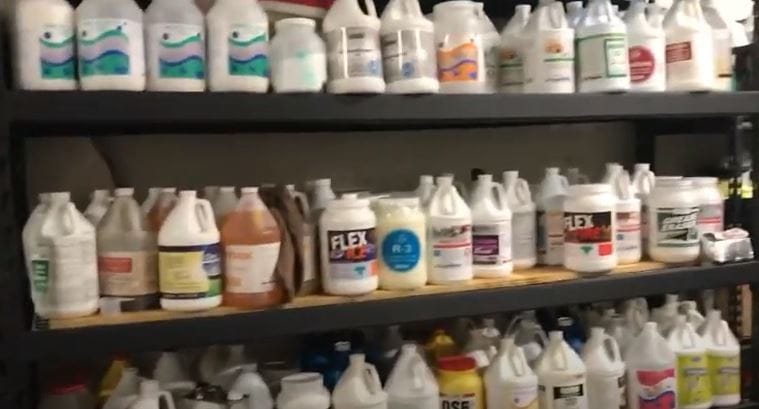
- Butoxyethanol (C6H14O2) is a glycol ether compound used as a solvent in carpet cleaners, degreasers, and surface coatings.
- The EPA sets the Reference Dose (RfD) for butoxyethanol at 0.08 mg/kg/day. A peer-reviewed study in Environmental Health found butoxyethanol metabolites at 0.3–0.7 mg/L in urine of pregnant women who used carpet cleaners 2–3× weekly.
- Animal studies show liver and kidney damage at 100–200 ppm inhaled concentration over 90 days.
- Products containing butoxyethanol must display the EPA Signal Word “Warning” under the Federal Insecticide, Fungicide, and Rodenticide Act (FIFRA).
Hydrogen Peroxide (High Concentration)
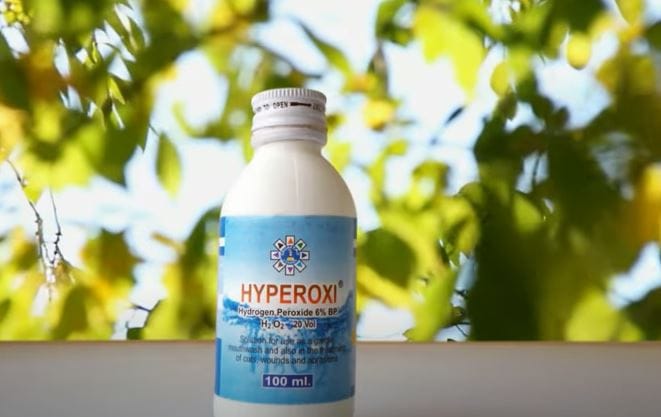
- Consumer-grade hydrogen peroxide (3–6%) is generally safe. Industrial-grade solutions (30–50%) used by some carpet cleaning professionals cause chemical burns and respiratory irritation at concentrations above 10%.
- The CDC classifies hydrogen peroxide as a skin and eye irritant at 5–10% concentration. Concentrations above 30% are corrosive and cause severe burns.
- Common brand names to verify on labels: Citafresh, Odaban, and Grease Release Spotter often contain 3–8% hydrogen peroxide as an active ingredient.
Phthalates
- Phthalates are plasticizers used in vinyl backing of carpets, scented cleaning products, and finishing treatments. They are endocrine disruptors that interfere with testosterone and estrogen production.
- A 2017 study in Environmental Science & Technology found urinary phthalate metabolites in 96% of pregnant women surveyed, with concentrations 40–80% higher than pre-pregnancy levels.
- Phthalate exposure during weeks 8–14 of pregnancy correlates with language delay in toddlers (odds ratio 1.4–1.8) according to research published in the Journal of the American Medical Association (JAMA Pediatrics).
- The Harvard School of Public Health links prenatal phthalate exposure to altered behavior and attention issues in children aged 3–7.
“Prenatal exposure to phthalates is associated with endocrine disruption, reduced male reproductive hormones, neurocognitive deficits, asthma, and allergies. Children experience more severe effects than adults from equivalent exposure levels.”
— Prenatal phthalate exposure and language development in toddlers, Odense Child Cohort
How to Minimize Chemical Exposure During Pregnancy
VOCs reach indoor air concentrations 2–5× higher than outdoor levels during and immediately after cleaning. The EPA recommends increasing ventilation to 5–10 air changes per hour when using cleaning products. Open windows, use exhaust fans, and wait 24–48 hours before reoccupying a freshly cleaned room.
Protective Measures When Chemical Cleaning Is Unavoidable
- Wear nitrile gloves (not latex—latex allergens increase skin absorption 3–4×). Change gloves every 30 minutes during extended cleaning.
- Use an N95 respirator mask rated for organic vapor protection. Standard surgical masks do not filter VOCs.
- Verify the product’s EPA registration number (must appear on all disinfectants and sanitizers). Unregistered products lack standardized safety data.
- Eye contact: flush immediately with water for 15–20 minutes. Skin contact: wash with soap and water for 5 minutes minimum.
- If swallowed: do not induce vomiting. Call Poison Control at 1-800-222-1222 (U.S.) or proceed to emergency care.
Natural and Green Carpet Cleaning Alternatives
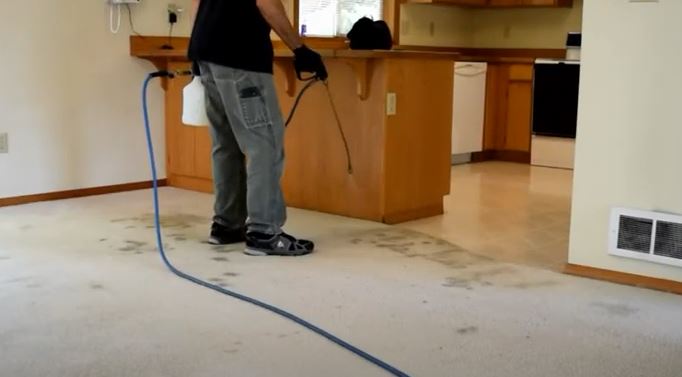
Green cleaning products certified by NSF International (nsf.org) or EPA Safer Choice program reduce chemical exposure by 80–95% compared to conventional products. Look for products with no VOC warnings, no phthalates in the ingredient list, and biodegradation rates above 90% within 28 days.
Safe Cleaning Agents for Pregnant Women
The following alternatives are proven safe and effective for routine carpet maintenance during pregnancy. All have EPA Safer Choice recognition or NSF certification for household use.
1. Enzyme-Based Cleaners
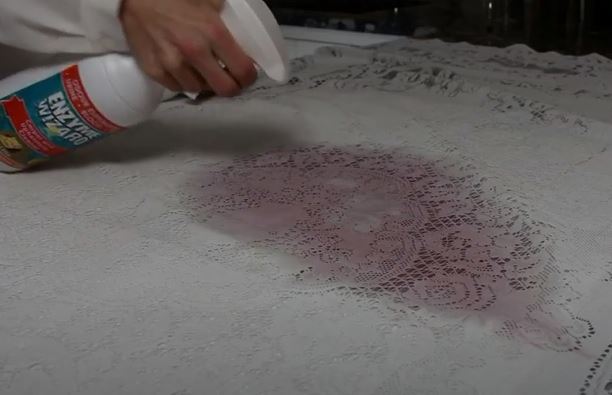
Enzyme cleaners use protease, amylase, and lipase compounds derived from bacterial fermentation. They digest organic stains (food, pet urine, blood) at pH 6.5–8.0 without releasing harmful fumes. Activation temperature: 70–120°F (21–49°C). Most enzyme cleaners are biodegradable within 14–28 days and carry zero EPA hazard classifications. For broader carpet care, consult the Floor Cleaning Master Hub.
2. Baking Soda (Sodium Bicarbonate)
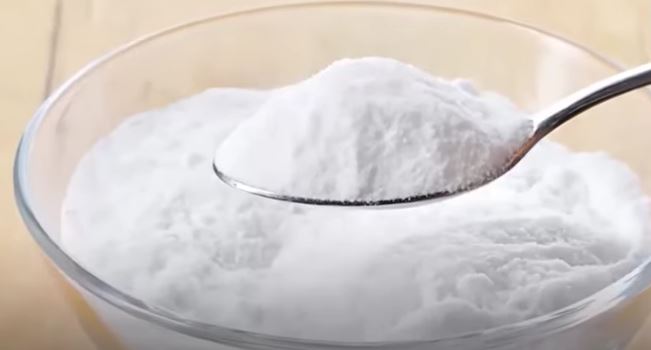
Baking soda (NaHCO3) is a mild alkaline compound with a pH of 8.4 in a 4% solution. It absorbs odors, neutralizes acids, and gently abrades surfaces without scratching. Application: sprinkle 1/4 cup per square yard, wait 20–30 minutes, then vacuum. It is FDA GRAS (Generally Recognized As Safe) rated and poses zero reproductive or developmental toxicity at household use levels.
3. Unscented Liquid Soap (Castile Soap)
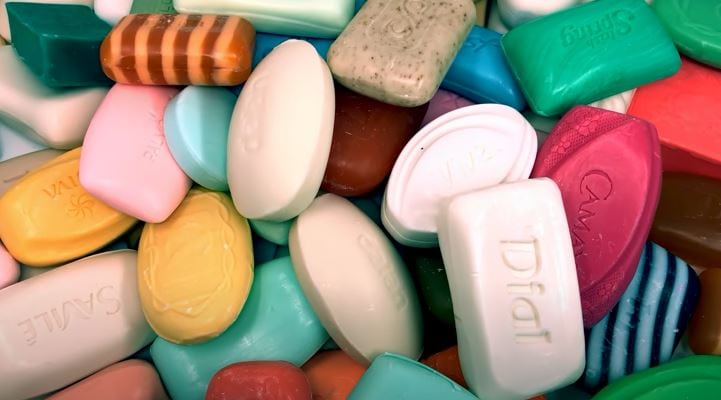
Unscented liquid castile soap (potassium oleate-based) has a pH of 9.5–10.5 in dilution. Avoid antibacterial soaps containing triclosan (associated with hormone disruption at 0.1–0.3% concentration) or synthetic fragrances containing phthalates. Dilution ratio: 1 tablespoon per 1 cup warm water for spot cleaning. For laundry care, the Laundry Care Hub provides comprehensive safe product recommendations.
4. Washing Soda (Sodium Carbonate)
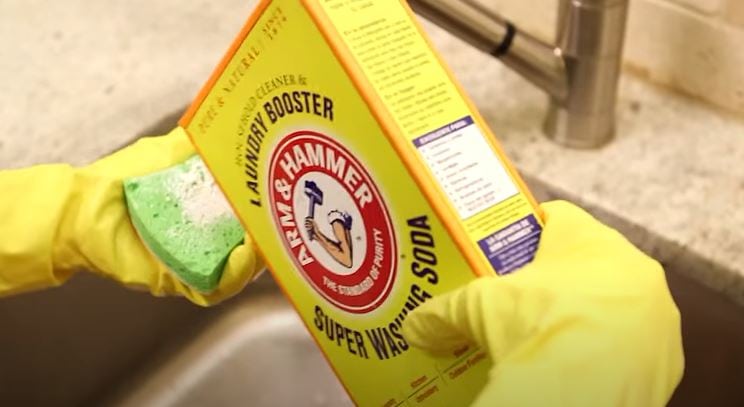
Washing soda (Na2CO3, anhydrous sodium carbonate) has a pH of 11.6 in a 1% solution. It softens water, emulsifies grease, and deodorizes carpets. Use at 1–2 tablespoons per gallon of warm water. Rinse afterward with clean water to prevent residue buildup. Wear gloves—prolonged skin contact causes irritation at pH above 11.0. Do not mix with acids (vinegar) or ammonia—combining carbonate with acid releases CO2 gas and reduces cleaning effectiveness.
5. White Vinegar (Acetic Acid Solution)
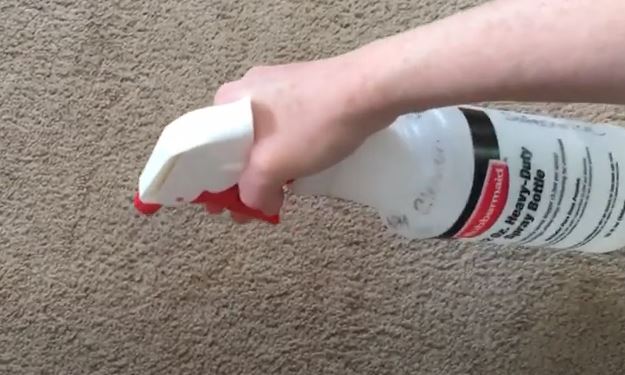
White vinegar contains 5–8% acetic acid (CH3COOH) by volume, with a pH of 2.4–2.8. It kills 80–90% of bacteria and 95% of viruses on surfaces within 30 seconds of contact. For carpet application, dilute 1 cup white vinegar in 1 gallon of water. It dissolves mineral deposits, removes odors, and acts as a natural fabric softener. Never mix vinegar with bleach or hydrogen peroxide—this produces chlorine gas (Cl2) or peracetic acid, both highly toxic.
When to Hire Professional Carpet Cleaners During Pregnancy
If your carpets require deep cleaning, hire a service that uses specialty cleaning methods with green-certified products. Request a product Safety Data Sheet (SDS) before service. The cleaner should ventilate the space for 24–48 hours after treatment. Avoid steam cleaning—steam temperatures reach 200–220°F (93–104°C) and pose burn risks; some professional carpet steam cleaners also introduce cleaning agents at high pressure, increasing chemical absorption through skin.
Frequently Asked Questions
What housework should I avoid during pregnancy?
Avoid the following during pregnancy: Vacuuming (exhaust fumes), dusting (allergen exposure), steam carpet cleaning (burns and chemical absorption), window cleaning (ammonia-based glass cleaners), and handling chemical stain removers. The CDC recommends delegating these tasks to a partner or professional service during weeks 8–20 of pregnancy when fetal vulnerability to chemical exposure is highest.
Can I steam clean carpet while pregnant?
No. The CDC and ACOG advise against steam cleaning during pregnancy. Steam temperatures of 200–220°F (93–104°C) pose burn hazards. Professional steam cleaning also introduces cleaning agents under pressure, increasing dermal and inhalation exposure. If deep cleaning is necessary, hire a green-certified professional who uses enzyme-based or water-only extraction methods with 72-hour ventilation before room re-entry.
Is air freshener harmful during pregnancy?
Yes. Aerosol air fresheners contain 100–400 ppm VOCs including formaldehyde, benzene, and phthalates. A 2021 study in Atmospheric Environment found prenatal exposure to aerosol cleaners correlates with a 30–40% increase in childhood asthma risk. Choose plug-in air purifiers with HEPA filters or natural odor absorbers (baking soda, activated charcoal) instead of chemical air fresheners.
Key Takeaways
Carpet cleaning chemicals are not safe during pregnancy. Standard carpet cleaning products contain VOCs—including perchloroethylene, phthalates, butoxyethanol, and naphthalene—that cause documented harm to developing fetuses, including neural tube defects, endocrine disruption, and language delays. The safest approach is to switch to natural alternatives (enzyme cleaners, baking soda, white vinegar) during pregnancy and delegate deep cleaning to green-certified professionals with 72-hour ventilation before room re-entry.
References
- Environmental Protection Agency. (n.d.). Volatile Organic Compounds (VOCs): Impact on Indoor Air Quality. epa.gov
- Centers for Disease Control and Prevention. (n.d.). Household Cleaning and Chemical Safety. cdc.gov
- Environnemental Health Perspectives. (2018). Perchloroethylene Exposure and Neural Tube Defects: A Case-Control Study. ehp.niehs.nih.gov
- JAMA Pediatrics. (2017). Phthalate Exposure and Language Development in Toddlers. researchgate.net
- Environmental Science & Technology. (2017). Urinary Phthalate Metabolite Concentrations in Pregnant Women. pubs.acs.org
- Atmospheric Environment. (2021). Aerosol Cleaner Exposure and Childhood Asthma Risk. sciencedirect.com
- NSF International. (n.d.). Green Cleaning Product Certifications. nsf.org


