
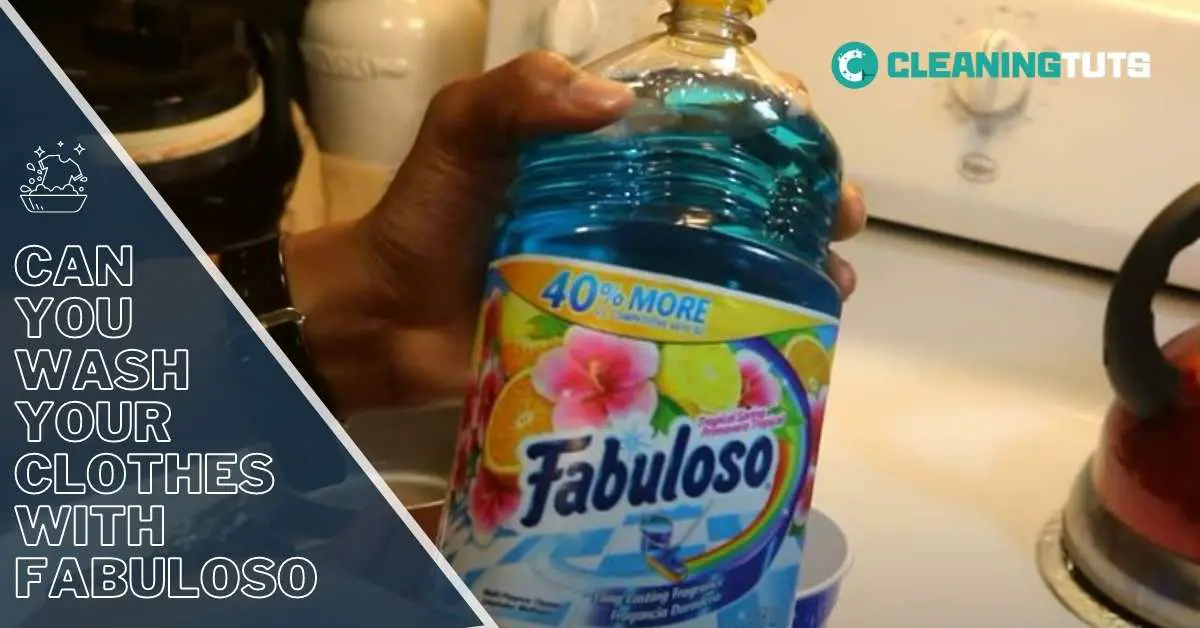
Can You Wash Your Clothes with Fabuloso?

Yes, you can wash your clothes with Fabuloso — but only as a supplemental cleaner, not a replacement for laundry detergent. Fabuloso is a multi-purpose cleaner designed for hard surfaces; its surfactants and fragrance compounds work on fabrics too, but it lacks the enzymes,Builders, and anti-redeposition agents found in proper laundry detergents. Used correctly at the right dilution, it lifts stains and odors from most washable fabrics. It will not ruin your clothes when diluted properly, though it cannot replace laundry detergent for routine cycles.
Using Fabuloso on Clothes: What You Need to Know

Fabuloso is a multi-purpose cleaner manufactured by Colgate-Palmolive. Its primary surfactants — sodium dodecylbenzene sulfonate and sodium laureth sulfate — cut through grease and suspended soils effectively. However, it contains no enzymes to break down protein-based stains, no anti-redeposition agents to keep loosened soil from reattaching to fabric, and no bleach alternatives for deep whitening. These limitations mean Fabuloso works best as a pre-soak additive or spot-treatment booster alongside your regular laundry detergent, not as a standalone replacement.
How to Wash Clothes with Fabuloso: A Step-by-Step Process
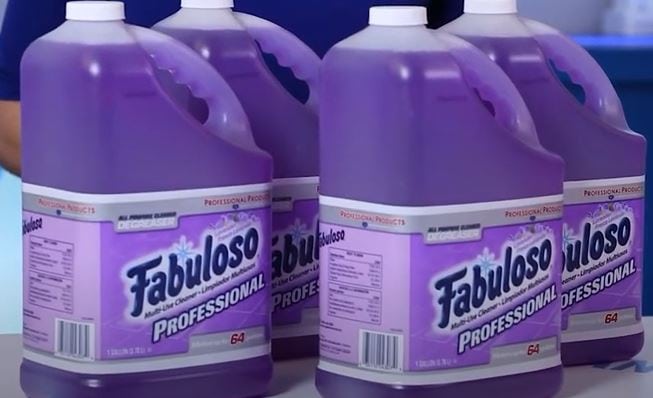
Follow these steps to use Fabuloso as a laundry boost:
Dilution
Never apply Fabuloso at full strength to fabrics. Mix ¼ to ½ cup (60–120 mL) of Fabuloso with at least 1 gallon (3.8 L) of room-temperature or lukewarm water before soaking. Full-strength application increases the risk of surfactant residue remaining in fabric fibers, which can cause skin irritation, especially on delicates and synthetic blends. For a standard top-load washer, add ½ cup (120 mL) to the drum along with your regular detergent. For front-load machines, reduce to ¼ cup (60 mL) to prevent excessive foam.
Soaking
Submerge heavily soiled garments in the diluted Fabuloso solution and soak for 30–60 minutes. This gives the surfactant system time to penetrate and lift oil-based stains, grease, and ground-in dirt. Do not exceed 1 hour of soaking, as prolonged exposure to surfactants can degrade certain fabric dyes, particularly on synthetic and dark-colored clothing. Rinse garments thoroughly before transferring to the washing machine.
Washing
After soaking, wash clothes on a normal cycle using your regular laundry detergent. The detergent handles the primary wash duty — surfactant soil suspension, enzyme stain breakdown, and anti-redeposition — while the Fabuloso residue provides an additional fragrance boost and odor cutting. Use cold or warm water; avoid hot water above 86°F (30°C) with dark or dyed fabrics to prevent color bleeding.
After washing, clothes will have a strong citrus-floral fragrance from the Fabuloso. If the scent is too strong, run an additional rinse cycle or line-dry in open air, which helps dissipate fragrance intensity.
Is Fabuloso Safe for All Fabrics?
Fabuloso is safe for cotton, polyester, and nylon blends but carries risk on certain fabric types. Test any unknown fabric by dabbing a hidden area (inside a hem or seam) with a 1:10 diluted solution. Wait 5 minutes and check for color fading or fabric texture changes before full application.
| Fabric Type | Fabuloso Safe? | Notes |
|---|---|---|
| Cotton | Yes | Dilute ¼–½ cup per gallon. Standard soak time 30–60 min. |
| Polyester / Nylon | Yes | Use cool water below 86°F (30°C). Avoid long soaks. |
| Wool / Silk | No | Surfactants and fragrance can damage protein fibers. Use a dedicated wool wash instead. |
| Linen | Yes | Dilute normally. Can handle stronger dilution than delicates. |
| Rayon / Viscose | Caution | Test first. Many rayon dyes bleed easily. |
| Microfiber | Caution | Fragrance oils can clog microfiber structure. Use plain detergent. |
What Ingredients Are in Fabuloso?
Fabuloso’s formulation centers on an anionic surfactant system with fragrance additives. Key ingredients include:
- Sodium dodecylbenzene sulfonate — primary anionic surfactant, effective against oils and particulate soil
- Sodium laureth sulfate (SLES) — secondary surfactant, contributes to foaming and soil suspension; may cause skin sensitivity at high concentrations
- Fragrance compounds — proprietary citrus and floral blend; may contain linalool, d-limonene, and other scent molecules that act as potential allergens under EU Regulation 1223/2009
- 1,4-Dioxane — trace impurity in SLES (not intentionally added); classified as a suspected carcinogen by the EPA; present in minute concentrations well below regulatory thresholds
- Colorant — dye for product appearance; has no cleaning function
Fabuloso has a pH of approximately 7.5–8.5 (mildly alkaline), which makes it effective at saponifying fatty acids in kitchen grease but less effective at removing acidic stains like sweat or urine. For heavy sweat stains, a separate acid-based treatment (white vinegar or a dedicated stain remover) applied before the Fabuloso soak works better than Fabuloso alone.
Does Fabuloso Stain Clothes?
Undiluted Fabuloso can leave behind a colored residue — especially the purple and blue variants — that appears as a light stain on white or light-colored fabrics. Always dilute before use. The concentrated product also leaves fragrance oils that can appear as a slight sheen on synthetics. Dilution prevents both issues entirely. Rinse thoroughly after soaking to eliminate all surfactant residue before the main wash cycle.
Does Fabuloso Damage Clothes?
When diluted properly, Fabuloso does not damage clothes. However, misuse creates three specific risks:
- Fabric dye leaching — Full-strength application on dark or bright fabrics can cause color transfer or fading, particularly on synthetic blends
- Residue buildup — Repeated undiluted use leaves surfactant residue that attracts dirt over time, making clothes appear duller after multiple washes
- Allergic reaction — Fragrance compounds (linalool, d-limonene) in Fabuloso can trigger contact dermatitis in individuals with fragrance sensitivity; always rinse thoroughly
Fabuloso vs. Laundry Detergent: Key Differences
| Property | Fabuloso | Laundry Detergent |
|---|---|---|
| Primary surfactants | SLES, sodium dodecylbenzene sulfonate | Linear alkylbenzene sulfonate (LAS), SLES, or plant-based alternatives |
| Enzymes (amylase, protease, lipase) | No | Yes — break down starch, protein, and fat stains |
| Anti-redeposition agents | No | Yes — keep soil suspended in wash water |
| Brightening agents / optical whiteners | No | Yes (most conventional powders) |
| Fragrance | Strong synthetic scent | Varied — from unscented to scented |
| pH range | 7.5–8.5 (mildly alkaline) | 9.0–10.5 (alkaline) for powder; 6.5–8.0 for liquid |
| Designed use | Hard surfaces (floors, counters) | Textile fibers exclusively |
Natural Substitutes for Laundry Detergent
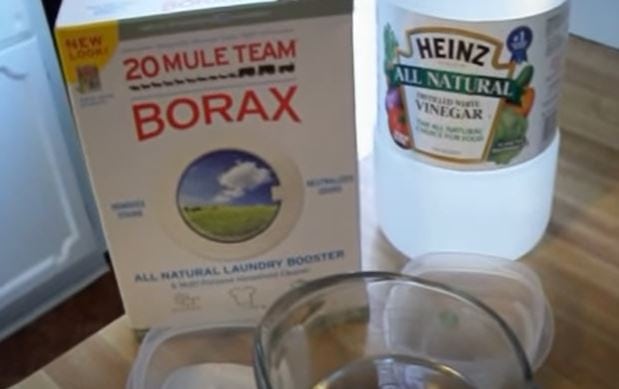
If you need a laundry alternative without commercial detergent, these natural options each serve a specific cleaning function:
- Baking soda (sodium bicarbonate) — Raises wash water pH to ~8.3, which saponifies greasy soils. Add ½ cup per load. Effective for general freshness but weak on oil stains alone.
- Washing soda (sodium carbonate) — More alkaline than baking soda (pH ~11.5), making it effective at breaking down fatty acids and protein stains. Add ¼ cup per load. Do not use on wool or silk.
- Borax (sodium borate) — Acts as a water softener and mild disinfectant. Effective concentration in wash water is 1–2 tablespoons per gallon. Works best in combination with baking soda.
- White vinegar — Acidic (pH ~2.5) and effective at breaking down mineral deposits and acidic residues like sweat. Add 1 cup to the rinse cycle as a natural fabric softener. Do not mix with bleach.
- Lemon juice — Contains citric acid (~5–6% concentration), effective at brightening whites and cutting through light grease. Best used as a pre-treatment for yellowed linens. Always test on hidden fabric first.
These natural alternatives are biodegradable and free of synthetic fragrances, making them preferable for households with fragrance sensitivity or septic systems. For heavily soiled loads or high-heat laundry (kitchen towels, gym wear, pet bedding), a dedicated laundry detergent remains the most effective choice.
Can You Wash a Dog Bed at the Laundromat with Fabuloso?
Yes, Fabuloso is safe for washing dog beds at a laundromat when diluted properly. Use ½ cup (120 mL) Fabuloso in the wash drum with warm water (not hot) to clean and deodorize pet bedding effectively. Dog beds often accumulate a combination of body oils, saliva, urine traces, and outdoor dirt — the surfactant system in Fabuloso handles these soils well. Always run a second rinse cycle to eliminate all surfactant residue before drying, as residual chemicals could irritate your pet’s skin.
Frequently Asked Questions
Is Fabuloso a fabric softener?
No. Fabuloso is a multi-purpose hard-surface cleaner, not a fabric softener. While it contains fragrance and some surfactants with mild softening properties, it lacks the cationic conditioning agents found in dedicated fabric softeners. Colgate-Palmolive manufactures separate fabric softener products under the Fabuloso brand.
Can I use Fabuloso on wooden floors?
Yes. Fabuloso is safe for sealed hardwood and most sealed hard surfaces. Mix ¼ cup (60 mL) of Fabuloso with 1 gallon (3.8 L) of warm water. For unsealed or waxed wooden floors, do not use Fabuloso — the water content can warp or damage the finish. Instead, use a product specifically formulated for unsealed wood.
Is it safe to use Fabuloso in washing machines?
Yes, when diluted properly. Add ¼ to ½ cup (60–120 mL) of Fabuloso to the washing machine drum before adding clothes and detergent. Do not pour Fabuloso into the detergent dispenser — it can cause excessive foaming and damage the dispenser siphon. Use in both top-load and front-load machines, though front-load users should use the lower ¼-cup dose to prevent overflow from excess foam.
What alternatives work for laundry if I have no detergent?
Baking soda, washing soda, borax, white vinegar, and lemon juice each provide cleaning action when combined with hot water and mechanical agitation (the wash cycle). None replace detergent fully for heavily soiled loads, but a combination of ½ cup baking soda plus ¼ cup washing soda per load provides adequate cleaning for lightly soiled clothing. For a complete guide to laundry alternatives, see our Laundry Care Hub.
References
- Colgate-Palmolive Company. (2024). Fabuloso® Product Portfolio. Colgate-Palmolive Brand Directory.
- U.S. Environmental Protection Agency. (2024). 1,4-Dioxane in Cleaning Products: CAS 123-91-1. EPA.gov.
- European Commission. (2024). Regulation (EC) No 1223/2009 on Cosmetic Products — Fragrance Allergen Disclosure. EU Health Portal.
- American Cleaning Institute. (2023). Guide to Laundry Care Fundamentals. American Cleaning Institute.


