
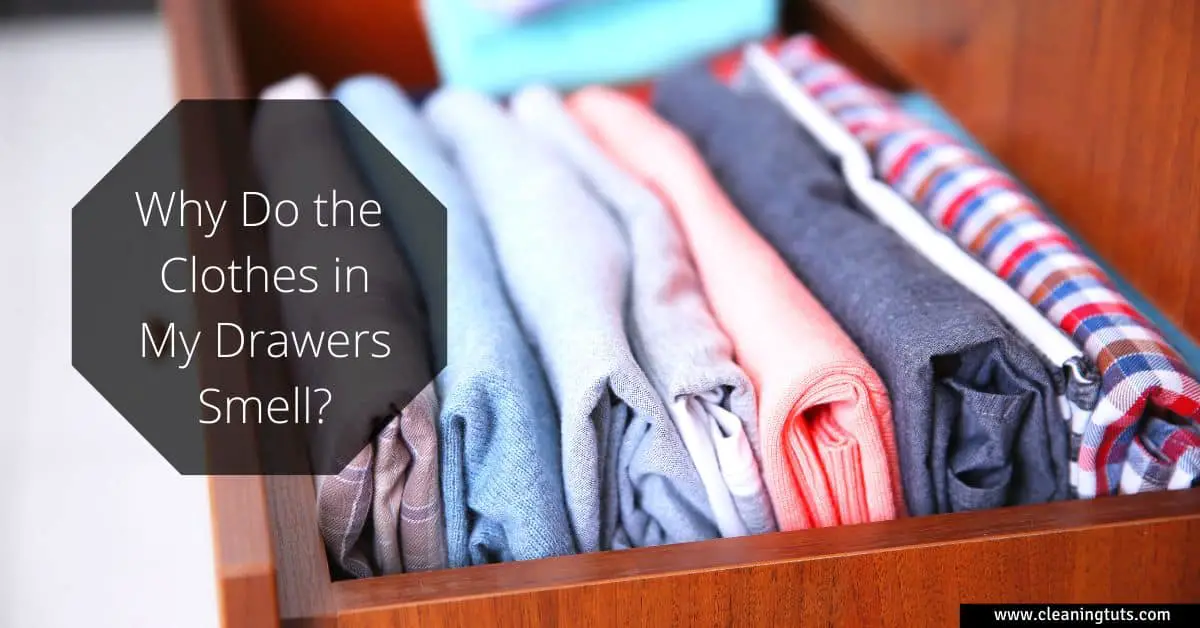
Why Do the Clothes in My Drawers Smell?

Clothes stored in drawers smell musty due to trapped body oils, sweat residue, and bacteria that thrive in humid, poorly ventilated spaces. The primary cause is storing unwashed or insufficiently dried clothing in drawers — sweat and skin cells feed odor-causing bacteria (primarily Staphylococcus epidermidis and Corynebacterium spp.) that decompose organic matter into foul-smelling fatty acids and ammonia compounds. Environmental humidity above 50% accelerates mold growth, while temperatures between 68°F–77°F (20°C–25°C) create optimal conditions for bacterial reproduction.
This guide covers the root causes of drawer odors, proven elimination methods, and prevention strategies to keep your clothing fresh long-term.
What Causes the Clothes in the Drawers to Smell?
Multiple factors contribute to clothing odors in drawers. Identifying the specific cause helps determine the most effective solution.
Lack of Air Circulation
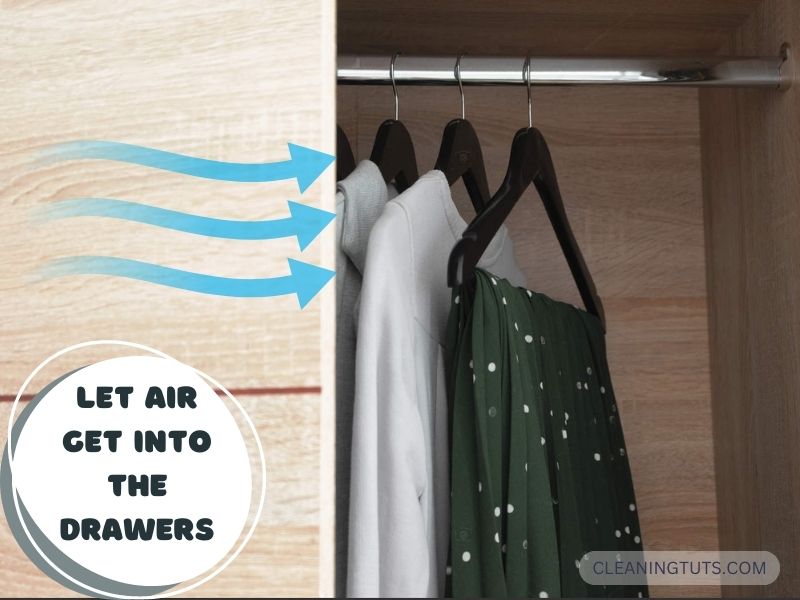
Closed drawers create stagnant air environments where humidity becomes trapped. When relative humidity exceeds 50%, fabric-bound moisture provides the water bacteria need to metabolize sweat residue. Cramming clothes into overstuffed drawers reduces air exchange by up to 70%, creating anaerobic conditions that favor odor-producing microorganisms. Keep drawers partially open when not in use, or use ventilated drawer inserts to maintain airflow.
Insufficient Washing or Improper Drying
Sweat and body oils accumulate on worn garments and transfer to stored clothing. The apocrine glands (concentrated in armpits, groin, and feet) produce protein-rich secretions that Corynebacterium bacteria break down into 3-methyl-2-hexenoic acid — the compound primarily responsible for body odor. Clothes worn multiple times without washing, or dried at temperatures below 140°F (60°C), retain enough organic residue to sustain bacterial growth.
Musty drawer smells specifically indicate Staphylococcus activity combined with mold spores. These microorganisms require only trace amounts of moisture and skin cells to establish colonies that produce characteristic “mildewy” aromatic compounds including geosmin and 2-methylisoborneol.
Pet Contamination
Pet fur contains dander, saliva proteins, and urine residue (if accidents occur). Cat urine specifically contains urea, creatinine, and uric acid that decompose into mercaptans and ammonia — compounds with pungent, lingering odors. Even without visible accidents, pet hair buried in folded garments introduces additional organic material for bacteria to consume.
Excessive Humidity and Mold Growth
Dressers placed near bathrooms, windows, or exterior walls experience temperature fluctuations that cause condensation. When relative humidity exceeds 60% for extended periods, Aspergillus and Penicillium mold species colonize fabric surfaces. These molds produce microbial volatile organic compounds (mVOCs) with musty, earthy odors detectable at concentrations as low as 0.1 parts per billion.
Food and Drink Spills
Organic spills (food crumbs, beverage residue, cosmetics) in drawers decompose via bacterial action, producing sulfur compounds (hydrogen sulfide, methanethiol) responsible for rotten egg and putrid odors. Spilled liquids also raise fabric moisture content, creating localized conditions favorable for mold growth.
How to Eliminate Drawer Odors: Proven Methods
Improve Drawer Ventilation
Leave drawers slightly open when not accessing contents to enable air circulation. Place drawer ventilators or breathable mesh inserts at the base. For seasonal storage, remove all clothing, clean drawer interiors with a 50/50 white vinegar-water solution, and allow complete drying in direct sunlight for 2–4 hours — UV radiation at 254nm wavelength destroys bacteria, mold spores, and odor molecules.
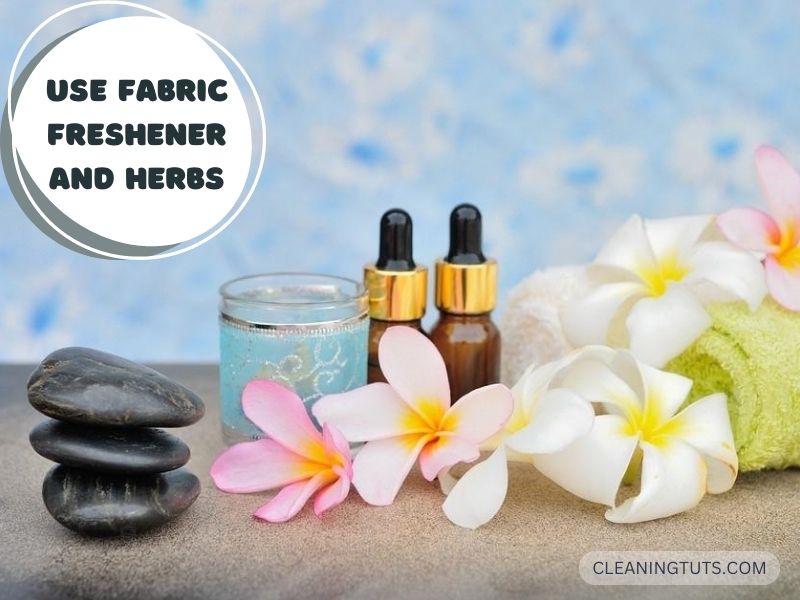
Use Odor-Absorbing sachets and Fabric Fresheners
Activated charcoal sachets absorb odor molecules via adsorption — one gram of activated charcoal provides 500–2,000 m² of surface area for trapping volatile compounds. Lavender sachets provide dual benefits: pleasant scent plus natural antimicrobial properties (lavender oil shows 99% inhibition of Staphylococcus aureus at 2% concentration). Replace charcoal sachets every 3–6 months and lavender every 2–3 months for continuous effectiveness.
Clean Affected Areas with Baking Soda
Baking soda (sodium bicarbonate) neutralizes acids and absorbs moisture. Sprinkle ¼ cup (60g) per drawer, let sit for 4–8 hours, then vacuum thoroughly. For persistent odors, create a paste of baking soda and water (3:1 ratio), apply to drawer surfaces, let dry, and scrub before vacuuming. Baking soda’s pH of 8.1 creates an environment unsuitable for acid-producing bacteria.
For severe contamination, wipe drawer interiors with undiluted white vinegar (5% acetic acid), let stand for 15 minutes, then scrub with warm water and dry completely. Vinegar’s acidity (pH 2.5) kills most bacteria and dissolves odor-causing residue.
Wash Clothing Before Storing
Wash all garments at 140°F (60°C) minimum with enzyme-based laundry detergent to break down sweat proteins. For delicate fabrics requiring lower temperatures, add 1 cup of white vinegar to the rinse cycle — vinegar’s acetic acid kills 80–90% of bacteria and removes detergent residue that can attract odor-causing organisms.
Ensure complete drying before storage: overdrying at 160°F (71°C) damages synthetic fibers, while underdrying allows residual moisture to support bacterial growth. The “press test” confirms dryness — if fabric springs back when pressed, it’s adequately dry.
What to Do If Clothes Still Smell After Treatment

Ensure Complete Drying Before Storage
Even slightly damp clothing creates conditions for mildew. Line-dry in sunlight after machine drying — UV exposure at 300–400nm provides additional antimicrobial treatment. For items that cannot be heat-dried, hang in direct sunlight for 3–4 hours, which provides approximately 90% bacterial reduction through combined UV exposure and dehumidification.
Avoid plastic bags or airtight containers during humid weather — these trap moisture. Use breathable cotton storage bags or cardboard boxes instead.
Deep Clean Drawers Weekly
For odor-prone drawers, perform weekly maintenance: wipe interior with a 10% white vinegar solution (1 part vinegar to 9 parts water) using a microfiber cloth. This maintains an acidic environment that inhibits bacterial growth. For wooden drawers, follow vinegar cleaning with a dry cloth to prevent moisture damage.
Drawer liners infused with antimicrobial agents (silver ion technology provides 99.9% bacterial reduction) add an extra protective barrier.
Use Targeted Wash Treatments
For persistent garment odors, soak in a baking soda solution overnight (2 tablespoons per quart of water) before washing. For extremely soiled items, pre-treat with enzyme-based stain remover for 15–30 minutes. A final rinse with ½ cup white vinegar removes all traces of detergent and bacteria.
For pet-related odors, use enzymatic cleaners specifically formulated to break down urea and creatinine compounds found in pet urine.
Switch to Open Storage for Problematic Items

Clothes that retain odors despite treatment may need alternative storage. Wood and metal drawers with ventilation slots provide 40% better airflow than solid-sided plastic drawers. Hanging garments on padded hangers or using open linen closets eliminates drawer-related odor issues entirely for problem fabrics.
Prevention Tips: Keeping Drawers Smell-Free Long-Term

Wash, Dry Thoroughly, and Sun-Expose Clothing
Wash worn items after 1–2 wears (more frequently for gym clothes, socks, and undergarments). Dry completely at 140°F (60°C) minimum or line-dry in sunlight. Sun-dried laundry benefits from UV radiation (kills 99% of bacteria) and natural oxidation that bleaches and refreshes fabric.
Store in Airtight Containers Only for Short Periods
Vacuum-sealed storage bags are suitable for seasonal items for 1–3 months. Extended vacuum storage causes fabric fibers to compress and retain trapped odors. For long-term storage, use breathable cotton garment bags or acid-free cardboard boxes with silica gel packets (each packet absorbs 25–30% of its weight in moisture at 70% relative humidity).
Control Room Humidity with a Dehumidifier
Maintain bedroom relative humidity between 30–50% for optimal fabric storage. Dehumidifiers rated for room size (30-pint capacity handles approximately 500 sq. ft.) reduce moisture that would otherwise condense in drawer interiors. Alternatively, desciccant packs (silica gel, calcium chloride) absorb 10–20% of their weight in moisture and require monthly replacement.
Seek Professional Cleaning for Severe Cases
Professional cleaners use industrial-grade ozone treatment (destroys 99.9% of odor-causing bacteria) or thermal disinfection (dry cleaning at 240°F/115°C) for severely contaminated items. For antique or delicate garments, professional assessment prevents damage from inappropriate home treatments.
Proper Long-Term Clothing Storage Guidelines
Effective long-term clothing storage requires controlling temperature, humidity, and air circulation. Optimal conditions extend fabric lifespan and prevent odor recurrence.
Maintain Cool, Dry Storage Conditions
Store clothing in locations maintaining 50–65°F (10–18°C) and 30–50% relative humidity. Attics and basements typically fail these criteria — attics exceed 100°F (38°C) in summer while basements maintain 60%+ humidity year-round. Climate-controlled closets or interior storage rooms provide the most stable environment.
Silica gel packets (8–10 grams per cubic foot of storage space) maintain low humidity around stored items. Replace every 3–6 months or when granules turn pink (indicating saturation).
Use Breathable Storage Materials
Breathable storage materials allow air circulation while protecting from dust and light. Cotton muslin bags provide 85% air permeability compared to 0% for plastic bags. For items requiring protection, cotton sheets or pillowcases serve as lightweight, breathable covers.
| Storage Material | Breathability | Best Use |
|---|---|---|
| Cotton muslin bags | 85% | Off-season clothes, linens |
| Cotton sheets/pillowcases | 80% | Delicate garments, wool |
| Cardboard boxes (acid-free) | 40% | Long-term archival storage |
| Cedar chests | 30% | Natural moth resistance, medium-term |
| Vacuum-sealed bags | 0% | Short-term (under 3 months) only |
Never store clothing in plastic bags long-term — polyethylene prevents moisture escape, creating conditions for mold and mildew growth within 2–4 weeks in humid environments.
The Science Behind Clothing Odors
Understanding why clothes develop odors helps prevent and eliminate them effectively.
Body Odor Varies by Fabric Type and Biology
Different fabrics interact differently with body odor. Wool and synthetic fabrics retain more odor than cotton because wool’s scaly fiber structure traps odor molecules, while synthetic polyester’s smooth surface provides fewer attachment points but retains odors through absorption of skin oils. Cotton absorbs moisture and releases it more easily, reducing bacterial growth but retaining some odor through hydrogen bonding.
Individual biology also matters: people with more Corynebacterium spp. on their skin produce stronger body odor, regardless of fabric choice. This is why identical laundry routines produce different results for different people.
Scent Memory and Olfactory Associations
Olfactory signals pass directly to the limbic system (emotion and memory center) without passing through cortical filtering — this explains why certain fabric scents trigger vivid autobiographical memories. This connection is why incorporating pleasant scents (lavender sachets, cedar blocks) in clothing storage creates positive psychological associations when garments are later worn.
Bacteria Produce Specific Odor Compounds
Body odor on clothing results from bacterial metabolism, not sweat itself. Staphylococcus epidermidis converts sweat sugars into branched-chain fatty acids (isovaleric acid, isobutyric acid) responsible for “sour” odors. Corynebacterium spp. produce thioalcohols (3M2H, 3M3H) responsible for “sharp,” “cheesy,” or “sulfurous” notes. The ratio of these bacteria varies between individuals and across body regions.
People with higher populations of Corynebacterium experience more pronounced body odor because these bacteria produce 10–100 times more odor compounds per cell than Staphylococcus species.
Diet and Medications Affect Body Odor
Garlic, onions, and cruciferous vegetables contain sulfur compounds metabolized and excreted through skin glands, intensifying body odor. Cumin and curry spices contain terpenes that bind to skin proteins and persist for 24–48 hours. Medications including antidepressants (serotonin reuptake inhibitors), antihistamines, and hormone therapies alter sweat composition and bacterial growth patterns, potentially increasing or decreasing odor depending on the specific compound.
Hyperosmia Causes Heightened Odor Sensitivity
Approximately 2% of the population experiences hyperosmia — a heightened sensitivity to odors. This condition, which may be genetic or associated with pregnancy, migraines, or certain autoimmune disorders, causes normally undetectable odors to become overwhelming. People with hyperosmia often perceive their own body odor or fabric scents at intensities others cannot detect, making drawer and clothing odor control particularly important for their comfort.
Is Clothing Drawer Odor a Sign of Laundry Routine Problems?
If your clothes smell like pee after washing or retain musty odors despite proper drawer maintenance, the issue originates in your laundry routine. Common causes include washing at temperatures too low to kill bacteria (below 140°F/60°C), overloading machines (which reduces soil removal by 30–40%), using insufficient detergent, or skipping the final rinse cycle that removes residue. Our Laundry Care Hub provides comprehensive guidance on proper washing techniques, detergent selection, and drying best practices that eliminate odor at the source rather than masking them.
References
- Ara, K. et al. (2006). Foot odor and bacterial flora. International Journal of Cosmetic Science, 28(4), 301. https://pubmed.ncbi.nlm.nih.gov/17171399/
- Callewaert, C. et al. (2014). Characterization of Staphylococcus and Corynebacterium spp. in axillary odor. Applied and Environmental Microbiology, 80(21), 6756–6762. https://pubmed.ncbi.nlm.nih.gov/25128338/
- James, A. G. et al. (2013). Microbiological and biochemical origins of human axillary odour. FEMS Microbiology Letters, 342(2), 154–161. https://www.researchgate.net/publication/236279573
- Tokay, T. & Kita, Y. (2012). Prevention of mold contamination with antimicrobial drawer liners. Journal of Textile Engineering, 58(4), 71–76. https://www.jstage.jst.go.jp/article/jte/58/4/58_4_71/_article


