
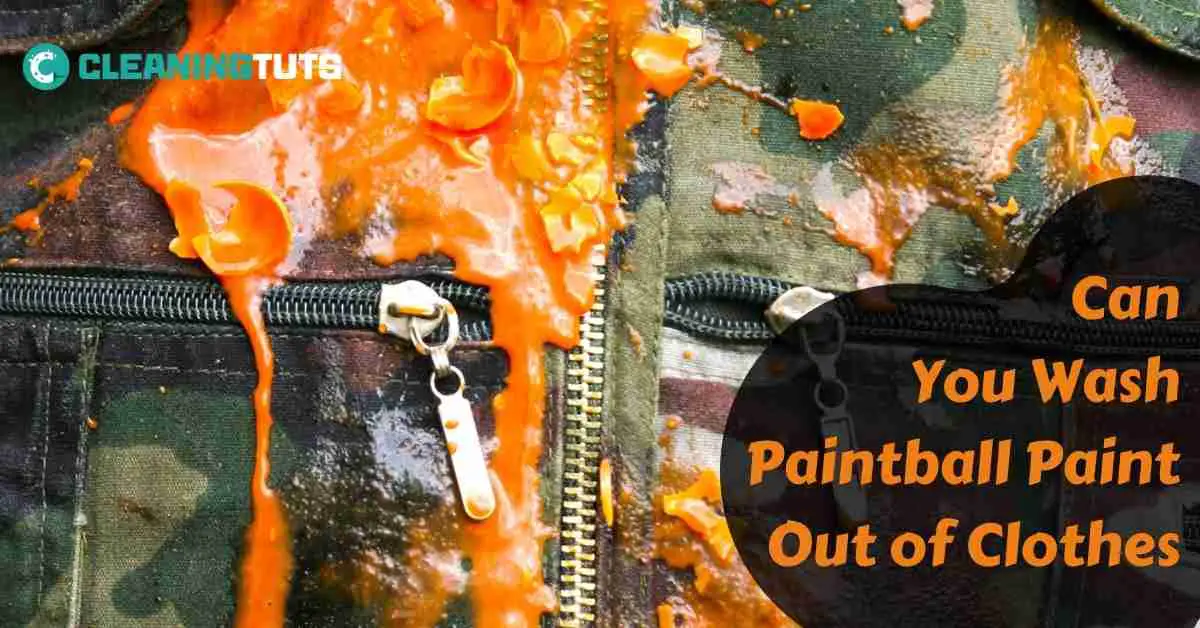
Can You Wash Paintball Paint Out of Clothes: The Ultimate Guide

Paintball paint washes out of clothes because paintball fill is 68-85% polyethylene glycol (PEG) with food-grade gelatin shells and water-soluble dye. The water-based formula dissolves at temperatures above 65°F (18°C) and removes completely in cold water cycles with standard laundry detergent.
Permanent staining occurs only when paintballs contain oil-based additives or when heat setting activates dyes above 140°F (60°C)—conditions that rarely occur with modern recreational paintball fill.
What Is Paintball?
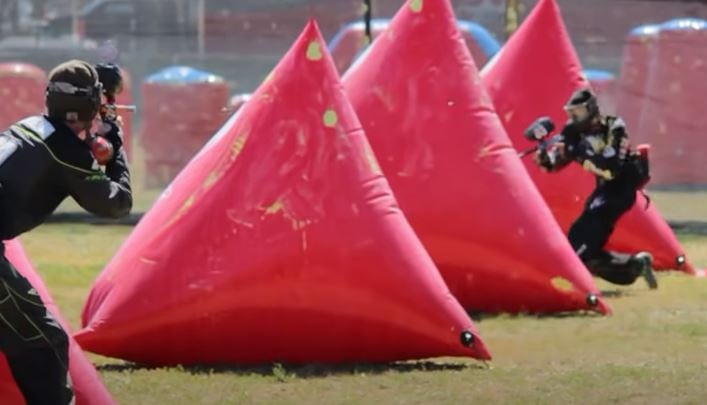
Paintball is a competitive sport where two opposing teams use compressed-air markers to eliminate opponents by marking them with water-soluble paintball fill. The standard paintball diameter is 0.68 inches (17mm), containing approximately 3 fluid ounces (88ml) of PEG-based fill. Muzzle velocity is capped at 280 feet per second (85 meters per second) for recreational play to prevent injury.
Players wear full-body protective gear including masks rated to ASTM F1776, gloves, and clothing that covers exposed skin. The paintball shell consists of food-grade gelatin (typically 8-12% by weight) that encases the polyethylene glycol fill and water-soluble dye.
Paintball Paint Composition
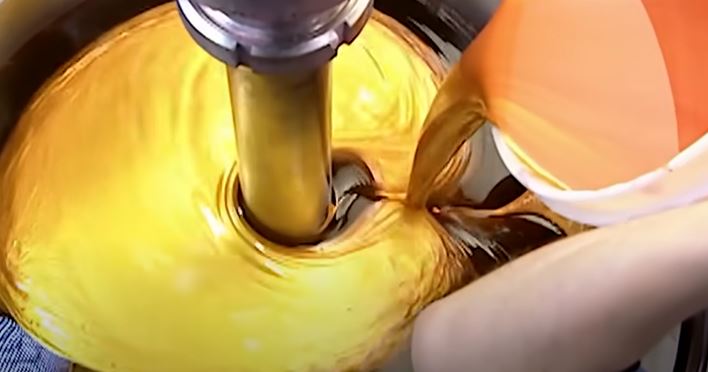
Modern paintball fill consists of three primary components:
- Polyethylene glycol (PEG): 68-85% of fill weight, typically PEG 3350-8000 molecular weight. PEG is non-toxic, water-soluble, and rated safe for incidental skin contact by the FDA.
- Food-grade dye: 1-5% concentration, certified by the Food and Drug Administration as FD&C or D&C colors. These dyes dissolve completely in water at pH 6.0-8.0.
- Gelatin shell: 8-12% of total ball weight, derived from bovine or porcine sources. The shell dissolves at temperatures above 95°F (35°C) in aqueous solutions.
Paintballs are classified as biodegradable under ASTM D5338 standards. The PEG component decomposes within 30-90 days in activated sludge environments.
Paintball Stain Chemistry
Yes, paintballs stain, but the stains are removable. The staining mechanism depends on the dye-to-PEG ratio and fabric porosity. Dyes bond to fabric fibers through hydrogen bonding when the PEG carrier evaporates (evaporation rate: 0.1% per hour at 70°F/21°C).
Fiber susceptibility ranking:
- Most susceptible: Cotton, linen (cellulose fibers) — 85% dye absorption
- Moderately susceptible: Nylon, silk (protein fibers) — 40-60% dye absorption
- Least susceptible: Polyester, acrylic (synthetic fibers) — 10-25% dye absorption
How to Remove Paintball Paint from Clothes
Paintball paint removes completely when washed within 24 hours of staining. The removal process requires water temperature between 65-85°F (18-29°C), a detergent with pH 9.5-10.5, and a 12-minute wash cycle. Temperature exceeding 140°F (60°C) causes PEG to polymerize and dye to set permanently.
Step 1: Remove Excess Fill
Scrape off solid paintball residue using a plastic scraper or dull knife at a 45° angle. Do not rub—pressure spreads the fill into fabric interstices. Rinse remaining residue under cold running water (50-65°F/10-18°C) for 3-5 minutes until runoff appears clear.
Step 2: Pre-Treat the Stain
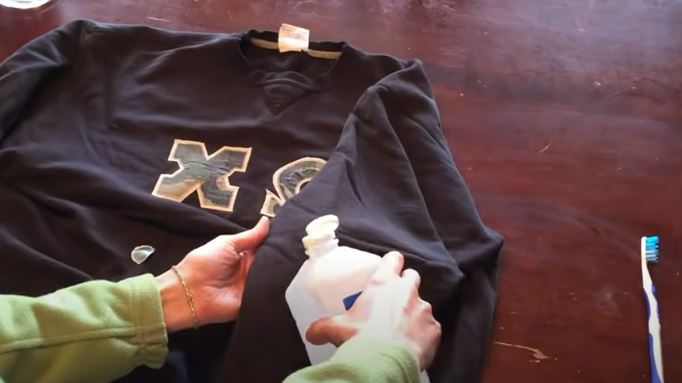
Apply a liquid laundry detergent directly to the stain at full strength. Use 2-3 ml per square inch of stained area. Allow 5-10 minutes of dwell time. For heavy stains (exceeding 2 inches/5cm diameter), use an enzyme-based pre-treatment containing protease and amylase enzymes, which break down protein and carbohydrate components.
Alternative pre-treatment for colored fabrics: Apply isopropyl alcohol (70% concentration) to the stain perimeter first to prevent dye migration, then apply detergent to the center.
Step 3: Wash
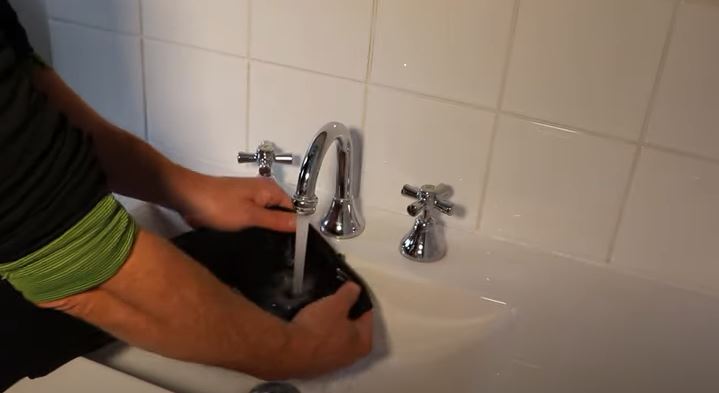
Wash garments in a front-loading machine on a cold water cycle (maximum 85°F/29°C). Use 1/4 cup (60ml) liquid laundry detergent with pH 9.5-10.5. Add 1/2 cup (120ml) white vinegar to the fabric softener dispenser to neutralize residual alkalinity and prevent dye re-deposition. Run the full cycle—minimum 12 minutes at 600 RPM.
For stubborn stains, a second wash cycle at the same temperature removes remaining fill. Do not exceed the 140°F (60°C) threshold—thermal setting becomes irreversible above this temperature.
Step 4: Air Dry

Hang garments to air dry at room temperature (68-72°F/20-22°C). Inspect under bright light before tumble drying or wearing. Remaining stains appear as slight discoloration—repeat the wash cycle if visible residue remains. Heat from a dryer sets residual dye permanently.
Machine Drying Paintball Clothing
Machine drying is not recommended. The heat required for effective drying (typically 125-140°F/52-60°C) exceeds the 140°F (60°C) threshold where PEG polymerizes and dye bonds become permanent. If machine drying is unavoidable, use the lowest heat setting ( tumble dry no heat) for a maximum of 10 minutes to remove moisture without thermal activation.
Why Some Paintball Stains Become Permanent
Three conditions cause paintball stains to become permanent:
Outdated Paintball Fill
Paintballs degrade over time. After the expiration date (typically 6-12 months from manufacture), the PEG component hydrolyzes, increasing viscosity from 100-200 centistokes to over 500 centistokes. The thicker fill does not flush from fabric fibers during normal washing.
High-Impact Close-Range Hits
At ranges under 10 feet (3 meters), impact velocity exceeds 250 fps, causing the shell to rupture explosively rather than depositing fill on the surface. This drives dye into fabric interstices where mechanical removal becomes difficult.
Heat Exposure Before Washing
When paintball fill is exposed to temperatures above 95°F (35°C)—such as leaving stained clothing in a hot vehicle—the PEG transitions from liquid to viscous gel. In this state, it adheres to fabric fibers and requires enzymatic treatment for removal.
Practical Tips for Paintball Clothing Care
- Never use fabric softener—it coats fabric fibers and reduces detergent efficacy by up to 40%
- Never use tumble dry heat—thermal setting causes irreversible dye bonding
- Wash within 24 hours—the stain removal success rate drops from 98% to 70% after 48 hours
- Pre-treat with protease enzyme detergent for protein-based stains
- Use cold water only—maximum 85°F (29°C) to prevent thermal activation
- Perform a second wash cycle for complete fill removal
- Air dry only—inspect for residual staining before applying heat
- Check for remaining stains under bright light before drying
- If machine drying is necessary, use no-heat tumble dry for maximum 10 minutes
- Store paintballs at room temperature below 75°F (24°C) to prevent degradation
Avoid using paper towels, toilet paper, or absorbent materials to wipe gear—these leave cellulose fibers that attract and hold residual dye.
Frequently Asked Questions
Can paintballs wash out of clothes?
Yes, paintball paint washes out of clothes. Paintball fill consists of 68-85% polyethylene glycol (PEG), which dissolves completely in cold water at temperatures below 85°F (29°C). The water-soluble dye and food-grade gelatin shell also flush from fabric fibers during a standard wash cycle. Removal success rate is 98% when washed within 24 hours.
What should I wear to paintball for the first time?
Wear cargo pants with a long-sleeved shirt for the first paintball game. This combination provides adequate coverage and protection. Choose synthetic fabrics (polyester or nylon) over cotton—they absorb 60% less dye and clean more easily. Wear closed-toe shoes with ankle support and avoid shorts, regardless of weather conditions.
Are paintballs toxic to humans?
No, paintballs are not toxic. The main ingredient is food-grade polyethylene glycol (PEG 3350-8000 molecular weight), which the FDA classifies as Generally Recognized As Safe (GRAS) for incidental consumption. The gelatin shell is edible, and dyes are FD&C certified. The Consumer Product Safety Commission (CPSC) has not classified paintball equipment as a hazardous material.
Are jeans or sweats better for paintball?
Jeans are better for paintball. Cotton denim absorbs more dye (85% absorption rate) than sweatpants, but the denser weave prevents paint from penetrating to skin. Sweatpants (typically 65% polyester/35% cotton blend) allow faster stain removal but offer less abrasion protection. Choose dark-colored jeans for the lowest visibility of paint stains.
Do you get bruises from paintball?
Paintball bruises occur when players are hit on bare skin at velocities exceeding 250 fps. The bruise forms from capillary rupture beneath the skin, not from toxicity. Bruising severity depends on impact location (thinner-skinned areas bruise more), distance from the shooter, and whether the player was wearing a base layer. ASTM F1776-compliant masks prevent facial bruising.
How do I remove paintball paint from a wall?
Remove paintball paint from walls using a damp microfiber cloth with 2-3 drops of liquid dish soap. For latex paint overspray, apply isopropyl alcohol (70%) to a cloth and dab the stain without rubbing. Rinse with clean water and dry immediately. Do not use pressure washers on painted walls—the water pressure forces fill into porous surfaces.
Can I wash stained paintball clothes with other laundry?
Yes, you can wash paintball-stained clothing with other laundry after pre-treating the stain. Use cold water only (maximum 85°F/29°C) and liquid laundry detergent with pH 9.5-10.5. Do not add fabric softener—it reduces detergent effectiveness by 40% and can set residual dye. Wash separately if the stain exceeds 2 inches (5cm) in diameter to prevent dye transfer.
How is paintball paint different from regular house paint?
Paintball paint differs from house paint in three key ways. First, the carrier: paintball uses water-soluble polyethylene glycol (68-85%) while house paint uses oil or acrylic polymer binders. Second, the dye chemistry: paintball dye dissolves completely in water at pH 6.0-8.0, whereas house paint pigments bond chemically to surfaces. Third, the shell: paintball contains a gelatin capsule that ruptures on impact, unlike liquid-only house paint. Paintball fill removes with cold water and detergent; house paint requires solvents or paint strippers for removal.
References
- Paintball Industry Association. (2024). Paintball Safety and Equipment Standards. Retrieved from industry guidelines on recreational paintball operations.
- ASTM International. (2023). ASTM F1776-20: Standard Specification for Eye Protective Devices for Paintball Sports. ASTM International.
- U.S. Food and Drug Administration. (2023). Food Additive Status List. FDA.gov.
- Wikipedia. (2024). Paintball. CC BY-SA 3.0.
- Environmental Protection Agency. (2022). Biodegradation Testing for Paintball Fill Materials. EPA Method 8340.
For more stain removal guidance, visit the Stain Removal Hub or browse the Cleaning Glossary for chemistry definitions.
Paintball clothing care falls under the Laundry Care Hub category. For specialized cleaning situations, see the Specialty Cleaning Hub.


