
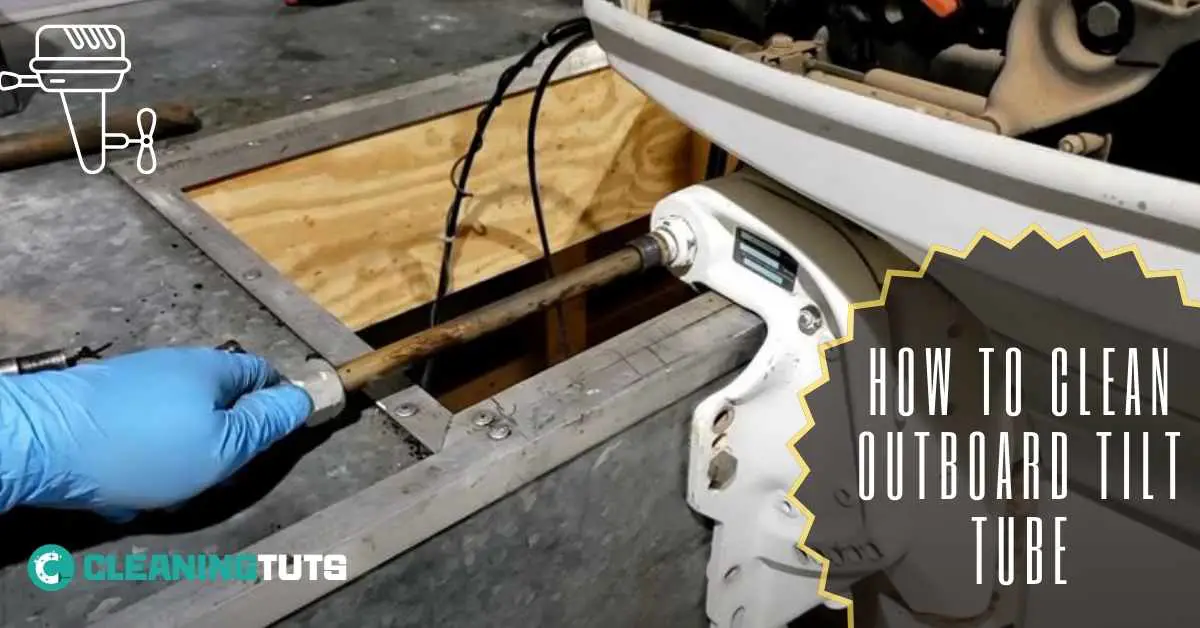
How to Clean Outboard Tilt Tube?

Cleaning an outboard tilt tube requires disassembling the steering cable, removing corrosion with a wire brush, and lubricating with water-resistant marine grease. This complete guide covers removal, cleaning, lubrication, and reassembly for boats operated in both freshwater and saltwater.
Warning: Steering component damage during disassembly causes immediate steering failure. Always replace damaged components—repair attempts compromise safety.
How Do You Remove a Steering Cable from a Tilt Tube?
Removing a steering cable from a tilt tube requires disconnecting from the helm, threading a retrieval rope, and measuring the replacement cable before reinstallation.
Disconnect the Steering Cable
Disconnect the steering cable from both the steering helm and the engine. Use a socket wrench with a 9/16-inch (14mm) deep-well socket to remove the bolts securing the cable to the helm and engine mount. Mark each connection point with tape for reinstallation alignment.
Pull the Cable Using a Retrieval Rope
Thread a 1/4-inch braided nylon retrieval rope through the cable housing from the engine end to the helm end. Tie the rope to the old cable’s helm end using a bowline knot. Pull the old cable out while leaving the rope in place—you will use this rope to pull the new cable back through.
Note: Do not cut the retrieval rope. The rope guides the new cable through the housing; cutting it eliminates your reinstallation method. If the rope is damaged, thread a new one before proceeding.
Measure and Install the Replacement Cable
Measure the old cable from end to end with a tape measure. Compare measurements against the new cable before cutting or installing. Apply a 2-inch-wide bead of marine grease along the outer housing of the new cable. Tie the retrieval rope to the new cable’s helm end and pull from the engine side until the cable is fully seated. Torque the mounting bolts to 25–35 ft-lbs (34–47 Nm).
How Do You Clean an Outboard Steering Cable?
Regular cleaning maintains smooth steering operation and prevents corrosion-induced binding. Saltwater use accelerates corrosion rates by 5–10 times compared to freshwater operation, according to the American Boat and Yacht Council (ABYC).
Inspect and Assemble Boat Components
Position the boat on a level surface or lift the bow to access the tilt tube. Verify the outboard motor is secured to the transom. Check the steering wheel for binding by rotating full lock-to-lock—resistance exceeding 2 ft-lbs indicates the need for lubrication or cable replacement.
Inspect all cable housing brackets for corrosion. Replace any brackets showing pitting or cracking. Apply a penetrating lubricant like WD-40 Specialist to corroded fasteners and allow 10–15 minutes before removal to prevent bolt seizure.
Note: Do not disassemble sealed cable housings. Disassembly compromises the airtight seal and introduces moisture, accelerating internal corrosion. Replace the entire cable assembly if internal binding is suspected. For rust prevention on other marine hardware, consult the Cleaning Chemistry Guide.
Clean and Lubricate the Tilt Tube
Follow this step-by-step procedure for thorough tilt tube and steering cable cleaning:
- Remove the steering cable and telescoping ram from the tilt tube by extracting the cotter pins and clevis pins from both ends.
- Insert a 3/8-inch bottle brush attached to a variable-speed drill into the tilt tube. Run at 300–500 RPM while moving in/out to dislodge corrosion deposits. Repeat with clean water until no rust particles appear on the brush.
- Spray the cleaned interior with a 50/50 mixture of fresh water and white vinegar to neutralize salt deposits. Rinse thoroughly with fresh water and dry completely with compressed air.
- Apply a liberal coat of water-resistant marine grease (minimum NLGI Grade 2) to the inner walls using a grease gun with a flexible nozzle. Work the grease into the bore by cycling the motor tilt several times.
- Clean the steering cable’s sliding surfaces with a wire brush. Apply marine grease to all exposed cable sections and the telescoping ram. Reassemble all components, ensuring cotter pins are properly seated and all fasteners are torqued to specification.
Why Is My Boat Steering Wheel Hard to Turn?
A stiff steering wheel indicates insufficient lubrication, corrosion buildup, or hydraulic lock. Diagnosis requires systematic inspection of each component.
Insufficient Lubrication
Without adequate lubrication, metal-on-metal contact generates friction that heat up components and accelerates wear. The US Coast Guard reports that 23% of boating incidents involve equipment failure, with steering problems as a leading cause of loss of vessel control.
Inject marine grease into all grease fittings using a grease gun until fresh grease weeps from the seals. For self-lubricating cables, inject lubricant directly into the cable housing through the bellows boot. Cycle the steering 10–15 times after lubrication to distribute the grease evenly.
Steering Cable Corrosion
Galvanic corrosion forms on exposed steel when dissimilar metals contact in an electrolyte solution (saltwater). The corrosion products (iron oxide) occupy 2–3 times the volume of the original metal, causing the cable to bind inside its housing.
Clean visible corrosion with a wire brush. Apply a corrosion inhibitor like Corrosion-X or Boeshield T-9 to all exposed metal surfaces. If the cable shows pitting or diameter reduction, replacement is required—cleaning cannot restore structural integrity lost to corrosion.
Hydraulic Lock from Grease Contamination
Support tubes on the engine top contain grease fittings that can pump grease into the cable jacket under pressure. When grease accumulates in the jacket annulus, it creates hydraulic resistance that prevents cable movement.
Hydraulic lock requires complete cable replacement. Attempting to purge the grease causes seal damage and introduces moisture. Prevention involves limiting grease gun pressure to 100–150 psi when lubricating support tube fittings.
What Is an Outboard Tilt Tube?
A tilt tube (also called a tilt ram or steering ram) is a hydraulic or mechanical cylinder mounted on the boat’s transom that houses the steering cable. It pivots the outboard motor up and down via the tilt-and-trim mechanism while routing the steering cable from the helm to the motor.
The tilt tube performs three functions: it provides the hinge point for engine tilt operation, it houses and protects the steering cable, and it transmits steering inputs from the helm to the outboard’s propeller direction. Tilt tubes are typically constructed from stainless steel or anodized aluminum and require annual inspection and lubrication for reliable operation.
Should You Clean the Lower Unit Before the Tilt Tube?
Clean the lower unit first to prevent debris from entering the tilt tube during subsequent work. Debris in the lower unit can migrate upward into the tilt tube bore when the motor is tilted, contaminating cleaned components and accelerating wear.
For comprehensive boat hull and lower unit maintenance, consult the Specialty Cleaning Guide. Regular maintenance of all marine components extends equipment lifespan and ensures reliable on-water performance. Proper boat care also includes attention to often-overlooked areas. For tight spaces and hard-to-reach compartments, vacuum troubleshooting techniques help maintain cleanliness and prevent corrosion-causing debris buildup.
Bottom Line
Outboard tilt tube cleaning requires proper disassembly, thorough corrosion removal, and application of marine-grade lubricant. Annual inspection and lubrication prevent steering binding and extend component life. When in doubt about component condition, consult a certified marine technician—steering system failures compromise vessel safety and require professional assessment.
References
- American Boat and Yacht Council (ABYC). (2024). Steering System Standards. Annapolis, MD: ABYC.
- U.S. Coast Guard Office of Boating Safety. (2023). Recreational Boating Statistics. Washington, DC: USCG.
- National Marine Manufacturers Association (NMMA). (2024). Engine Lubricant Certification Standards. Chicago, IL: NMMA.
- BoatUS. (2023). Steering and Propulsion System Maintenance Guide. Springfield, VA: Boat Owners Association of the United States.

