
How to Clean Rub Rails on a Boat?

Boat rub rails absorb impact from docks, pilings, and seawalls during every docking maneuver. Cleaning rub rails on a boat requires pH-neutral soap solution, soft-bristle brushes, and periodic deep cleaning with mild bleach solution to prevent marine growth buildup that causes surface etching.
Regular rub rail maintenance extends the lifespan of the vinyl, rubber, or PVC insert and prevents costly replacements. For basic scuff removal, wipe the surface with a solution of mild dish soap diluted in fresh water at a ratio of 1 tablespoon per gallon, using a microfiber cloth to avoid abrasive damage to the rail finish.
Where is the Rub Rail on a Boat?
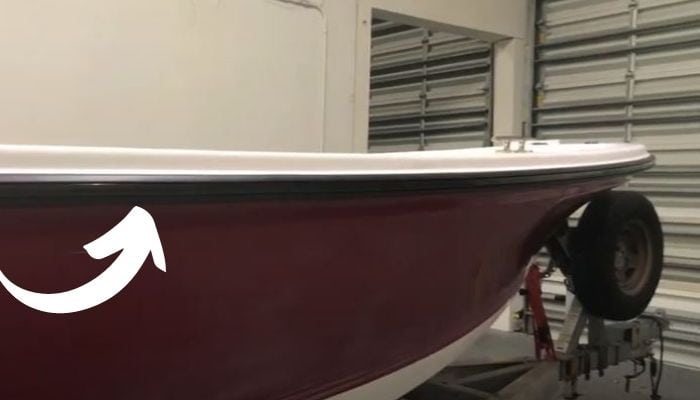
The rub rail is a continuous extruded profile running the full perimeter of the boat at the hull-to-deck joint. As boats feature a progressive flare—the hull widens outward as height increases—rub rails sit at the widest point of the vessel, exactly where contact with external objects occurs during berthing and towing.
What is the Rubber Around the Boat Called?
A rub rail hides the joint between a boat’s deck and hull while accentuating the sheerline. It functions as a sacrificial buffer between the boat and pilings, seawalls, and other obstructions—absorbing impact energy that would otherwise damage the hull gel coat.
The rub rail assembly consists of two components: the mounting rail (secured with screws or rivets to the hull) and the flexible insert (vinyl, rubber, or PVC) that contacts external surfaces. Inserts are designed to be replaceable without removing the mounting rail, typically cutting replacement cost by 60–70% compared to full assembly replacement.
Rub rails terminate at the transom—the vertical surface at the boat’s stern—or at deck-level rail ends on smaller vessels. Most residential boat rub rails use either a co-extruded vinyl construction (resistant to UV and salt) or a rubber compound with stainless steel or plastic retainer strips.
How to Keep Your Boat Looking New
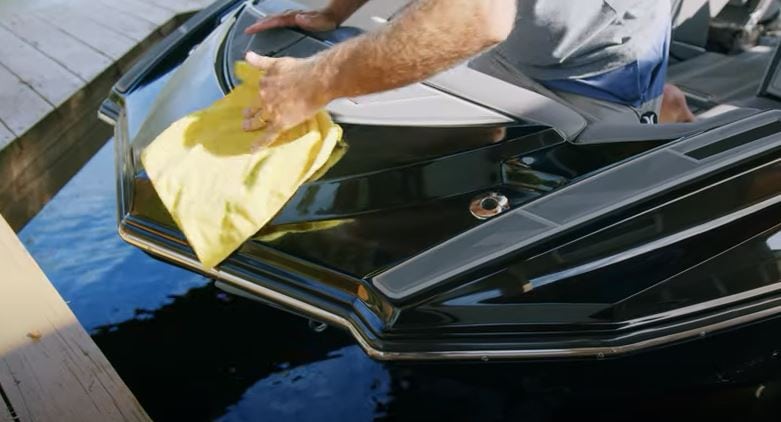
Maintaining a boat’s appearance requires a consistent cleaning schedule that addresses both interior and exterior surfaces. For hull and rub rail care, a monthly wash with pH-neutral soap (pH 7) removes salt deposits that accelerate corrosion on metal fittings and UV degradation on rubber components.
Boat hulls submerged for extended periods accumulate biofouling—marine organisms including algae, barnacles, and mussel deposits. This fouling increases drag by 5–10% on pleasure vessels and requires removal with soft-bristle brushes or plastic scrapers to avoid damaging the gel coat finish. Ignoring hull fouling leads to osmosis blistering in fiberglass hulls, where water penetrates the laminate and separates plies—a repair costing $3,000–$15,000 depending on extent.
Interior Boat Cleaning Schedule
Saltwater exposure corrodes metal components and leaves crystalline deposits that attract moisture, promoting mold growth. Flush all saltwater-contact surfaces with fresh water within 4 hours of saltwater use to prevent salt crystallization. Use a solution of ¼ cup household bleach (5–6% sodium hypochlorite) per gallon of fresh water for sanitizing cockpit soles and bilge areas.
Exterior Hull and Rub Rail Care
The hull is the first surface visible from distance and the primary determinant of first impressions. Fiberglass gel coat requires washing every 1–2 weeks during active use seasons with a pH-balanced boat soap. Apply a protective wax coat every 3–4 months to maintain UV resistance and prevent chalking.
Engine Maintenance for Peak Performance
Hull fouling directly impacts boat speed and fuel efficiency—a 10% fouling increase raises fuel consumption by approximately 2%. Three engine configurations exist for recreational boats: outboard (engine mounted externally on transom), inboard (engine inside hull with shaft drive), and sterndrive (engine partially external with outdrive leg). Monthly inspections of engine cooling systems, propeller condition, and gear lubricant levels prevent mechanical failures that leave vessels stranded.
How to Reinstall Rub Rails on Your Boat
Rub rail installation requires 15–20% additional material beyond measured length to accommodate hull curvature. Complete all measurements and prepare mounting hardware before beginning—the two-person installation process takes 2–4 hours for first-timers.
Removing the Old Rail
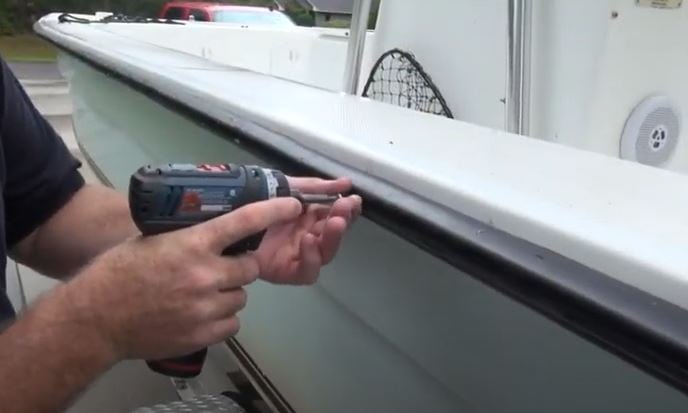
Remove fasteners using the correct driver type—Phillips, flathead, or hex bolt heads depending on manufacturer specifications. Work from one end to the other while a helper supports the rail to prevent bending or kinking the mounting channel. Label each fastener with tape noting its position for reinstallation sequence.
Removing the Insert
Once the retaining rail is removed, slide a flathead screwdriver beneath the insert lip and apply steady upward pressure while working along the length. Stubborn inserts respond to heating with a heat gun at 120°F (49°C)—softening the vinyl or rubber enough to release adhesive bonds without thermal damage.
Cleaning Residue from Mounting Surface
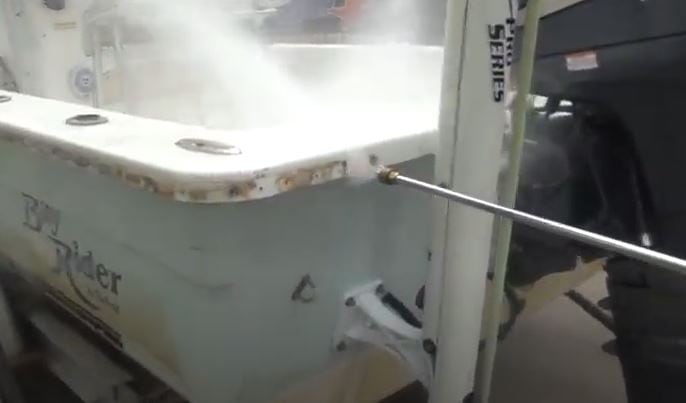
After insert removal, the mounting channel accumulates old adhesive, salt deposits, and biological growth. Remove residue with a plastic putty scraper—never metal tools that gouge the fiberglass substrate. Clean the channel with isopropyl alcohol (70% concentration) applied with a microfiber cloth, allowing 15 minutes drying time before installing new insert.
How to Remove Scratches from Rub Rails
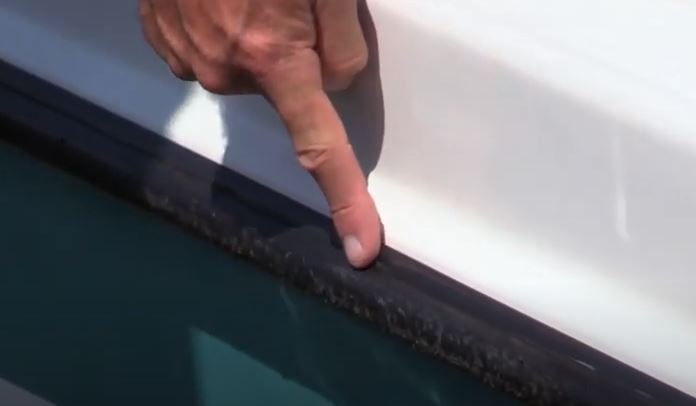
Rub rail scratch removal depends on severity and material composition. Surface scuffs from dockside contact respond to simple cleaning, while deeper abrasions require compound treatment or insert replacement.
Light Scuff Removal with Soapy Water
Surface scuffs from routine dockside contact dissolve with warm (90–100°F / 32–38°C) fresh water mixed with 1 tablespoon pH-neutral liquid dish soap per gallon. Apply with a microfiber cloth using circular motions, then rinse with clean water and dry with a chamois to prevent water spot formation.
Heavy Scuff and Marine Growth Removal
Stubborn scuffs, algal growth, and waterline staining respond to a 10-minute application of a dedicated rub rail cleaner or a 50/50 mixture of isopropyl alcohol and water. WD-40 Professional Multi-Use Product dissolves marine growth residue on vinyl rub rails and leaves a protective silicone coating that repels water—apply, let penetrate 2–3 minutes, then wipe clean with a microfiber cloth.
Rub Rail Cleaning Quick Reference
| Task | Solution | Temperature |
| Routine wash | 1 tbsp pH-neutral soap per gallon water | 90–100°F (32–38°C) |
| Salt removal | Fresh water rinse within 4 hours | Ambient |
| Sanitizing | ¼ cup bleach per gallon water | Room temp |
| Heavy fouling | 50/50 isopropyl alcohol/water or WD-40 | 120°F (49°C) max |
Boat Cleaning Products Comparison
| Product Type | Best For | Application |
|---|---|---|
| pH-neutral boat soap | Routine weekly cleaning | 1 tbsp/gal water, soft brush |
| Bleach solution (5–6% NaOCl) | Mold, mildew, salt deposits | ¼ cup/gal water, 10-min dwell |
| Isopropyl alcohol (70%) | Adhesive residue, prep cleaning | Spray, wipe with microfiber |
| WD-40 Multi-Use | Heavy marine growth, lubrication | 2–3 min dwell, wipe clean |
| Fiberglass wax/compound | Gel coat oxidation, UV protection | Apply every 3–4 months |
Rusty Anchor Chain vs. Rub Rail Cleaning
Cleaning rusty anchor chains and rub rails on a boat share maintenance principles but differ in material composition and cleaning approach. Anchor chains constructed from galvanized steel or stainless steel require rust-inhibiting treatments and periodic inspection for link wear—replace chains with 10% or greater visible corrosion. Rub rails constructed from vinyl, rubber, or PVC require UV protection and periodic insert replacement rather than chemical rust treatment.
For anchor chain maintenance, remove rust with a wire brush and apply a marine-grade chain lubricant that withstands saltwater immersion. Anchor rope care involves soaking in fresh water with mild detergent, air-drying completely, and inspecting for frayed strands that compromise break strength. Regular chain and rope maintenance prevents anchor failure during emergency moorings in adverse weather conditions.
Extend rub rail service life by applying UV-protectant sprays every 2–3 months—particularly important for PVC inserts that degrade faster than vinyl compounds under prolonged sun exposure. Inspect mounting fasteners annually for corrosion and replace any showing pitting within one season to prevent galvanic corrosion between dissimilar metals.
Conclusion
Boat rub rail maintenance involves routine cleaning with pH-neutral solutions, periodic deep cleaning with mild bleach to prevent biological buildup, and prompt scratch treatment to prevent UV degradation of exposed surfaces. Monthly inspections catch mounting fastener corrosion early, and annual insert replacement—rather than full rail replacement—keeps maintenance costs predictable.
A consistent cleaning schedule protects not only the rub rail but the entire hull-to-deck joint from water intrusion that causes delamination and structural failure. For comprehensive boat care, consult the Cleaning Glossary for terminology definitions and the Specialty Cleaning Hub for marine-specific maintenance guides.
References
- BoatUS. (2023). Maintaining Your Boat Hull. https://www.boatus.com/expert-advice
- Discover Boating. (2024). Boat Maintenance Guide. https://www.discoverboating.com/resources/maintenance
- U.S. Environmental Protection Agency. (2024). Safer Pest Control: Synthetic Pesticide Coatings. https://www.epa.gov/safepestcontrol
- National Marine Manufacturers Association. (2023). Boating Industry Guidelines. https://www.nmma.net

