

How to Clean Rusty Anchor Chain

Surface cleaner spray, zinc undercoat spray, and WD-40 are the most effective rust removal methods for anchor chains. Vinegar soaking at pH 2.5 dissolves surface rust within 8-12 hours, while zinc spray provides lasting galvanic protection that prevents rust recurrence for 6-12 months in marine environments.
What Solutions Dissolve Rust on Anchor Chains?
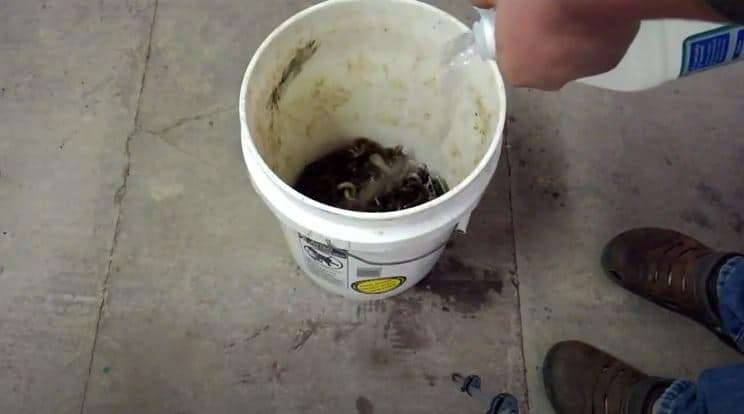
Rust removal from anchor chains requires understanding the chemical process. White vinegar (acetic acid at 5% concentration, pH 2.5) dissolves iron oxide rust through a simple acid-base reaction. For heavier corrosion, muriatic acid (hydrochloric acid diluted to 10-15%) works faster but carries significant risks.
Soak rusty chains in white vinegar for 8-12 hours for light surface rust. Muriatic acid requires only 20-30 minutes but causes etching on galvanized coatings after prolonged exposure exceeding 5 minutes.
| Acid Type | Concentration | Soak Time | pH Level | Best For |
|---|---|---|---|---|
| White Vinegar | 5% acetic acid | 8-12 hours | 2.5 | Light surface rust, galvanized metal |
| Muriatic Acid | 10-15% | 20-30 minutes | 0-1 | Severe rust, bare metal only |
| Phosphoric Acid | 5-10% | 1-4 hours | 1-2 | rust conversion, leaves protective layer |
Strong acids like muriatic acid dissolve the galvanizing coating along with the rust, causing etching that permanently damages the metal surface. This chemical action exposes bare steel beneath the protective zinc layer, accelerating future corrosion.
How to Restore a Rusted Boat Anchor
Professional anchor restoration at a marine facility involves a complete drydock process: inspection, derusting, repainting, and marking refreshment. For DIY restoration, three methods prove most effective for returning anchors to functional condition.
Surface Cleaner Spray Method
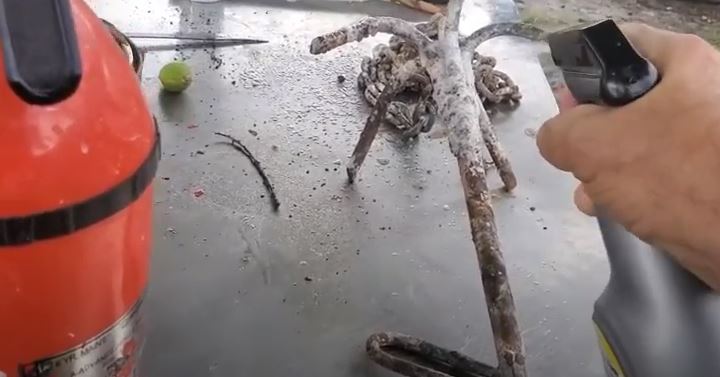
Surface cleaner sprays penetrate oxidation layers without damaging underlying metal. Spray generously, allow 5-10 minutes penetration time, then scrub with a wire brush. Rinse thoroughly with freshwater before the primer application step.
After cleaning, apply a rust-inhibiting primer within 30 minutes to prevent flash rusting. The primer creates a protective bond that extends the anchor’s service life by 2-3 years in typical marine conditions.
Zinc Undercoat Spray Method
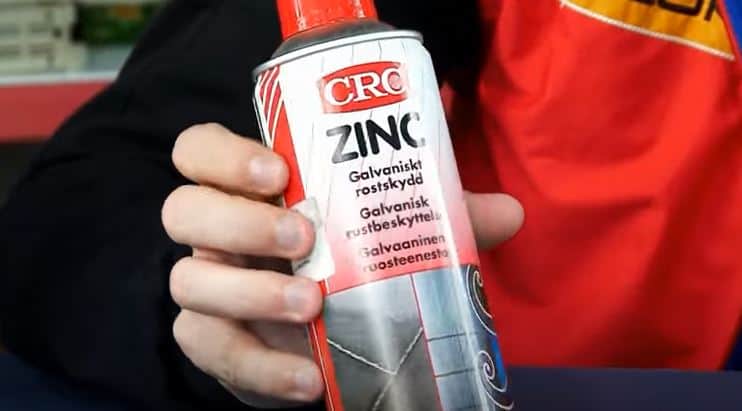
Zinc spray provides sacrificial galvanic protection that prevents rust recurrence for 6-12 months in saltwater environments. Apply the undercoat first, then allow 7 days curing time before applying the top seal coat.
The zinc metallically bonds to the anchor surface, creating a barrier where zinc corrodes preferentially to the underlying steel. This cathodic protection continues even if the coating becomes scratched.
How to Remove Rust from a Metal Chain
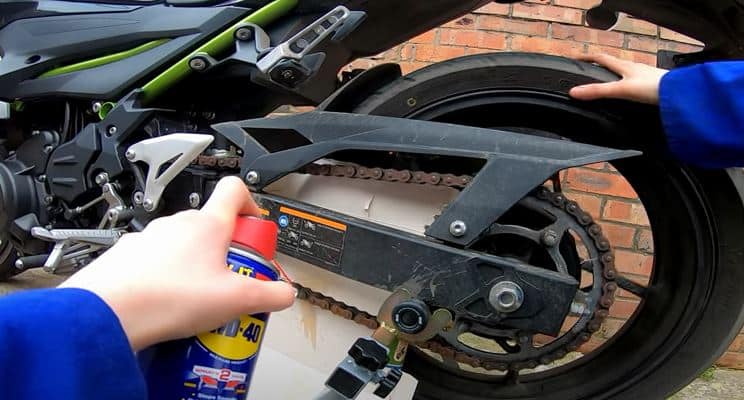
WD-40 breaks down the bond between metal and rust through surfactant penetration. The formula works within 10 minutes of application, causing visible bubbling and fizzing as rust oxidation converts to a removable residue.
WD-40 Application Steps
- Remove loose dirt and debris from the chain links
- Apply WD-40 generously until the chain is fully saturated
- Wait 10 minutes for chemical penetration
- Scrub with a wire brush working the solution into each link
- Wipe clean with a microfiber cloth
- Repeat for stubborn rust spots
For chains with heavy rust accumulation, extended soaking periods of 30-60 minutes improve effectiveness. Apply a marine-grade lubricant afterward to prevent future corrosion.
How to Clean a Galvanized Anchor Chain
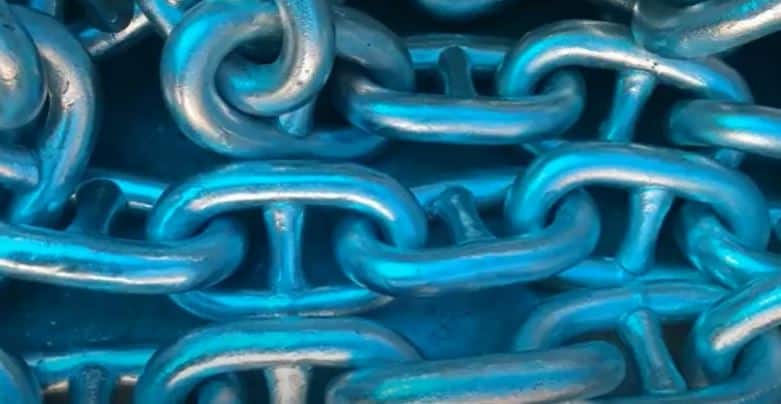
Galvanized anchor chains accumulate marine growth and require pH-appropriate cleaning solutions. Alkaline cleaning agents like sodium metasilicate (1-2% solution) or trisodium phosphate (0.5% solution) safely remove buildup without damaging the zinc coating.
Protecting the Galvanized Coating During Cleaning
Soak the chain in warm water (120-140°F) with ¼ cup dish soap per gallon. Scrub with a stiff brush using linear motions along the chain length. For hard water deposits, use equal parts white distilled vinegar and water.
To remove stubborn deposits, apply a paste of one part milk to two parts baby powder. Let stand for 15 minutes, then rinse thoroughly with clean water and dry completely before storage.
How to Clean and Maintain a Boat Anchor Chain
Most anchor chain manufacturers discontinued hot-dip galvanizing due to quality control issues, but re-galvanizing services remain available. Freshwater rinsing after each marine use extends chain life significantly.
Preventing Rust on Anchor Chains
- Rinse thoroughly with freshwater after every saltwater exposure
- Air dry completely before storage (minimum 2 hours)
- Apply a water-displacing lubricant after drying
- Store in a ventilated area with drainage
Rust reformation occurs within 24-48 hours if chains are stored while wet. Always verify complete drying before placing in enclosed storage containers.
Anchor Chain Maintenance Schedule
Regular inspection prevents anchor failure during critical moments. Check each link for wear, deformation, and section loss exceeding 10% of original diameter.
Inspection and Lubrication Procedure
- Disassemble chain from anchor and spread on a clean surface
- Inspect each link for cracks, pitting, and elongation
- Lubricate moving parts with marine-grade grease
- Check for any wear exceeding manufacturer specifications
Proper Storage Methods
- Use a bucket with drainage holes for airflow
- Place anchor and rode separately to prevent contact damage
- Ensure everything is completely dry before storing
Proper storage in a drained container with complete drying extends anchor chain service life to 10-15 years in moderate marine environments.
Anchor Rope vs. Anchor Chain Cleaning
Anchor rope requiresGentle washing with mild detergent and thorough air drying to maintain fiber integrity. Anchor chains need rust removal solutions and protective coatings. The maintenance approaches differ significantly due to material composition.
Cleaning anchor rope with harsh chemicals damages synthetic fibers, while abrasive methods ruin natural fiber ropes. Always match the cleaning method to the specific material for optimal longevity.
Bottom Line
The anchor and chain assembly is the primary stopping mechanism on any vessel. A single faulty link poses a critical safety risk, potentially causing complete anchor failure or loss overboard.
Regular inspection and maintenance prevents dangerous failures during operation. Implementing a freshwater rinse after every use and annual lubrication scheduling keeps anchor chains functional for a decade or more.
References
- ArmorVCI. (2024). Industrial Rust Removal: Acids and Water-Based Solutions Explained. ArmorVCI.
- WD-40 UK. (2024). How to Clean a Rusty Chain. WD-40 Company.
- U.S. Naval Engineering. (2023). Marine Chain Maintenance and Inspection Standards. NAVSEA Technical Manual.
For more specialty cleaning techniques, visit the CleaningTuts cleaning glossary for definitions of cleaning chemistry terms. Browse our floor cleaning master hub and bathroom cleaning guide for additional maintenance guides.

