
How to Clean Ford ActiveX Seats?

Ford ActiveX is a premium synthetic leather upholstery used in Ford vehicles including the Bronco Sport, Explorer, and Edge. Cleaning Ford ActiveX seats requires a pH-neutral cleaner (pH 7–9), a soft-bristled brush, and a microfiber towel. The complete process takes 45–60 minutes for a four-seat SUV.
Ford ActiveX seats resist dirt and stains better than genuine leather due to their closed-cell polymer construction. You can clean them at home using a mild detergent solution without special tools or equipment.
What Is Ford ActiveX Seating Material?
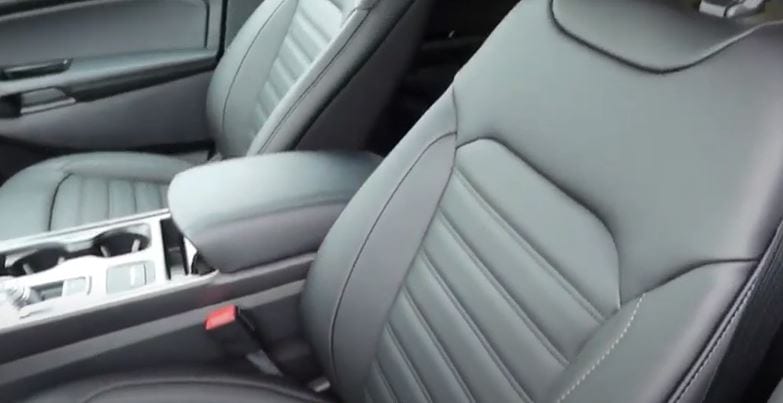
ActiveX is Ford’s branded synthetic leather alternative made from polymer-based materials. Unlike genuine leather, which uses animal hides, ActiveX contains no animal products and provides comparable comfort and appearance at a lower price point.
ActiveX sheets contain high-end synthetic polymers. An ActiveX seat resists staining and soiling better than leather because the closed-cell surface prevents liquid penetration. With proper care, ActiveX seats maintain their appearance for 5–7 years under normal use.
ActiveX costs 30–50% less than genuine leather upholstery while offering superior stain resistance. The material withstands UV exposure better than leather, reducing fade and cracking over time.
Many Ford owners report ActiveX compares favorably to vinyl in durability tests. The material resists punctures and tears better than standard vinyl due to its multi-layer construction.
What Cleaning Products Are Safe for ActiveX Seats?
ActiveX seats require pH-neutral cleaning products with a pH range of 7–9. Acidic cleaners (pH below 6) degrade the polymer surface. Alkaline cleaners (pH above 10) strip protective coatings.
Safe cleaning supplies for ActiveX:
- pH-neutral upholstery cleaner or mild dish soap (pH 7–8)
- 5 liters of warm water (30–40°C / 86–104°F)
- Soft-bristled brush or sponge
- Microfiber towels (at least 2)
- Wet/dry shop vacuum (optional)
Clean ActiveX seats every 2–4 weeks to prevent soil buildup. Frequent cleaning uses less product and takes less time than cleaning heavily soiled seats. Vacuum the seats before applying any liquid cleaner to remove loose debris.
A mini vacuum cleaner designed for automotive interiors simplifies debris removal. Use the upholstery attachment to reach between seat crevices.
How to Clean Ford ActiveX Seats: Step-by-Step Process
The Ford ActiveX cleaning process follows five stages: preparation, vacuuming, soap application, rinsing, and drying. Total time for a four-seat SUV is 45–60 minutes.
Step 1: Remove All Items from the Vehicle Interior
Clear the cabin of all personal items, floor mats, and accessories before cleaning seats. Liquid cleaning solutions can splash onto surfaces beneath the seats. Remove car fresheners, charging cables, and documents to prevent water damage.
Step 2: Vacuum Loose Debris from Seat Surfaces
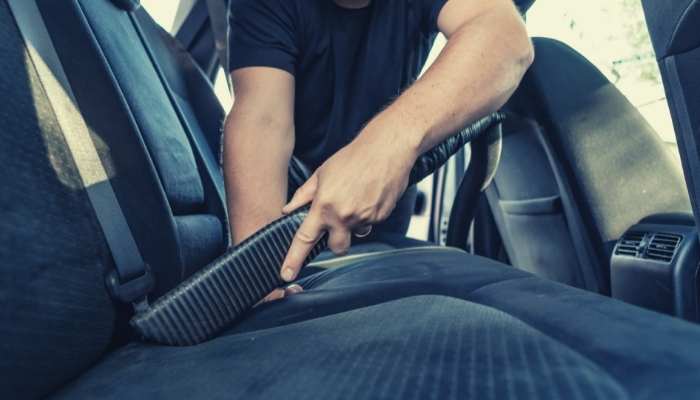
Use a small automotive vacuum with an upholstery attachment. Move the nozzle across each seat surface using slow, overlapping strokes. Apply moderate pressure to agitate debris from seat crevices.
Do not use maximum vacuum suction on ActiveX surfaces—excessive suction can cause surface deformation. Standard household vacuum settings (100–150 air watts) work safely on automotive upholstery.
Step 3: Prepare and Apply the Soap Solution
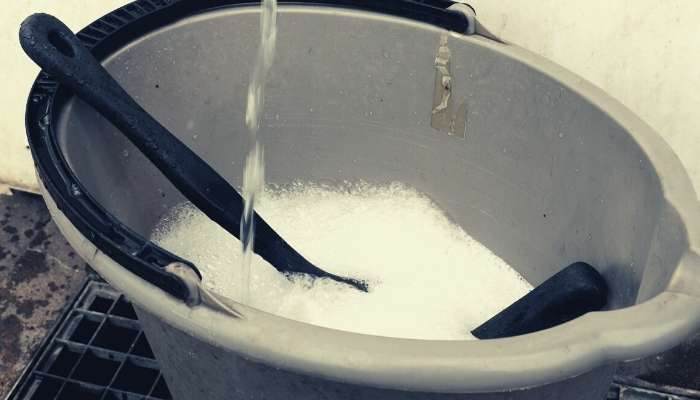
Mix the cleaning solution in a bucket:
- 5 liters of warm water (30–40°C / 86–104°F)
- 15–30 ml of pH-neutral upholstery cleaner or mild dish soap
- Stir until fully dissolved
Avoid machine washing detergents containing enzymes, bleach, or fabric softeners—these chemicals degrade polymer surfaces over time. Look for cleaners labeled “upholstery safe” or “fabric-safe.”
Dip a soft-bristled brush or sponge into the solution. Wring out excess liquid—the sponge should be damp, not dripping. Apply the solution to seat surfaces using circular motions.
Step 4: Agitate and Wipe Clean with a Damp Cloth
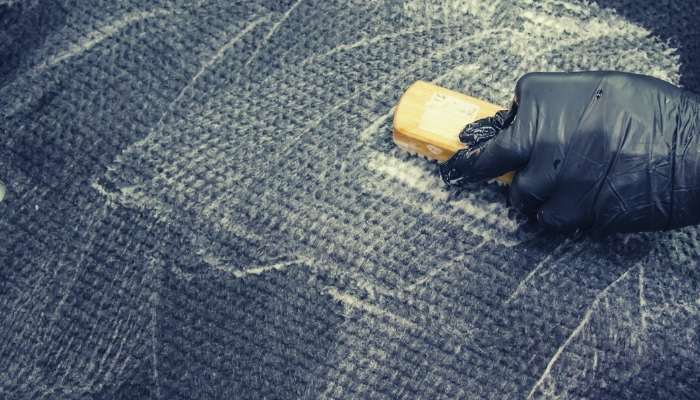
Gently agitate the seat surface with the damp sponge using light pressure. For stubborn stains, allow the soap solution to sit for 2–3 minutes before wiping.
Rinse the sponge frequently in clean water to prevent redistributing soil. Replace the rinse water after cleaning each seat to maintain cleaning effectiveness.
Wipe the surface with a clean, damp microfiber towel to remove soap residue. Soap residue left on ActiveX attracts future dirt and creates a dull appearance.
Step 5: Dry the Seats with a Clean Microfiber Towel
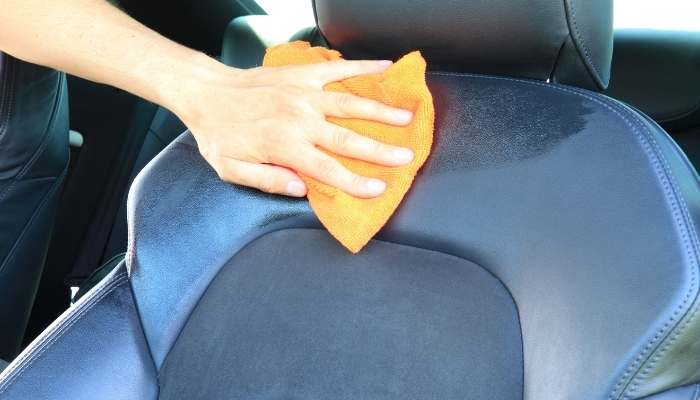
Use a dry microfiber towel to absorb remaining moisture. Pat the surface rather than rubbing to prevent scratching the ActiveX finish. Use a second towel if the first becomes saturated.
Allow the vehicle to air-dry with doors and windows open for 30–45 minutes. Good ventilation speeds drying and prevents moisture buildup in seat seams.
How to Remove Stains from Ford ActiveX Seats
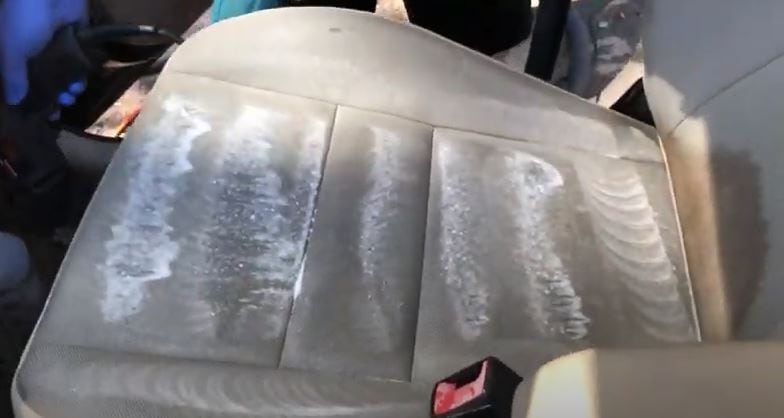
For food, beverage, or ink stains on ActiveX seats, use a 1:1 white distilled vinegar and water solution. The acetic acid in vinegar (typically 5–8% concentration) breaks down organic stains without damaging polymer surfaces.
Commercial stain removers designed for automotive upholstery work well on ActiveX. Test any product on an inconspicuous area first—apply a small amount, wait 5 minutes, then wipe clean to check for discoloration.
Stain Removal Process for ActiveX Seats
- Blot (do not rub) liquid stains immediately with a clean, dry microfiber cloth
- Vacuum dried debris from the stained area
- Apply a 1:1 vinegar and water solution to a clean sponge
- Gently dab the stain, working from outside toward the center
- Allow the solution to penetrate for 2–3 minutes
- Wipe clean with a damp microfiber towel
- Dry the area with a separate clean towel
For grease or oil stains, apply a small amount of pH-neutral dish soap directly to the stain. Work it in gently with a soft brush, then rinse with a damp cloth. Avoid harsh solvents like acetone or mineral spirits—they degrade ActiveX surfaces.
Ford ActiveX Seat Care and Maintenance Tips
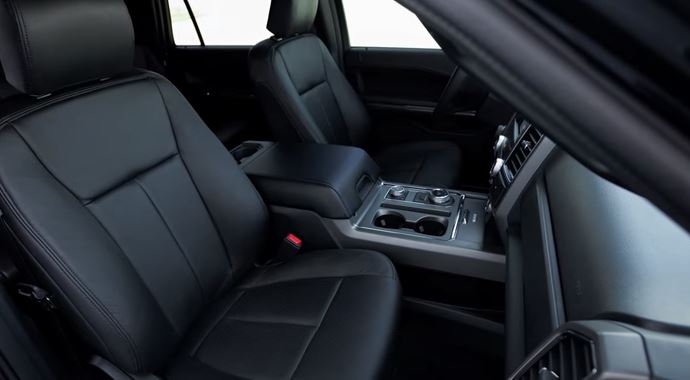
Proper maintenance extends ActiveX seat life to 5–7 years under normal use. Follow these guidelines to keep seats looking new:
- Clean seats every 2–4 weeks to prevent deep soil penetration
- Use only pH-neutral cleaners (pH 7–9) — never bleach, ammonia, or acetone
- Avoid leaving wet items on seats — prolonged moisture causes mold growth in seat foam
- Park in shaded areas when possible — UV exposure degrades all synthetic materials over time
- Apply a water-based fabric protector every 6 months to enhance stain resistance
Ford ActiveX vs Leather Seats: Comparison
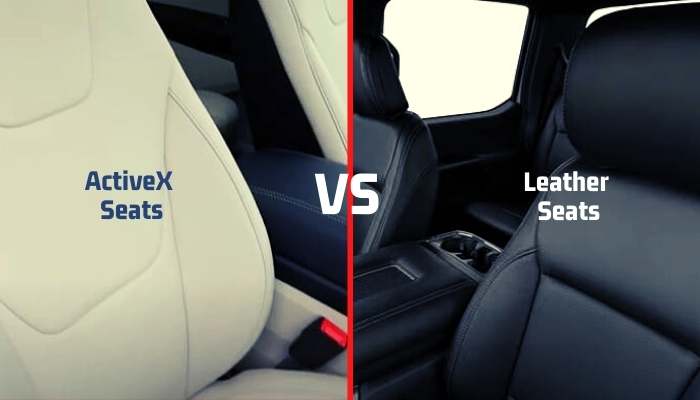
| Factor | ActiveX | Leather |
| Material | Synthetic polymer | Animal hide |
| Stain Resistance | High (closed-cell surface) | Moderate (porous surface) |
| Maintenance Frequency | Every 2–4 weeks | Every 1–2 weeks |
| Cost | 30–50% less than leather | Premium pricing |
| Durability | 5–7 years normal use | 4–6 years without conditioning |
| UV Resistance | Good | Poor to moderate |
Ford ActiveX Seats and 2012 Ford Escape: Same Cleaning Method
The 2012 Ford Escape uses the same ActiveX material found in newer Ford models. The cleaning method for 2012 Ford Escape seats is identical to the process described above. Vacuum first, apply a pH-neutral soap solution, rinse with a damp cloth, and dry thoroughly.
For more details, see our guide on how to clean 2012 Ford Escape seats.
Ford ActiveX Seat Cleaning: Key Takeaways
Cleaning Ford ActiveX seats takes 45–60 minutes and requires only basic supplies. The material’s closed-cell polymer construction makes it more stain-resistant than leather and easier to maintain. Clean seats every 2–4 weeks using a pH-neutral cleaner diluted in warm water (30–40°C). Vinegar solutions (1:1 ratio) work well for spot treating stubborn stains.
Regular maintenance extends ActiveX seat life to 5–7 years and preserves the vehicle’s resale value. Avoid bleach, ammonia, acetone, and harsh solvents—these chemicals degrade polymer surfaces and cause discoloration.
References
- AutoZone. (2024). How to Clean Car Seats: A Complete Guide. AutoZone.
- EPA. (2024). Safer Choice Program — Cleaning Products. U.S. Environmental Protection Agency.
- Car and Driver. (2023). Best Car Seat Cleaners: Keep Your Interior Spotless. Car and Driver.
- NSF International. (2024). Home Cleaning and Disinfection Guidelines. NSF International.

