
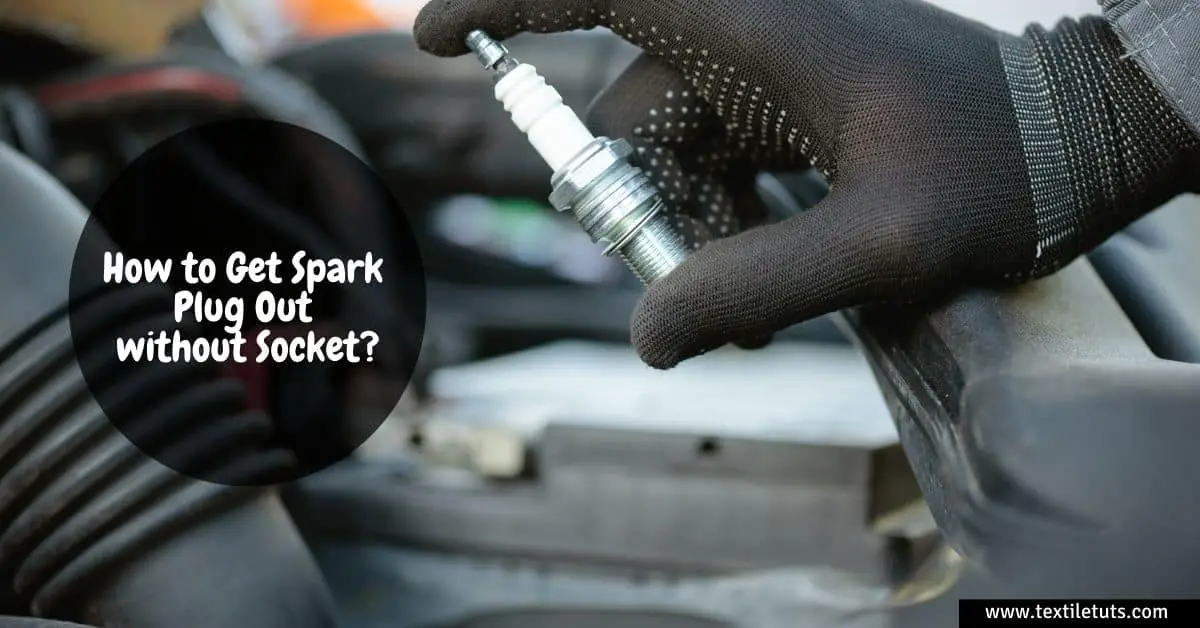
How to Get Spark Plug Out without Socket?

A spark plug ignites the air-fuel mixture in your engine’s cylinder head, starting your car. Over time, damaged spark plugs require replacement—and removal without a socket wrench demands specific tools and techniques to avoid cylinder head thread damage.
You can remove a spark plug without a socket using a ratchet with essential tools, though the process requires additional time and care. Always use a spark plug socket for safe, quick removal when available.
Tools You Need for Spark Plug Removal Without a Socket
- Screwdriver (flathead or Phillips based on your plug type)
- Wrench set with appropriate sizing
- Needle nose pliers
- Ratchet with extension bar
- Penetrating oil (for corroded or rusted plugs)
How to Remove a Spark Plug Without a Socket Wrench
Step 1: Park your vehicle on a flat, level surface and allow the engine to cool completely. Engage the parking brake and disconnect the negative battery terminal to prevent electrical shorts and accidental engine starting.
Step 2: Locate the spark plug beneath the hood. Most spark plugs sit in the cylinder head, often beneath an engine cover. Use a wrench to loosen the spark plug nut counterclockwise—typical hex sizes range from 5/8 inch (16mm) to 13/16 inch (21mm).
Step 3: If the spark plug resists removal due to corrosion or rust, apply a penetrating oil such as WD-40 or Liquid Wrench to the base of the plug. Allow 5–15 minutes for the lubricant to penetrate corroded threads before attempting removal again.
Step 4: Use a screwdriver inserted into the spark plug’s center electrode to carefully turn it counterclockwise. Alternatively, use needle nose pliers gripped firmly around the spark plug’s ceramic body to rotate it—apply even pressure to avoid cracking the insulator.
Step 5: Once the spark plug threads release, pull it straight upward to avoid cross-threading the cylinder head. Inspect the removed spark plug for gap wear, electrode erosion, or oil fouling to determine if replacement is necessary.
How to Install Spark Plugs Without a Socket
Step 1: Ensure your work area is well-lit and free of debris. Gather a clean, dry cloth, a gapping tool or feeler gauge, and a torque wrench capable of measuring 10–30 ft-lbs (13.6–40.7 Nm).
Step 2: Remove the spark plug wire using a twisting motion while pulling on the boot—never pull the wire itself to prevent internal conductor damage.
Step 3: Inspect the new spark plug for factory-set gap specifications. Standard automobile spark plugs require gaps between 0.6–1.8 mm (0.024–0.071 in); consult your vehicle manual for the exact specification. Use a gapping tool to adjust by bending the ground electrode carefully—never adjust iridium or platinum plugs as this damages the welded metal disk.
Step 4: Apply a small amount of anti-seize compound to the spark plug threads if your vehicle manual permits. This prevents corrosion and simplifies future removal. Use anti-seize sparingly—excess compound can contaminate the electrode.
Step 5: Thread the spark plug into the cylinder head by hand until the gasket seats, then tighten with your torque wrench to the manufacturer’s specification—typically 15–25 ft-lbs (20–34 Nm) for most passenger vehicles. Never overtighten, as this damages both the plug and cylinder head threads.
Step 6: Reconnect the spark plug wire by pushing the boot firmly onto the plug until you hear or feel a click. Twist the boot slightly to ensure a secure connection.
Step 7: Reinstall the engine cover and any removed components. Reconnect the negative battery terminal, then start your engine to verify proper operation.
Post-Installation: Reconnecting Spark Plug Wires
After installing new spark plugs, reconnect the plug wires to their corresponding terminals. Match each wire to the correct cylinder using the firing order in your vehicle’s service manual—incorrect wire placement causes engine misfires, rough idling, and reduced fuel efficiency.
Use a torque wrench when reconnecting if your vehicle specifies torque values for plug wire terminals. If you lack a torque wrench, hand-tightening ensures a snug fit without overtightening.
Start your engine after reconnection and listen for irregular firing sounds. Persistent issues indicate improper gap settings, cross-threaded installation, or an incompatible spark plug type—consult a certified mechanic in these cases.
Using WD-40 to Loosen Stuck Spark Plugs
WD-40 Multi-Use Product and similar penetrating lubricants dissolve rust and corrosion on metal threads. For seized spark plugs, apply the lubricant directly to the base of the plug where threads enter the cylinder head and allow 10–15 minutes for capillary action to draw the lubricant between corroded surfaces. Repeat application 2–3 times for heavily rusted plugs before attempting removal.
For extreme corrosion cases, specialized penetrating oils such as Liquid Wrench or Kroil provide higher penetration ratings than WD-40. These products contain naphthenic solvents that break down rust bonds more effectively, though they require similar dwell times of 10–30 minutes.
Safety Precautions for Spark Plug Replacement
- Wear safety glasses to protect eyes from debris, rust particles, and lubricant overspray
- Always disconnect the negative battery terminal before beginning work
- Allow the engine to cool completely—hot components cause burns and thermal expansion makes removal more difficult
- Use a spark plug socket whenever possible; alternative methods risk cracking the ceramic insulator or damaging cylinder head threads
- Never use excessive force on rusted plugs; overtightening after repeated removal attempts leads to broken plugs and costly repairs
- Apply anti-seize compound only to threads, never to the electrode or firing tip
Removing Spark Plugs Without a Magnet: Alternative Grip Methods
When facing the task of removing spark plugs without a magnet, use a spark plug socket with a rubber insert designed to grip the plug’s ceramic insulator. This socket design provides stability during extraction and prevents the plug from falling into the cylinder head well.
If a spark plug socket is unavailable, wrap electrical tape around the spark plug’s ceramic body to increase grip surface area, then use needle nose pliers or a strap wrench to rotate the plug counterclockwise. Apply steady, even pressure to avoid shifting the plug’s position during removal.
Final Recommendations
Removing or installing a spark plug without a socket wrench is possible with patience, proper tools, and careful technique. However, a dedicated spark plug socket—which costs under $10—provides the grip and leverage needed for safe, damage-free removal and installation. Invest in a spark plug socket and keep it in your vehicle’s emergency tool kit for roadside spark plug replacements.
For stubborn plugs with rounded hex heads or stripped threads, consult a certified mechanic rather than risking cylinder head damage. Professional thread repair or helicoil installation costs $100–$300, far less than a replacement engine head.
References
- Champion Auto Parts. (2024). Spark Plug Installation Tips and Torque Specifications. Retrieved from championautoparts.com.
- Wikipedia contributors. (2024). Spark plug. Wikipedia, The Free Encyclopedia. Retrieved from en.wikipedia.org.

