

How to Clean Sunroof Drain Ford Escape?

Clogged sunroof drains cause water to leak into the Ford Escape cabin, staining headliners and soaking carpets. Cleaning the drain tubes with compressed air at 30 psi dissolves debris blockages and restores proper drainage within minutes.
What Happens If Sunroof Drain is Clogged?
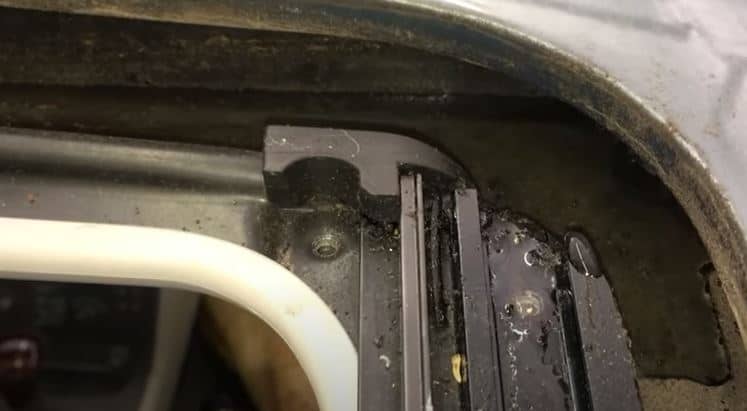
Water dripping from the car’s headliner indicates a clogged sunroof drain. The water pools on the roof, finds no exit through the clogged tubes, and seeps into the cabin through the seal. Wet carpets without an apparent source, a musty odor inside the vehicle, and water stains on the headliner or A-pillars all point to this issue.
Left untreated, standing water corrodes the drain tube fittings, degrades the butyl sealer around the sunroof glass, and promotes mold growth in the carpet insulation. Ford Escape models from 2001 to 2024 all use a four-point drainage system with tubes approximately 3/8 inch (10 mm) in diameter running from each corner of the sunroof chassis to the wheel wells and under the door sills.
Ford Escape Sunroof Drain Cleaning Methods
Before cleaning, remove the sunroof glass panel by unscrewing the four Torx fasteners at each corner. With the glass out, you gain direct access to all four drain tube connections at the sunroof chassis corners.
Method 1: Zip Cord Drain Tube Clearing
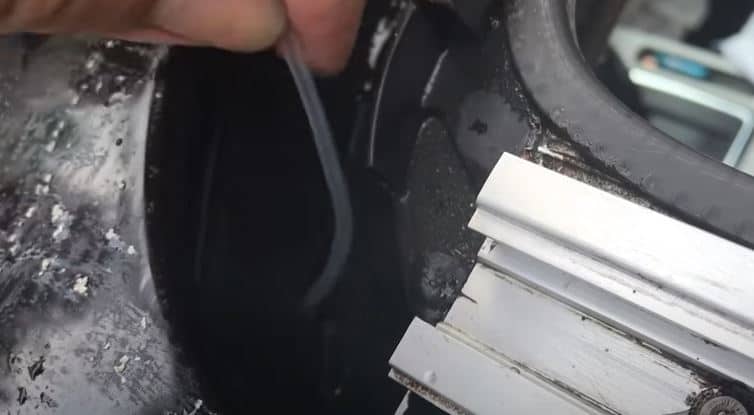
Feed a 3-foot zip cord (fishing tape) into each drain tube and work it back and forth with a twisting motion. The flexible tip navigates bends in the tube path while the twisting action dislodges packed debris such as leaves, pine needles, and accumulated dust.
After clearing all four tubes, flush each with 8 ounces of clean water using a squeeze bottle. Water should exit the tube at the wheel well within 10 seconds. Tubes that drain slowly indicate residual blockage—repeat the zip cord procedure.
Method 2: Compressed Air Drain Clearing at 30 PSI
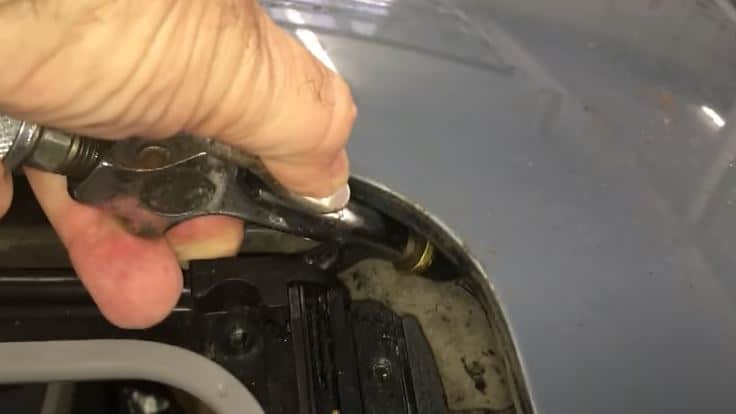
Set the air compressor regulator to 30 psi. Insert the blow gun nozzle into each drain tube and deliver three one-second bursts. The high-pressure air shears through sludge and blows the debris out the tube exit at the wheel well.
Exceeding 40 psi risks damaging the plastic tube fittings. After each burst, allow 5 seconds for the air to dissipate before the next burst. Test each tube by pouring 4 ounces of water through the sunroof opening—the water should exit at the wheel well within 15 seconds.
Water Test: Confirming Successful Unclogging
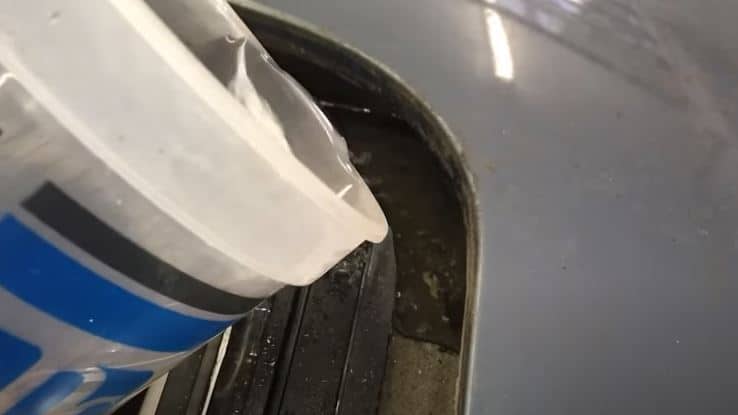
Pour water into each drain tube at the sunroof chassis. Each tube holds approximately 6 to 8 ounces before reaching its siphon level. Water that flows freely through and exits at the wheel well confirms the drain is clear.
Tubes that retain water or overflow back into the cabin require a second round of compressed air treatment or mechanical clearing with the zip cord. Persistent overflow may indicate a disconnected tube fitting, which requires professional inspection.
Sunroof Leak Causes Beyond Clogged Drains
A sunroof leak does not always mean the drain tubes are clogged. Worn glass seals are the second most common cause of sunroof leaks in the Ford Escape. The butyl rubber seal around the sunroof glass perimeter degrades over time from UV exposure and temperature cycling, losing its watertight compression.
Other causes include a loose or misaligned sunroof glass panel from an impact, cracked plastic drain fitting at the chassis connection, and debris accumulation in the sunroof channels that diverts water past the seal into the cabin.
Preventive Maintenance Schedule
Inspect and clear sunroof drain tubes every 12 months or before the start of the rainy season. Vehicles parked under trees benefit from biannual clearing due to higher debris exposure. Regular clearing prevents the 8 to 12 ounces of water the sunroof collects during a moderate rainstorm from overwhelming the drainage system.
Frequently Asked Questions
Why does my sunroof leak when it rains?
The most likely cause of a sunroof leak is that the glass seal around the perimeter has worn out and needs replacement. Other causes include a broken or clogged drain tube, damage to the sunroof from an earlier impact, or water entering via a loose roof panel.
What PSI should I use to blow out sunroof drain tubes?
Set the air compressor regulator to 30 psi. This pressure clears debris blockages without damaging the plastic drain tube fittings. Exceeding 40 psi risks cracking the tube connectors at the sunroof chassis.
How often should I clean my Ford Escape sunroof drains?
Ford recommends inspecting and clearing sunroof drain tubes every 12 months or before the rainy season begins. Vehicles parked under trees or in dusty environments benefit from clearing every 6 months.
How do I know if my sunroof drain is clogged vs. the seal is bad?
A clogged drain causes water to pool on the headliner near the sunroof corners during or after rain. A bad seal causes water to enter around the glass perimeter and run down the A-pillars. Both issues produce wet carpets but from different entry points.
Quick-Reference: Sunroof Drain Cleaning Specifications
| Parameter | Value |
|---|---|
| Recommended air pressure | 30 psi |
| Maximum safe pressure | 40 psi |
| Drain tube diameter | 3/8 inch (10 mm) |
| Water test volume per tube | 4–8 oz |
| Drainage time (healthy tube) | 10–15 seconds |
| Maintenance interval | Every 12 months (or 6 months in high-debris areas) |
Conclusion
The Ford Escape sunroof uses a four-point drainage system with tubes approximately 3/8 inch in diameter. Clogged tubes cause water to back up into the cabin, staining headliners and soaking carpet insulation. Cleaning the drain tubes with a zip cord or 30 psi compressed air clears debris blockages and restores proper drainage within minutes.
Inspect and clear drain tubes every 12 months or before the rainy season. Set air compressor pressure to 30 psi—never exceed 40 psi. If water continues to enter the cabin after clearing the drains, have a professional inspect the glass seal and tube fittings for damage.
References
- Ford Motor Company. (2024). Ford Escape Owner Manual. Ford Media.
- EPA. (2023). Vehicle Maintenance and Water Quality Protection Guidelines. U.S. Environmental Protection Agency.
- AAA. (2022). Vehicle Sunroof Maintenance: Preventing Water Damage. American Automobile Association.

