
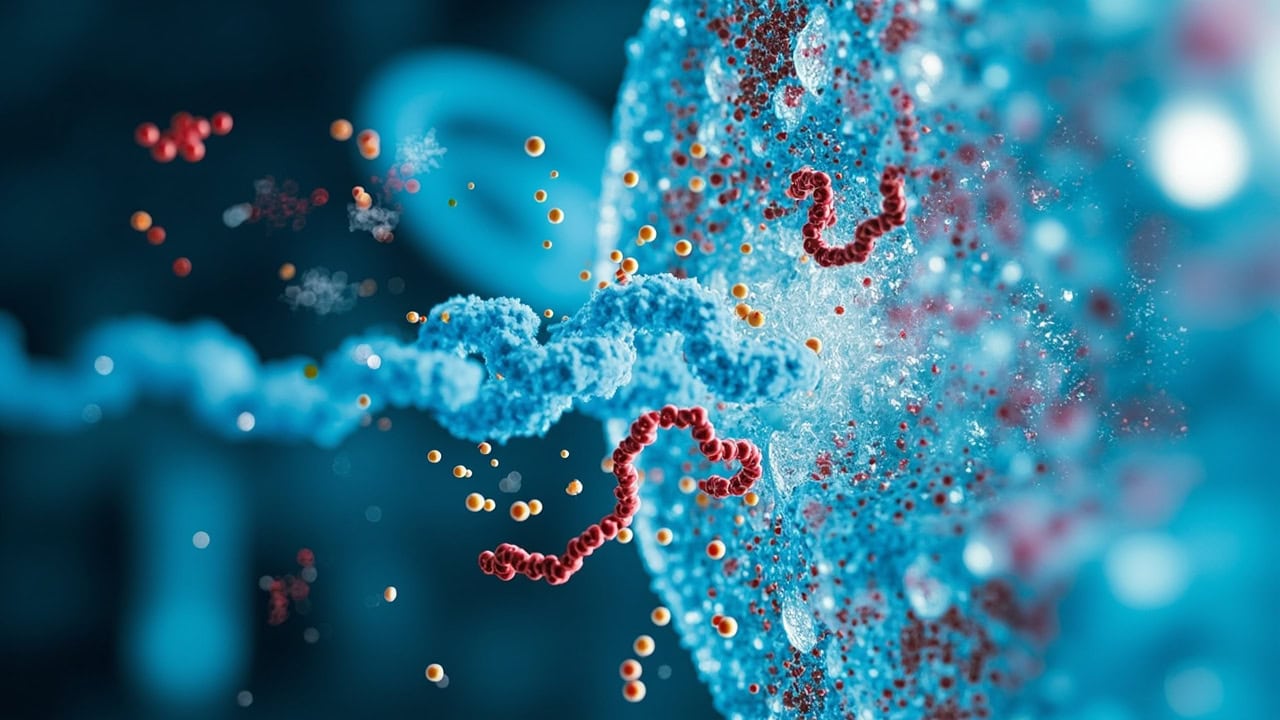
Enzymatic Cleaners: How They Break Down Stains

Enzymatic cleaners break down organic stains through catalytic hydrolysis, using specialized biological catalysts—proteases, amylases, and lipases—that each target specific molecular bonds in proteins, starches, and fats. These enzymes cleave peptide, glycosidic, and ester bonds respectively, converting large insoluble molecules into water-soluble fragments that rinse away. Unlike chemical solvents that dissolve stains indiscriminately, enzymatic cleaners work at the molecular level, continuing their catalytic action for several hours after application, which makes them especially effective against blood, food, and pet urine.
What Enzymatic Cleaners Are and Their Active Components
Enzymatic cleaners are biological cleaning agents that rely on naturally occurring enzymes—protein-based catalysts produced by microbial cultures, most commonly Bacillus subtilis and Bacillus licheniformis. These microorganisms secrete dormant enzyme spores that activate on contact with water and the targeted organic material. Once activated, each enzyme type seeks out a specific class of molecular bonds and accelerates the hydrolysis reaction that severs them.
The four primary enzyme classes used in cleaning products are proteases, amylases, lipases, and cellulases. Each targets a distinct category of organic soil:
- Proteases target protein-based stains including blood, grass, egg, and meat. They cleave the peptide bonds (C–ONH) that link amino acids into long protein chains.
- Amylases break down starch-based stains such as gravy, baby food, and pasta sauce. They hydrolyze the α-1,4-glycosidic bonds (C–O–C) in amylose and amylopectin. Lipases degrade fat and oil-based stains including cooking oil, grease, and cosmetics. They catalyze the hydrolysis of ester bonds in triglycerides, producing glycerol and free fatty acids.
- Cellulases break down cellulose microfibrils that trap dirt in fabric, helping to prevent pilling and restore garment appearance rather than targeting a specific stain type.
Most commercial enzymatic cleaners contain a blend of two or more of these enzyme types to broaden their stain-targeting range. Concentrated formulations typically include 0.5–2.0% active enzyme content by weight, with the remainder consisting of stabilizers, surfactants, and fragrance. The Cleaning Chemistry Hub covers how biological cleaning agents compare to chemical alternatives across the full pH spectrum.
The Chemistry: How Enzymatic Cleaners Break Down Stains
Enzymes function as specialized biological catalysts. They lower the activation energy required for hydrolysis reactions without being consumed in the process. Each enzyme has an active site shaped to bind a specific substrate—the lock-and-key model of enzyme specificity. Once the substrate binds, the enzyme facilitates bond cleavage through water-mediated hydrolysis, then releases the smaller product molecules and repeats the cycle thousands of times per second.
Protein Stain Breakdown (Proteases)
Protease enzymes cleave the peptide bonds (C–ONH) that link amino acids in protein molecules. During the hydrolysis reaction, a water molecule inserts itself at the peptide bond, splitting the protein into smaller peptide fragments and individual amino acids. These smaller fragments are water-soluble and lose their adhesion to fabric fibers, allowing them to be rinsed or blotted away.
Protease activity peaks at temperatures between 40–60°C (104–140°F) and a pH range of 6–9. Temperatures above 70°C (158°F) denature the enzyme’s tertiary structure, permanently destroying its catalytic ability. Cold-water protease variants remain active down to 15°C (59°F), though reaction rates are significantly slower. For detailed pH principles, see pH-Neutral Cleaners: When and How to Use Them.
Starch Stain Breakdown (Amylases)
Amylase enzymes hydrolyze the glycosidic bonds (C–O–C) in starch molecules. Alpha-amylase cleaves internal α-1,4-glycosidic bonds in both amylose (linear) and amylopectin (branched) starch components. The reaction produces progressively smaller carbohydrate fragments: first dextrins, then maltose, and ultimately glucose monomers. Each of these products is readily water-soluble.
Amylase operates optimally at pH 6–7 and temperatures of 50–70°C (122–158°F). The narrower pH window compared to proteases means that amylase-containing cleaners are less effective in strongly alkaline conditions. In commercial laundry detergents, amylase stability is enhanced through calcium-ion cofactors that reinforce the enzyme’s structural integrity during the wash cycle.
Fat and Grease Breakdown (Lipases)
Lipase enzymes catalyze the hydrolysis of ester bonds in triglycerides—the molecular structure of most fats and oils. During hydrolysis, water molecules split each triglyceride into one glycerol molecule and three free fatty acids. Glycerol is fully water-soluble, while free fatty acids become emulsifiable when surfactants are present, enabling them to be rinsed from the surface.
Lipase activity peaks at pH 7–9 and temperatures of 30–60°C (86–140°F). Unlike proteases, many lipase variants retain significant activity at lower temperatures, making them useful in cold-water laundry applications. The mechanism by which enzymes bind to their substrates parallels the broader chemistry described in Stain Removal Science: Why Stains Bond to Surfaces.
What Enzymatic Cleaners Work On
Enzymatic cleaners are most effective against organic, protein-based stains that can be broken down at the molecular level through hydrolysis. Because enzymes are substrate-specific catalysts, the enzyme blend in the product determines which stain categories it can address. Multi-enzyme formulations cover the widest range:
- Blood stains — proteases cleave hemoglobin and fibrin proteins; pre-treat in cold water to prevent protein coagulation
- Food and beverage stains (coffee, tea, chocolate, wine) — amylases and proteases break down tannin-protein complexes and starch thickeners
- Grass stains — proteases degrade chlorophyll-binding proteins embedded in cellulose fibers
- Pet urine, feces, and vomit — proteases and lipases break down urea-based proteins and lipid components in waste
- Sweat and deodorant buildup — lipases dissolve sebum and lipid-based antiperspirant residues; proteases target proteinaceous sweat deposits
- Cooking grease and kitchen soil — lipases convert triglycerides into emulsifiable fatty acids
- Baby formula and food purees — amylases handle starch bases; proteases address milk protein (casein) components
What Enzymatic Cleaners Do NOT Work On
Enzymatic cleaners have significant limitations with non-organic contaminants because enzymes only catalyze reactions with specific organic substrates. The following stain categories require alternative chemical approaches:
- Mineral deposits (limescale, hard water scale) — calcium carbonate and magnesium salts are inorganic; they require acid-based or chelating agents to dissolve
- Rust and oxidation stains — iron oxide is unaffected by enzymatic action; oxalic acid or phosphoric acid treatments are required
- Synthetic dye stains (permanent marker, ink) — synthetic polymers lack the biological bonds enzymes target; solvent-based removers are necessary
- Paint and varnish — cured paints form cross-linked polymer networks resistant to hydrolysis; chemical strippers or solvents are required
- Inorganic soils (dust, clay, sand) — particulate matter requires surfactants and mechanical agitation to suspend and rinse
- Oil-based stains on dry-clean-only fabrics — silk, wool, and leather contain natural protein fibers that proteases can damage; these require professional dry cleaning solvents
Safety Considerations When Using Enzymatic Cleaners
Although enzymatic cleaners are derived from biological sources and are generally less toxic than chemical solvents, several safety precautions apply. Enzyme proteins are potential allergens and respiratory irritants, particularly in powdered or aerosolized form.
- Ventilation: Ensure adequate airflow when using enzymatic cleaners in enclosed spaces. Enzyme dust from powder formulations can irritate the respiratory tract, triggering coughing or asthma-like symptoms in sensitized individuals.
- PPE: Wear nitrile or latex gloves when handling concentrated enzymatic formulas. Prolonged skin contact can cause contact dermatitis or mild irritation, especially with protease-containing products that may begin to break down surface skin proteins.
- Mixing dangers: Never combine enzymatic cleaners with bleach (sodium hypochlorite) or other oxidizers. The reaction between enzyme proteins and hypochlorite releases chlorine gas, which causes severe respiratory damage. Always rinse surfaces thoroughly between applying different cleaner types.
- Allergen awareness: Individuals with known protein allergies or enzyme sensitization from occupational exposure (e.g., detergent manufacturing) should use enzymatic cleaners with caution. Symptoms include skin redness, nasal congestion, and eye irritation.
- Storage: Store enzymatic cleaners in a cool, dry location between 10–25°C (50–77°F). Freezing or prolonged exposure to temperatures above 40°C (104°F) progressively denatures the enzymes, reducing or eliminating their effectiveness.
- Surface testing: Test on an inconspicuous area before applying to delicate surfaces including silk, wool, leather, and untreated wood. Protease enzymes can degrade natural protein fibers in these materials.
Dilution Ratios and Application Methods
Correct dilution ensures sufficient enzyme concentration for effective stain breakdown while avoiding waste or surface damage. Below are standard dilution ratios across common applications:
| Application | Dilution Ratio | Dwell Time | Notes |
|---|---|---|---|
| Light soil pre-treatment | 1:20 (5%) | 5–15 min | Spray and agitate lightly |
| Moderate stain treatment | 1:10 (10%) | 15–30 min | Brush application recommended |
| Heavy organic stains | Full strength | 30–60 min | Allow extended contact time |
| Carpet and upholstery | 1:15 (7%) | 10–20 min | Extraction cleaning recommended |
| Pet accident cleanup | 1:10 (10%) | 15–30 min | Blot excess moisture first |
Step-by-Step Application Process
- Remove excess material — Blot or scrape away loose stain material from the surface. Do not rub, as this forces contaminants deeper into fibers.
- Apply the enzymatic cleaner — Saturate the stained area with the diluted solution. The stain and surrounding area should be evenly wet for uniform enzyme contact.
- Allow dwell time — Let the solution sit for the recommended duration. Enzymes require time to penetrate, bind to substrate molecules, and complete hydrolysis. Do not allow the area to dry during this period.
- Agitate gently — Work the solution into the material using a soft-bristled brush. This improves enzyme penetration into fabric weave or carpet pile.
- Blot or extract — Remove the solution and dissolved stain material by blotting with a clean cloth or using an extraction cleaner. Rinse with clean water.
- Air dry completely — Enzymes continue catalyzing reactions while the treated area remains damp. Allow full air drying for maximum effectiveness before assessing whether a second treatment is needed.
Preventing Future Organic Stains
Proactive treatment significantly reduces the difficulty of future stain removal. When organic matter is allowed to dry and oxidize, the bonds between stain molecules and surface fibers strengthen, making enzymatic breakdown more difficult and time-consuming.
- Treat stains within the first 30 minutes for maximum enzyme penetration before proteins coagulate or starches gelatinize
- Store enzymatic cleaning products at room temperature (15–25°C / 59–77°F) to maintain enzyme viability; avoid freezing or prolonged heat exposure
- Apply enzymatic pre-treatments to high-risk items such as baby clothes, pet bedding, and kitchen linens before regular washing
- Vacuum carpets and upholstery weekly to remove organic debris before it bonds with fiber surfaces
- Use enzymatic cleaners for routine maintenance of surfaces prone to organic soiling—kitchen counters, pet areas, and bathroom fixtures—to prevent cumulative buildup
For comprehensive stain management strategies beyond enzymatic treatment, the Stain Removal Hub provides guidance across all stain categories and surface types.
Common Mistakes When Using Enzymatic Cleaners
Even with the right product, incorrect application can eliminate enzymatic activity entirely or cause damage to the treated surface. The following errors account for the majority of treatment failures:
- Using water above 70°C (158°F) — Hot water denatures enzymes by disrupting the hydrogen bonds and hydrophobic interactions that maintain their three-dimensional structure. Once denatured, enzymes cannot recover their catalytic function. Always use lukewarm or cool water (below 40°C / 104°F) for enzymatic applications.
- Insufficient dwell time — Enzymatic hydrolysis is a progressive reaction, not an instant solvent action. Light surface stains require 5–15 minutes; deep protein stains require 30–60 minutes. Removing the solution too early interrupts the catalytic cycle mid-reaction.
- Mixing with bleach or ammonia — Oxidizing agents destroy enzyme protein structure on contact. Mixing with bleach additionally produces toxic chlorine gas. Always apply enzymatic cleaners as a separate treatment step.
- Applying to aged or set stains — Stains older than 48–72 hours undergo oxidation and cross-linking that bind them permanently to fiber surfaces. Enzymes cannot cleave these secondary bonds. Fresh stains respond dramatically better.
- Using on protein-fiber fabrics without testing — Silk and wool are protein-based fibers that protease enzymes will attack just as readily as protein-based stains. Always test on a hidden area before full application.
- Expecting instant results — Enzymatic cleaners operate through biological catalysis, not chemical dissolution. The process requires 15–60 minutes of sustained contact. Products marketed as “instant” enzymatic cleaners typically rely on supplementary surfactants rather than enzymatic action for immediate visual improvement.
Frequently Asked Questions
Q: How long do enzymatic cleaners take to work?
A: Enzymatic cleaners require 15–60 minutes of dwell time to effectively break down organic stains through catalytic hydrolysis. Light surface stains may show improvement in 5–15 minutes, while deeply embedded protein stains like blood or pet urine may require a full hour for complete enzymatic breakdown. Reaction rate depends on temperature (optimal: 40–60°C), enzyme concentration, and stain depth.
Q: Can enzymatic cleaners be used on all fabric types?
A: Enzymatic cleaners are safe for most synthetic fabrics and cotton, but require caution on natural protein fibers like silk, wool, and leather where protease enzymes can break down the fabric itself. Always test on an inconspicuous area first and avoid using on dry-clean-only garments unless professionally treated. Cellulase-containing formulas are safe for cotton and plant-based fibers but offer no benefit on synthetics.
Q: Why shouldn’t enzymatic cleaners be mixed with bleach?
A: Mixing enzymatic cleaners with bleach releases dangerous chlorine gas through a chemical reaction between the enzyme proteins and sodium hypochlorite. This toxic gas causes severe respiratory irritation and can be life-threatening in enclosed spaces. The hypochlorite also denatures the enzymes on contact, rendering the cleaner ineffective. Always rinse surfaces thoroughly between different cleaner types.
Q: Do enzymatic cleaners kill bacteria and viruses?
A: Enzymatic cleaners are not disinfectants — they break down organic matter but do not kill microorganisms. The enzymatic action may damage some bacteria by degrading their food source, but pathogens require EPA-registered disinfectants or sanitizers for elimination. Enzymatic cleaners are best used as a pre-treatment before disinfection for surfaces that require both stain removal and antimicrobial action.
References
- Sharma, R., Chisti, Y., & Banerjee, U.C. (2001). Production, purification, characterization, and applications of lipases. Biotechnology Advances, 19(8), 627–662.
- Ito, S., et al. (1998). Alkaline proteases from alkaliphilic Bacillus strains. Bioscience, Biotechnology, and Biochemistry, 62(5), 1023–1024.
- Gupta, R., et al. (2003). Microbial α-amylases: a biotechnological perspective. Process Biochemistry, 38(11), 1599–1616.
- U.S. Environmental Protection Agency. (2024). Safer Choice Program. U.S. EPA.
- Kirk, O., Borchert, T.V., & Fuglsang, C.C. (2002). Industrial enzyme applications. Current Opinion in Biotechnology, 13(4), 345–351.


