
How to Get Paint Out of Clothes: The Best Tips and Tricks

Paint stains on clothing require immediate treatment for the best chance of complete removal. Latex (water-based) paint responds to dish soap and cold water soaking within 30–40 minutes, while oil-based paints require solvent-based treatment with 70% isopropyl alcohol or mineral spirits. Fresh paint is significantly easier to remove than dried paint—once latex paint dries, it polymerizes and bond to fabric fibers, making full removal much more difficult.
Dish detergent, 70% isopropyl alcohol, and white vinegar each remove paint from clothes by breaking down the paint’s polymer structure. Dish soap emulsifies water-based paint; alcohol dissolves both latex and oil paints; vinegar softens dried paint films through mild acid action.
Different Ways to Get Paint Out of Your Clothes
These four household methods handle most paint-on-fabric situations. Treat stains as soon as possible—dried paint requires longer soaking and repeated treatments.
Using Dish Detergent to Get Paint Out of Your Clothes
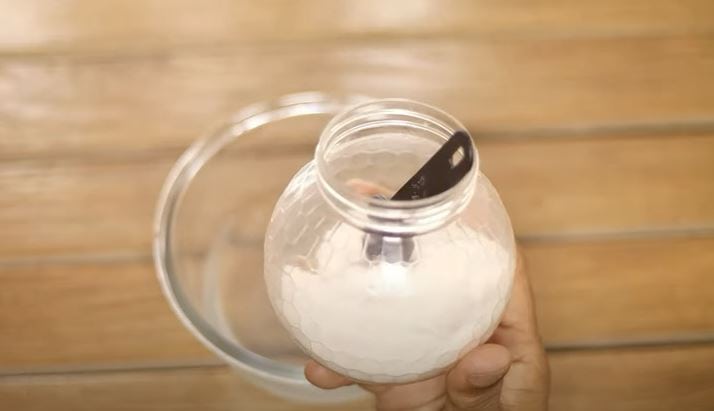
Dish detergent works best on fresh latex (water-based) paint. Its surfactants emulsify paint particles, allowing them to rinse away from fabric fibers. Standard dish soap has a pH of 7–8.5, making it safe for most fabrics including cotton, polyester, and blends.
Steps:
- Soak the paint-stained area in cold water for 30 minutes. Cold water prevents latex paint from setting into the fabric. Hot water causes the polymers in latex paint to bond more firmly to fibers.
- Apply 1–2 tablespoons of liquid dish detergent directly to the stain and work it into the fabric using a soft-bristled brush for 2–3 minutes.
- Wash the garment in the washing machine using the hottest water setting safe for the fabric—check the garment label. For cotton, this is typically 40–60°C (104–140°F).
- Rinse and inspect before drying. Repeat the treatment if any stain remains.
Using Hairspray to Get Paint Out of Your Clothes
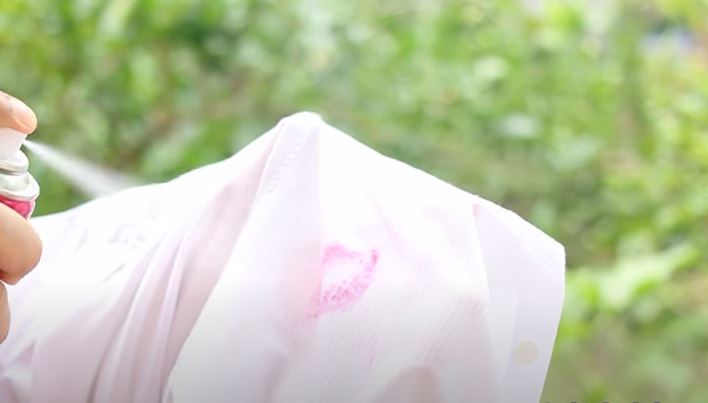
Standard aerosol hairspray contains 50–80% alcohol (ethanol or isopropyl), making it effective at breaking down paint films. This method works best on fresh stains and on synthetic fabrics that can tolerate alcohol exposure.
Steps:
- Place a clean white cloth or paper towel behind the stain to prevent the paint from spreading.
- Spray hairspray directly onto the paint stain from 10–15 cm (4–6 inches) away until the stain is thoroughly saturated.
- Allow it to sit for 3–5 minutes. The alcohol begins dissolving the paint binder within this window.
- Blot the stain with a clean cloth, working from the outside edge inward to avoid spreading. The paint transfers onto the cloth as it dissolves.
- Repeat until no more paint transfers. Rinse the area with cold water.
Using Rubbing Alcohol to Get Paint Out of Your Clothes

Rubbing alcohol (70% isopropyl alcohol) is one of the most effective home remedies for paint removal from fabric. Isopropyl alcohol breaks down the polymer chains in both latex and oil-based paints, liquefying the paint so it can be blotted away. Higher concentrations (90–99%) evaporate too quickly to be as effective.
Steps:
- Pour 70% isopropyl alcohol directly onto the stain until the area is fully saturated.
- Allow it to penetrate for 5–10 minutes. The paint film will begin to liquefy and lift from the fibers.
- Blot with a clean white cloth, replacing it as it absorbs paint. Work from the outer edge toward the center.
- Rinse thoroughly with cold water to flush dissolved paint particles from the fabric.
- If the stain persists, apply a second round of alcohol and repeat. Dried or layered paint may require 2–3 treatments.
Using Vinegar to Get Paint Out of Your Clothes
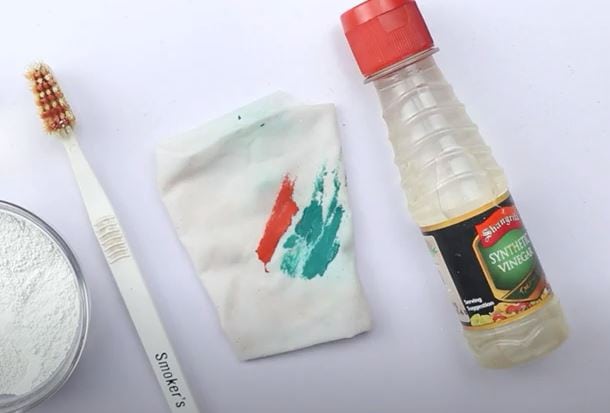
White vinegar contains 5–8% acetic acid, which softens dried paint films and helps break down mineral deposits in dried-on stains. Its mild acidity makes it safe for most washable fabrics, though it should not be used on delicate fabrics like silk or wool.
Steps:
- Soak the paint-stained area in undiluted white vinegar for 30 minutes. For delicate fabrics, dilute with an equal part cold water.
- Make a paste of 1 part baking soda to 2 parts water (a ratio of 1:2). Apply this paste directly to the stain and gently rub it into the fabric.
- Allow the baking soda paste to sit on the stain for 30 minutes. The mild abrasiveness combined with the acid softens the paint bond.
- Wash the garment in warm water (not hot) with standard laundry detergent. Check the stain before drying—if traces remain, re-treat and wash again.
What is Latex Paint?
Latex paint is a water-based paint formulated with synthetic polymer emulsions (acrylic or vinyl acetate), pigments, and water. It comprises approximately 30–40% solids by volume, with the remainder being water and additives. Latex paint is the most common type of wall and ceiling paint used in residential and commercial interiors. It cleans up with water when wet but becomes water-resistant once fully cured (typically 2–4 weeks after application).
Removing Latex Paint from Clothes
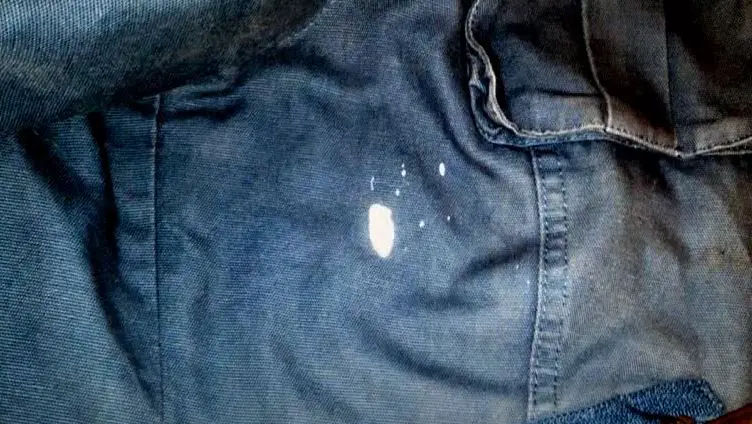
Fresh latex paint responds best to cold water and dish soap. Once dried, latex paint requires a solvent like 70% isopropyl alcohol or a commercial latex paint remover for stain elimination.
Steps:
- Soak the stained area in cold water for 40 minutes. Cold water slows the polymerization process and keeps the paint soft.
- Apply 1–2 tablespoons of dish detergent to the stain and scrub gently with a soft brush for 2–3 minutes.
- Rinse the area with warm water (30–40°C / 86–104°F) to flush dissolved paint.
- If the stain remains, apply 70% isopropyl alcohol and let it penetrate for 5–10 minutes before blotting.
- Rinse with cold water and launder as usual. Inspect before machine drying—heat sets any remaining stain.
What is Emulsion Paint?
Emulsion paint is a water-based paint similar to latex paint, using acrylic or vinyl polymer emulsions as the binder. The term “emulsion” refers to the stable mixture of water and polymer particles that form the paint’s base. It behaves identically to latex paint in terms of washability and cure time.
Removing Emulsion Paint from Clothes
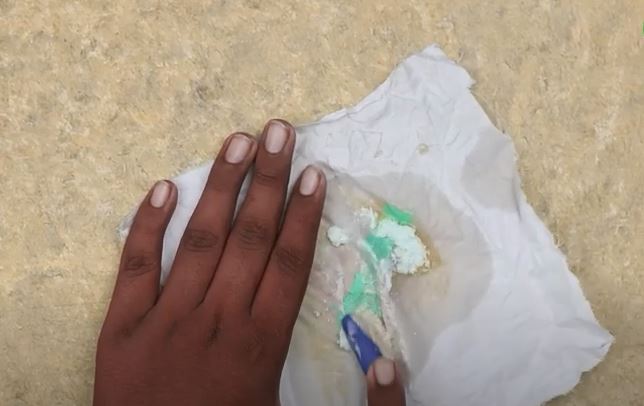
Emulsion paint removal follows the same process as latex paint removal. The key variables are freshness of the stain and water hardness—soft water improves cleaning effectiveness by up to 30% compared to hard water.
Steps:
- Pre-treat the stain with liquid dish detergent applied directly to the fabric. Work it in with your fingers or a soft brush for 1–2 minutes.
- Rinse thoroughly with cool water (15–20°C / 59–68°F), flushing from the back of the fabric to push paint particles outward.
- If the stain persists, apply standard aerosol hairspray (50–80% alcohol content) and allow it to sit for 3–5 minutes before blotting.
- For stubborn residues, apply 70% isopropyl alcohol, let it penetrate for 5–10 minutes, then blot dry with a clean cloth.
Removing Oil-Based Paint from Clothes
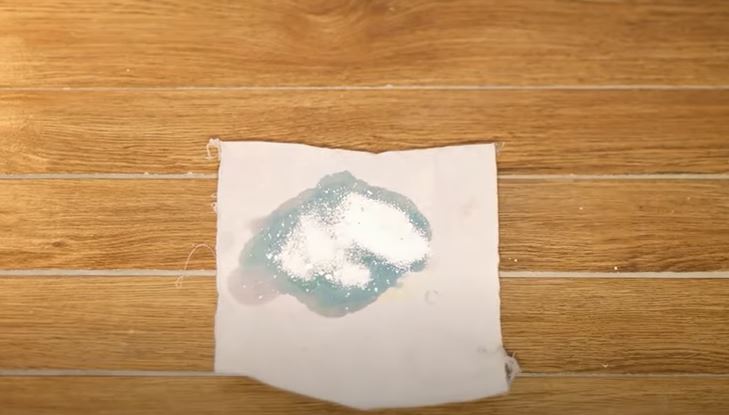
Oil-based paints (alkyd paints) use petroleum-derived solvents and do not mix with water. They require solvent-based treatment for removal from fabric. Unlike water-based paints, oil-based paints cure through oxidation rather than water evaporation, forming a durable film that bonds strongly to fibers. Paint thinner or mineral spirits are the standard professional removers; household alternatives include 70% isopropyl alcohol and acetone.
Step-by-step process:
- Use a butter knife or the edge of a credit card to scrape away any excess wet paint. Work carefully to avoid pushing paint deeper into the fabric weave.
- Apply a commercial paint thinner or mineral spirits sparingly to a clean cloth and dab the stain. Test on an inconspicuous area first—solvents can damage some synthetic fabrics.
- Blot immediately to lift dissolved paint. Replace the cloth as it absorbs pigment to avoid re-depositing.
- Apply a stain-removing laundry detergent (enzymatic formulas work best for oil-based stains) directly to any remaining discoloration and let it sit for 5–10 minutes.
- Launder in warm water (40°C / 104°F maximum) with heavy-duty laundry detergent. Air-dry and inspect before repeating if needed.
How to Get Paint Out of Jeans
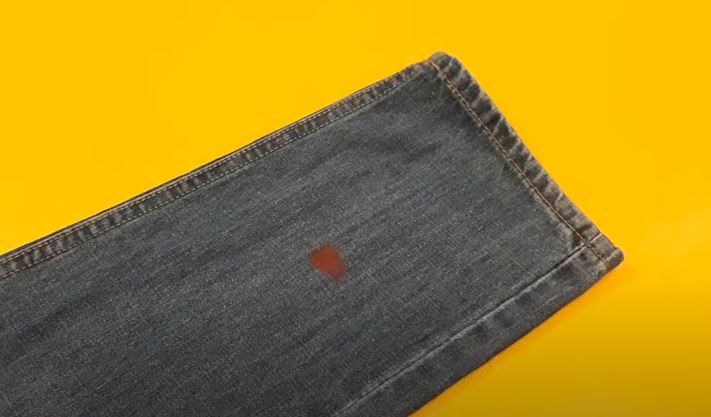
Denim is a durable cotton twill fabric that tolerates repeated treatment. Its thick weave can trap paint particles deeply, requiring persistence. The approach depends on whether the paint is water-based or oil-based.
Steps:
- For fresh latex paint: apply cold water to the stain and scrape off excess paint. Treat with liquid dish detergent, scrub gently, and launder in warm water.
- For oil-based paint: apply 70% isopropyl alcohol or a small amount of mineral spirits to a cloth, dab the stain, and blot repeatedly until the paint lifts.
- For fabric paint (puffy paint): apply acetone-based nail polish remover to a cotton ball, dab the stain, and rinse. Note that dried puffy paint (acrylicFabric medium) rarely removes completely from fabric.
- Make a pre-treatment paste of 1 part liquid laundry detergent to 10 parts water. Apply this to the stain and allow it to sit for 15–30 minutes before laundering.
How to Get Paint Out of Clothes without White Spirit
White spirit (mineral spirits, Stoddard solvent) is a petroleum distillate used as a paint thinner for oil-based paints. It is effective but has a strong odor and requires good ventilation. Several household alternatives remove paint without white spirit:
- 70% isopropyl alcohol: Dissolves both latex and oil paints; safe for most washable fabrics. Apply, let sit 5–10 minutes, blot, and rinse.
- Undiluted white vinegar: Softens dried latex and emulsion paint films through mild acetic acid action. Soak for 30 minutes before laundering.
- Acetone-based nail polish remover: Effective on oil-based and synthetic paints. Test on an inconspicuous area first—acetone can damage acetate, triacetate, and modacrylic fabrics.
- Liquid laundry detergent: Enzymatic formulas (containing protease, amylase, or lipase enzymes) break down paint binder proteins. Apply full-strength, let sit 5–15 minutes, and launder in warm water.
For any method, always rinse thoroughly with cold water after treatment and launder as soon as possible. Repeat treatments are more effective than one heavy application.
Frequently Asked Questions
Can baking soda get paint out of clothes?
Baking soda aids paint removal when used in a 1:2 paste with water. Its mild abrasiveness helps scrub away softened paint particles, while its alkalinity helps neutralize acid-based paint residues. Apply the paste, let it sit for 30 minutes, then launder with standard detergent. Baking soda is most effective as a secondary treatment after vinegar or alcohol has softened the paint film.
Will nail polish remover remove paint from clothes?
Acetone-based nail polish remover dissolves oil-based paints and synthetic paints on washable fabrics. Apply a small amount to a clean cloth, dab the stain, and rinse thoroughly with cold water. Acetone damages acetate, triacetate, modacrylic, and olefin fibers—check the garment label before use.
How do you get semi-gloss paint out of clothes?
Semi-gloss paint contains a higher ratio of binder to pigment than flat paint, making it more water-resistant when dry. Treat fresh semi-gloss stains with 70% isopropyl alcohol applied directly to the stain. Let it penetrate for 5–10 minutes, then blot and rinse. For dried semi-gloss, apply undiluted white vinegar to soften the surface, follow with a baking soda paste (1:2 ratio), and launder in warm water.
Does dry puffy paint come out of clothes?
Dried puffy paint (fabric paint made with acrylic mediums) rarely removes completely from fabric. Puffy paint cures through air exposure into a flexible plastic-like coating that bonds to fabric fibers. Treating within 1–2 hours offers the best chance of removal. Once fully cured (24+ hours), the stain is effectively permanent. Acetone may lift some pigment but the binder remains embedded in the weave.
Will Goo Gone remove paint from clothes?
Goo Gone is a citrus-based solvent designed to dissolve sticky residues. It removes wet latex paint and fresh paint stains on washable fabrics. Apply Goo Gone to the stain, let it sit for 3–5 minutes, and blot with a clean cloth before laundering. Goo Gone is less effective on dried oil-based paints and is not a substitute for paint thinner on alkyd (oil-based) paint stains.
Does alcohol break down paint?
Yes—70% isopropyl alcohol dissolves both latex and oil-based paints by breaking down their polymer and binder structures. The 70% concentration is optimal; higher concentrations (90–99%) evaporate too quickly to be as effective. Rubbing alcohol works within 5–10 minutes of contact time, making it one of the fastest home paint-removal methods.
Paint Removal Quick Reference
Paint Type vs. Removal Method
| Paint Type | Best Method | Key Parameters |
|---|---|---|
| Latex (water-based) | Cold water + dish soap | 30–40 min cold soak, 40–60°C wash |
| Emulsion | Dish soap + alcohol | Pre-treat 1–2 min, 5–10 min alcohol |
| Oil-based (alkyd) | 70% isopropyl alcohol or mineral spirits | 5–10 min solvent contact, warm wash |
| Semi-gloss | 70% isopropyl alcohol + vinegar | 5–10 min alcohol, 30 min vinegar soak |
| Fabric paint (puffy) | Acetone nail polish remover | Treat within 1–2 hours; dried is permanent |
Key Specifications at a Glance
- Dish detergent pH: 7–8.5 — safe for most washable fabrics
- Isopropyl alcohol for paint removal: 70% concentration — 90%+ evaporates too quickly
- Vinegar acetic acid content: 5–8% — use undiluted or 1:1 for delicates
- Cold water soak time for latex: 30–40 minutes — prevents polymer bonding
- Alcohol contact time: 5–10 minutes — paint film liquefies within this window
- Baking soda paste ratio: 1 part baking soda to 2 parts water
- Launder in warm water: 30–40°C (86–104°F) for most fabrics — check label
- Puffy paint removal window: Within 1–2 hours for best results; cured paint is permanent
Final Words
Paint removal from clothing succeeds most often when treatment begins immediately. Fresh latex paint removes completely in the majority of cases using cold water and dish soap. Oil-based paints require solvent-based treatment but respond well to 70% isopropyl alcohol or mineral spirits. Dried and cured paints—particularly puffy fabric paint—are significantly more difficult to remove and may leave permanent staining. Keep a bottle of 70% isopropyl alcohol and a box of baking soda in your laundry area for fast stain response.
For more stain removal guides, visit the Stain Removal Hub or explore the Cleaning Glossary for definitions of cleaning chemistry terms. For laundry-specific care, see the Laundry Care Hub.


