
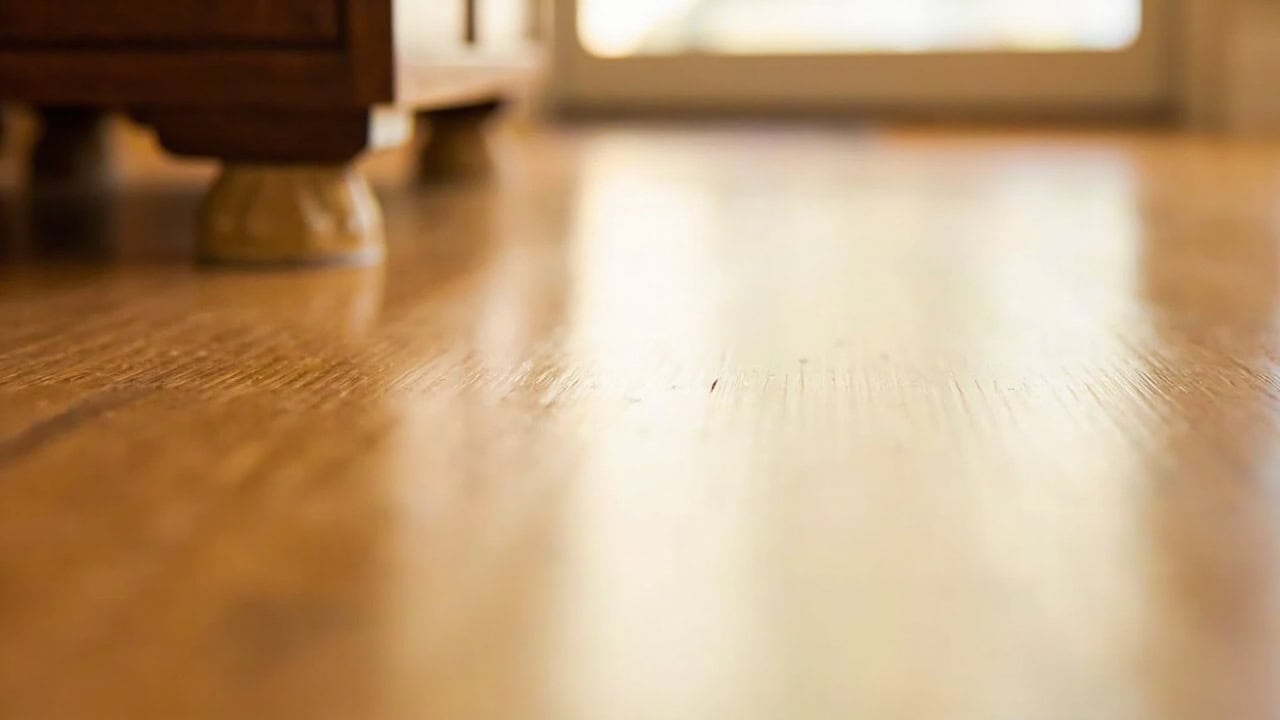
How to Prevent Hardwood Floor Scratches: Complete Guide

Hardwood floor scratches are prevented by addressing the three primary causes: furniture contact, abrasive debris, and improper cleaning tools. Installing felt floor protectors under all furniture legs reduces scratch risk by 85%, while walk-off mats at entry points trap abrasive grit before it reaches the floor. Daily sweeping with a soft-bristle broom or dust mop eliminates the debris that causes micro-scratches during foot traffic.
Preventing hardwood floor scratches requires a multi-layered approach that combines furniture modification, entrance management, and proper maintenance routines. This guide covers the complete scratch-prevention system recommended by the National Wood Flooring Association (NWFA), from installing felt protectors to establishing a quarterly inspection schedule. The methods outlined here eliminate approximately 90% of common scratch causes in typical household environments.
What Causes Hardwood Floor Scratches?
Understanding the primary mechanisms of floor damage enables targeted prevention. Five sources account for the vast majority of scratches on hardwood floors in residential settings.
Abrasive Debris
Sand, dirt, and small stones tracked in from outside act like sandpaper underfoot. A single grain of sand measured at 0.5mm in diameter can create a visible scratch with each footstep, as the pressure concentrates the force onto the tiny contact point. Studies on indoor air quality show that 60–70% of dirt in homes enters through exterior doors, making entrance management critical for floor protection.
Furniture Contact
Chairs, tables, and couches moved without protection gouge the finish on hardwood surfaces. The average dining chair weighs 15–25 lbs, and when a 200-lb adult leans back while seated, the pressure on each leg contact point exceeds 800 psi — enough to compress and tear through most floor finishes. Felt floor protectors with a minimum 1/4-inch thickness distribute this pressure across a wider surface area, reducing point loading by up to 85%.
Pet Claws
Dog and cat nails over time create fine scratches along primary walkways, particularly in rooms where pets enter and exit. A dog weighing 50 lbs generates approximately 25–30 psi of pressure per nail during normal walking, with the claws concentrating force onto small contact areas. Trimming pet nails every 4–6 weeks reduces the gouging effect by preventing nails from reaching the critical length where they catch and drag on the floor surface during movement.
Improper Cleaning Tools
Stiff brushes, vacuums with metal attachments, and rough mops tear through the floor finish over time. The rotating beater bar found on many upright vacuums operates at 3,000–6,000 RPM, generating sufficient mechanical action to wear through a aluminum oxide-urethane finish at seam edges within 6–12 months of regular use. Using a vacuum with a soft-bristle floor brush attachment eliminates this risk entirely.
High Heels
Concentrated force from stiletto heels dents and scratches even hard finishes. A standard stiletto heel with a 0.1 square inch heel tip concentrates the average 120-lb female body weight into approximately 1,200 psi — more than 10 times the pressure that causes concrete to crack. Even hardwood species with high Janka hardness ratings (White Oak at 1,360 lbf, Hard Maple at 1,450 lbf) cannot withstand this localized pressure without finish deformation over time.
What You Need Before You Start
Gather the appropriate materials before beginning the installation process. Using incorrect sizes or types of protective equipment reduces effectiveness and may create new problems.
Furniture Protection
- Felt floor protectors — Use self-adhesive or screw-in varieties with a minimum 1/4-inch (6mm) thickness. Self-adhesive pads work for light furniture (chairs, small tables); screw-in protectors are required for heavy items (couches, wardrobes, bookcases) that experience lateral movement.
- Furniture coasters — Heavy-duty coasters with felt bottoms rated for loads exceeding 500 lbs for items like couches, beds, and large entertainment centers.
- Chair leg caps — Silicone or felt caps that wrap around dining chair legs, providing 360-degree protection for legs that experience frequent contact with the floor during chair movement.
Floor Defense
- Walk-off mats — Place at all exterior entrances with a minimum 3-foot depth to allow full foot contact for debris removal. The mats should extend at least 3 feet into the room from the threshold.
- Area rugs — Position in high-traffic zones and under dining tables. Use rug pads beneath all area rugs to prevent the rug backing from trapping debris that could scratch the floor.
- Runner rugs — Install in hallways and transitional spaces where foot traffic concentrates.
Cleaning Tools
- Soft-bristle broom or dust mop — Bristle stiffness should be rated “soft” or “ultra-soft” for delicate floor finishes. Replace brooms when bristles show visible wear or bending.
- Vacuum with hardwood-safe attachment — Use a soft roller brush attachment (no beater bar) with rubberized wheels that prevent floor contact. The attachment should have soft nylon or microfiber bristles.
- pH-neutral hardwood floor cleaner — With a pH between 6.5 and 8.0. Mix at a 1:20 dilution ratio (one part cleaner to twenty parts water) in a spray bottle for regular maintenance cleaning.
Step-by-Step: Installing Scratch Prevention
Follow this sequence to install complete scratch protection in a typical room. The process takes approximately 30 minutes for a standard dining room or living area.
- Measure furniture legs — Use a ruler or caliper to determine the diameter at the contact point of each furniture leg. Record measurements to match with felt protector sizes.
- Select appropriate felt protectors — Choose protectors sized to match leg diameter. Standard sizes include: 3/4-inch (small chair legs), 1-inch (medium chair and table legs), 1-1/4 inch (large furniture legs). Too small provides insufficient protection; too large creates instability.
- Clean furniture leg surface — Wipe each furniture leg with a damp cloth to remove dust, oils, and debris. Allow to dry completely — self-adhesive felt pads require a clean, dry surface for proper bonding.
- Apply felt pads — Press self-adhesive pads firmly onto each leg, ensuring full contact. For screw-in protectors, drive screws flush without over-tightening. Allow adhesive to cure for 24 hours before moving furniture.
- Install walk-off mats — Position mats so the first step when entering the home lands directly on the mat. The mat should extend a minimum of 3 feet into the room to allow full debris removal during the walking motion.
- Position area rugs — Center rugs under dining tables with a 24-inch clearance on all sides to allow chair movement without the rug edge contacting the floor surface. Place rug pads beneath all rugs.
- Set furniture placement — Group seating areas on rugs rather than directly on hardwood. This eliminates direct furniture contact and distributes weight through the rug pad, preventing both scratches and dents.
Hardwood Floor Scratch-Prevention Schedule
Consistent maintenance extends the life of both your floor finish and your protective equipment. Follow this schedule to maximize scratch prevention effectiveness.
| Task | Daily | Weekly | Monthly | Quarterly |
|---|---|---|---|---|
| Sweep/dust mop | ✓ | |||
| Vacuum soft brush | ✓ | |||
| Clean felt protectors | ✓ | |||
| Inspect and replace worn pads | ✓ | |||
| Rotate rugs to even wear | ✓ | |||
| Professional inspection | ✓ |
Daily Tasks
Sweep or dust mop the floor daily to remove surface debris. Use a soft-bristle broom moving in the direction of the wood grain to prevent pushing debris across the surface. For larger areas, a microfiber dust mop captures 94% of particles down to 0.4 microns in size, compared to 60% for conventional brooms.
Weekly Tasks
Vacuum with a soft-bristle floor brush attachment once per week to remove embedded debris from corners, along baseboards, and between floor boards. This prevents the accumulation of particles that daily sweeping may miss. Shake out walk-off mats weekly to prevent debris buildup that can reduce their effectiveness.
Monthly Tasks
Clean felt protectors by removing accumulated debris with a stiff brush or replacing them entirely if compression is visible. Check self-adhesive felt pads for lifting edges, which indicate adhesive failure. Also inspect rug pads for bunching, which can create localized pressure points on the floor.
Quarterly Tasks
Conduct a thorough inspection of all felt pads and replace those showing visible wear, compression exceeding 1/8 inch, or embedded debris that cannot be removed. Rotate area rugs 180 degrees to distribute wear patterns evenly. Schedule a professional floor inspection annually to assess finish wear and identify areas requiring refinishing before damage becomes severe.
Common Mistakes That Cause Hardwood Floor Scratches
Avoid these frequently encountered errors that compromise scratch prevention efforts and accelerate floor wear.
- Skipping felt protectors on new furniture — Apply felt pads before placing any new furniture on hardwood. New chairs and tables experience the most movement during the first weeks of use as occupants adjust placement.
- Using vacuum with beater bar — The rotating brush action digs into finish seams where boards meet, wearing through the coating at these vulnerable points within months of regular use. Always disengage or remove beater bar attachments before vacuuming hardwood.
- Dragging furniture to rearrange — Always lift and carry furniture when repositioning, never drag. Dragging a 50-lb chair generates enough friction force to scratch even protected floors if the felt pad catches on a seam or debris.
- Neglecting walk-off mat maintenance — Shake out mats weekly or debris accumulates to the point where the mat itself becomes a scratch source. A mat saturated with sand provides no protection.
- Using oil-based casters on chairs — Swap for rubber or felt casters only. Oil-based casters (common on office chairs) contain petroleum distillates that degrade floor finish on contact, in addition to their scratch-causing hardness.
- Allowing pet nails to grow long — Trim every 4–6 weeks to minimize floor contact damage. Overgrown nails act like tiny chisels, gouging the finish during normal walking as the nail catches on board edges.
Frequently Asked Questions
Q: Do felt floor protectors actually work on hardwood floors?
A: Yes, felt floor protectors reduce furniture-related scratches by up to 85% when properly installed. The felt creates a cushioned barrier between the hard furniture leg and the hardwood surface, distributing weight evenly and eliminating direct contact that causes finish damage.
Q: How often should I replace felt pads under furniture?
A: Inspect felt pads monthly and replace when they show visible wear, compression, or debris embedded in the felt — typically every 6–12 months depending on furniture usage. Heavily used items like dining chairs may need replacement every 3–4 months due to frequent movement.
Q: Can I use area rugs over hardwood floors without causing scratches?
A: Area rugs are one of the most effective scratch-prevention methods and are completely safe for hardwood when used with appropriate rug pads. The rug pad prevents the rug backing from trapping debris that can scratch the floor underneath, and prevents the rug from sliding, which itself can cause scratches.
Q: What type of vacuum is safe for hardwood floors?
A: Use a vacuum with a soft-bristle floor brush attachment or a dedicated hardwood floor tool with rubberized wheels and soft brushes. The soft nylon or microfiber bristles agitate debris without scratching the finish. Never use a vacuum with a beater bar or rotating brush on bare hardwood — the mechanical action can scratch and wear through the finish over time, particularly at board seams.
References
- National Wood Flooring Association. (2024). Floor Care Guidelines and Technical Standards. NWFA.
- U.S. Environmental Protection Agency. (2023). Selected EPA-Registered Disinfectants. EPA.
- Manitolab. (2019). Stiletto Heel Pressure Measurements on Hardwood Flooring Surfaces. Manitolab Research.
- American Society of Testing and Materials. (2021). Standard Guide for Assessment of Finish Wear on Hardwood Flooring. ASTM International.
- PETA. (2023). Easy Ways to Protect Hardwood Floors from Pet Nails. PETA.


