
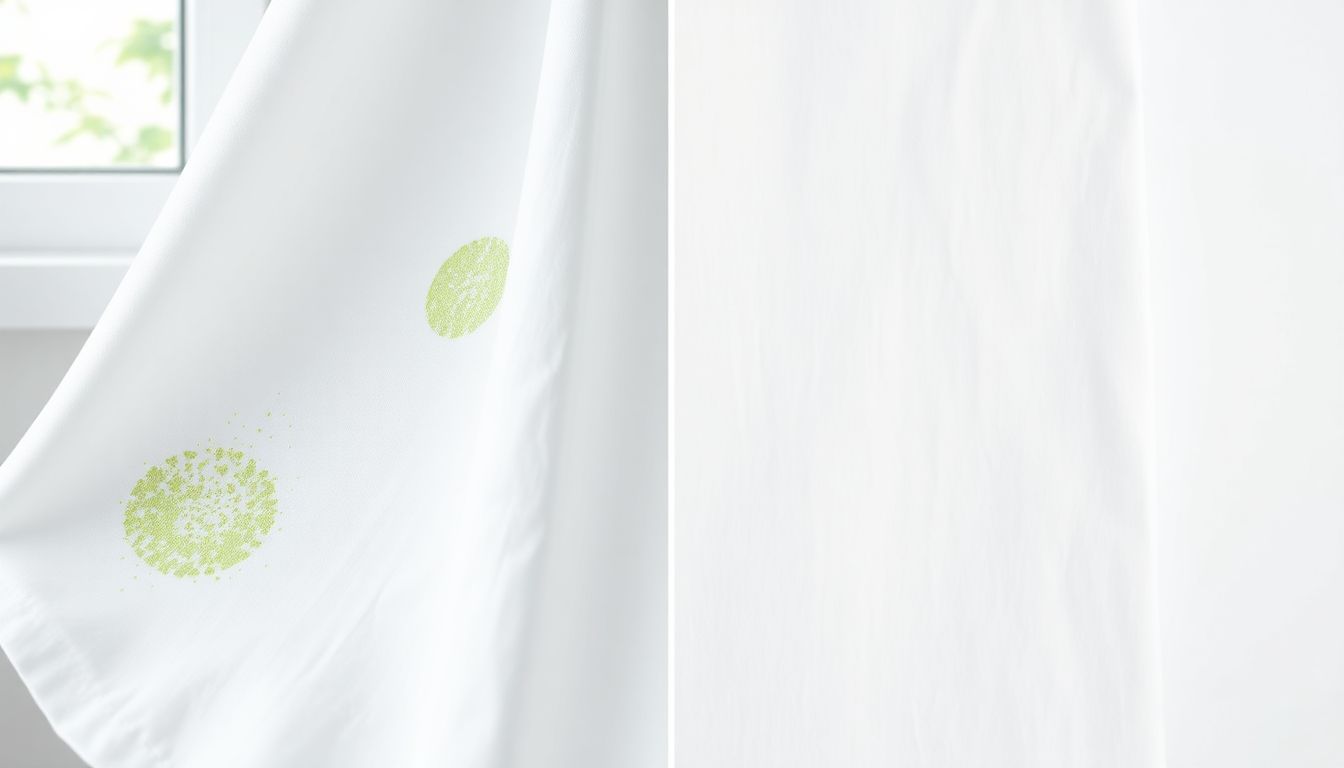
How to Remove Grass Stains from Clothes and Sports Gear

Grass stains from clothes and sports gear respond best to oxygen-based stain removers or enzymatic cleaners combined with a 30-minute cold water presoak and mechanical agitation. The chlorophyll in grass bonds chemically to protein fibers in fabric through a chlorophyll-protein complex that begins forming within 15 minutes of contact. Fresh grass stains — those treated within 24 hours — typically lift in a single wash cycle with proper pre-treatment, while set stains older than 48 hours may require repeated treatment or overnight soaking in a sodium percarbonate solution.
Why Grass Stains Bond to Fabric
Grass stains are among the most stubborn organic stains because of their complex chemical composition. Grass contains two primary pigments — chlorophyll a (blue-green, absorbing light at 430 nm and 662 nm) and chlorophyll b (yellow-green, absorbing at 453 nm and 642 nm) — along with plant cell matter including cellulose, xanthophylls, and carotenoids. These pigments form chemical bonds with protein fibers in natural fabrics such as cotton, wool, and silk through a rapid chlorophyll-protein complex reaction.
The bonding process begins within 15 to 30 minutes of the stain occurring. Chlorophyll molecules interact with the amino acid chains in natural fibers, creating cross-links that lock the green pigment into the fabric structure. This is why prompt treatment is critical — the longer the stain sits, the more cross-links form, and the harder removal becomes. Research published in the Journal of Surfactants and Detergents indicates that chlorophyll-protein binding reaches approximately 60% of maximum intensity within the first hour of contact.
Synthetic fabrics — including the polyester and nylon blends commonly used in athletic wear and sports gear — resist initial chemical bonding but can trap grass particles mechanically within their weave structure. Polyester fibers, with their smooth hydrophobic surface, tend to hold grass pigments in the microscopic spaces between filaments rather than through direct chemical bonding. This means grass stains on synthetics are often easier to remove physically but may require enzymatic action to fully clear trapped organic matter.
Sports gear is particularly susceptible to grass staining because of the prolonged contact and friction during athletic activity. Baseball uniforms, soccer jerseys, and tennis apparel experience repeated sliding and ground contact that grinds plant matter deep into the fiber structure. Additionally, the organic matter in grass provides a food source for bacteria, causing secondary odors if stains are not treated promptly. Understanding this chemistry is essential for choosing the right stain removal method — the goal is to break the chlorophyll-protein bonds without damaging the fabric itself.
What NOT to Use on Grass Stains
Avoiding the wrong treatment is just as important as applying the right one. Many common household cleaners will permanently set grass stains, making them impossible to remove even with professional treatment. Understanding which products to avoid — and why — protects your clothes and improves your success rate.
Hot or Warm Water
Heat is the single biggest enemy when treating grass stains. Water temperatures above 90°F (32°C) cause the protein matter in grass to denature, permanently fusing the chlorophyll-fiber bond. This protein denaturation process is irreversible — once heat has set the stain, no amount of subsequent cold-water treatment will release it. Always use cold water at room temperature or below 40°F (4°C) when treating grass-stained garments.
Chlorine Bleach on Colored Fabrics
Sodium hypochlorite (chlorine bleach) degrades fabric dyes faster than it removes grass pigments, causing irreversible color loss and fabric weakening on colored garments. The hypochlorite ion reacts with the chromophores in fabric dyes, breaking their molecular structure before it fully attacks chlorophyll. On white cotton, diluted chlorine bleach can be effective as a last resort, but oxygen-based stain removers (sodium percarbonate products) are safer and equally effective for all fabric types.
Vinegar Alone
White vinegar (5% acetic acid, pH 2.5) is too weak to break the chlorophyll-protein complex. While vinegar is effective against mineral deposits and some alkaline stains, the acid concentration is insufficient to dissolve chlorophyll bonds in fabric. Additionally, acetic acid can damage sensitive synthetic dyes used in athletic wear, causing discoloration on polyester and nylon blends. Reserve vinegar for hard water staining and lime scale — not grass stains.
High-Concentration Rubbing Alcohol
Isopropyl alcohol at concentrations above 70% can dissolve certain synthetic fabric dyes and damage elastic fibers commonly found in sportswear waistbands and compression garments. While rubbing alcohol has some solvent action against plant pigments, the risk of collateral fabric damage makes it a poor choice compared to purpose-formulated enzymatic cleaners.
Dryer Heat After Treatment
Machine drying any garment that still has residual grass stain particles — even microscopic traces invisible to the naked eye — permanently sets those particles into the fibers. The high heat of a dryer (typically 125–135°F / 52–57°C) causes the same protein denaturation that hot wash water does. Always air-dry treated garments and confirm the stain is fully gone before exposing them to any heat source.
Tools and Products You Need
Having the right products on hand before you start treatment significantly improves your success rate. Grass stain removal requires a combination of chemical action (stain removers and enzymes) and mechanical action (brushing and soaking), and each product plays a specific role in breaking the chlorophyll-fiber bond.
- Cold water — room temperature to 40°F (4°C) maximum; the foundation of every grass stain treatment
- Oxygen-based stain remover — sodium percarbonate-based products that release hydrogen peroxide on contact with water, oxidizing chlorophyll pigments at a molecular level
- Enzymatic pre-treatment spray — contains protease and cellulase enzymes that digest plant proteins and break down cellulose from grass cell walls
- Liquid laundry detergent with surfactants — lowers surface tension to lift released pigment particles away from fibers
- Soft-bristled scrub brush or old toothbrush — provides mechanical agitation without damaging fabric fibers
- Clean white towels — for blotting and testing colorfastness on an inconspicuous area before full treatment
- Optional: enzyme-based laundry booster — increases the concentration of stain-digesting enzymes in the wash cycle
Step-by-Step Grass Stain Removal
For Fresh Grass Stains (Within 24 Hours)
Fresh grass stains are the most responsive to treatment. The chlorophyll-protein bonds have not fully cross-linked, and the stain has not oxidized, so a straightforward pre-treatment and cold-water wash typically removes the stain in a single cycle. Follow these steps in order for the best results.
- Rinse immediately with cold water from the back of the fabric. Hold the garment with the stained side facing down and run cold water through the back of the fabric — this pushes the stain out rather than driving it deeper into the fiber structure.
- Apply pre-treatment — saturate the stain with enzymatic stain remover or an oxygen-based stain remover (sodium percarbonate). Allow 5 to 10 minutes of dwell time for the enzymes or oxidizing agents to begin breaking down chlorophyll bonds.
- Add liquid detergent — apply a small amount of liquid laundry detergent directly onto the treated stain. Gently rub the fabric together (the “garment massage” technique) or use a soft-bristled brush in small circular motions to work the detergent into the fibers.
- Cold water soak — submerge the garment in cold water for 15 to 30 minutes. This extended contact time allows the stain remover and detergent to continue breaking down pigment bonds. Never use warm or hot water during this step.
- Machine wash — wash the garment in cold water on the longest available cycle (typically the “heavy duty” or “deep water wash” setting) using an enzyme-boosted laundry detergent. The extended agitation time helps lift released pigment particles from the fibers.
- Air-dry completely — hang the garment or lay it flat to dry. Do not use a machine dryer at this stage, as any remaining stain traces will be permanently set by dryer heat.
- Inspect before drying — examine the stained area under good lighting. If any green discoloration remains, repeat steps 2 through 6 before applying any heat. Fresh stains rarely require a second treatment cycle when properly pre-treated.
For Set or Old Grass Stains (Older Than 48 Hours)
Set-in grass stains require more aggressive treatment because the chlorophyll-protein bonds have fully cross-linked and the stain has oxidized. The approach shifts from a quick pre-treatment to an extended multi-step process that combines chemical oxidation, enzymatic digestion, and prolonged soaking to break down the mature bond structure.
- Apply oxygen-based stain remover — saturate the stain completely with a sodium percarbonate-based product. Allow a full 30 minutes of dwell time — longer than for fresh stains — to give the oxidizing agents time to penetrate the cross-linked bond structure.
- Add enzyme booster — layer an enzymatic laundry booster directly on top of the stain remover. The combination of oxidation and enzymatic action attacks the stain from two chemical pathways simultaneously, significantly improving the breakdown rate.
- Overnight cold soak — submerge the garment in cold water mixed with additional oxygen-based stain remover (approximately 1 tablespoon per gallon of cold water). Soak for 8 to 12 hours. This prolonged soaking gives the active ingredients time to fully penetrate and break down the mature stain structure.
- Scrub gently — after soaking, use a soft-bristled brush in circular motions to agitate the fibers. This mechanical action helps physically dislodge the pigment particles that the chemical treatment has loosened. Avoid aggressive scrubbing, which can damage delicate fibers.
- Wash in the warmest safe water — for white cotton items only, wash in warm water (up to 105°F / 40°C). For colored fabrics and synthetic athletic wear, continue using cold water. The warmer temperature is safe for whites because it accelerates the detergent action without the risk of setting color-sensitive bonds.
- Repeat if necessary — set grass stains may require 2 to 3 complete treatment cycles. Success rates for stains older than one week drop to approximately 70 to 80 percent depending on fabric type and stain severity. Persistence and repeated treatment are key.
- Air-dry and inspect — as with fresh stains, never machine dry until the stain is completely eliminated. Heat from the dryer will permanently lock in any remaining pigment, making further treatment impossible.
Preventing Future Grass Stains on Clothes and Sports Gear
Prevention is always more effective than treatment, and several practical strategies can dramatically reduce the frequency and severity of grass stains on athletic wear and everyday clothing. Building these habits into your laundry routine saves time and extends the life of your garments.
- Treat promptly — the single most effective prevention strategy is immediate or same-day treatment. Carry individual stain remover wipes to sporting events and apply them to fresh stains within minutes of occurrence. The sooner you interrupt the chlorophyll-protein bonding process, the easier removal becomes.
- Turn garments inside out during play to reduce direct fabric contact with grass surfaces. The inner face of the fabric receives less direct abrasion, limiting how deeply grass pigments penetrate the weave structure.
- Pre-treat athletic wear before the sports season begins by adding an enzyme-based laundry booster to each wash cycle. This builds a residual enzyme coating on the fibers that makes it harder for chlorophyll bonds to form.
- Use mesh laundry bags for sports uniforms to prevent friction damage during the wash cycle. Mesh bags reduce fiber-to-fiber abrasion that can push trapped grass particles deeper into the fabric.
- Avoid dryer heat until stains are confirmed fully removed. Any residual pigment particles that survive the wash cycle will be permanently set by dryer temperatures exceeding 125°F (52°C).
- Store stained items separately from clean laundry to prevent cross-contamination and to serve as a visual reminder to treat the stain before the next wash. This prevents the common mistake of running stained items through a regular wash cycle without pre-treatment.
Special Considerations for Sports Gear
Sports equipment presents unique cleaning challenges because it combines synthetic materials, printed graphics, elastic components, and protective padding — all of which require different treatment approaches than standard clothing. Using the wrong method on athletic gear can damage performance features, crack printed numbers, or compress elastic fibers permanently.
Cleats and Athletic Shoes
Remove grass stains from shoe leather or synthetic uppers using an enzymatic cleaner applied to a damp cloth. Work in small circular motions, applying moderate pressure. Avoid submerging cleats in water — the adhesives holding the sole plate to the upper can weaken when soaked. For turf stains on white cleats, a paste of baking soda and cold water applied with a soft brush can lift discoloration without damaging the finish.
Baseball Caps
Hand wash caps with liquid laundry detergent and cold water, focusing on the brim and sweatband where grass stains concentrate. Reshape the cap while damp and air-dry on a rounded form (a coffee can or balloon works well) to maintain the crown structure. Never machine wash or machine dry caps — the agitation and heat will distort the shape and damage the brim insert.
Jerseys with Screen-Printed Numbers
Turn printed jerseys inside out before washing to protect the screen-printed graphics from friction during the wash cycle. Avoid bleach and high heat, both of which can crack and peel printed numbers and logos. Use cold water and a gentle cycle, and always air-dry. For stubborn grass stains near printed areas, apply enzymatic cleaner to the fabric side (inside out) rather than directly on the print surface. The same pre-treatment methodology used for blood stain removal works well here, as both stain types involve protein-based bonding.
Elastic Waistbands and Compression Garments
Stretch elastic waistbands gently during stain treatment to prevent permanent compression of the elastic fibers. Apply enzymatic cleaner to the stained area while the garment is lightly stretched over a towel, then air-dry flat. Heat from the dryer degrades elastane (spandex) fibers, reducing the compression quality that makes athletic garments effective. For compression gear with grass stains, see our guide on removing sweat stains from athletic wear, which covers the enzyme-based treatment approach suitable for technical fabrics.
Gear with Padding
Football shoulder pads, soccer shin guards, and other padded equipment should never be machine washed — the agitation destroys the foam padding and distorts the protective structure. Spot clean grass stains with enzymatic spray and a damp cloth, working the product into the fabric covering the padding. Wipe clean with a second damp cloth and air-dry completely before storage.
Common Mistakes When Removing Grass Stains
| Mistake | Why It Causes Problems | Correct Approach |
|---|---|---|
| Using hot water | Sets the chlorophyll-protein bond permanently through protein denaturation above 90°F (32°C) | Always use cold or room-temperature water below 40°F (4°C) |
| Scrubbing aggressively | Pushes stain particles deeper into fiber structure and can damage delicate fabric weaves | Gently blot and rub in small circular motions with a soft-bristled brush |
| Skipping pre-treatment | Standard detergent alone cannot break the chlorophyll-protein cross-links that bond pigment to fiber | Always apply enzymatic or oxygen-based stain remover before washing |
| Machine drying prematurely | Heat above 125°F (52°C) locks in remaining stain particles permanently, making further removal impossible | Air-dry until the stain is fully confirmed gone under bright lighting |
| Using chlorine bleach on colors | Degrades fabric dyes faster than it removes grass pigments, causing irreversible color loss | Use oxygen-based or enzymatic products that are safe for all fabric colors |
| Treating colored fabrics with vinegar | Acetic acid (pH 2.5) can damage synthetic dyes on polyester and nylon blends | Test on a hidden area first, or use enzyme-based cleaners instead of acidic solutions |
Frequently Asked Questions
Q: Does grass stain remover work on old set-in grass stains?
A: Yes, but set-in stains older than 48 hours typically require repeated treatment with an oxygen-based stain remover (sodium percarbonate) and overnight soaking in cold water. Fresh stains treated within 24 hours usually lift in one wash cycle with proper pre-treatment. The success rate for set stains is approximately 70 to 80 percent depending on fabric type and stain severity — white cotton responds best, while polyester blends may retain faint discoloration after multiple treatments.
Q: Can I use hydrogen peroxide to remove grass stains?
A: Hydrogen peroxide (3% solution) is a viable alternative for white fabrics only. It acts as a gentle oxidizer that releases oxygen radicals at pH 6 to 7, breaking down chlorophyll pigments by cleaving the porphyrin ring structure in the chlorophyll molecule. However, hydrogen peroxide can bleach or lighten colored fabrics and may weaken natural fibers with repeated use. For colored sportswear and synthetic blends, use an enzymatic cleaner or a dedicated oxygen-based stain remover, which releases peroxide at a controlled rate to minimize fabric damage. You can read more about oxidation chemistry in our cleaning chemistry guide.
Q: Why does cold water work better than hot water for grass stains?
A: Grass stains contain protein matter that denatures and bonds permanently to fabric fibers when exposed to heat above 90°F (32°C). This protein denaturation is chemically irreversible — the unfolded proteins form new cross-links with fiber molecules that no enzymatic or oxidizing treatment can break. Cold water (at or below 40°F / 4°C) keeps the protein structure intact, maintaining the stain in a state where enzymatic cleaners can digest the protein and oxygen-based products can oxidize the chlorophyll pigments.
Q: How do I remove grass stains from delicate fabrics like silk or wool?
A: Delicate fabrics require hand treatment only — never machine wash silk or wool garments with grass stains. Apply a small amount of enzymatic cleaner (wool-safe formulation for wool garments) directly to the stain, allow 10 minutes of dwell time, then gently rinse with cold water. Do not wring, twist, or rub the fabric aggressively, as both silk and wool fibers are more fragile when wet. For silk, always test the cleaner on an inner seam or hidden area first to check for colorfastness. For additional guidance on caring for delicate fabrics, visit the Laundry Care Hub.
References
- American Cleaning Institute. (2023). Stain Removal Guide for Common Household Stains. American Cleaning Institute.
- University of Illinois Extension. (2022). Stain Removal from Washable Fabrics: Protein and Plant-Based Stains. University of Illinois Extension.
- U.S. Environmental Protection Agency. (2023). Safer Choice Standard for Cleaning Products. EPA Safer Choice Program.
- Bae, S., & Kim, S. (2020). “Enzymatic degradation of chlorophyll-protein complexes in textile staining.” Journal of Surfactants and Detergents, 23(4), 789–801. Springer.
- American Chemical Society. (2021). Chemistry of Color: Chlorophyll and Natural Pigments. ACS Education Resources.
- National Textile Center. (2019). “Oxidative bleaching mechanisms of sodium percarbonate on natural fiber substrates.” Textile Research Journal, 89(21–22), 4567–4578. SAGE Journals.


