
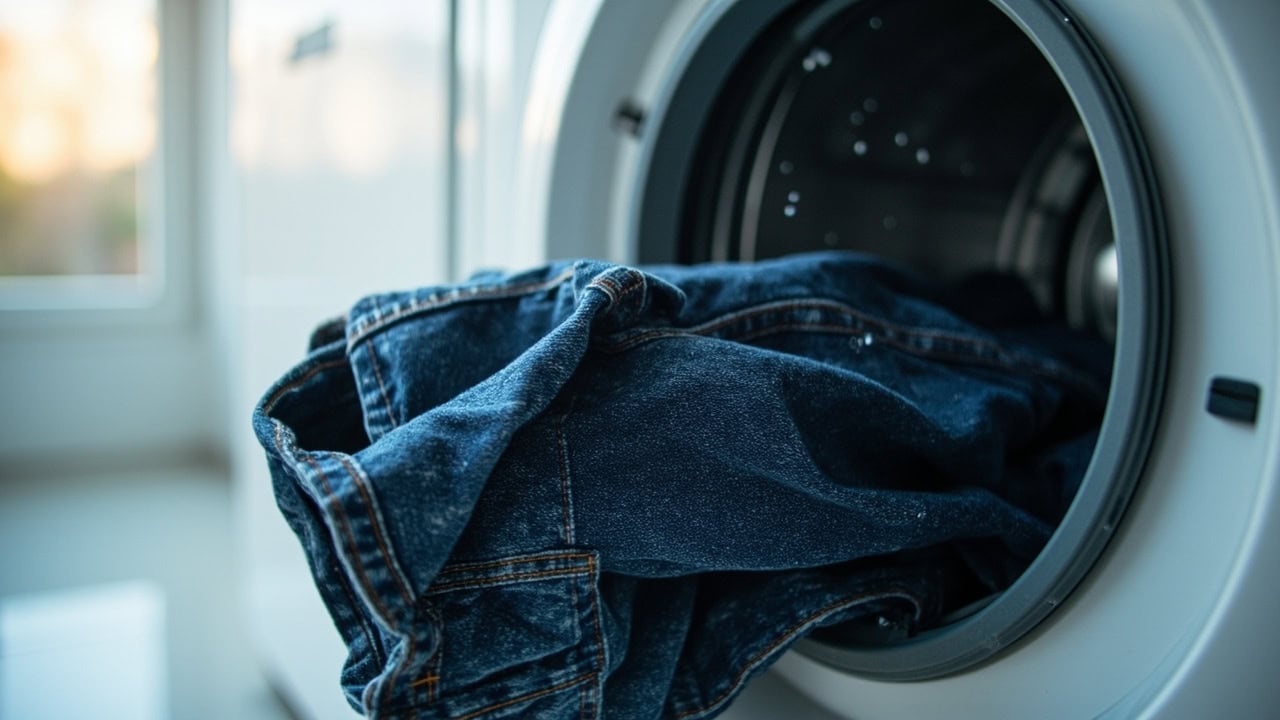
How to Wash Denim Jeans: Temperature & Frequency

Denim jeans should be washed in cold water at 30°C (86°F) on a gentle cycle, turned inside out, and laundered every 4–6 wears to maximize lifespan and preserve color. Hot water above 40°C (104°F) causes indigo dye bleeding and fabric shrinkage of up to 5–7%, while over-washing accelerates fiber breakdown and eliminates the personalized fit that develops from body heat and wear patterns. Following the correct washing temperature and frequency is the single most important factor in keeping denim looking sharp for years.
What You Need Before You Start
Gathering the right supplies before washing your denim ensures you will not need to pause mid-cycle or improvise with products that could damage the fabric. Denim is a tightly woven cotton twill that demands specific care — using the wrong detergent or temperature can permanently alter its color, texture, and fit in a single wash.
- Washing machine with cold water setting (30°C/86°F recommended)
- Mild liquid detergent specifically formulated for dark fabrics or pH-neutral gentle laundry soap
- Mesh laundry bag (optional but recommended for protecting hardware and seams)
- Clean, dry towel for rolling and moisture extraction
- Timer or phone alarm for precise cycle monitoring
Avoid detergent powders, which can leave visible residue trapped in the dense denim weave. Liquid detergents dissolve completely in cold water and rinse out cleanly, preventing the chalky streaks that powder deposits often leave behind on dark fabrics.
Step-by-Step Washing Process
Each step in this process targets a specific risk to your denim — from dye loss and mechanical abrasion to chemical residue buildup. Skipping any step compounds the damage over multiple washes. Follow the sequence exactly for the best results.
- Turn the jeans inside out — This simple step prevents abrasion on the outer indigo surface and protects seam stitching from friction damage during the wash cycle. The inner side of denim faces less visible wear, so any micro-abrasions from the drum will affect the hidden interior rather than the exterior finish.
- Close all zippers, buttons, and fastenings — Unfastened hardware can snag on the denim weave or damage the washing machine drum interior during rotation. Metal zippers and rivets act as abrasive elements inside the drum, creating tiny pulls in the cotton fibers that accumulate into visible pilling over time.
- Select cold water temperature (30°C/86°F) — Cold water opens fabric pores gently, allowing detergent to lift soil without bleeding indigo dye from the fibers. Water at or below 30°C maintains the structural integrity of cotton cellulose, while temperatures above 40°C (104°F) cause the dye molecules to detach from the fiber matrix and bleed into the wash water.
- Choose the gentle or delicate cycle — Reduced agitation speed minimizes mechanical stress on the denim weave structure, preventing premature fiber breakage. Front-loading machines naturally provide a gentler tumbling action compared to top-loaders with central agitators, which can stretch and distort heavy denim panels during the wash.
- Add mild detergent (1–2 tablespoons) — Excess detergent residue attracts soil and leaves mineral deposits that dull the fabric’s appearance over time. For dark-wash denim, a detergent formulated specifically for dark colors contains dye-transfer inhibitors that bind loose indigo particles back to the fiber surface rather than allowing them to wash away.
- Start the cycle and wait for completion — Do not add fabric softener, as it coats denim fibers with silicone that diminishes the fabric’s natural breathability and moisture-wicking properties. Silicone-based softeners create a hydrophobic film on cotton fibers that interferes with the fabric’s ability to absorb and release moisture — one of denim’s most valued functional properties.
Denim-Specific Considerations
Temperature Limits
Never use hot water above 40°C (104°F) when washing denim. Indigo dye is temperature-sensitive and will bleed significantly at higher temperatures, transforming dark denim into faded, unevenly washed fabric. Research from textile care experts confirms that raw denim can shrink up to 10% when exposed to hot water, while pre-washed denim still experiences 5–7% shrinkage at temperatures above 40°C. The cotton fibers in denim contract when heated, and once shrunk, the original dimensions cannot be fully restored.
Bleach and Chemical Avoidance
Avoid chlorine bleach entirely. Bleach oxidizes the indigo molecules and creates irregular light spots that cannot be reversed without re-dyeing the entire garment. Oxygen-based color-safe bleaches are marginally safer but still accelerate fading on dark indigo denim. If you need to treat a stain on denim, use a targeted pre-treatment approach — see our guide on how to remove ink stains from clothing for cold water pre-treatment techniques that work on denim without bleach.
Washing Frequency
Limit washing frequency to every 4–6 wears. Denim is a durable, tightly woven fabric that does not require frequent laundering; excessive washing accelerates pilling and fabric thinning. Between washes, spot-clean minor stains immediately — a damp cloth with a tiny amount of gentle soap applied to the stained area eliminates the need for a full wash cycle in most cases. This approach aligns with broader fabric care principles covered in our laundry care guide, which details optimal washing frequencies for various fabric types.
Drying Method
Air dry whenever possible. The dryer tumbling action creates micro-abrasions that accumulate over time, breaking down the cotton fibers and causing that worn-out look before the jeans are truly worn out. For related techniques on preserving fabric color and integrity during the entire laundry process, see our article on how to prevent clothes from fading in the wash, which shares the foundational cold-water and inside-out principles applied here.
Drying and Finishing Denim
How you dry your denim matters as much as how you wash it. The drying phase is where residual moisture, heat exposure, and gravity all act on the fabric simultaneously — and where the most preventable damage occurs if you take shortcuts.
Moisture Removal
Roll jeans in a dry towel to remove excess moisture. Press firmly but do not wring, as twisting stresses the seam construction and distorts the garment shape. Wringing wet denim applies uneven torsional force across the grain of the twill weave, which can permanently stretch the fabric along bias lines and create a misshapen leg profile.
Air Drying Best Practices
Hang or lay flat to air dry away from direct sunlight. UV radiation oxidizes indigo dye and causes photochemical degradation of cotton cellulose, resulting in color fading and fiber embrittlement. Hang jeans by the waistband on a sturdy, non-rusting hanger or lay them flat on a drying rack in a well-ventilated room. If you need to treat a stain before laundering, our stain removal guide covers pre-treatment techniques that work as a bridge between stain care and the laundry process.
When Machine Drying Is Unavoidable
If using a dryer is unavoidable, use the lowest heat setting and remove jeans while slightly damp. Over-drying causes static buildup and fabric stiffening that accelerates with repeated high-heat exposure. The remaining moisture will evaporate naturally as the jeans finish drying on a hanger, reducing the total heat exposure the fabric endures.
Storage After Drying
Hang on a padded hanger or fold neatly once fully dry. Improper storage creates permanent creases that become stress points in the fabric. Folding denim along the natural seam lines and storing flat prevents the horizontal creasing that weakens fiber structure at the fold line over months of storage.
Common Mistakes When Washing Denim
Even experienced laundry-doers make errors with denim because its care requirements differ significantly from standard cotton garments. The table below identifies the five most common mistakes, their measurable consequences, and the specific corrective action for each.
| Mistake | Consequence | Prevention |
|---|---|---|
| Using hot water | Indigo dye bleeding, shrinkage up to 5–7% | Always use cold water below 30°C |
| Washing after every wear | Premature fabric wear, lost fit personalization | Wait 4–6 wears between washes |
| Adding fabric softener | Reduced breathability, residue buildup | Skip softener entirely for denim |
| Machine drying on high heat | Fiber breakdown, shrinkage, static | Air dry or use lowest heat setting |
| Washing with rough garments | Surface abrasion, pilling, texture damage | Wash denim separately or in mesh bag |
Each of these mistakes compounds over time. A single hot-water wash will not destroy your jeans, but repeated exposure accelerates the cumulative damage. The indigo dye loss from hot water is permanent — once the dye molecules detach from the fiber and wash down the drain, they cannot be restored. Similarly, shrinkage from heat is mostly irreversible because cotton fibers physically contract and set in their shortened state when heated above their glass transition temperature.
The vinegar rinse technique — adding ½ cup of white vinegar (pH 2.5–3.0) to the rinse cycle — is one of the most effective zero-cost methods for setting indigo dye and preventing color transfer. The acetic acid neutralizes alkaline detergent residue and helps bind remaining dye particles to the cotton fiber matrix.
Frequently Asked Questions
Q: Can you wash denim jeans in a top-loading washing machine?
A: Yes, but use cold water and the gentle cycle with less detergent. Top-loaders have more aggressive agitation than front-loaders, so consider placing jeans in a mesh laundry bag to reduce mechanical stress on seams and prevent hardware damage to the drum. The central agitator in traditional top-loaders creates a pumping action that forces fabric against itself repeatedly — a mesh bag creates a protective barrier that absorbs much of this mechanical energy.
Q: How do you stop denim jeans from bleeding dye?
A: Add ½ cup of white vinegar to the rinse cycle — the mild acid (pH 2.5–3.0) neutralizes excess dye and sets remaining indigo particles within the fiber matrix. Wash new dark denim jeans separately for the first three washes until color bleeding diminishes significantly. For stubborn ink or dye-based stains on denim, pre-treat with cold water using the techniques described in our ink stain removal guide before laundering.
Q: Is it better to hand wash denim jeans?
A: Hand washing in cold water with gentle agitation is the gentlest method and preserves indigo color saturation longest. Fill a basin with cold water, add a small amount of mild detergent, submerge the turned-inside-out jeans, and knead gently for 5–10 minutes before rinsing thoroughly. Hand washing eliminates the mechanical agitation entirely, making it the preferred method for raw or selvedge denim where preserving the original finish is paramount.
Q: Why do denim jeans smell musty after air drying?
A: Insufficient drying time or inadequate air circulation causes mildew growth within the dense denim weave. Denim’s tight twill construction traps moisture deep in the fiber matrix, creating an anaerobic environment where mold and mildew spores thrive. Ensure jeans are completely dry before storage — hang in a well-ventilated area or use a fan to accelerate drying, especially in humid climates where ambient moisture slows evaporation significantly.
References
- Whirlpool Corporation. (2024). How to Wash Jeans: Tips for Keeping Denim Looking New. Whirlpool.
- International Association of Certified Home Inspectiators. (2023). Clothes Dryer Fire Safety. InterNACHI.
- Consumer Reports. (2024). How to Keep Your Jeans From Fading. Consumer Reports.
- University of Nebraska-Lincoln Extension. (2019). Clothing Care and Laundry Guide. UNL Extension.


