
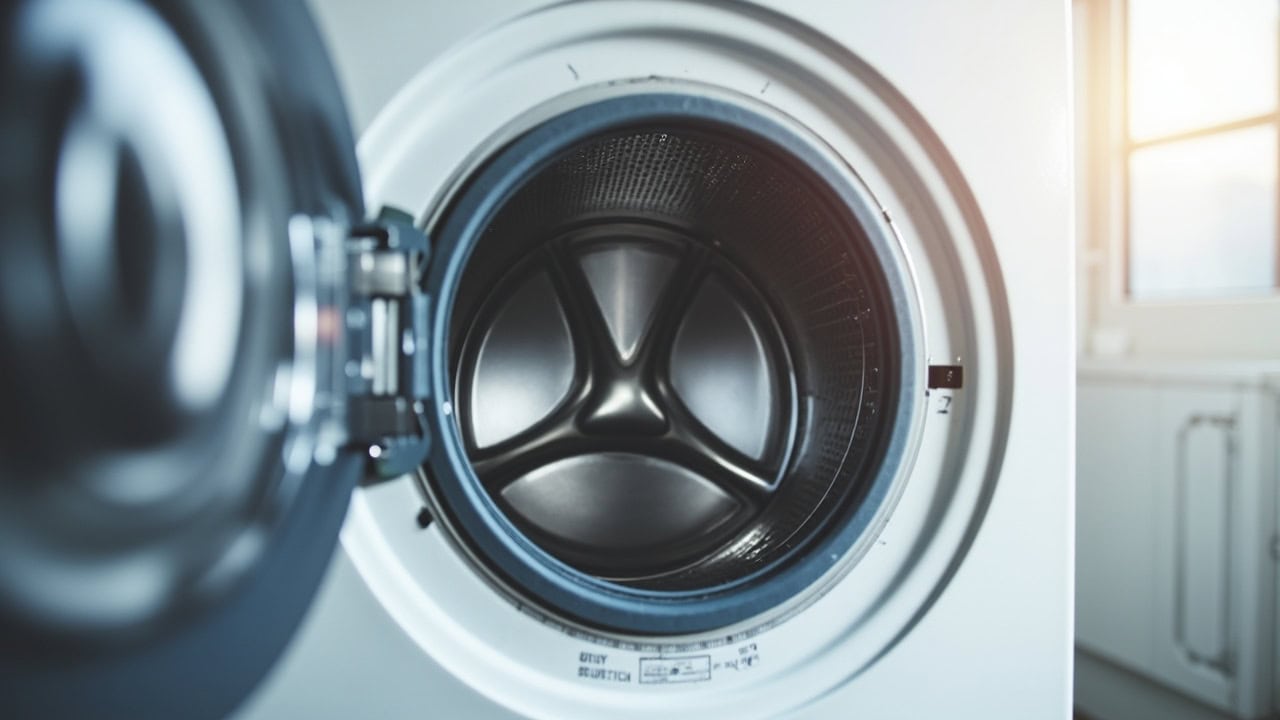
Why Does My Washing Machine Smell Like Fish?

A washing machine smells like fish because bacterial biofilm accumulates in the drum, drain system, and detergent drawer, releasing trimethylamine compounds that produce a fish-like odor. This biofilm forms when moisture, detergent residue, and organic matter combine in the dark, warm interior of the machine. The smell intensifies after running a low-temperature cycle, which fails to kill the bacteria. Regular monthly cleaning with hot water at 60°C/140°F minimum and acetic acid (white vinegar) prevents and eliminates this issue.
What Causes the Fishy Smell in Your Washing Machine
The fishy odor in your washing machine is primarily caused by bacterial biofilm — technically called multispecies biofilm — that colonizes the drum, drain hose, detergent drawer, and door gasket. This biofilm releases trimethylamine (TMA), the same compound that gives fish their characteristic smell. Gram-negative bacteria such as Shewanella, Enterobacteriaceae, and Photobacterium produce TMA by reducing trimethylamine N-oxide (TMAO) found in organic residues left behind after washing.
A 2024 metabarcoding study of 22 household washing machines in Shanghai identified diverse microbial communities persisting across drum surfaces, rubber seals, and detergent compartments — including known odor-producing species that thrive in moist, warm environments. These bacteria flourish especially under the following conditions:
- Low-temperature cycles (30°C/86°F or below) are used frequently, which fail to achieve bactericidal temperatures
- Liquid detergent or fabric softener leaves residue in the dispenser that feeds microbial growth
- The machine is left closed after a cycle, trapping humidity and creating anaerobic conditions
- The drain hose has standing water or slime buildup that harbors bacteria
- Organic matter such as skin cells, hair, and detergent residues collect in the rubber gasket folds
Research published in Microorganisms (2024) confirmed that household washing machines harbor complex microbial ecosystems, with bacterial exchange occurring between laundry and machine surfaces during every wash cycle. Energy-efficiency trends driving wash temperatures down to 30–40°C have further impaired the antimicrobial efficacy of standard laundry cycles, as documented by Bockmühl et al. (2019) in Microbial Cell.
How Bacterial Biofilm Forms in Washing Machines
Biofilm begins when bacteria naturally present in water and on fabrics attach to surfaces inside the machine. As they multiply, they produce a protective slime layer called extracellular polymeric substance (EPS) that makes them extremely resistant to removal during normal washing cycles. A 2019 study in Microbial Cell found that this biofilm matrix shields bacteria from both detergent action and moderate temperatures, allowing colonies to persist for months or even years inside household machines.
Key colonization sites inside a washing machine include the following areas, each with distinct risk levels and primary causes:
| Area | Risk Level | Primary Cause |
|---|---|---|
| Door gasket | High | Moisture trapped in rubber folds |
| Detergent drawer | High | Residue buildup, poor drainage |
| Drain hose | Medium-High | Standing water, slime accumulation |
| Drum interior | Medium | Organic residue, low-temperature washes |
| Drain pump filter | Medium | Lint, debris, standing water |
Diagnosis Checklist: Confirming Bacterial Biofilm Is Your Issue
Before treating the odor, confirm that bacterial biofilm — rather than a plumbing or mechanical issue — is the source of the fishy smell. Run through this checklist to isolate the cause:
- Run a hot wash (60°C/140°F or higher) — if the smell worsens immediately after, biofilm gases are being released as the heat activates bacterial off-gassing
- Sniff the detergent drawer area — if the odor is strongest here, residue buildup is the likely culprit
- Pull back the door gasket and examine the rubber folds for slimy residue, black spots, or visible mold growth
- Check the drain hose (if accessible) for internal slime, discoloration, or standing water after a cycle
- Run an empty hot wash — if the odor clears after one hot cycle, light biofilm is the cause and routine maintenance will resolve it
- Check the drain pump filter for accumulated lint, debris, and standing water that can produce similar foul odors
If the smell persists even after thorough cleaning, the issue may stem from a deeper mechanical or plumbing problem. See the section on when to call a technician below.
Step-by-Step Fix: Eliminating the Fishy Smell
Method 1: Hot Water + Vinegar Maintenance Wash (Monthly Prevention)
White distilled vinegar contains 5% acetic acid, which lowers the pH below the survival threshold of most biofilm-forming bacteria. Combined with hot water at 60°C/140°F or above, this method disrupts the EPS matrix and kills the underlying microorganisms. For detailed guidance on cleaning the drum itself, see our guide to cleaning your washing machine drum.
- Empty the drum completely — no laundry or items inside
- Add 2 cups (500 ml) of white distilled vinegar directly to the drum
- Run the longest hot wash cycle available, set to 60°C/140°F minimum
- Allow the cycle to complete fully without interrupting it
- Once finished, wipe the door gasket with a cloth dipped in a vinegar solution (1:1 vinegar and water)
- Leave the door and detergent drawer open between loads to allow complete air drying
- Repeat monthly to prevent biofilm reformation
Method 2: Commercial Washing Machine Cleaner (Deep Clean)
Commercial washing machine cleaners use active oxygen compounds or enzymatic cleaners that break down biofilm more aggressively than household acids. These products are formulated to dissolve the EPS matrix and reach areas that vinegar alone may not penetrate, including internal hoses and the drain pump chamber.
- Purchase a washing machine cleaner tablet or liquid — look for active oxygen or enzymatic-based formulations
- Run an empty hot wash with the cleaner according to the product instructions
- For stubborn buildup, apply cleaner directly to the door gasket and let it sit for 15 minutes before wiping clean
- Clean the drain pump filter by accessing the lower front panel of the machine
- Remove any visible debris or slime from the filter area
- Run a second hot empty wash without any products to rinse residual cleaner from the system
- Dry all accessible surfaces with a clean microfiber cloth
Method 3: Deep Cleaning the Detergent Drawer
The detergent drawer is one of the most common sites for biofilm colonization because liquid detergents and fabric softeners leave residue that bacteria feed on. A 2021 study in Molecules noted that detergent residue in dispensers contributes significantly to microbial regrowth between wash cycles. Allow adequate dwell time when soaking the drawer to break down stubborn deposits.
- Slide out the detergent drawer completely from the machine
- Remove any fabric softener insert or divider piece
- Soak the drawer in hot water with 1 cup (250 ml) of white vinegar for 30 minutes
- Use an old toothbrush to scrub the drawer grooves, channels, and perforations
- Rinse thoroughly with clean water to remove all loosened residue
- Dry the drawer completely before sliding it back into the machine
- Run a short hot rinse cycle to flush any remaining debris from the drawer housing
How to Prevent the Fishy Smell from Returning
Prevention is more effective than remediation. Once you have eliminated the biofilm, these habits will keep your washing machine odor-free. The most effective single action is leaving the door and detergent drawer open after every cycle, which allows moisture to evaporate and deprives bacteria of the humid environment they need to colonize. For comprehensive laundry care guidance, visit our Laundry Care Hub.
| Prevention Method | Frequency | Effectiveness |
|---|---|---|
| Leave door and drawer open after use | After every cycle | High |
| Monthly hot wash with vinegar | Monthly | Very High |
| Use powder detergent instead of liquid | Ongoing | Medium-High |
| Clean door gasket weekly | Weekly | High |
| Run a monthly maintenance hot wash | Monthly | Very High |
| Clean drain pump filter quarterly | Quarterly | Medium |
| Use less detergent (follow dosage guidelines) | Ongoing | Medium |
Powder detergent is recommended over liquid because it contains bleaching agents and leaves less residue in the dispenser. If you notice your laundry itself developing a sour or musty odor after washing, our article on why laundry smells musty after washing covers the related causes and solutions.
When to Call a Technician
If the fishy smell persists after completing all three cleaning methods above, the problem likely involves a mechanical or plumbing issue that cannot be resolved by cleaning alone. Common underlying causes include:
- Drain hose blockage or improper venting — causing standing water that continuously feeds bacterial growth
- Seal integrity failure — allowing wastewater to leak and stagnate inside the machine cabinet
- Pump malfunction — preventing complete water drainage after cycles, leaving a damp environment for bacteria
- Under-sink drain connection issues — shared drain line problems causing backflow or incomplete drainage
Contact a washing machine repair technician if standard cleaning does not resolve the odor within two full cleaning cycles. Biofilm-related odor that resists thorough cleaning almost always indicates a drainage or plumbing fault. For related biofilm issues in other household appliances, our Kitchen Cleaning Hub covers dishwasher biofilm prevention — a similar problem caused by the same microbial mechanisms.
Frequently Asked Questions
Q: Why does my washing machine only smell like fish after running a cold wash?
A: Cold water below 40°C/104°F does not kill the bacteria that produce trimethylamine. When you run a cold cycle, you are essentially stirring up the bacterial gases that have accumulated in the biofilm, releasing the fishy smell. Switch to hot washes or run a monthly maintenance hot cycle at 60°C/140°F or above to eliminate bacteria.
Q: Can I use bleach to remove the fishy smell from my washing machine?
A: While bleach can kill bacteria, it is not recommended for regular cleaning because it can damage rubber components including the door gasket and hoses, and leave residue that causes other odors. Vinegar (5% acetic acid) or commercial washing machine cleaners are safer and equally effective. If you do use bleach, limit it to 1/2 cup and run a hot empty cycle afterward to rinse thoroughly.
Q: How often should I clean my washing machine to prevent fishy smells?
A: Perform a maintenance hot wash with vinegar or a commercial cleaner once per month for households with daily laundry usage. If the machine is used less frequently, every 4 to 6 weeks is sufficient. Additionally, leave the door and detergent drawer open after every use to allow complete drying.
Q: Is the fishy smell from my washing machine harmful to my health?
A: The trimethylamine-producing bacteria are generally not pathogenic and do not pose serious health risks. However, the biofilm can harbor other bacteria such as Pseudomonas or Staphylococcus that may cause skin irritation or allergic reactions in sensitive individuals. Eliminating the smell improves laundry hygiene and reduces potential exposure.
References
- Callewaert C, et al. (2015). Bacterial Exchange in Household Washing Machines. Frontiers in Microbiology, 6:1381.
- Bockmühl DP, et al. (2019). Low Temperature Washing — How Hygienic Is It Really?. Microbial Cell, 6(7):299–306.
- Chen T, et al. (2024). Metabarcoding Analysis of Microbial Communities in Household Washing Machines. Microorganisms, 12(1):160.
- Díez López C, et al. (2025). Laundry Malodour, Microbiome and Pathogenome of Household Washing Machines. BMC Biology, 23(1):40.
- Tavčer PF, et al. (2021). Influence of Detergent Formulations and Wash Temperatures on Microbial Removal. Molecules, 27(1):195.


