
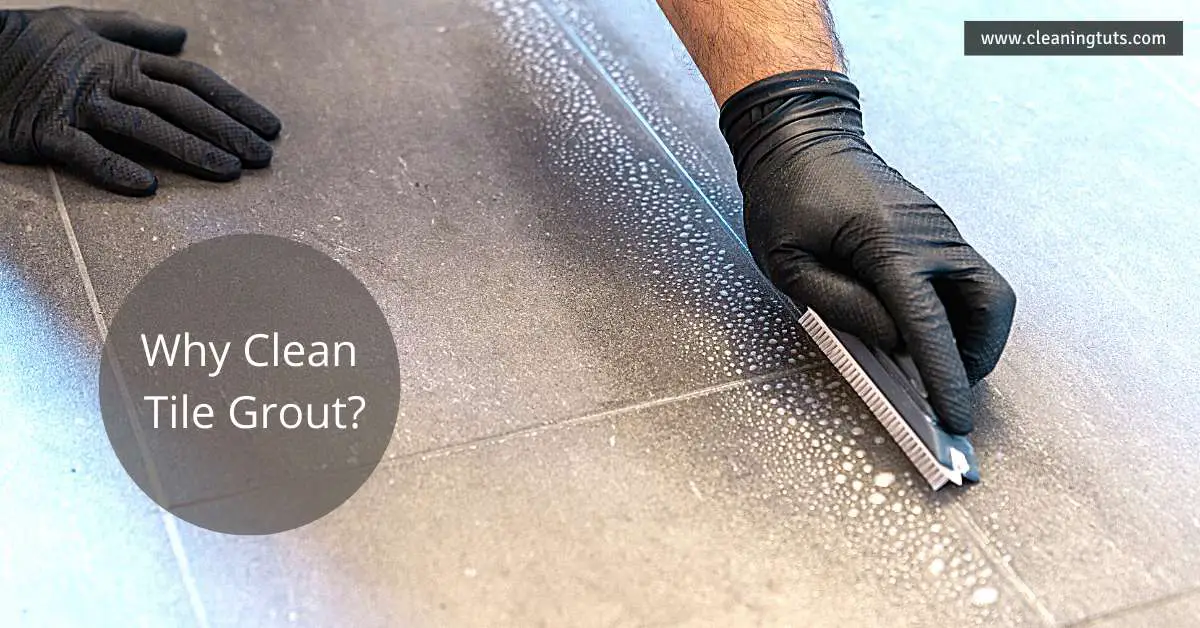
Why Clean Tile Grout?

Dirty tile grout harbors bacteria and mold that cause respiratory issues, degrades flooring faster than clean grout, and makes professional cleaning 40% more expensive according to industry data. Unsealed cementitious grout—a porous material with 10–15% air by volume—absorbs liquids immediately, allowing stains to set within 24–48 hours. Regular cleaning extends tile life by up to 10 years and prevents the $300–$600 cost of professional grout restoration.
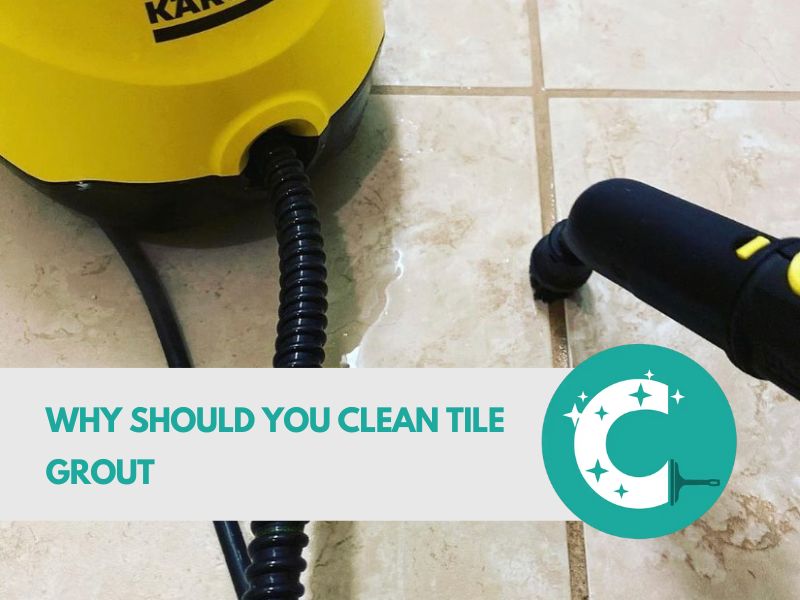
Why Should You Clean Tile Grout?
Tile grout is one of the most important aspects of keeping your tile looking its best. Not only does it help your tile to last longer, but it also makes it easier to clean. Grout is a porous material that can quickly become stained, so it is essential to keep it clean.
Cleaning helps maintain the integrity of your tile flooring. Therefore, it’s important to regularly clean it to prevent dirt and bacteria from building up. There are several benefits to cleaning tile grout, including:
Improving the Appearance of Your Floors
Dirty grout can make even the most excellent tile floors look dull and dingy. Regular cleaning will help keep your floors looking their best.
Preventing Bacteria and Mold from Building Up
When left uncleaned, grout becomes a breeding ground for bacteria and mold. The CDC reports that indoor mold exposure causes stuffy nose, sore throat, coughing, wheezing, and skin rashes in healthy individuals. People with asthma or mold allergies face severe reactions, and the CDC links indoor mold exposure to upper respiratory tract symptoms in otherwise healthy people. Keeping humidity below 50% and cleaning grout regularly prevents mold from establishing colonies that damage both your health and your tile.
Extending the Life of Your Tile Flooring
Tile floors that are regularly cleaned will last longer than those that are not. Properly maintained grout can help to extend the life of your tile. This is because dirt and debris can cause wear and tear on the tiles, leading to cracks and breaks. When the grout is stained and dirty, it can damage the tile and cause it to break down over time.
Preventing Discoloration
Tile grout can discolor over time, and unsealed cementitious grout absorbs liquids immediately upon contact. Stains from coffee, grease, and general foot traffic set permanently within 24–48 hours if not addressed. Regular sealing and prompt cleaning prevents discoloration from becoming permanent.
Making Floor Cleaning Easier
When you have clean grout, it will be much easier to clean your tile. However, if you have stained grout, you will likely need to use harsher cleaners and scrub harder to remove the dirt. The buildup in the crevices of your tile makes the rest of your tile floor harder to clean as well.
Protecting Your Tile
Grout helps to protect your tile from dirt and moisture. However, when the grout is stained, it can allow dirt and moisture to penetrate the tile, leading to damage. Sealed grout prevents moisture penetration and extends the life of both the grout and the tile.
How to Clean Tile Grout: Methods for Every Surface
If you’re wondering how to clean tile grout, the best method depends on the type of tile and the type of grout. The most important thing to keep in mind while cleaning is to be gentle so as not to damage the grout or the tiles. Before the cleaning process, identify the tile type in your room.
Ceramic Tile
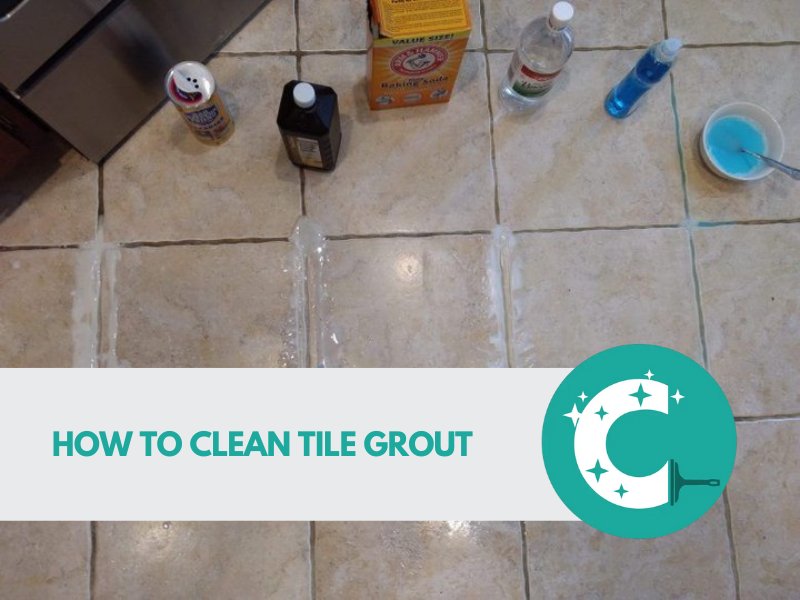
You can use various household cleaners, such as vinegar, baking soda, or hydrogen peroxide. Be sure to read the labels carefully and follow the instructions, as some cleaners may damage the tile or grout if not used correctly. Vinegar (pH 2.5) dissolves mineral deposits and kills surface bacteria but should never be used on natural stone such as marble or limestone.
Porcelain Tile
For porcelain tile, use a mild abrasive cleaner such as Bon Ami or Bar Keepers Friend, or a soft toothbrush to scrub the grout. Rinse the area thoroughly with clean water after cleaning. Porcelain’s dense, non-porous surface resists staining, but the grout lines remain vulnerable.
Natural Stone Tile
Use a pH-neutral cleaner specifically formulated for natural stone and a soft brush. Never use acidic cleaners such as vinegar or lemon juice on marble, travertine, or limestone, as they cause etching—a permanent dulling of the stone surface. Apply a stone-safe sealer after cleaning to protect the surface.
Identifying the Grout Type
Identifying the type of grout you have determines the cleaning approach. There are two main types: epoxy and cementitious.
Epoxy grout is waterproof, non-porous, and highly resistant to staining and chemical damage. Cementitious grout is porous (containing 10–15% air by volume) and absorbs liquids immediately upon contact, making it susceptible to stains and mold if unsealed. Both types benefit from regular cleaning, but cementitious grout requires sealing for long-term stain protection.
Commercial Grout Cleaners
Commercial grout cleaners are formulated for heavy-duty cleaning on filthy grout. Follow the instructions on the cleaner, and be sure to rinse the area thoroughly afterward. Look for products certified by NSF International for household cleaning applications.
Steam Cleaners
A steam tile cleaner uses water heated to 200–300°F to blast away tough stains, dirt, and grime without chemicals. Steam cleaning kills surface bacteria and mold spores on contact and is ideal for allergy sufferers who want to avoid harsh cleaning agents. For tough stains, dirt, or grime buildup, a steam tile cleaner is highly effective.
Hiring a Professional
Tile and grout can be challenging to clean, especially in high-traffic areas. Professional tile cleaners have the knowledge and experience to clean all types of tile and grout, including ceramic, porcelain, marble, and natural stone. They also have the right equipment to do the job quickly and efficiently, and many offer warranties on their work.
Tile Cleaning Machines
Tile cleaning machines use high-pressure water and suction to clean tile and grout quickly and easily. These compact, lightweight machines excel at removing dirt, grime, and set-in stains. They are stored easily and can be carried from room to room.
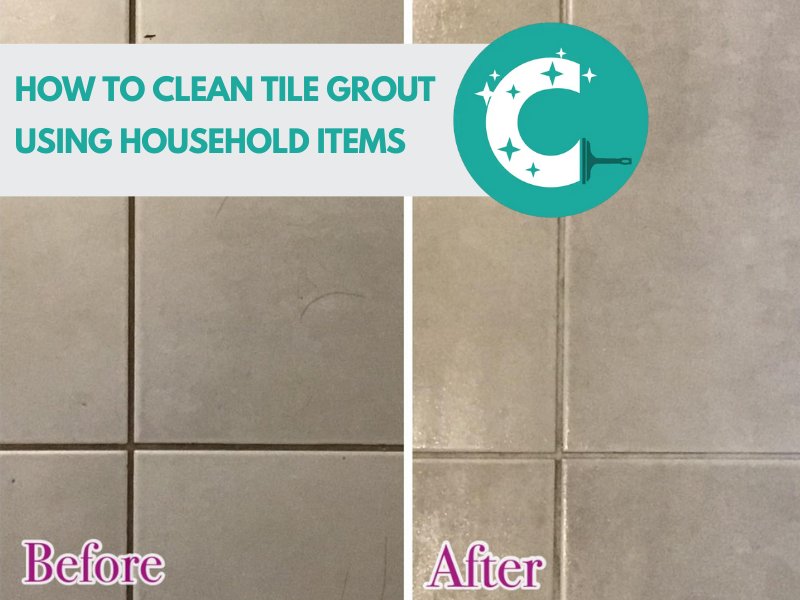
How to Clean Tile Grout Using Household Items
Numerous methods for cleaning tile grout don’t require the use of harmful chemicals. The right approach depends on your grout type and the severity of the staining.
Vacuum Cleaner
First, sweep or vacuum your floor to remove any loose dirt or debris. Then, use a damp mop or cloth to clean the tile’s surface. Be sure to wring out the mop or cloth well so that you don’t leave standing water on the floor, which can seep into grout lines and promote mold growth.
Baking Soda
Baking soda is a gentle cleaning option for tile grout. Make a paste using 3 parts baking soda to 1 part water. Apply the paste to the grout and let it sit for about an hour. Then, use a brush or toothbrush to scrub the grout. After scrubbing, rinse off the paste with clean water.
White Vinegar
White vinegar (pH 2.5) is an effective cleaner for ceramic and porcelain tile grout. Mix equal parts water and white vinegar in a spray bottle and spritz it onto the grout. You can also add a few drops of dish soap to the mixture. Let it sit for 5–10 minutes, then scrub with a soft-bristled brush and rinse with clean water. Do not use vinegar on natural stone tiles—the acidity causes permanent etching.
Bleach and Water
For severe stains or discoloration, the CDC recommends a bleach solution of 1 cup of household bleach per gallon of water. Apply the solution to the grout, let it sit for 5–10 minutes, then scrub and rinse thoroughly. Always wear gloves and ensure adequate ventilation. Never mix bleach with ammonia—this produces toxic chloramine gas.
Grout Sealer
Once your grout is clean, apply a grout sealer to protect it against future stains. Penetrating sealers soak into cementitious grout and last 1–3 years before reapplication is needed. Topical sealers form a protective barrier on the surface. Apply the sealer according to the product directions—most require 24–48 hours to cure fully before exposure to water.
Soft-Bristled Brush
A soft-bristled brush is the best tool for cleaning tile grout without damaging the surface. Start by wetting the grout with warm water and then gently scrub it with the brush. Pay special attention to any areas that appear particularly dirty. Avoid wire brushes, which scratch tile surfaces and can damage grout.
Lemon Juice
Fresh lemon juice acts as a natural bleaching agent for tile grout. Mix freshly squeezed lemon juice with an equal amount of water, scrub the mixture into the grout lines using an old toothbrush, and let it sit for 10–15 minutes before wiping away with a damp cloth. Like vinegar, lemon juice is acidic (pH 2.0–2.5) and should not be used on natural stone tiles.
Borax
Mix equal parts borax and water in a bowl to form a paste. Apply the paste to the grout lines with a sponge or brush, scrub until the dirt is gone, then rinse with clean water and dry with a towel. You may need to repeat this process several times for stubborn stains.
Hydrogen Peroxide
Hydrogen peroxide (pH 4.5) is an effective bleaching agent that removes stains, mildew, and mold from tile grout. Apply it directly to the grout, use a toothbrush to scrub the surface, and let it sit for 10 minutes before rinsing. It is safe for most tile types including ceramic and porcelain, but test on a small, inconspicuous area first when using on colored grout.
The Benefits of Having Clean Tile in Your Home
Most people think of tile as a practical flooring choice for high-traffic areas like the kitchen or bathroom. But tile can also be a stylish design element in any room of your home.
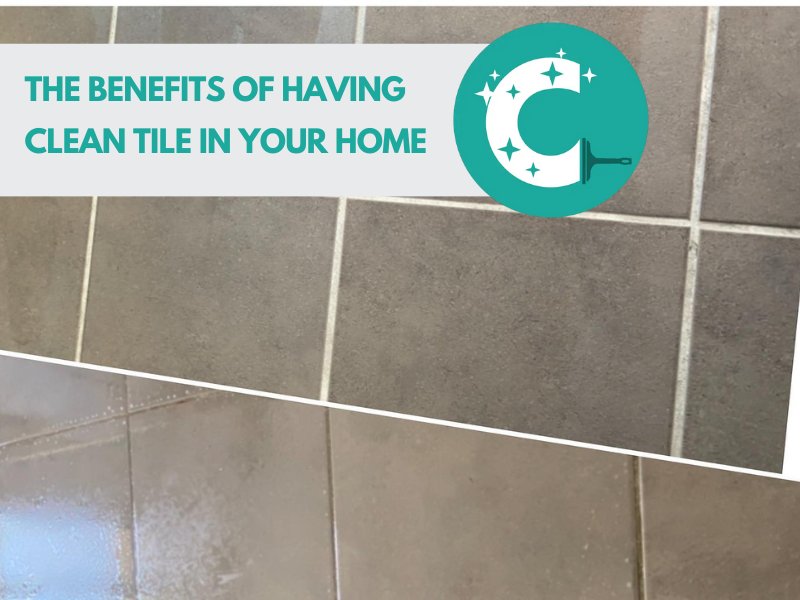
But tile isn’t just about good looks. It’s also one of the most accessible flooring materials to keep clean. When the tile is kept clean, it can help to brighten up your home and make it look more inviting.
Healthier Indoor Environment
One of the most significant benefits of having clean tile is that it improves your home’s air quality. Dust, allergens, and biological contaminants become trapped in tile and grout, particularly in kitchens and bathrooms where moisture is present. Keeping your tile and grout clean reduces the amount of allergens in your home and creates a healthier environment for your family.
Extends the Floor’s Life
Another benefit of having clean tile is that it extends your floor’s life. When tile is not properly cared for, it can become stained and discolored. Dirt and grime wear down the finish on your tile, making the floor more susceptible to damage. By keeping your tile clean, you help protect it from wear and tear and keep it looking its best for years to come.
Reduces Risk of Illness
Tile in kitchens and bathrooms is frequently damp and becomes a breeding ground for bacteria and other germs. Keeping your tile clean prevents the spread of illness-causing microorganisms. The CDC recommends regular cleaning with an appropriate disinfectant to reduce pathogen transmission on hard surfaces.
How Often Should You Clean Your Tile Grout for Best Results?
It is important to clean your tile grout on a regular basis in order to maintain the appearance of your tiles and to prevent the build-up of dirt and grime. The frequency depends on traffic levels and the type of grout you have.
Sweep or Vacuum Weekly
Debris can build up in your grout lines and become difficult to remove if not dealt with regularly. Sweep or vacuum your floors at least once a week to pick up any dirt or debris that may have found its way into the nooks and crannies of your tile and grout.
Mop Weekly
In addition to sweeping or vacuuming, mop your floors on a regular basis. This loosens any dirt or debris clinging to your tile or grout so that it can be removed more easily. Aim to mop your floors at least once a week, or more often in high-traffic areas or homes with pets.
Spot Clean as Needed
Even with regular sweeping and mopping, there will inevitably be times when your tile and grout need a little extra attention. If you spot any dirt or debris, clean it up right away. The longer you let it sit, the harder it will be to remove—especially on unsealed cementitious grout where stains set within 24–48 hours.
Conclusion
Cleaning your tile grout regularly is essential for keeping it looking its best and maintaining a healthy home environment. Dirty grout breeds bacteria and mold, degrades tile faster, and costs more to restore professionally. By following the tips in this article—weekly sweeping, mopping with appropriate cleaners, and annual sealing—you can keep your floors clean and free of dirt, debris, and stains. For more cleaning guidance, explore the Tile & Grout Cleaning Hub or browse the Cleaning Glossary.
References
- Centers for Disease Control and Prevention (CDC). (2024). Health Effects of Mold Exposure. CDC.gov.


