
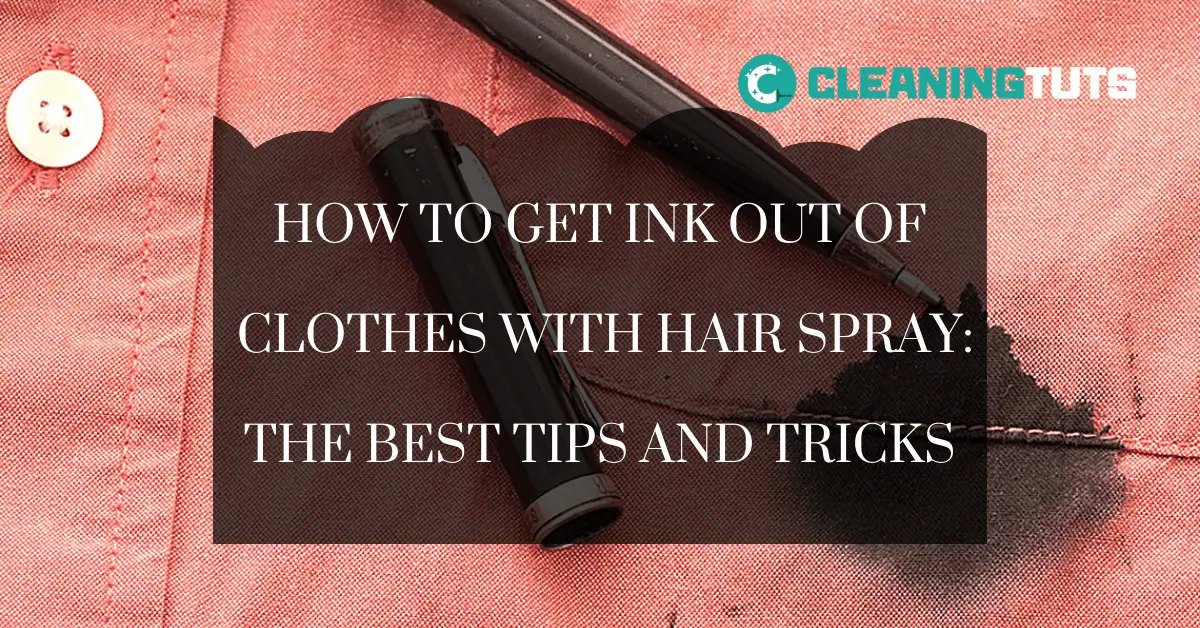
How to Get Ink Out of Clothes with Hair Spray: The Best Tips and Tricks

Blotting the ink stain with an alcohol-based hairspray and scrubbing with a toothbrush removes ink from clothes without damaging fabric. Isopropyl alcohol at 70% concentration dissolves water-based ink pigment molecules (0.1–2 μm size) within 2–3 minutes of contact time, making it the most effective readily available solvent.
Types of Pen Inks
Ink is composed of solvents, pigments, dyes, and binders. Pigment molecules measure 0.1–2 μm and comprise 5–30% of ink volume. Each ink type requires a specific removal approach based on its chemical composition.
Water-Based Ink
Water-based ink appears in ballpoint pens, gel pens, and fountain pens. This ink type dissolves in water and responds to isopropyl alcohol treatment within 2–3 minutes. Rinse with cold water (below 30°C/86°F) to prevent setting the stain.
Permanent Ink
Permanent ink exists in markers and highlighters. These inks bond to fabric fibers through resin binders and require alcohol-based solvents (isopropyl alcohol 70% or higher) for removal. Soak for 5–10 minutes before scrubbing.

Stainless Steel Ink
Stainless steel ink appears in certain permanent markers and proves the most resistant to home treatment. This ink type contains iron gall compounds that cause acid-catalyzed damage to fabric fibers over time. Professional dry cleaning is required for these stains.

Hairspray and Ink Removal: How It Works
Hairspray removes ink from clothing because the alcohol content acts as a solvent that breaks down ink pigment molecules. Aerosol hairsprays typically contain 50–80% alcohol by volume. Standard pump sprays contain 20–30% alcohol. Alcohol-based hairsprays dissolve water-based ink within 2–3 minutes of direct contact.
Choosing the Right Hairspray for Ink Stain Removal
Use only alcohol-based hairsprays for ink removal. Check the label for isopropyl alcohol or sd alcohol as a primary ingredient. Avoid ultra-hold or humidity-resistant formulas that contain additional polymers—these leave residue that attracts more dirt.
Step-by-Step: Removing Ink with Hairspray
Follow this process for water-based and ballpoint pen inks:
- Place the stained fabric over a sink or bowl, ink spot facing up
- Spray alcohol-based hairspray directly onto the stain from 4–6 inches away
- Wait 2–3 minutes for the alcohol to dissolve the ink pigment molecules
- Scrub gently with a toothbrush using circular motions
- Rinse thoroughly with cold water (below 30°C/86°F)
- Wash as usual using the cold water setting
Removing Dried Ink Stains from Clothes
Dried ink stains require additional moisture before treatment. The ink pigment has bonded to fabric fibers and needs rehydration before the solvent can work effectively.
Method 1: Rubbing Alcohol Treatment
Soak a cotton ball in isopropyl alcohol (70% concentration) and dab the stain. The alcohol penetrates dried ink within 3–5 minutes. Scrub with a toothbrush, then rinse with cold water. This method dissolves ballpoint pen ink effectively because the alcohol breaks down the oil-based binder.
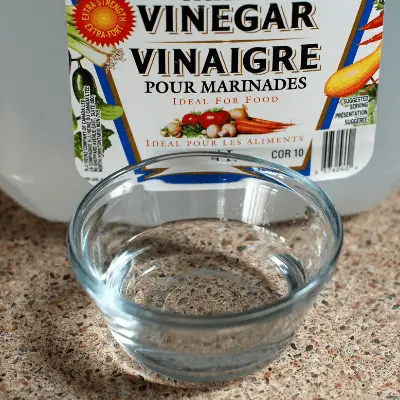
Method 2: White Vinegar Application
White vinegar (acetic acid, pH 2.4–2.6) works best on water-based ink stains. Soak a cotton ball in undiluted white vinegar and apply to the stain for 3–5 minutes. The mild acid breaks down water-based ink without damaging most fabric types. Rinse with cold water after treatment.
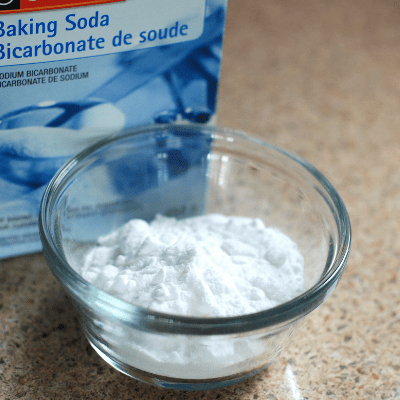
Method 3: Baking Soda Paste
Mix baking soda with water at a 3:1 ratio to form a thick paste. Apply directly to the dried ink stain and let sit for 5–10 minutes. The mild alkaline formula breaks down acid-based inks. Scrub with a toothbrush and rinse thoroughly.
Method 4: Hand Sanitizer
Apply a dime-sized amount of alcohol-based hand sanitizer (containing at least 60% isopropyl alcohol) directly to the stain. Let it penetrate for 2–3 minutes. The gel formula clings to vertical fabric surfaces better than liquid applications. Scrub with a toothbrush and rinse with cold water.

Effective Ink Removal Products and Solutions
Multiple products dissolve ink from fabric. The most effective options ranked by speed of action:
- Isopropyl alcohol 70–90%: Dissolves water-based ink in 2–3 minutes; most effective for ballpoint pen ink
- Alcohol-based hairspray: 50–80% alcohol content; works in 2–3 minutes on fresh stains
- White vinegar (pH 2.4–2.6): Effective on water-based inks in 3–5 minutes
- Hand sanitizer (60%+ isopropyl alcohol): Gel formula clings to fabric for 2–3 minutes
- Baking soda paste (3:1 ratio): Best for acid-based inks; requires 5–10 minutes contact time
Always test any solution on a hidden area of the fabric first. Avoid using nail polish remover (acetone) on synthetic fabrics—it degrades acetate and triacetate fibers.
Ballpoint Pen Ink Removal from Fabric
Ballpoint pen ink contains oil-based binders that resist water alone. The most effective treatment uses isopropyl alcohol at 70% concentration or higher. Apply to the stain, wait 2–3 minutes, then scrub with a toothbrush using circular motions. Rinse thoroughly with cold water and launder on the cold setting (below 30°C/86°F).
Permanent Marker Stain Removal from Clothes
Permanent markers bond through resin binders that resist water-based cleaning. The most effective home treatment involves a two-step process:
- Rinse immediately with cold water to flush loose pigment
- Apply isopropyl alcohol (70%) or alcohol-based hairspray
- Let penetrate for 5–10 minutes
- For stubborn stains: soak in a solution of ½ cup white vinegar and 2 cups cold water for 30 minutes
- Rinse and launder in cold water
Frequently Asked Questions
Does aerosol hairspray remove ink?
Yes. Aerosol hairspray contains 50–80% alcohol by volume, which dissolves water-based ink within 2–3 minutes of contact. Pump-style hairsprays contain only 20–30% alcohol and work more slowly. Always choose alcohol-based formulas for ink removal.
Will vinegar remove ink from clothes?
Yes. White vinegar (acetic acid, pH 2.4–2.6) removes water-based ink stains effectively. Apply undiluted vinegar to the stain, wait 3–5 minutes, then scrub with a toothbrush. Rinse thoroughly with cold water.
What is the best ink stain remover?
Isopropyl alcohol at 70% concentration is the most effective readily available ink stain remover. It dissolves ballpoint pen ink within 2–3 minutes by breaking down the oil-based binder. For extra-strength treatment, 90% isopropyl alcohol works even faster.
Can you use hairspray to remove Sharpie?
Yes. Alcohol-based hairspray (50–80% alcohol) removes Sharpie from fabric. Soak the stain for 5–10 minutes, then scrub with a toothbrush. You may need to repeat the process 2–3 times for complete removal.
Can ink stains be removed after drying?
Yes. Dried ink stains require rehydration before removal. Apply isopropyl alcohol (70%) or white vinegar to the stain and wait 3–5 minutes to rehydrate the dried pigment. Then scrub with a toothbrush and rinse thoroughly.
Can you use nail polish remover to remove ink from clothes?
No. Nail polish remover contains acetone, which damages synthetic fabrics including acetate and triacetate fibers. Use isopropyl alcohol, white vinegar, or an alcohol-based hairspray instead. These safe alternatives remove ink without degrading fabric.
What removes ink from a shirt?
Isopropyl alcohol (70%) removes ink from shirts most effectively. Apply the alcohol to a cotton ball, dab the stain, wait 2–3 minutes, then scrub with a toothbrush. Rinse with cold water and launder as usual. For water-based inks, white vinegar (pH 2.4–2.6) works equally well.
Can Paint Removal Techniques Work for Ink Stains?
Many paint removal techniques also work on ink stains because both involve pigment dissolved in a solvent base. Pre-treating with rubbing alcohol or hand sanitizer, then washing in warm water (40°C/104°F max for color-safe fabrics) provides effective results. For oil-based stains, a mixture of dish soap and vinegar works on both paint and ink.
References
- Encyclopaedia Britannica. (2024). Ink Composition and Stain Removal. Encyclopaedia Britannica.
- Wikipedia. (2024). Ink — Chemical Composition. Wikipedia.
For more stain removal guidance, visit the Stain Removal Hub or browse the Cleaning Glossary for definitions of cleaning chemistry terms.


