
How to Get Smell Out of Down Jacket without Washing?

Down jackets develop odors from trapped body oils, sweat, and odor-causing bacteria that accumulate in the down fill. You can eliminate these odors completely without machine washing by using five proven methods: baking soda adsorption, white vinegar neutralization, UV-C exposure, steam treatment, or citrus spray. These approaches preserve the jacket’s natural loft and water-resistant properties while restoring a fresh scent within 2 to 24 hours.
5 Proven Methods to Remove Odors from a Down Jacket Without Washing
Each method below uses a different chemical or physical mechanism to neutralize odor molecules and bacteria. Choose the approach that matches your available time and materials.
Method 1: Baking Soda Adsorption (4–24 Hours)
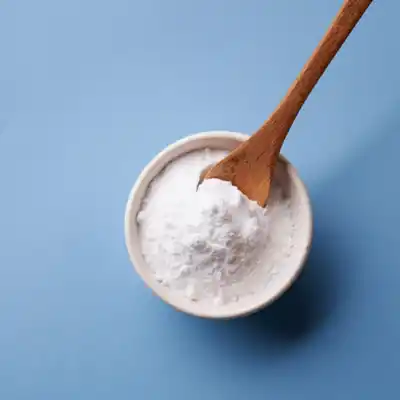
Sodium bicarbonate (baking soda) adsorbs odor molecules through a process called chemisorption, where acidic odor compounds bond to the alkaline bicarbonate surface. This method works best on mild to moderate odors and requires no liquid, making it the safest approach for down fill.
- Place 2–3 tablespoons of baking soda in an open mesh bag or cheesecloth sachet.
- Insert the sachet into each jacket pocket and one in the collar area.
- Leave the jacket hanging in a well-ventilated area for a minimum of 4 hours. For strong odors, leave for 24 hours.
- Shake out the jacket thoroughly and brush off any residual powder before wearing.
Method 2: White Vinegar Neutralization (30 Minutes–2 Hours)
Distilled white vinegar (5% acetic acid, pH 2.4–2.6) neutralizes alkaline odor compounds such as those found in sweat and body oils. The low pH kills many odor-causing bacteria on contact, while the acetic acid evaporates completely, leaving no residue.
- Dilute 1 part white vinegar with 3 parts cool water in a clean spray bottle (a 25% vinegar solution).
- Lay the jacket flat on a clean surface. Mist the interior lightly with the solution, avoiding oversaturation.
- Allow the jacket to air-dry completely in a well-ventilated space for 1–2 hours.
- Shake the jacket gently to redistribute the down fill, then hang for 30 minutes to air out any remaining vinegar scent.

Method 3: UV-C Light Exposure (2–4 Hours)
Ultraviolet germicidal irradiation (UV-C) at wavelengths of 254 nanometers (nm) inactivates odor-causing bacteria and dust mites by destroying their DNA. UV-C at this wavelength achieves a 99.9% bacterial reduction on exposed surfaces within 30–60 minutes of direct exposure. This method is most effective when combined with mechanical agitation (shaking) to expose all surface areas.
- Hang the jacket outdoors in direct sunlight between 10 a.m. and 4 p.m. — UV-C output peaks in midday sun.
- Position the jacket so sunlight strikes both the interior and exterior. Rotate the jacket every 30 minutes for even exposure.
- Allow 2–4 hours of cumulative sun exposure for optimal bacterial reduction.
- Note: Prolonged direct sunlight (over 6 hours) may degrade certain shell fabrics and DWR (durable water repellent) coatings over time.

Method 4: Commercial Fabric Fresheners (30 Minutes–2 Hours)
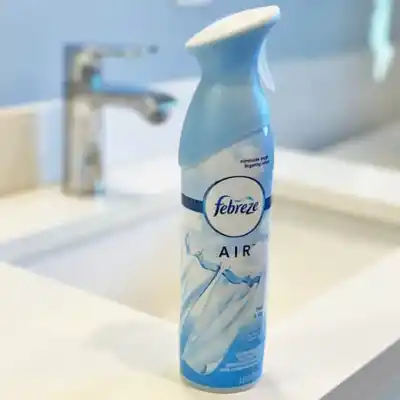
Products such as Febreze Fabric Refresher use cyclodextrin-based chemistry to trap and neutralize odor molecules rather than mask them. These water-based sprays contain less than 5% active ingredients and are safe for down fill when used as directed.
- Test the product on a small, inconspicuous area of the jacket (inner seam or pocket lining) and wait 5 minutes for any adverse reaction.
- If no discoloration or fabric damage occurs, spray the interior of the jacket from 6–8 inches away with light, even coverage.
- Allow the jacket to air-dry for 30 minutes to 1 hour in a ventilated area.
- Shake the jacket gently to redistribute the down fill after drying.
Method 5: Lemon Juice Citrus Spray (1–3 Hours)
Fresh lemon juice contains 5–6% citric acid by weight, giving it a natural pH of approximately 2.0–2.5. This acidity level inhibits the growth of odor-causing bacteria and the citric acid molecules bond with volatile odor compounds to neutralize them.
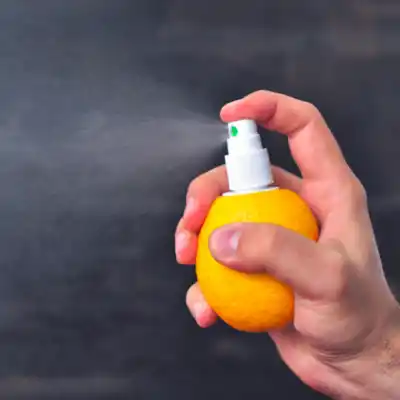
- Mix the juice of 2–3 fresh lemons with 8 ounces of cool water in a spray bottle.
- Lightly mist the interior of the jacket, focusing on areas with the most odor (armpits, collar, wrist cuffs).
- Allow the jacket to air-dry for 1–3 hours in a well-ventilated area or outdoors.
- Once dry, shake the jacket to redistribute the down and fluff the garment by hand.
Method 6: Steam Treatment (15–30 Minutes)
Steam generated at 212°F (100°C) or higher penetrates down fill to kill bacteria and neutralize odor molecules through combined heat and moisture exposure. A standard garment steamer produces steam at approximately 200–212°F (93–100°C) at the nozzle, which is sufficient for this purpose.
- Hang the jacket on a sturdy hanger with the interior facing outward.
- Hold the steamer nozzle 2–3 inches from the fabric surface and move it slowly across the entire interior.
- Target steam application for 2–3 minutes per jacket section, keeping the nozzle moving to prevent fabric damage.
- Allow the jacket to air-dry completely for 15–30 minutes before wearing or storing, as residual moisture in down fill can cause mold growth.
Why Does a Down Jacket Develop Odors?
Down jackets trap odors primarily from three sources:
- Body oils and sweat: Perspiration contains fatty acids and urea that penetrate the jacket’s shell fabric and coat the down clusters. These organic compounds break down over time, producing odors.
- Bacterial growth: Bacteria naturally present on skin thrive in the warm, moist environment inside a worn jacket. As these microorganisms metabolize sweat and body oils, they produce waste compounds with distinctly unpleasant odors. Studies indicate that a single worn jacket can harbor between 10,000 and 100,000 bacteria per square centimeter in high-contact areas.
- Environmental exposure: Smoke, cooking odors, and pollution can be absorbed by the down fill and shell fabric, creating persistent baseline odors even when the jacket is otherwise clean.
Washing a down jacket is not always the best solution. Machine washing can strip the natural oils from down clusters, causing them to become brittle and lose their loft (the ability to trap air and retain warmth). The cleaning chemistry behind these non-wash methods targets odor molecules and bacteria directly, preserving the jacket’s insulating properties.
Comparison Table: Down Jacket Deodorizing Methods
| Method | Active Agent | Treatment Time | pH / Temperature | Best For |
|---|---|---|---|---|
| Baking Soda | Sodium bicarbonate (alkaline) | 4–24 hours | pH 8.3 (mildly alkaline) | Mild odors, chemical-sensitive fabrics |
| White Vinegar | Acetic acid (5%) | 30 min–2 hours | pH 2.4–2.6 | Strong body odor, bacteria elimination |
| UV-C / Sunlight | 254 nm UV radiation | 2–4 hours | Peak UV at 10 a.m.–4 p.m. | Antibacterial treatment, refresh between wears |
| Febreze | Cyclodextrin | 30 min–1 hour | pH 6.0–7.0 (neutral) | Quick refresh, general mild odors |
| Lemon Juice | Citric acid (5–6%) | 1–3 hours | pH 2.0–2.5 | Fresh scent preference, natural products |
| Steam | Hot steam | 15–30 minutes | 200–212°F (93–100°C) | Deep sanitization, wrinkle removal |
Long-Term Down Jacket Care: Preventing Odors
Preventing odors is easier than treating them. These habits extend the life of your down jacket and reduce the frequency of any deodorizing treatment:
- Air after each wear: Hang your jacket in a well-ventilated area for 30–60 minutes after wearing it. This allows residual moisture from your body to evaporate, reducing the environment that bacteria need to thrive.
- Store properly: Keep your down jacket uncompressed in a breathable storage bag. Do not crush it in a vacuum-sealed bag for extended periods, as this permanently damages the down clusters’ loft. Add a lavender sachet to the storage area to naturally inhibit bacterial growth.
- Wash only when necessary: The International Down and Feather Laboratory (IDFL) recommends washing down jackets no more than 2–3 times per year. Excessive washing accelerates down degradation.
- Use a liner: Wearing a base layer (like a thin merino wool shirt) under your down jacket creates a barrier that absorbs sweat and body oils before they reach the down fill, significantly reducing odor buildup.
Frequently Asked Questions
Can you air-dry a down jacket?
Yes. Hang your jacket in a well-ventilated room or outdoors in the shade to air-dry. Do not place a wet down jacket in a tumble dryer unless the care label specifically permits it, as excessive heat can damage the down clusters and the shell fabric’s DWR coating.
How do you remove the musty smell from a down jacket?
Musty odors indicate bacterial or mold growth within the down fill. Treat with white vinegar spray (25% dilution) or steam treatment at 200°F (93°C) for 2–3 minutes. Both methods kill the bacteria causing the musty smell. After treatment, ensure the jacket dries completely — any residual moisture promotes mold regeneration.
Does putting a down jacket in the freezer eliminate odors?
Freezing at 0°F (-18°C) or below temporarily reduces bacterial activity but does not kill all odor-causing microorganisms. Freezing works best as a supplemental step after other treatments. For a complete solution, combine freezing with baking soda adsorption or vinegar neutralization.
How often should you wash a down jacket?
Wash your down jacket at most 2–3 times per year, or when odors become noticeable and non-wash methods no longer work. Between washes, use the deodorizing methods described above to maintain freshness. Over-washing breaks down the natural oils in down clusters and causes the fill to lose loft and warmth-retention capacity.
Can I use front-load washing detergent to wash a down jacket?
No. Use a specifically formulated down-wash detergent (such as Nikwax Down Wash or Grangers Down Care). Standard laundry detergents, including those designed for front-load machines, contain surfactants and enzymes that can strip oils from down clusters. These products leave residue in the down fill that accelerates bacterial growth and reduces loft.
Do down jackets lose warmth over time?
Properly maintained down jackets retain their warmth for 10–15 years or longer. Down fill loses loft and warmth primarily through compression (prolonged storage in cramped spaces) and excessive washing that strips natural oils. Occasional non-wash deodorizing has no measurable effect on thermal performance.
What neutralizes perfume smell in fabric?
Perfume odors are composed of volatile organic compounds (VOCs) that acids can neutralize. A solution of equal parts white vinegar and water applied as a light mist bonds with perfume compounds and neutralizes the scent within 10–15 minutes of air exposure. For a full guide, see our article on removing perfume smell from clothes without washing.
Can the freezer method for denim work for down jackets?
Yes, the freezer method — placing the garment in a sealed plastic bag and leaving it in a freezer at 0°F (-18°C) for 24–48 hours — temporarily reduces bacterial load in a down jacket. However, the freezer alone does not eliminate all odor-causing bacteria or address odor molecules trapped within the down clusters. For best results, follow freezer treatment with baking soda adsorption for 4–24 hours. For more details, see our guide on eliminating denim odors.
References
- International Down and Feather Laboratory (IDFL). (2024). Down Jacket Care and Cleaning Guidelines. https://www.idfl.org
- Environmental Protection Agency (EPA). (2023). UV-C Germicidal Irradiation: Wavelengths and Effectiveness. https://www.epa.gov
- Centers for Disease Control and Prevention (CDC). (2022). Keeping Hands and Surfaces Clean: Bacteria and Odor Prevention. https://www.cdc.gov
- National Sanitation Foundation (NSF). (2023). Household Cleaning Products: pH Values and Material Compatibility. https://www.nsf.org


