
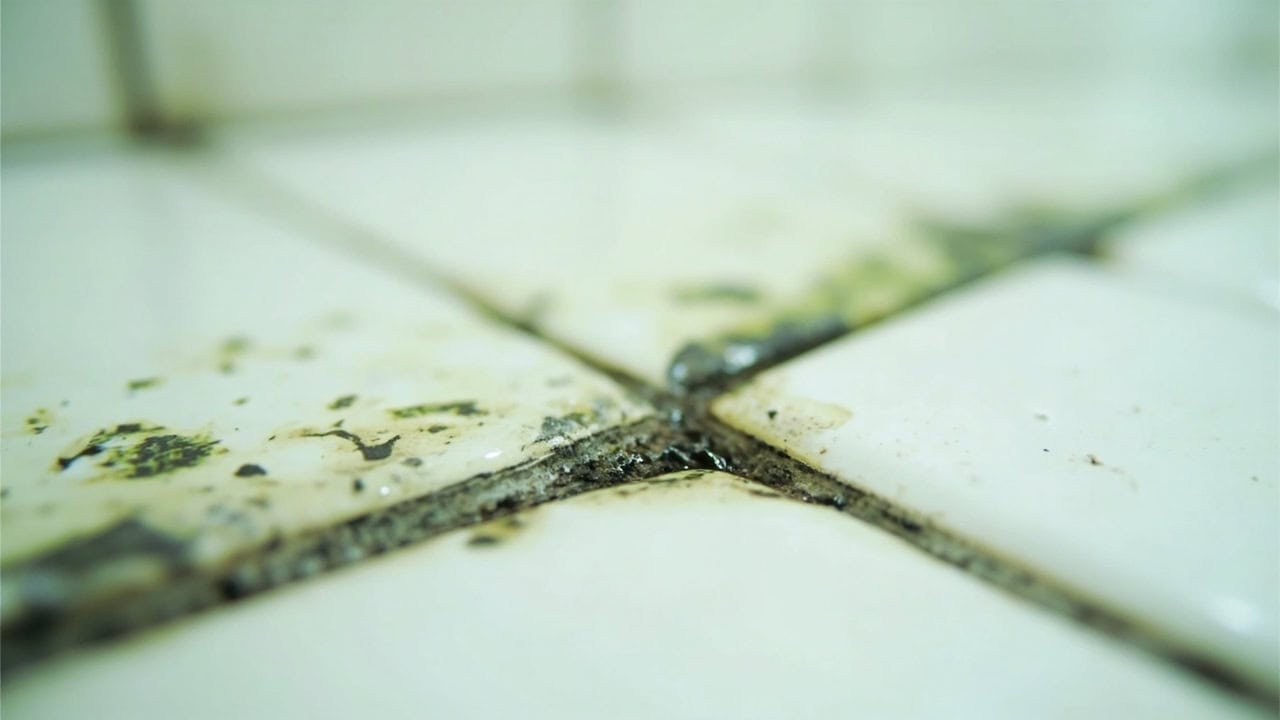
How to Remove Mold from Grout: Complete Guide

Mold is removed from grout by applying a paste of baking soda and water, letting it dwell for 10–15 minutes, then scrubbing with a stiff-bristled brush and rinsing with hot water — for persistent mold, a 50/50 solution of white vinegar and hydrogen peroxide provides oxidizing action that kills mold spores deep within the porous grout surface. The key to preventing regrowth is reducing moisture exposure and maintaining proper ventilation in bathrooms and kitchens where grout mold commonly develops.
What Removes Mold from Grout (The Primary Solution)
Mold on grout responds best to oxidizing agents that destroy the organic matter at a cellular level rather than simply bleaching the visible stain. The cleaning agent you choose depends on the severity of the contamination and whether you are performing routine maintenance or addressing a persistent problem.
Baking soda paste (preferred for regular maintenance): Mix 3 parts baking soda to 1 part water to form a thick paste — the mild alkalinity disrupts mold cell membranes while the abrasive texture provides mechanical scrubbing action. This method is ideal for light to moderate mold buildup and is safe for all grout types including colored and epoxy grout.
White vinegar solution (best for routine cleaning): Full-strength white vinegar applied directly to moldy grout — the 5% acetic acid dissolves the extracellular polymeric substance (EPS) matrix that holds mold colonies together. The pH of white vinegar falls between 2.4 and 2.6, which is sufficiently acidic to break down the protective biofilm while remaining safe for ceramic tile surfaces when rinsed properly.
Hydrogen peroxide 3% solution (for persistent mold): A 50/50 mixture of 3% hydrogen peroxide and water — the oxidizing reaction denatures mold proteins and kills spores deep in grout pores. Hydrogen peroxide at this concentration has a pH of approximately 4.5, making it slightly acidic yet far gentler than bleach on cement-based grout. It is particularly recommended for colored grout because it brightens without degrading the grout pigment or the sealer.
Commercial grout mold removers: Products containing sodium hypochlorite (bleach) or quaternary ammonium compounds provide rapid surface kill but require proper ventilation and may lighten colored grout over time with repeated use. Bleach-based products are most effective when paired with mechanical scrubbing and should never be mixed with ammonia-based cleaners due to the risk of toxic chloramine gas release.
| Solution | Effectiveness | Grout Safety | Best For |
|---|---|---|---|
| Baking soda paste | High | Excellent | Regular maintenance, light mold |
| White vinegar | High | Good | Routine cleaning, preventive use |
| Hydrogen peroxide 3% | Very High | Excellent | Stubborn mold, colored grout |
| Bleach-based cleaners | Very High | Moderate | Severe mold, ventilation required |
Why Mold Bonds to Grout (The Mechanism)
Understanding why mold colonizes grout so aggressively requires examining the unique physical and chemical properties of cement-based grout materials. Grout is not simply an inert surface — it is a reactive, porous substrate that actively supports microbial life under the right conditions.
Grout is highly porous, with void space ranging from 10–30% of its total volume. This porosity allows water and organic matter to penetrate deep below the surface — often 3–5mm or more — where surface cleaning cannot reach. Mold spores that lodge in these void spaces are protected from mechanical scrubbing and from many liquid cleaning agents, creating persistent contamination that reappears quickly after treatment.
The calcium silicate hydrate (CSH) matrix that forms the structural backbone of Portland cement grout provides mineral nutrients that certain mold species can metabolize. While grout is not a food source in the traditional sense, some mold species — particularly those in the Aspergillus and Penicillium genera — can extract trace minerals from the CSH matrix, facilitating deeper colonization than would occur on an entirely inert surface.
Mold attaches to grout via hyphal penetration into surface pores, where the growing filaments physically anchor the colony below the grout surface. Simultaneously, mold secretes organic acids — primarily glucuronic acid and fulvic acid — that etch the grout surface, creating deeper anchor points in a self-reinforcing cycle of colonization. These organic acids lower the surface pH of grout locally, which can accelerate degradation of the cement binder over time.
The extracellular polymeric substance (EPS) biofilm is the most critical factor in mold persistence on grout. This protective slime layer — composed of polysaccharides, proteins, and extracellular DNA — acts as a shield that makes mold colonies 50–500 times more resistant to cleaning agents than free-floating spores. EPS matrix resistance is why mechanical agitation (scrubbing) is essential in any effective grout mold removal protocol; chemical treatment alone cannot penetrate this biofilm reliably.
In bathrooms and kitchens, the combination of warm temperature (20–30°C), high relative humidity (above 60% RH), and limited light creates optimal conditions for year-round mold growth. These conditions are especially prevalent in the grout lines of shower enclosures, where warm water creates steam, surfaces remain wet for extended periods, and residual body products provide additional organic material for mold to feed upon.
What NOT to Use on Grout
Certain products and methods cause irreversible damage to grout and should be avoided entirely. Using the wrong approach can transform a cleaning problem into a structural repair project.
- Bleach in undiluted form: Concentrated sodium hypochlorite solutions above 10% degrade the Portland cement binder through an alkaline hydrolysis reaction, causing pitting, crumbling, and accelerated erosion of grout lines. Even household bleach (typically 5–6% sodium hypochlorite) should be diluted to approximately 1 part bleach per 10 parts water for safe grout application.
- Steel wool or wire brushes: Metal bristles permanently scratch and score ceramic tile glazing while depositing iron particles that oxidize (rust) within the grout lines, creating permanent brown staining that is far more difficult to remove than the original mold.
- Ammonia-based cleaners: Ammonia etches polished grout surfaces and compromises the integrity of the cement binder. More critically, mixing ammonia with bleach — whether intentionally or accidentally — releases toxic chloramine gas (NH₂Cl), which can cause severe respiratory distress with exposure periods as brief as 5 minutes in a poorly ventilated bathroom.
- Acidic cleaners on unsealed grout: Phosphoric acid, muriatic acid, and commercial lime-scale removers dissolve the calcium hydroxide component of Portland cement grout, widening hairline cracks and progressively softening the grout surface. These products should never be used on unsealed grout without professional assessment.
- Steam cleaning on moldy grout: Heat above 70°C can fix proteinaceous stains (from body oils and skin cells) into the grout matrix through denaturation, making them permanent. Steam also pushes spores deeper into grout pores rather than killing them, as the thermal penetration depth is insufficient to reach the grout core temperature needed for spore destruction.
How to Remove Mold from Grout: Step-by-Step Process
Follow this systematic process for complete mold removal from grout surfaces. Each step is essential — skipping steps or reducing dwell times will result in incomplete removal and rapid regrowth.
- Prepare the area and safety equipment: Open windows and turn on bathroom exhaust fans to ensure cross-ventilation. Wear rubber gloves rated for chemical exposure (at minimum, household cleaning gloves) and eye protection when handling cleaning solutions. Remove any bath mats, toiletries, or items stored near the moldy area to ensure unobstructed access to all grout lines.
- Dry-brush loose mold and debris: Use a dry stiff-bristled nylon brush (never wire) to scrub the grout lines and remove loose surface mold, dead spores, and debris before applying any wet cleaning solution. This prevents wet debris from being pushed deeper into grout pores where it can fuel future growth. Work in sections, starting from the top of the shower walls and moving downward.
- Apply baking soda paste to grout lines: Mix baking soda and water to a thick paste consistency at approximately a 3:1 ratio by volume. Apply directly onto the grout lines using an old toothbrush or dedicated grout brush, ensuring complete coverage of all mold-affected areas. Allow the paste to dwell for 10–15 minutes without rinsing — this dwell time is critical for the alkaline pH shift to disrupt mold cell membranes at the surface.
- Apply secondary treatment for stubborn mold: For black or persistent mold that has penetrated deep into grout pores, apply white vinegar (5% acetic acid, pH 2.4–2.6) directly over the baking soda paste. The acid-base reaction produces CO₂ effervescence that physically lifts debris and dissolved organic matter from grout pores — this fizzing action reaches areas that scrubbing cannot. Alternatively, spray a 50/50 hydrogen peroxide-water solution (approximately 1.5% final concentration) onto stubborn areas and allow 10 additional minutes of dwell time for the oxidizing reaction to denature deep-seated mold proteins.
- Scrub thoroughly with stiff-bristled brush: Using firm pressure and circular motions, scrub the entire grout line with a nylon stiff-bristled brush (grout brush or old toothbrush). Pay special attention to corners, edges, and the transition zone where grout meets caulk — these are the areas most prone to mold regrowth. For floor grout in showers, work in sections no larger than 0.25 m² at a time to ensure consistent pressure and coverage throughout the process.
- Rinse completely with hot water: Use a spray bottle or clean damp cloth with hot water — ideally at 60–70°C but cool enough to touch safely — to rinse all cleaning residue from the grout lines. Residue left behind becomes a food source for future mold colonization. Wipe tiles dry with a clean microfiber cloth to remove excess moisture before the drying phase.
- Dry the area completely: Mold cannot grow on dry surfaces. Use a clean dry towel to absorb remaining moisture from grout lines, then allow natural air drying with fans running for a minimum of 2 hours. For bathroom floors or shower pans, consider positioning a dehumidifier in the room to actively reduce ambient humidity below 50% RH during the drying phase. Complete drying is the single most important factor in preventing immediate regrowth.
How to Prevent Future Mold Growth on Grout
Prevention requires addressing the three conditions that enable mold growth: moisture, organic food source, and warmth. Eliminating even one of these three factors disrupts the mold growth cycle and prevents recurrence.
Seal grout annually: Apply a penetrating grout sealer every 12 months to reduce the porosity of the grout surface and prevent water and mold spores from penetrating below the surface. Most penetrating sealers last 12–24 months depending on foot traffic and moisture exposure. Reapplication frequency should be increased in shower enclosures — every 6–12 months is recommended for shower grout due to the constant moisture exposure.
Control bathroom humidity: Use exhaust fans during and after showers for a minimum of 20 minutes post-use. Install a timer switch on bathroom fans to ensure adequate ventilation continues automatically after room use, regardless of whether occupants remember to turn them on manually. The target relative humidity for a bathroom should remain below 60% RH — above this threshold, mold growth becomes exponentially more likely even on sealed grout surfaces.
Squeegee shower walls after use: Removing standing water from tile surfaces reduces the moisture available for mold growth. Studies on moisture management in residential bathrooms have demonstrated that squeegeeing shower walls after each use reduces the drying time of tile surfaces by up to 75%, significantly reducing the window of opportunity for mold spore germination and hyphal penetration into grout pores.
Clean grout weekly with vinegar spray: Routine application of white vinegar spray (5% acetic acid, pH 2.4–2.6) followed by wiping prevents the organic buildup that feeds mold. A weekly baking soda scrub using a paste applied with a toothbrush provides deeper maintenance by physically disrupting the EPS biofilm before it becomes established. This combination maintains grout cleanliness through mostly mechanical and pH-based prevention rather than relying on antimicrobial chemicals.
Check and replace deteriorating caulk: Mold frequently regrows from caulk-grout joints where water pools and organic matter accumulates. Silicone caulk in shower enclosures should be inspected every 6 months and replaced every 2–3 years or earlier if blackening, crumbling, or separation from the tile surface is observed. Replace standard silicone caulk with mold-resistant biocide-infused silicone caulk specifically formulated for wet environments to extend the replacement interval.
Common Mistakes When Removing Mold from Grout
These errors lead to incomplete removal, irreversible surface damage, or rapid recontamination. Understanding them helps you avoid the most common pitfalls in grout mold remediation.
- Rinsing cleaning solutions too quickly: Not allowing adequate dwell time for chemical action is the most common reason for treatment failure. Most baking soda paste applications require a full 10–15 minutes of dwell time to disrupt mold cell membranes at the surface. Rinsing after 2–3 minutes — when the surface looks clean — leaves behind deep-seated spores that germinate within days.
- Using bleach alone without scrubbing: Bleach bleaches the visible black pigment in mold colonies, creating an appearance of cleanliness that is deceptive. Bleach does not kill all mold spores — particularly those buried deep in grout pores — and does not remove the organic debris that sustains future growth. The EPA explicitly notes that bleach is not a sufficient standalone treatment for mold on porous surfaces.
- Sealing grout before it is completely dry: Applying grout sealer to damp grout traps residual moisture and mold spores beneath a waterproof barrier, creating an ideal environment for concealed mold growth. Grout must be bone-dry — typically requiring 24–48 hours of air drying in a ventilated environment — before sealer application. Using a moisture meter to confirm grout moisture content below 5% before sealing is the only way to guarantee safe conditions for sealing.
- Ignoring the source of excess moisture: Mold regrowth within weeks of cleaning indicates an unresolved moisture problem. Common hidden sources include leaking pipe fittings behind wall tiles, condensation from cold water supply pipes in exterior walls, and insufficient exhaust fan capacity for the bathroom size. A mold problem that recurs despite consistent cleaning is a moisture problem first and a cleaning problem second.
- Using scented products that mask but do not eliminate mold odor: Mold odor is produced by microbial volatile organic compounds (MVOCs) released during active mold metabolism. Air fresheners and scented candles mask the smell without addressing the underlying colonization. Persistent mold odor after cleaning indicates incomplete removal or colonization beyond the visible surface, requiring a more aggressive treatment or professional assessment.
Frequently Asked Questions
Q: Does hydrogen peroxide damage grout?
A: No, 3% hydrogen peroxide is safe for all types of grout including colored and epoxy grout — it provides oxidizing cleaning action without the harsh effects of bleach. For sealed grout, hydrogen peroxide is particularly recommended as it brightens without degrading the sealer.
Q: How long does it take to remove mold from grout?
A: The active cleaning process takes 25–35 minutes total including dwell time (15–20 minutes) and scrubbing/rinsing (10–15 minutes). For severely contaminated grout, repeating the process 2–3 times over consecutive days may be necessary to achieve complete mold removal from deep within grout pores.
Q: Can I prevent mold on grout without chemicals?
A: Yes, prevention is primarily mechanical — keeping surfaces dry with squeegees and fans, reducing room humidity below 60% RH, and scrubbing with baking soda paste weekly provides physical mold prevention without relying on antimicrobial chemicals.
Q: Should I hire a professional for moldy grout?
A: Professional restoration is recommended when mold has penetrated deeper than 3–5mm into grout, when mold covers more than 10% of total grout area in a bathroom, when there is underlying water damage, or when occupants have respiratory mold allergies requiring guaranteed remediation.
References
- Environmental Protection Agency. (n.d.). Mold Cleanup in Your Home. EPA.
- Centers for Disease Control and Prevention. (n.d.). Mold — General Information. CDC.
- Institute of Inspection, Cleaning and Restoration Certification. (n.d.). IICRC Standards and Reference Guides. IICRC.


