
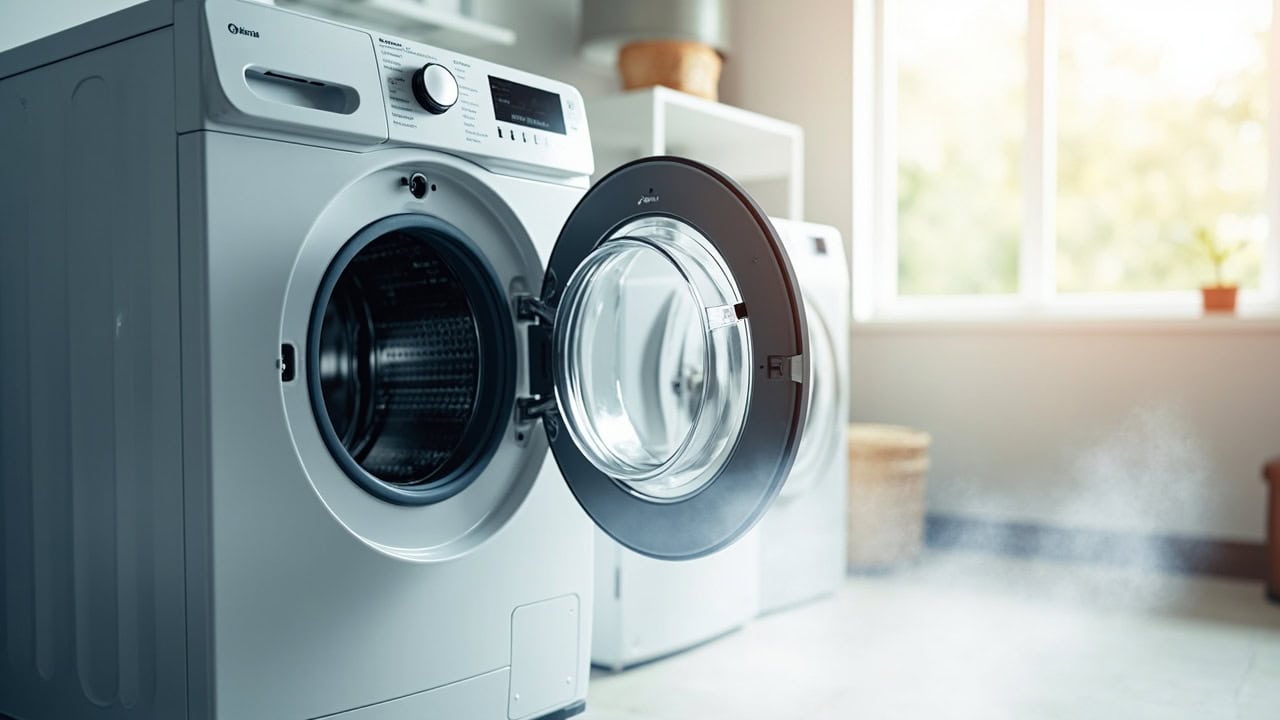
Why Does My Washing Machine Smell Like Sewage?

A washing machine smells like sewage when anaerobic bacteria colonize biofilm inside the drum, drain hose, or detergent drawer and produce hydrogen sulfide gas — the same sulfur compound responsible for the rotten-egg odor in sewer systems. The most common source is a clogged or improperly installed drain hose that allows sewer gases to backflow into the machine, followed by mold and biofilm colonies growing on the rubber door gasket and internal plumbing. Eliminating the smell requires removing the biofilm with high-temperature wash cycles and vinegar-based cleaning, clearing any drain blockages, and adopting a routine that keeps the machine dry between uses.
What Causes a Sewage Smell in Your Washing Machine
A sewage odor from your washing machine almost always traces back to one of three sources: biofilm buildup inside the drum and internal hoses, a clogged or incorrectly routed drain hose, or accumulated organic residue in the detergent drawer and door gasket. Each of these environments provides the moisture, warmth, and nutrients that anaerobic bacteria need to thrive and release hydrogen sulfide gas.
Biofilm is a slimy, often invisible layer of bacteria and their protective extracellular matrix that coats the interior surfaces of your washing machine. Once established, biofilm shields the bacteria inside it from the dilute detergents and cold-water washes that most people use daily. Studies published in Frontiers in Microbiology have identified over 50 bacterial species in household washing machines, including Pseudomonas, Acinetobacter, and sulfate-reducing bacteria that produce hydrogen sulfide as a metabolic byproduct.
The drain hose is another frequent culprit. If the hose is pushed too far into the standpipe, it can bypass the P-trap — the U-shaped bend in plumbing that holds water and blocks sewer gases from entering your home. Without that water seal, sewer odors travel directly from the building’s drain line back into the washing machine drum. A partially clogged drain hose can also trap stagnant water and organic debris, creating an ideal breeding ground inside the hose itself.
The detergent drawer and rubber door gasket on front-loading machines trap moisture and residual detergent in areas that rarely dry fully. Low-water-use wash cycles, while efficient, do not always flush these compartments clean. Over time, the combination of surfactant residue, fabric softener, lint, and body soils creates a nutrient-rich layer where bacteria multiply rapidly. For a comprehensive guide to maintaining your entire laundry room, see the Laundry & Fabric Care Hub.
The Science Behind Washing Machine Odors
Understanding why your washing machine produces a sewage smell requires looking at the microbiology of your appliance. Anaerobic bacteria — organisms that thrive in oxygen-depleted environments — are the primary odor producers. When a washing machine sits closed between cycles, residual water and organic matter consume the limited oxygen in the drum and hoses, creating anaerobic conditions within hours.
Under these conditions, sulfate-reducing bacteria (SRB) metabolize sulfur-containing compounds found in laundry soils, protein residues, and some detergent ingredients. The end product of their metabolism is hydrogen sulfide (H₂S), a gas with a characteristic rotten-egg odor detectable by the human nose at concentrations as low as 0.5 parts per billion. At higher concentrations, H₂S produces the unmistakable sewage smell that prompts most people to investigate their machine.
Biofilm is the structural reason these odors persist. Unlike free-floating bacteria, biofilm-dwelling organisms secrete a sticky extracellular polymeric substance (EPS) that anchors them to surfaces and makes them up to 1,000 times more resistant to antimicrobial agents. Standard cold-water wash cycles (15–30°C / 59–86°F) do not generate enough thermal energy to disrupt biofilm, and the low concentration of active ingredients in typical laundry detergent is insufficient to penetrate the EPS matrix. This is why a machine can smell clean immediately after a wash but develop a sewage odor again within days.
Front-loading washing machines are particularly susceptible because their design uses less water per cycle and relies on a watertight rubber gasket to seal the door. The gasket’s folds and grooves trap a thin film of water mixed with lint, hair, and detergent residue — an ideal microenvironment for bacterial colonization. Research from the University of Bonn published in Applied and Environmental Microbiology found that rubber seals on front-loaders harbor significantly higher bacterial counts than the drums of top-loading machines, with microbial loads reaching 10⁶ colony-forming units per square centimeter in machines cleaned less than once per month. For a deep cleaning procedure targeting this specific appliance type, see our guide on how to clean a front-loading washing machine.
Diagnosis Checklist — Identifying the Source of the Smell
Before you start cleaning, narrow down where the odor originates. Different smell sources require different remedies, and treating the wrong component wastes time without solving the problem.
- Run an empty hot wash (60°C / 140°F or higher). If the smell disappears during the wash but returns within a day or two, the source is biofilm in the drum or internal hoses. If the smell persists even during the cycle, the drain hose or plumbing connection is likely the cause.
- Smell the machine during the drain cycle. An odor that intensifies when the pump is running indicates a drain hose blockage or a missing P-trap water seal. This is one of the most common diagnostic indicators.
- Inspect the rubber door gasket. Pull back the folds of the gasket and look for black or dark brown slime, trapped lint, hair, or standing water. If you find any of these, the gasket is a contributing source.
- Remove and examine the detergent drawer. Look for pink, black, or white residue on the walls of the drawer cavity and on the drawer itself. Slimy buildup in the softener compartment is especially common because fabric softener is a concentrated organic liquid that bacteria readily consume.
- Sniff near the drain hose connection point. Place your nose near where the drain hose enters the wall standpipe. If the sewage smell is strongest here, the problem is in the plumbing connection rather than the machine interior.
- Check for standing water in the drum after a cycle. Any water remaining after the spin cycle indicates a partial drain blockage that will continue to feed bacteria between washes.
Step-by-Step Fix: Eliminating the Sewage Smell
Once you have identified the odor source, follow this systematic cleaning procedure. Each step targets a specific component, and completing all seven steps in order ensures the smell does not return from an untreated area. The entire process takes roughly 90 minutes, most of which is passive wash-cycle time.
- Empty the machine and remove standing water. Take out all laundry and any visible standing water using a wet/dry vacuum or absorbent towels. This gives you clear access to the drum, gasket, and detergent drawer for cleaning.
- Clean the detergent drawer. Remove the drawer completely — most models release with a center button or by pressing down on a latch. Scrub all surfaces with hot soapy water and an old toothbrush, paying special attention to the fabric softener compartment where residue accumulates fastest. Rinse thoroughly and dry before reinserting.
- Clean the door gasket. Pull back each fold of the rubber gasket and remove all debris — lint, hair, coins, and pet hair are common. Scrub the interior surfaces with a solution of one part white vinegar to one part warm water. For stubborn black slime, apply undiluted vinegar and let it sit for 10 minutes of dwell time before scrubbing. Wipe completely dry with a clean cloth.
- Run a high-temperature empty wash with vinegar. Set the machine to its hottest cycle — 60°C (140°F) minimum, or 90°C (194°F) if your machine has a sanitize cycle. Pour 2 cups (approximately 500 mL) of distilled white vinegar directly into the drum. Vinegar’s 5% acetic acid content lowers the pH to approximately 2.5, which is acidic enough to dissolve mineral scale and disrupt the biofilm matrix. Do not add detergent.
- Check and clear the drain hose. Pull the washing machine away from the wall and disconnect the drain hose from the standpipe. Inspect the hose for kinks, cracks, or internal blockages. Run a long flexible brush or a plumber’s snake through the hose to dislodge any accumulated debris. Verify that the hose inserts into the standpipe no more than 4 to 6 inches (10–15 cm) — pushing it deeper can bypass the P-trap and allow sewer gases to enter the machine.
- Clean the drum interior. After the hot vinegar cycle completes, wipe down all visible surfaces inside the drum with a cloth dampened with diluted vinegar solution. Pay attention to the small holes in the drum wall, the area behind the door glass, and any crevices where residue can accumulate.
- Leave the door and detergent drawer open. After every wash cycle going forward, leave the washing machine door and the detergent drawer slightly ajar. This allows air to circulate and evaporate residual moisture, removing the damp environment that bacteria require to survive.
Preventing Future Sewage Smell in Your Washing Machine
Preventing a sewage smell is far easier than eliminating one that has taken hold. The key principle is simple: deny bacteria the moisture, warmth, and organic nutrients they need to establish biofilm colonies. A consistent maintenance routine takes only a few minutes per week and extends the life of your appliance.
- Leave the door open between uses. Air circulation is the single most effective preventive measure. A front-loader door left open reduces internal humidity from near 100% to ambient room levels within a few hours, making the environment hostile to anaerobic bacteria.
- Use the correct detergent amount. Excess detergent does not rinse away completely — the surplus coats internal surfaces and feeds bacterial growth. Most manufacturers recommend 1–2 tablespoons of HE detergent per load. Using more than this creates the very residue that causes odors. Run a monthly hot wash with vinegar or a washing machine cleaner. One empty cycle at 60°C (140°F) or higher with 2 cups of white vinegar or a commercial washing machine cleaner tablet disrupts biofilm before it becomes established. Mark it on your calendar to ensure consistency.
- Wipe the door gasket weekly. After every few loads, run a dry cloth along the folds of the rubber gasket to remove trapped moisture, lint, and debris. This 30-second habit prevents the buildup that bacteria feed on.
- Leave the detergent drawer slightly open after each use. The drawer cavity is a dead-end space that traps moisture. Leaving the drawer open an inch allows air to circulate and dry the compartment between loads.
- Periodically check and clean the drain hose filter. Many washing machines have a small accessible filter near the bottom of the machine where the drain hose connects. Clean this filter every 2–3 months to prevent slow drainage that leads to standing water.
If you have noticed a related musty odor transferring to your clothes rather than the machine itself, the problem may be in how your laundry is drying or the detergent you are using. Read our guide on why clothes smell after washing for targeted solutions to that specific issue.
When to Call a Plumber
Not every washing machine odor is a DIY fix. If you have completed all seven cleaning steps and the sewage smell persists within 24 hours, the problem likely lies in your home’s plumbing rather than the appliance itself. A licensed plumber can diagnose issues that are invisible from the machine side.
Call a professional if you notice any of the following signs:
- The smell persists after a complete machine cleaning. If the interior of the machine is spotless but the sewage odor returns immediately, sewer gas is entering through the drain line — a plumbing problem that requires professional tools and expertise to fix.
- Water backs up into the tub or other drains. If water rises in the washing machine drum during the drain cycle, or if you see slow drainage in nearby sinks or floor drains, your main drain line may be partially blocked. This can cause sewage to flow backward into the machine.
- Visible dark water or sewage appears near the machine. Any sign of raw sewage around the washing machine area indicates a serious drain blockage or pipe damage that poses health risks and requires immediate professional attention.
- The drain hose is damaged or improperly installed. Cracked, kinked, or incorrectly routed drain hoses need replacement or reinstallation. A plumber can also verify that your standpipe has a proper P-trap and adequate venting.
- Multiple drains in your home emit odors. If you smell sewage from sinks, showers, or floor drains in addition to the washing machine, the issue is in the building’s main drain line or vent stack — far beyond the scope of appliance maintenance.
For additional cleaning chemistry principles that apply across your home — including pH-based cleaning, surfactant science, and the chemistry behind why vinegar and baking soda work — visit the Cleaning Chemistry Hub. The same principles that govern washing machine cleaning apply to kitchen appliances and bathroom surfaces as well, which is why we also recommend our Kitchen Cleaning Hub for cross-surface maintenance guidance.
Frequently Asked Questions
Q: Why does my washing machine smell like sewage only during the spin cycle?
A: A sewage smell that intensifies during the spin cycle typically originates from the drain hose or wall drain connection. When the machine pumps water out at high speed, it can agitate and release hydrogen sulfide gas trapped in a clogged or improperly vented drain line. This indicates a drain system issue rather than the machine interior.
Q: Can I use bleach to eliminate the sewage smell in my washing machine?
A: While bleach can kill surface bacteria, it is less effective on established biofilm colonies and can damage rubber components like the door gasket and drain hose over time. White vinegar (5% acetic acid, pH 2.5) or commercial washing machine cleaners are more effective for regular maintenance and safer for machine components.
Q: How often should I clean my washing machine to prevent sewage odors?
A: Run a hot empty wash with vinegar or washing machine cleaner at least once per month for regular maintenance. Additionally, wipe the door gasket after every few loads, leave the door open after each cycle, and clean the detergent drawer weekly to prevent organic buildup.
Q: Is a sewage smell from my washing machine dangerous to health?
A: Occasional exposure to trace hydrogen sulfide gas from a dirty washing machine is generally not harmful at low concentrations. The human nose detects H₂S at concentrations as low as 0.5 ppb, far below the OSHA occupational exposure limit of 10 ppm. However, persistent strong sewage odors may indicate drain backup issues that warrant professional inspection, and prolonged bacterial exposure inside the machine can contribute to allergen buildup on laundry.
References
- Rubleski, N., Gaspar, P., & Völker, U. (2019). Microbial Communities in Household Washing Machines. Frontiers in Microbiology, 10, 1375.
- Jack, R. L. (2017). Biofilm Development on Rubber Seals in Domestic Front-Loading Washing Machines. Applied and Environmental Microbiology, 83(12).
- U.S. Occupational Safety and Health Administration. (2024). Hydrogen Sulfide — Workplace Safety and Health Topics. OSHA.
- U.S. Environmental Protection Agency. (2024). Volatile Organic Compounds’ Impact on Indoor Air Quality. EPA.
- NSF International. (2023). Household Appliance Cleaning and Maintenance Guidelines. NSF International.


