
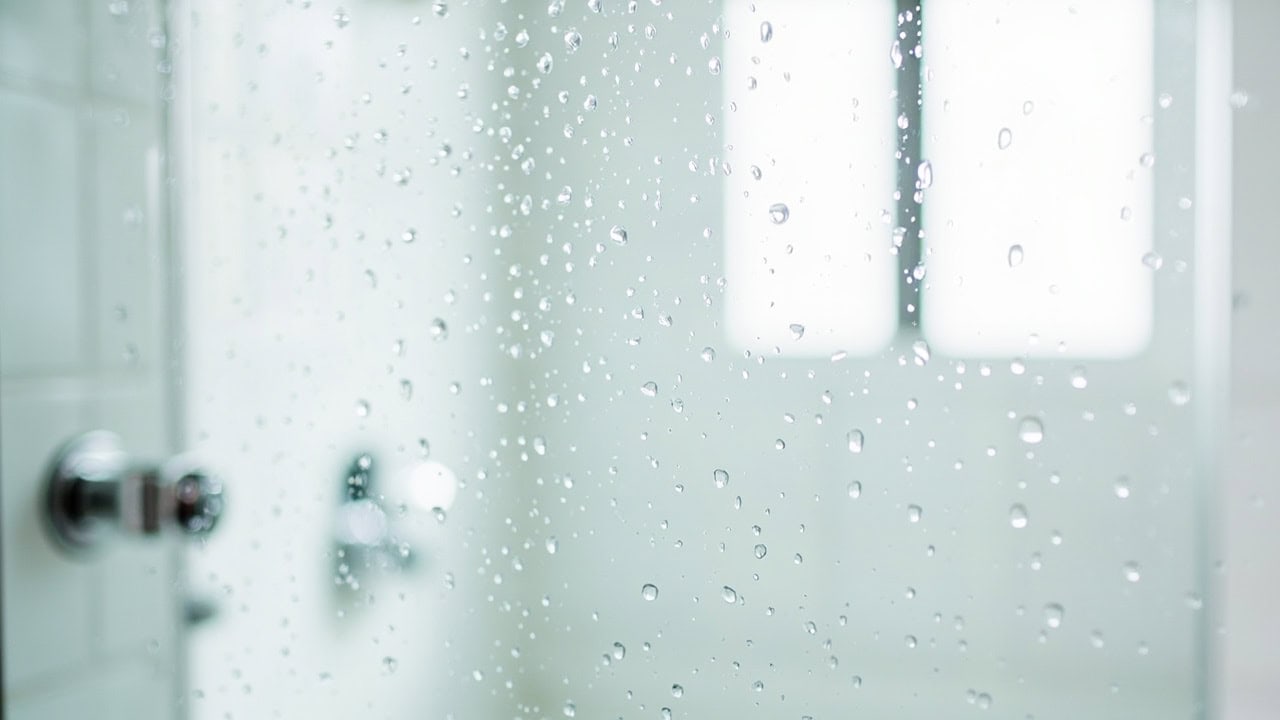
How to Clean Shower Doors: Remove Hard Water and Soap Scum

Shower doors must be cleaned with a 1:1 white vinegar and water solution to dissolve hard water deposits and soap scum, applied with a non-abrasive scrub brush and allowed to dwell for 5–10 minutes before rinsing. The 5% acetic acid in white distilled vinegar breaks down calcium and magnesium mineral deposits by converting insoluble carbonates into soluble acetates, which rinse away cleanly. Regular weekly cleaning prevents permanent etching and extends the life of door seals and hardware. The complete process takes approximately 15–20 minutes for a standard frameless or semi-frameless shower door.
What You Need Before You Start
Gathering the right supplies before you begin ensures the cleaning process flows without interruptions. The core of the method relies on white distilled vinegar — its 5% acetic acid content provides enough acidity to dissolve mineral deposits without requiring commercial chemical cleaners. For detailed definitions of cleaning terms used throughout this guide, visit the CleaningTuts Cleaning Glossary.
- White distilled vinegar (5% acetic acid concentration) — the primary cleaning agent for dissolving hard water deposits
- Warm water for dilution at a 1:1 ratio with vinegar
- Spray bottle (16–32 oz) for even application of the vinegar solution
- Non-abrasive scrub brush or soft-bristle cleaning brush for agitating loosened deposits
- Microfiber cloths (at least two — one for drying, one for buffing)
- Rubber gloves if working with commercial limescale removers as a secondary treatment
- Old toothbrush for detail work around door tracks, hinges, and corners where buildup concentrates
For households with extremely hard water — above 7 grains per gallon (120 mg/L as calcium carbonate, classified as “hard” by the U.S. Geological Survey) — consider keeping undiluted vinegar on hand for spot-treating stubborn mineral deposits. If you also need to address the surrounding surfaces, see our complete bathroom cleaning guide for tile, grout, and fixture care.
Step-by-Step Cleaning Process
This eight-step method removes both hard water deposits and soap scum from glass shower doors safely and effectively. Soap scum forms when the fatty acids in bar soap react with calcium ions in hard water, producing insoluble calcium salts that adhere to glass surfaces. The acetic acid in vinegar dissolves both the mineral deposits and the soap residue in a single treatment.
- Rinse the door with warm water. Use the showerhead or a handheld sprayer to wet the entire glass surface and remove loose debris. Warm water softens surface grime and prepares the glass for the cleaning solution.
- Apply the 1:1 vinegar-water solution generously. Spray all glass surfaces thoroughly, concentrating on areas with visible hard water spots, cloudy film, or soap scum buildup. Coat the surface evenly — the solution should be visibly wet, not just misted.
- Allow the solution to dwell for 5–10 minutes. Do not rinse during this dwell time. The acetic acid at approximately pH 2.5 needs sustained contact to dissolve calcium carbonate and calcium stearate deposits. For light buildup, 5 minutes suffices; for moderate deposits, allow the full 10 minutes.
- Scrub gently with a non-abrasive brush. Use circular motions across the glass surface, paying close attention to corners, edges, and the bottom perimeter where mineral buildup accumulates most densely. The brush agitates loosened deposits without scratching the glass.
- Spot-treat stubborn deposits with undiluted vinegar. For hard water stains that persist after scrubbing, apply full-strength white vinegar directly to the affected area and let it sit for an additional 3–5 minutes. The higher acid concentration at roughly pH 2.4 accelerates mineral dissolution.
- Rinse thoroughly with warm water. Flush all glass and metal surfaces completely to remove dissolved minerals, loosened soap scum, and residual vinegar. Any acid left on metal components can cause corrosion over time.
- Dry immediately with a clean microfiber cloth. Wipe the entire surface before water evaporates and leaves new mineral deposits. Use a dedicated drying cloth — not the same one used during scrubbing — to avoid redepositing residue.
- Buff to a streak-free shine. Use a second, dry microfiber cloth to polish the glass in small circular motions. This removes any remaining moisture film and restores clarity.
Shower Door-Specific Considerations
Not all shower doors respond the same way to vinegar-based cleaning. The door material, frame type, and any factory-applied coatings determine which cleaning agents are safe to use. Using the wrong cleaner can permanently damage protective coatings, corrode metal frames, or scratch plastic surfaces.
Frameless Glass Doors
Frameless tempered glass doors handle the standard 1:1 vinegar solution without issue. The tempered glass surface resists scratching from soft-bristle brushes and microfiber cloths. Avoid abrasive pads, scouring powders, or any cleaner containing grit — these can scratch the glass edges where the tempering process creates slight surface variations. For related glass cleaning techniques, see our guide on how to remove hard water stains from glass.
Semi-Frameless Doors with Aluminum Frames
Semi-frameless doors combine glass panels with aluminum framing around some or all edges. The vinegar solution works well on the glass, but you must rinse the aluminum frame tracks thoroughly after cleaning. Vinegar’s acidity can corrode exposed aluminum if trapped in the channel tracks where water pools. After cleaning, run clean water through the tracks and dry them with a cloth-wrapped toothbrush to remove trapped moisture.
Glass Doors with Protective Coatings
Many modern shower doors ship with factory-applied hydrophobic coatings (such as ClearShield or ShowerGuard) that cause water to bead and shed. Acidic cleaners — including vinegar — can strip these coatings over time. For coated doors, use only pH-neutral cleaners specifically labeled safe for coated glass. Check the door manufacturer’s care instructions before applying any cleaning solution. A cleaning chemistry guide can help you understand pH values and select the right product for your specific door type.
Plastic Acrylic Doors
Acrylic and polycarbonate shower doors scratch easily and react poorly to acidic cleaners. Never use vinegar, lemon juice, or any acid-based product on acrylic doors. Instead, clean with a solution of mild dish soap (a few drops per quart of warm water) applied with a soft cloth or sponge. Rinse with clear water and dry with a microfiber cloth. Abrasive scrub brushes, scouring pads, and products containing ammonia or solvents will craze and yellow acrylic surfaces permanently.
Drying and Finishing Shower Doors
Proper drying technique is the difference between a door that stays clear for a week and one that develops new water spots within hours. The goal is to remove all moisture before it evaporates and leaves behind dissolved minerals as fresh deposits.
- Use a dedicated dry microfiber cloth — never the same cloth used for scrubbing, which carries loosened mineral residue that will redeposit on the glass.
- Wipe in a single direction (top to bottom) or in small circular patterns. Avoid back-and-forth wiping, which can redistribute residue rather than removing it.
- Pay special attention to the bottom edge of the door where water pools during and after showers — this area accumulates the heaviest mineral deposits.
- Use a separate dry cloth for chrome hardware. Metal surfaces show water spots more prominently than glass and require their own clean cloth to prevent cross-contamination.
- Consider applying a glass sealant or rain-repellent product after cleaning. These products create a hydrophobic barrier that causes water to bead and roll off rather than sheeting and evaporating on the surface.
Common Mistakes When Cleaning Shower Doors
Certain cleaning habits cause more harm than good. Understanding these common errors prevents permanent damage to glass, metal, and protective coatings.
Using Paper Towels Instead of Microfiber
Paper towels leave lint on glass and their wood-pulp fibers can create micro-scratches with repeated use. Microfiber cloths trap particles within their split fibers rather than dragging them across the surface, producing a cleaner result without abrasion risk.
Leaving Vinegar on Too Long
While vinegar is a mild acid, leaving it on metal surfaces for more than 15 minutes risks corrosion — particularly on aluminum frames, chrome hinges, and unlabeled metal finishes. The acetic acid begins to dissolve the thin oxide layer that protects metal hardware. Always adhere to the recommended 5–10 minute dwell time and rinse promptly.
Using Commercial Limescale Removers with Hydrochloric Acid
Products like CLR contain hydrochloric acid, which is significantly stronger than acetic acid (pH near 0 versus pH 2.5). Hydrochloric acid can permanently etch glass surfaces, creating micro-pitting that appears as permanent clouding. Stick with the milder vinegar solution for routine cleaning, and reserve commercial acid removers for extreme cases where vinegar has failed — using them sparingly and with full protective gloves.
Mixing Vinegar with Bleach or Ammonia
Mixing vinegar with bleach produces chlorine gas, and mixing it with ammonia produces chloramine gas — both are toxic and can cause respiratory distress, eye irritation, and nausea. Never combine cleaning products. If you use a bleach-based bathroom cleaner on other surfaces, rinse them thoroughly before applying the vinegar solution to the shower door.
Using Abrasive Scrubbers
Steel wool, stiff plastic scouring pads, and abrasive powders like Comet or Bar Keepers Friend scratch glass permanently. These scratches scatter light and create a frosted appearance that no amount of cleaning can reverse. Use only soft-bristle brushes, non-scratch sponges, and microfiber cloths on glass surfaces.
Skipping the Rinse Step
Residual acid left on metal components after cleaning continues to corrode surfaces long after you finish. Chrome hinges, aluminum frames, and stainless steel handles all suffer from acid exposure. Rinse every surface with clean water after the dwell time expires, even on areas you only lightly sprayed.
How to Prevent Future Hard Water and Soap Scum Buildup
Preventive maintenance reduces cleaning frequency from weekly to monthly and keeps shower doors looking new for years. The key is to prevent standing water from evaporating on the glass surface, since evaporation leaves behind dissolved calcium and magnesium as visible deposits.
- Squeegee after every shower. Run a rubber-blade squeegee across the door immediately after showering to remove standing water before it evaporates. This single habit — which takes under 30 seconds — eliminates the primary cause of hard water stains.
- Apply a glass sealant every 3–6 months. A thin coat of automotive car wax or a dedicated shower glass sealant creates a hydrophobic barrier that causes water to bead and roll off. Reapply when water stops beading and begins to sheet on the surface instead.
- Switch to soap-free body wash. Bar soaps contain sodium stearate and other fatty acid salts that react with hard water minerals to form soap scum. Liquid body washes and castile soaps use synthetic surfactants that do not form insoluble calcium salts, significantly reducing soap scum formation.
- Install a water softener if hardness exceeds 7 grains per gallon. The USGS classifies water above 120 mg/L (7 gpg) as hard. A water softener exchanges calcium and magnesium ions for sodium ions, preventing mineral deposits at the source. This protects not just shower doors but all plumbing fixtures and glassware throughout the home.
- Keep a diluted vinegar spray bottle in the shower. A small spray bottle filled with a 1:4 vinegar-water solution allows a quick 30-second spray-and-rinse after each shower. The lower concentration prevents any coating damage while still dissolving light mineral film before it hardens.
For comprehensive bathroom maintenance beyond the shower door — including tile, grout, fixtures, and drains — visit the Bathroom Cleaning Hub. If your shower tracks need attention, our guide on how to clean shower tracks and drains covers that specific task. And if hard water affects other surfaces in your home, the Floor Cleaning Hub addresses mineral deposit removal on tile and grout flooring.
Frequently Asked Questions
Q: Can I use vinegar to clean all types of shower doors?
A: Vinegar is safe for standard glass and chrome-framed shower doors when diluted 1:1 with water and rinsed thoroughly. However, vinegar should not be used on marble, granite, or natural stone shower surrounds, or on shower doors with protective anti-graffiti or hydrophobic coatings — these surfaces require pH-neutral cleaners specifically designed for coated glass.
Q: How often should I clean my shower doors?
A: For optimal appearance and to prevent permanent etching, clean shower doors at least once weekly using the vinegar solution method. In households with hard water above 10 grains per gallon (171 mg/L as calcium carbonate), twice-weekly cleaning may be necessary to prevent mineral deposits from becoming permanent.
Q: What’s the best way to remove hard water stains from glass shower doors?
A: Hard water stains respond best to the 1:1 vinegar solution with extended dwell time of 10–15 minutes for moderate buildup, or undiluted white vinegar applied directly to stubborn spots. For extremely calcified deposits that resist vinegar, a paste made from baking soda and minimal water can be applied gently with a soft cloth — the mild alkalinity helps break down mineral deposits without the aggressive etching risk of commercial acid cleaners.
Q: Why do my shower doors still streak after cleaning?
A: Streaking after cleaning typically results from one of three issues: residual soap scum not fully removed before rinsing, using too much cleaner that leaves a film, or drying with a dirty or low-quality cloth. Ensure the vinegar solution has fully dissolved soap scum during the dwell time, use only enough cleaner to lightly coat the surface, and dry with a clean, high-quality microfiber cloth designated only for glass cleaning.
References
- U.S. Geological Survey. (2018). Hardness of Water. USGS Water Science School.
- National Center for Biotechnology Information. (2024). Acetic Acid Compound Summary (CID 176). PubChem.
- World Health Organization. (2011). Guidelines for Drinking-water Quality — Hardness. WHO Press.


