
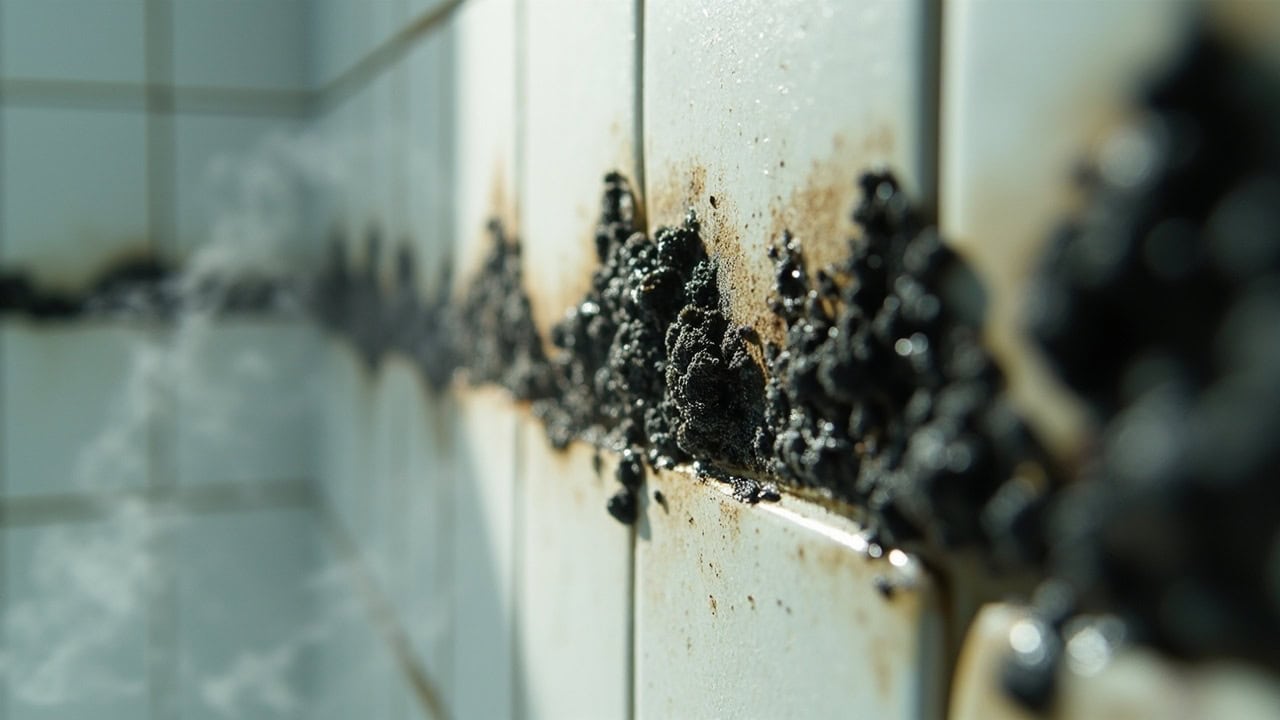
How to Remove Black Mold from Shower Caulk

Black mold on shower caulk is most effectively removed by applying a sodium hypochlorite (bleach) solution at a 1:10 dilution ratio — one cup of household bleach per 10 cups of cool water — directly to the affected area, allowing 15 minutes of contact time, scrubbing with a nylon-bristle brush, and rinsing thoroughly with clean water. This method kills mold at the root level, including hyphae that penetrate up to 2–3 mm into porous caulk material, while the mechanical action of scrubbing removes surface staining and dead organism residue.
The mold species most commonly associated with shower caulk discoloration, Stachybotrys chartarum, thrives at relative humidity above 70% and temperatures between 25–30 °C (77–86 °F) — conditions routinely created in bathrooms during and after showering. Its root-like structures (hyphae) anchor into the microscopic voids of latex and silicone caulk, making superficial cleaning alone insufficient. Chemical kill followed by physical removal is required to eliminate both the living organism and the staining it leaves behind.
What Removes Black Mold from Shower Caulk
Several agents can kill and remove black mold from shower caulk, but their effectiveness depends on the severity of the infestation and the depth of hyphae penetration into the caulk material. The primary treatments, ranked by efficacy on porous caulk surfaces:
- Sodium hypochlorite (household bleach) at a 1:10 dilution ratio with water — The most effective treatment for established mold colonies on caulk. Bleach (pH 11–12.5) oxidizes and destroys mold cell structures on contact, kills hyphae embedded within the caulk matrix, and lightens residual staining. The CDC recommends bleach-based solutions for mold remediation on non-food-contact surfaces at a concentration of no more than 1 cup of household bleach per gallon of water.
- Hydrogen peroxide (3% concentration) — A chlorine-free alternative that kills mold through oxidative damage to cell walls. At 3% concentration (pH 4.5–6.0), hydrogen peroxide is gentler on caulk elasticity but may require multiple applications for deeply embedded mold. It produces no toxic fumes, making it safer for enclosed bathrooms with limited ventilation.
- Commercial mold-removal sprays containing quaternary ammonium compounds — Products formulated with active ingredients such as didecyl dimethyl ammonium chloride (DDAC) disrupt mold cell membranes on contact. These sprays often include surfactants that improve penetration into porous caulk surfaces and may be combined with fungistatic residues that inhibit regrowth for several weeks.
- White vinegar (5% acetic acid, pH 2.4–2.5) — Effective for light surface mold only. Research indicates vinegar kills approximately 82% of mold species on non-porous surfaces, but its acidity cannot penetrate deeply into porous caulk to reach embedded hyphae. Vinegar is best used as a preventive maintenance treatment rather than a primary remediation tool.
- Combination approach: pre-treat with vinegar, then apply bleach solution — For stubborn infestations, applying vinegar first to break down the mold’s protective biofilm, followed by a bleach solution to kill the organism, yields better results than either treatment alone. Always rinse vinegar completely before applying bleach — never mix the two agents simultaneously.
For detailed information on the chemical properties of these agents, visit the CleaningTuts cleaning glossary entries on sodium hypochlorite and contact time.
Why Black Mold Bonds to Shower Caulk
Black mold’s affinity for shower caulk results from a convergence of material properties, environmental conditions, and biological mechanisms. Understanding why mold colonizes caulk — and why it returns so quickly after cleaning — is essential for effective, lasting removal.
Porous Structure Traps Moisture
Latex and silicone caulk are not solid, impermeable barriers. Both materials contain microscopic voids and surface irregularities that trap moisture after each shower. Latex caulk, in particular, is significantly more porous than pure silicone, retaining water in its voids long after the surrounding tile surface has dried. This trapped moisture keeps the caulk surface at or near 100% relative humidity at the micro-environment level, even when the broader bathroom humidity drops between uses. This persistent dampness provides the continuous moisture source that Stachybotrys chartarum requires to establish and maintain colonies.
Organic Matter Provides a Nutrient Source
Caulk contains organic compounds — plasticizers, binders, and flexibility additives — that serve as a nutrient source for mold. Body oils, soap residue, shampoo runoff, and dead skin cells deposited on the caulk surface during showering add to this food supply. Stachybotrys chartarum requires cellulose-based organic matter to thrive, and the combination of caulk additives and trapped biological debris provides sufficient substrate for sustained colonization.
Bathroom Conditions Accelerate Colonization
Bathrooms routinely exceed the 70% relative humidity threshold for mold growth during and after showering, with levels frequently reaching 90–100% during hot water use. Stachybotrys chartarum spores can begin germination within 24–48 hours when these humidity levels combine with temperatures of 25–30 °C (77–86 °F) — the exact temperature range of warm shower environments. Poor ventilation prevents this moisture from evaporating between uses, extending the favorable growth window from minutes to hours. Without adequate exhaust, the caulk surface may not dry fully between consecutive showers, creating near-continuous growth conditions.
Hyphae Penetration Makes Surface Cleaning Ineffective
Once established, mold hyphae grow 2–3 mm into the caulk surface, anchoring the colony below the visible outer layer. Surface wiping or light scrubbing removes only the visible mold body while leaving the root structure intact in the caulk’s interior. The surviving hyphae regerminate rapidly — often within 24–48 hours under humid conditions — making it appear as though the mold was never removed. This is why bleach’s chemical kill action must be paired with physical scrubbing: the bleach kills the organism at depth, and the abrasion removes dead material and residual staining. For related information, see the CleaningTuts glossary entries on dwell time and enzymatic cleaner.
What NOT to Use on Shower Caulk
Using the wrong cleaning method can damage caulk, accelerate future mold growth, or create hazardous chemical conditions. The following products and techniques should be avoided when treating mold on shower caulk:
- Abrasive scrubbers (steel wool, scouring pads) — These score and gouge the caulk surface, creating additional microscopic voids where moisture and mold spores collect. Damaged caulk degrades faster and provides more surface area for recolonization than smooth, intact caulk.
- Hydrogen peroxide above 3% concentration — Concentrations exceeding 3% degrade the polymer chains in both latex and silicone caulk, reducing elasticity and causing premature cracking. Higher concentrations also produce vigorous bubbling that can force the solution beneath the caulk bead, compromising the adhesive bond to the tile substrate.
- Ammonia-based cleaners combined with bleach — Mixing ammonia with sodium hypochlorite produces chloramine gas, which causes severe respiratory distress, chest tightness, and potential lung damage. The CDC explicitly warns against ever combining bleach with ammonia or ammonia-based household cleaners during any cleaning procedure.
- Vinegar alone on heavy mold infestations — While vinegar kills roughly 82% of surface mold species on contact, it lacks the oxidative power to penetrate porous caulk and kill the embedded hyphae of Stachybotrys chartarum. Using only vinegar on established colonies leads to rapid regrowth from surviving root structures within days.
- Pressure washing or high-pressure spray — Forced water penetrates behind the caulk bead, compromising the adhesive seal to the tile and wall substrate. Water trapped behind caulk creates a persistent hidden moisture source that feeds mold growth inside the wall cavity — a far more difficult and costly problem to remediate than surface mold.
- Oil-based mold inhibitors — These products leave a hydrophobic film that traps moisture beneath the caulk surface, creating conditions that actually accelerate mold growth within the material rather than preventing it. Use only silicone-based mold inhibitors specifically formulated for bathroom environments.
Step-by-Step Black Mold Removal from Shower Caulk
This eight-step procedure uses a sodium hypochlorite solution to kill mold organisms — including hyphae embedded 2–3 mm into the caulk — followed by mechanical removal and thorough drying. The entire process takes approximately 45 minutes from preparation to final drying. For a broader overview of bathroom maintenance, see the complete bathroom cleaning guide.
- Prepare the area — Open bathroom windows and turn on the exhaust fan to establish airflow before mixing any chemicals. Wear rubber gloves and eye protection throughout the procedure. Verify that no ammonia-based cleaning products are present anywhere in the bathroom — mixing bleach with ammonia produces toxic chloramine gas that causes severe respiratory injury. The CDC recommends maintaining continuous ventilation throughout the entire mold cleanup process.
- Mix the cleaning solution — Combine 1 cup of household bleach (5.25% sodium hypochlorite) with 10 cups of cool water in a spray bottle or bucket. This produces a solution of approximately 0.5% sodium hypochlorite — strong enough to kill embedded mold hyphae but diluted sufficiently to avoid degrading caulk within the recommended contact window. Never use hot water with bleach; heat accelerates chlorine gas release.
- Apply solution to mold — Generously spray or sponge the bleach solution directly onto all visible black mold on the caulk, extending coverage 1 inch (25 mm) beyond the visible mold boundary to treat microscopic spreading. The caulk should appear wet and slightly pooled with solution — insufficient coverage leaves embedded hyphae alive.
- Allow 15-minute contact time — Let the bleach solution penetrate and oxidize the mold without rinsing or wiping. The 15-minute dwell time allows sodium hypochlorite to diffuse into the caulk’s porous structure and reach embedded hyphae. Do not exceed 20 minutes — prolonged bleach exposure degrades the polymer structure of both latex and silicone caulk, causing hardening, discoloration, and loss of elasticity.
- Scrub with a nylon brush — Using a soft nylon-bristle brush, scrub along the caulk line with short, firm strokes. The bleach has killed the mold organism by this point, but physical abrasion is required to dislodge the dead biomass and residual staining from the caulk surface. Apply moderate pressure — sufficient to remove loosened mold without scoring or gouging the caulk material.
- Rinse thoroughly — Rinse the treated caulk and surrounding tile with clean water using a spray bottle or damp microfiber cloth. All bleach residue must be completely removed; residual sodium hypochlorite continues reacting with caulk polymers after the mold is dead, causing unnecessary material degradation over time.
- Dry completely — Wipe the caulk dry with a clean microfiber towel and allow air circulation for 30 minutes. The surface must be completely dry before proceeding to any primer application or recaulking. Residual moisture trapped beneath new caulk creates conditions for immediate mold regrowth.
- Apply mold-resistant caulk primer if needed — If the existing caulk shows cracking, peeling, or significant surface damage from the mold infestation, apply a mold-inhibiting primer formulated for high-humidity shower environments before recaulking. For the full recaulking procedure, see our guide on how to recaulk a shower.
How to Prevent Future Mold Growth on Shower Caulk
Removing mold is only effective long-term when paired with consistent moisture control. The CDC recommends maintaining indoor relative humidity between 30–50% to inhibit mold growth across all indoor surfaces. The following measures target the specific conditions that allow Stachybotrys chartarum to colonize shower caulk:
- Squeegee shower walls after each use — Running a squeegee over tiled walls and caulk lines immediately after showering removes approximately 75% of surface water, dramatically reducing the moisture available for mold spore germination. This single daily habit is the most effective preventive action and takes less than 30 seconds.
- Run the exhaust fan for 30 minutes post-shower — ASHRAE Standard 62.2 specifies a minimum of 50 CFM intermittent or 20 CFM continuous exhaust ventilation for residential bathrooms. Running the fan for 30 minutes after showering ensures humidity drops below the 70% mold-growth threshold before moisture can penetrate caulk surfaces. Leave the bathroom door open as a supplemental airflow source when possible.
- Install mold-resistant caulk with mildewcide — During your next recaulking, select 100% silicone caulk with built-in mildewcide (commonly 3-iodo-2-propynyl butylcarbamate, or IPBC) rather than latex-based formulations. Pure silicone is non-porous and does not support mold growth at the material level, while the mildewcide provides an additional antimicrobial barrier at the surface.
- Apply monthly preventive spray — Mist caulk lines with a 1:1 solution of white vinegar and water, or undiluted 3% hydrogen peroxide, once per month. Both agents kill mold spores before they can establish colonies. Allow 10 minutes of contact time, then rinse with clean water. This preventive treatment takes under 5 minutes and significantly extends the mold-free interval.
- Monitor caulk adhesion and reseal gaps promptly — Inspect caulk lines quarterly for cracks, gaps, or separation from the tile surface. Any breach in the caulk seal allows water to penetrate behind the bead, creating a hidden moisture source that feeds mold from beneath. Reseal compromised sections immediately to maintain a continuous moisture barrier.
- Maintain bathroom humidity below 60% — Use a hygrometer to monitor relative humidity levels in the bathroom. If exhaust ventilation alone cannot maintain readings below 60%, add a portable dehumidifier rated for the bathroom’s square footage. For related surface cleaning in wet bathroom areas, see our complete floor cleaning guide for tile and grout maintenance techniques.
Common Mistakes When Removing Mold from Caulk
Even with the correct cleaning agents, procedural errors can reduce treatment effectiveness or cause mold to return within days. Six common mistakes undermine successful mold removal from shower caulk:
- Using insufficient bleach concentration — A dilution ratio weaker than 1:10 may kill surface mold but fails to reach hyphae embedded within the caulk’s porous structure. The surviving roots regerminate within 24–48 hours under humid conditions, making it appear as though the treatment had no effect. Measure bleach and water volumes precisely rather than estimating by eye.
- Rinsing too quickly after application — Removing the bleach solution before the full 15-minute contact time prevents sodium hypochlorite from diffusing into the caulk’s interior. Surface-only treatment kills visible mold but leaves the root system intact, virtually guaranteeing rapid regrowth.
- Applying bleach to dry caulk without pre-wetting — Dry caulk absorbs bleach solution unevenly, creating patches of effective and ineffective treatment across the caulk line. Lightly misting the caulk with plain water before applying the bleach solution promotes uniform coverage and more consistent mold kill rates across the entire treated area.
- Ignoring the underlying moisture problem — Removing mold without addressing the humidity or ventilation deficiency that caused it guarantees recurrence. If your bathroom consistently exceeds 60% relative humidity, no amount of chemical treatment will prevent mold from returning to caulk surfaces. Address ventilation first, then clean.
- Sealing live mold beneath new caulk — Applying new caulk over existing mold entombs living organisms beneath the fresh bead. The mold continues to grow beneath the surface, eventually discoloring and degrading the new caulk layer from below. Always kill all mold completely — including the full 15-minute bleach contact time — and dry the area thoroughly before applying any new caulk.
- Substituting oxygen bleach for chlorine bleach — Oxygen bleach (sodium percarbonate) is an effective laundry stain remover but lacks the oxidative power to kill mold hyphae embedded in porous caulk. For mold remediation on bathroom caulk, sodium hypochlorite (chlorine bleach) is the required active ingredient. The two products are not interchangeable for this application.
For additional bathroom surface care, see our guide on how to remove soap scum from shower doors and the complete bathroom cleaning guide. If mold has spread to tile grout, the tile and grout cleaning guide provides grout-specific removal techniques.
Frequently Asked Questions
Q: Can I use hydrogen peroxide instead of bleach to remove black mold from shower caulk?
A: Yes, 3% hydrogen peroxide is an effective chlorine-free alternative that kills mold through oxidation rather than bleaching. Apply it to the affected caulk, wait 10–15 minutes of contact time, scrub with a nylon-bristle brush, and rinse thoroughly. For severe infestations with deep hyphae penetration (2–3 mm into the caulk), bleach at a 1:10 dilution is more effective at killing embedded roots within the caulk structure. Hydrogen peroxide is best suited for light-to-moderate surface mold or for households where chlorine-based products are not preferred.
Q: How do I know if the black mold on my shower caulk is dangerous?
A: Black mold (Stachybotrys chartarum) produces mycotoxins that can cause respiratory irritation, allergic reactions, coughing, wheezing, burning eyes, and skin rash with prolonged exposure. The CDC links indoor mold exposure to upper respiratory tract symptoms in otherwise healthy individuals, with more severe effects in people with asthma or mold allergies. Any black discoloration on shower caulk should be treated as potentially harmful. Wear protective gloves and eye protection during cleaning, ensure adequate ventilation, and consider professional remediation for extensive infestations covering more than 10 square feet.
Q: Will bleach damage my shower caulk?
A: Household bleach (5.25% sodium hypochlorite) diluted at a 1:10 ratio with water is safe for both silicone and latex caulk when contact time does not exceed 20 minutes. The diluted solution (approximately 0.5% sodium hypochlorite) effectively kills mold without degrading the caulk’s polymer structure within this time window. Prolonged exposure beyond 20 minutes, or using undiluted bleach, will degrade caulk elasticity and cause hardening, discoloration, or cracking over time. Always rinse thoroughly with clean water after the contact period to remove all bleach residue.
Q: How long does it take for black mold to grow back on shower caulk after cleaning?
A: Black mold can regrow within 24–48 hours if the conditions that caused the original infestation persist — specifically, relative humidity above 70%, poor ventilation, and organic residue on the caulk surface. Applying mold-resistant caulk containing mildewcide (such as IPBC) during recaulking, running the exhaust fan for 30 minutes after each shower, and squeegeeing walls post-use can prevent regrowth for 2–5 years depending on bathroom usage frequency and ambient humidity levels.
References
- Centers for Disease Control and Prevention. (2024). Mold — Basic Facts. U.S. Department of Health and Human Services.
- Minnesota Department of Health. (2024). Mold in Homes. State of Minnesota.
- Institute of Medicine. (2004). Damp Indoor Spaces and Health. National Academies Press.
- American Society of Heating, Refrigerating and Air-Conditioning Engineers. (2022). ASHRAE Standard 62.2: Ventilation and Acceptable Indoor Air Quality in Residential Buildings. ASHRAE.
- U.S. Environmental Protection Agency. (2024). Mold and Moisture. U.S. EPA.


