
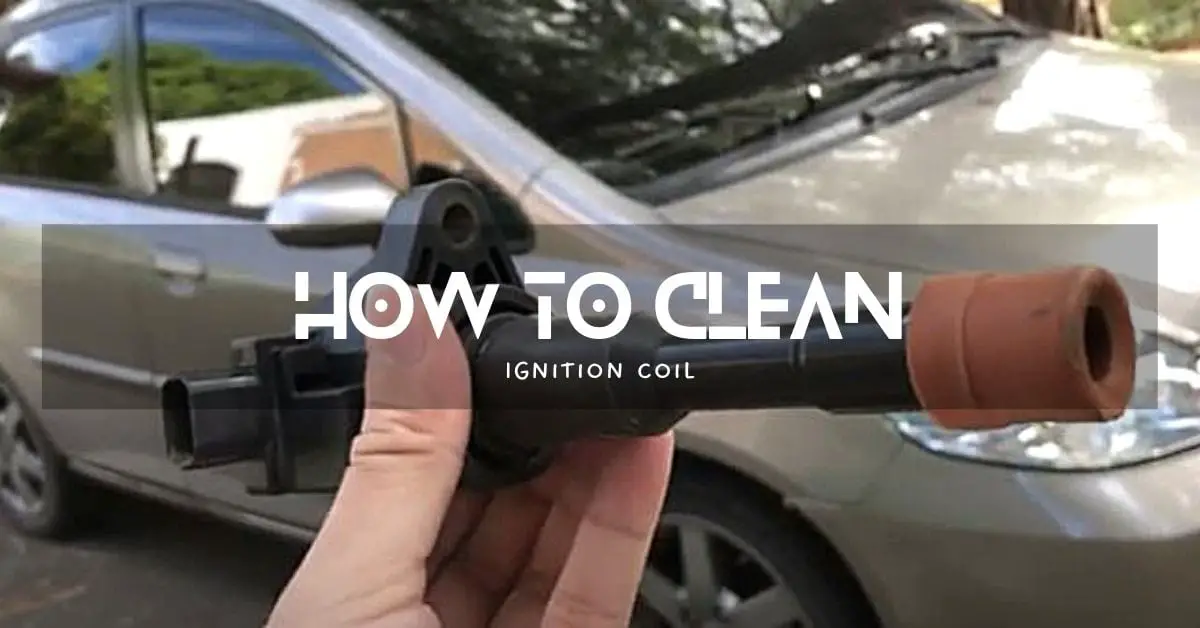
How to Clean Ignition Coil

A faulty ignition coil leaves you stranded. Cleaning restores performance in most cases where contamination—not physical damage—is the culprit.
How to Clean an Ignition Coil: Step-by-Step
Cleaning the ignition coil requires removing the coil pack from the engine, detaching the boot, and applying a dedicated air intake cleaner. Stubborn carbon deposits dissolve within 2–3 minutes of contact. Reassembly follows in reverse order.
Step 1: Loosen the 10mm Bolts and Remove Wiring
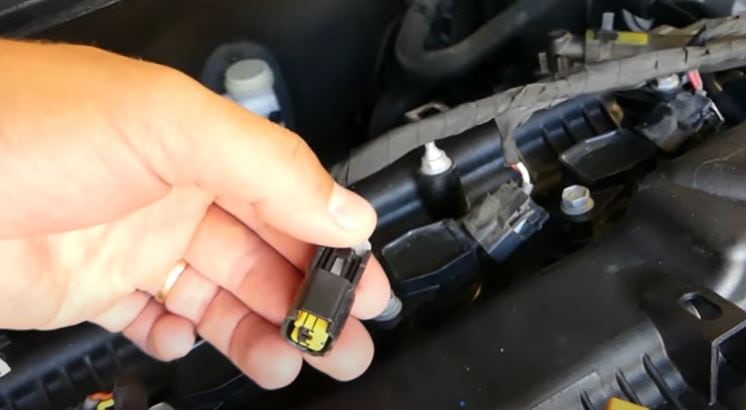
Turn off the engine and open the engine cover. Locate the spark plug chambers—the ignition coil cylinders sit directly above them. Use a 10 mm wrench to loosen the bolt securing the coil pack, then pull the electrical connector free.
Step 2: Pull Out the Coil Pack Cylinder and Remove the Boot
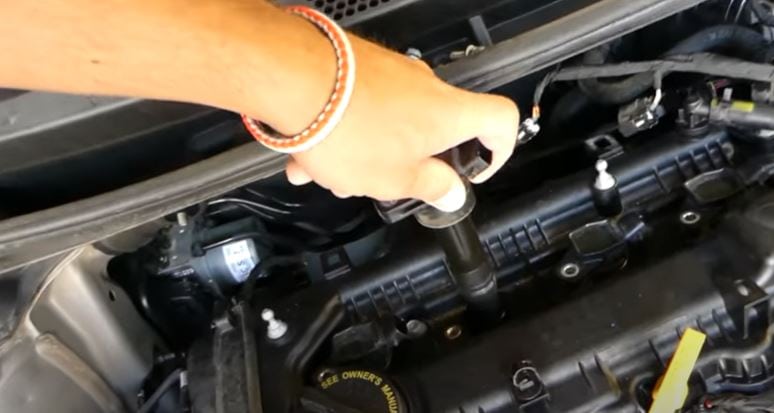
With the mounting bolts removed, gently pull the coil pack cylinder free. Twist the rubber boot counterclockwise to release it—the boot seals the cylinder to the spark plug well. With the boot removed, the bare ignition coil is exposed and ready for cleaning.
Step 3: Clean the Coil Using Air Intake Cleaner
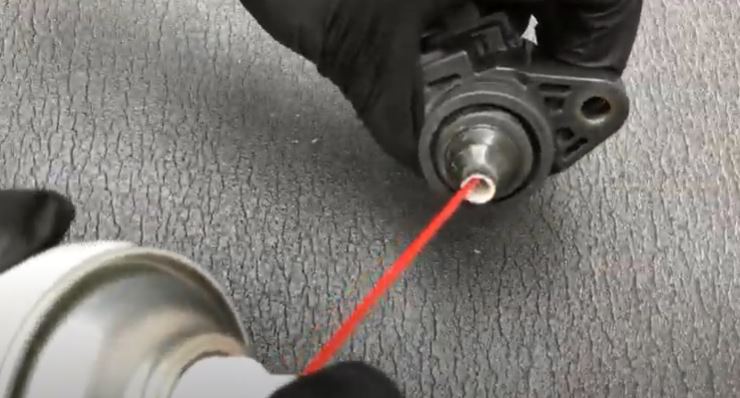
Carbon deposits, oil residue, and moisture accumulate on the coil’s primary and secondary terminals. These contaminants create path-to-ground faults that reduce output voltage. Spray an air intake cleaner directly into the coil’s cylindrical bore, allowing 2–3 minutes of contact time to dissolve carbon buildup. Use a small-head toothbrush to scrub stubborn deposits from the internal surfaces.
An air intake cleaner costs $10–$15 per 14 oz can and cleans 4–6 coils per can. After cleaning, allow the coil to air-dry for 5 minutes before reassembly. Install components in the reverse order of removal.
Alternative: Brake Cleaner Method
Brake cleaner (typically $5–$8 per 14 oz can) dissolves grease and light oil contamination on contact. It evaporates rapidly without leaving residue, making it suitable for ignition components. Spray liberally into the coil bore, scrub with a toothbrush, and allow 3–5 minutes to fully evaporate before reinstalling.
Brake cleaner is most effective when contamination is grease or light oil-based. For heavy carbon fouling, an air intake cleaner with polyalkyleneglycol solvents performs more reliably.
WD-40 on Ignition Coils: What to Expect
WD-40 contains mineral oil and aliphatic hydrocarbons that displace moisture and inhibit surface corrosion. Applying WD-40 to ignition coil exteriors creates a hydrophobic barrier that slows future moisture intrusion.
WD-40 does not dissolve carbon deposits—it cleans only where contamination is moisture or light oil-based. Its primary value is preventative: a periodic coating after cleaning extends the interval before recontamination.
After cleaning and drying the coil, spray a light coat of WD-40 on the exterior terminals and connector pins. This displaces any residual moisture and adds corrosion resistance. Reinstall the coil within 30 minutes of application to avoid attracting fresh dust.
Ignition Coil Replacement Costs
Replacement becomes necessary when cleaning does not restore performance. Individual coil prices range from $60–$300 depending on vehicle make, model, and OE vs. aftermarket sourcing.
| Component | Cost Range |
|---|---|
| Aftermarket ignition coil (single) | $60–$120 |
| OE/OEM ignition coil (single) | $120–$300 |
| Professional labor (replacement) | $50–$150 per hour |
| Full set replacement (4 cylinders) | $250–$1,200 |
DIY replacement eliminates labor costs entirely—most single-coil swaps take 15–30 minutes with basic hand tools. Consult a repair manual specific to your vehicle for exact procedures.
Symptoms of a Weak Ignition Coil
Early detection prevents secondary damage to spark plugs and catalytic converters. Watch for these specific indicators:
- Check engine light: An illuminated MIL (Malfunction Indicator Lamp) with error code P0300–P0308 indicates cylinder-specific misfiring, often caused by a failing coil.
- Engine misfires: Rough idling, hesitation during acceleration, and cylinder misfire codes directly correlate with reduced coil output voltage.
- Loss of power: Voltage output below 20 kV at the spark plug gap causes incomplete combustion, reducing engine power by 10–25%.
- Backfiring: Unburned fuel ignites in the exhaust manifold, producing a sharp popping sound and sulfur smell—this signals a severe coil failure.
- Difficult cold starts: Contaminated coils lose output rapidly as operating temperature rises; a car that starts poorly when cold but runs rough when warm often has a weak coil.
Spark Plug Removal and Coil Cleaning Relationship
When removing spark plugs without a socket, the ignition coil must first be extracted. Both components share a common well, and accessing one requires removing the other. A clean ignition coil delivers consistent voltage to the spark plug gap; conversely, a clean spark plug gap (0.028–0.060 inch depending on the engine) ensures the coil does not overwork to generate a spark.
Regular maintenance of both the ignition coil and spark plugs extends the electrical system’s lifespan and improves fuel efficiency by up to 3%, according to SAE International research on ignition system maintenance.
Key Specifications at a Glance
| Parameter | Specification |
|---|---|
| Air intake cleaner contact time | 2–3 minutes |
| Brake cleaner evaporation time | 3–5 minutes |
| Coil air-dry time before reassembly | 5 minutes |
| Single coil replacement cost (aftermarket) | $60–$120 |
| Single coil replacement cost (OEM) | $120–$300 |
| Labor cost | $50–$150 per hour |
| Spark plug gap tolerance | 0.028–0.060 inch |
| Minimum coil output voltage | 20 kV |
Verdict
Cleaning the ignition coil restores performance in most contamination-related failure cases. The process costs under $20 in cleaner and requires 30–45 minutes. If symptoms persist after cleaning—particularly persistent misfire codes or backfiring—replacement is necessary.
Preventive maintenance every 12–18 months keeps the coil and surrounding components free of harmful deposits. Pair coil inspection with spark plug replacement at the manufacturer-recommended interval for best long-term results.
References
- SAE International. (2023). Ignition System Maintenance and Fuel Efficiency Correlation Study. SAE Technical Paper Series.
- AutoZone. Ignition Coil Replacement Guide. AutoZone.com.
- Federal Consumer Information Commission. Automotive Repair Cost Guidelines. usa.gov.

