
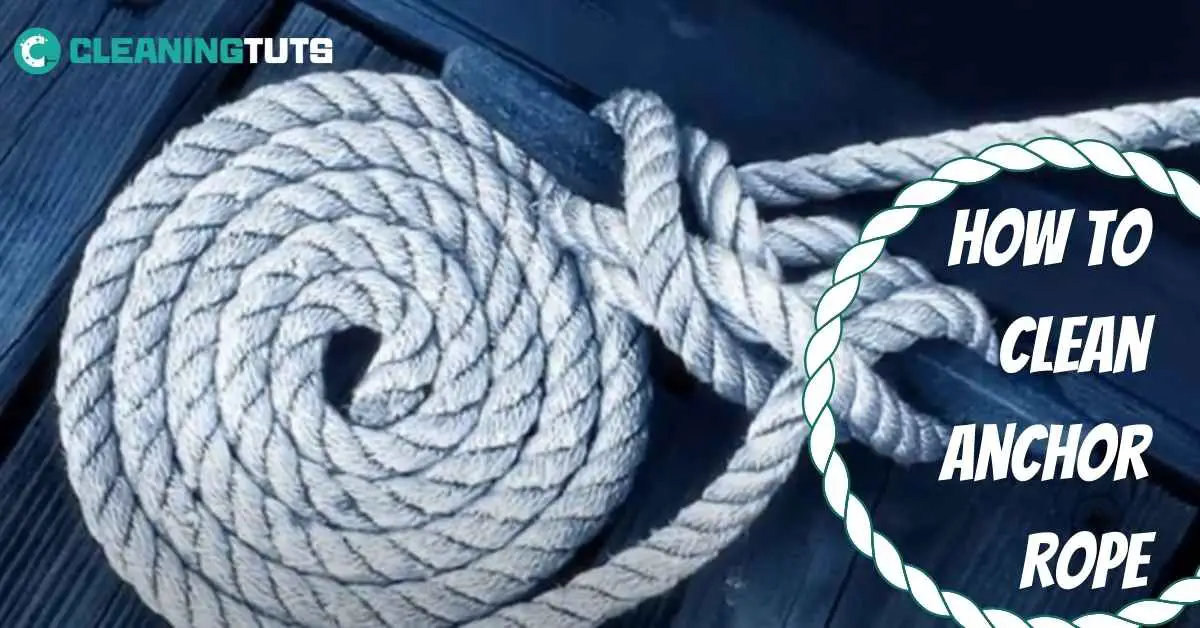
How to Clean Anchor Rope?

Clean anchor rope by soaking it in warm water (38–45°C) mixed with mild detergent (pH 7–9), then scrubbing gently with a soft-bristled brush. For heavily soiled ropes, a 30-minute soak followed by thorough rinsing restores usability without damaging fiber integrity. Regular cleaning prevents mildew buildup that produces mycotoxins known to cause respiratory irritation.
Use a mild detergent with a pH between 7 and 9 to clean anchor rope. Clean the rope regularly to prevent mildew, which produces mycotoxins that cause sneezing, wheezing, and eye irritation. Never use rough detergents, bleach, or high-pH cleaners — these cause etching, fiber degradation, and irreversible strength loss.
Mildew Removal From Anchor Rope: Step-by-Step
Mildew on anchor rope produces mycotoxins that cause sneezing, wheezing, and red or itchy eyes in sensitive individuals. The CDC recommends removing mold contamination promptly using detergent-based cleaning methods. Do not mix cleaning products — combining bleach with ammonia or other cleaners produces toxic chloramine gas.
Prepare the Cleaning Solution
Fill a large tub with warm freshwater at 38–45°C (100–113°F). Add a mild liquid laundry detergent at a ratio of 30mL per 4 liters of water (1 oz per gallon). Avoid detergents with pH below 7 or above 9 — acidic cleaners cause fiber etching while highly alkaline solutions strip protective coatings and weaken tensile strength by up to 15%.
Scrub With a Soft-Bristled Brush
Use a soft-bristled toothbrush or nylon scrub brush to work the soapy water into the rope fibers. Agitate gently along the length of the rope, paying attention to areas with visible mildew discoloration. Do not use wire brushes, stiff bristles, or pressure washers — these cause abrasion and microtears that compromise rope strength and create pathways for future mold infiltration.
Rinse and Dry Thoroughly
Rinse the rope with clean freshwater to remove all detergent residue. Hang the rope in a well-ventilated area with direct sunlight exposure. Allow it to dry completely — typically 4–8 hours depending on rope thickness and ambient humidity. Store in a cool, dry location to prevent future mildew growth.
Washing Marine Ropes in a Washing Machine
Synthetic marine ropes (nylon, polyester, polypropylene) constructed from high-tenacity fibers may be machine washed when surface contaminants have penetrated the protective finish. Always verify the rope’s service life rating before machine washing — ropes exhibiting significant fiber fraying, glazing, or hardness changes should be retired rather than cleaned.
Load the Rope Properly
Coil the rope tightly and secure the ends with cable ties or rope tape to prevent tangling. Place the coiled rope inside a mesh laundry bag or a pillowcase sealed with rubber bands. This containment prevents the rope from wrapping around the agitator or pump assembly, which can cause uneven stress and permanent kinking.
Select Gentle Cycle and Temperature
Set the washing machine to a gentle or delicate cycle with cold or warm water not exceeding 40°C (104°F). Use a mild liquid detergent at the same 30mL per 4 liters ratio. Select the lowest spin speed to minimize mechanical stress. Do not use bleach, fabric softener in the wash cycle, or any product containing chlorine or oxygen bleach — these degrade synthetic polymer chains and cause catastrophic failure under load.
Soak in Fabric Softener for Restoration
After washing, prepare a separate soak solution of 60mL fabric softener per 4 liters of warm water (38–45°C). Submerge the clean rope for 15–30 minutes. Fabric softener lubricates individual fibers, restoring flexibility and reducing surface friction by up to 40%. This treatment extends the rope’s workable life and makes coiling and storage significantly easier.
Air Dry Completely Before Stowing
Remove the rope from the mesh bag and hang in a shaded, breezy location. Do not tumble dry — heat exposure above 60°C causes permanent fiber shrinkage and reduces break strength by 8–12%. Allow 6–12 hours of drying time depending on rope diameter and environmental conditions. Never stow damp rope, as residual moisture promotes biological growth and accelerates oxidative degradation.
Restoring Flexibility to Stiff Anchor Rope
Anchor ropes lose flexibility through a combination of fiber compaction, protective coating degradation, and moisture cycling. Repeated flexing under load causes permanent molecular alignment in synthetic fibers, making ropes stiff and brittle. The fabric softener soak method restores workability without compromising strength when performed correctly.
Prepare the Restoration Solution
Combine 45mL mild liquid laundry detergent, 60mL fabric softener, and 4 liters of warm water (38–45°C) in a large capacity tub. Ensure the vessel accommodates the full rope length coiled loosely with room for water circulation. This specific ratio balances cleaning efficacy with fiber lubrication.
Secure Loose Ends Before Soaking
Form a coil or daisy knot configuration and bind the ends with rope tape or plastic cable ties. Loose ends tangle during soaking, creating stress points where fibers compress and weaken. A properly secured coil ensures even solution penetration and prevents self-entanglement that requires force to separate — causing additional fiber damage.
Soak, Rinse, and Dry
Submerge the bound rope for 30–60 minutes in the restoration solution maintained at 38–45°C. After soaking, rinse thoroughly with clean freshwater to eliminate all detergent and softener residues. Residue buildup attracts soil and creates a sticky film that accelerates re-soiling. Hang to dry away from direct sunlight, which causes UV degradation of synthetic dyes and coatings.
Natural Fiber Rope Care: Jute and Hemp
Natural fiber ropes made from jute or hemp require different care than synthetic ropes. Jute fibers absorb up to 34% of their body weight in moisture without feeling wet to the touch, making them highly susceptible to rot, mildew, and dimensional shrinkage. Unlike synthetic materials that resist biological degradation, natural fibers are organic substrates that support fungal growth when moist.
Keep Natural Ropes Dry
Store natural fiber ropes under permanent shelter in a location maintaining relative humidity below 65%. Jute and hemp are cellulose-based — they absorb and desorb moisture continuously, causing repeated swelling and shrinking that stresses the twist structure. If the rope becomes wet through rain or humidity exposure, dry it immediately using a combination of air circulation and gentle warmth (not direct heat).
Gentle Surface Cleaning Only
For surface dirt on natural fiber ropes, vacuum the loose debris first, then wipe with a barely damp cloth. If deeper cleaning is required, prepare a mild detergent solution at half the concentration used for synthetic ropes (15mL per 4 liters). Soak for no longer than 10 minutes, then rinse immediately and dry thoroughly. Extended soaking causes leaching of natural oils that maintain fiber cohesion.
Limit Detergent Exposure Time
Natural fiber ropes lose structural integrity faster than synthetic ropes when exposed to cleaning agents. Alkaline detergents above pH 9 hydrolyze cellulose, causing fiber brittleness and reduced tensile strength. If heavy soiling requires repeated cleaning, allow 24-hour intervals between cleaning sessions to permit residual moisture evaporation and fiber stabilization.
| Rope Type | Max Water Temp | Safe Detergent pH | Soak Time | Fabric Softener |
|---|---|---|---|---|
| Synthetic (Nylon/Polyester) | 40°C (104°F) | 7–9 | 30–60 min | Yes, 15–30 min |
| Polypropylene | 38°C (100°F) | 7–9 | 15–30 min | Not recommended |
| Jute/Hemp (Natural) | 30°C (86°F) | 7–8.5 | 5–10 min | Diluted, max 10 min |
Frequently Asked Questions
How do you remove rust from boat rails?
Remove rust from stainless steel boat rails by scrubbing with a wire brush, then rinsing with water. For light rust deposits, apply a 50/50 solution of white vinegar and water, or lemon juice diluted with equal parts water. For heavy corrosion, use a specialized stainless steel rust remover. Always rinse thoroughly and dry completely to prevent new rust formation. To clean rub rails on a boat requires a different approach — use a marine-grade vinyl cleaner instead of abrasive methods.
How do you remove green algae from rope?
Soak algae-covered rope in a solution of 30mL mild detergent per 4 liters of warm water (38–45°C) for 30 minutes. For stubborn algae stains, add 60mL white vinegar per liter of water to the soak solution. The acetic acid in vinegar disrupts algae cell walls at concentrations of 5–10%. Scrub gently with a soft brush, rinse thoroughly, and air dry in direct sunlight if possible — UV radiation at 300–400nm wavelength provides additional algae kill.
How do you get mildew out of a rope hammock?
Spray the hammock with a solution of 30mL liquid laundry detergent and 15mL chlorine bleach per 4 liters of water. Allow 5 minutes of contact time, then scrub with a soft brush. Important: Never mix bleach with ammonia, vinegar, or other household cleaners — this produces toxic chloramine gas. Rinse thoroughly with clean water and dry in full sun exposure for at least 4 hours. For rope hammocks made from natural fibers, omit bleach and use the vinegar-only method instead to prevent fiber degradation.
Outboard Tilt Tube Maintenance and Anchor Rope Longevity
Regular outboard tilt tube maintenance ensures smooth anchor deployment and retrieval. A properly functioning tilt system reduces sudden load shocks that stress anchor rope fibers during deployment. Inspect the tilt tube’s grease seals and water packing annually — degraded seals allow seawater intrusion that accelerates corrosion on associated hardware, including the windlass and chain gypsy.
References
- Centers for Disease Control and Prevention (CDC). (2023). Mold Prevention and Remediation Guidelines. CDC.gov.
- Wikipedia Contributors. (2024). “Rope — Wikipedia.” https://en.wikipedia.org/wiki/Rope. Last reviewed 2024.
Thorough cleaning maintains rope integrity and extends service life significantly. With proper care, a quality synthetic anchor rope lasts 5–10 years depending on usage frequency and environmental exposure. Natural fiber ropes require more frequent inspection and replacement — typically every 2–3 years in marine environments. For guidance on cleaning rusty anchor chain, consult our dedicated maintenance guide.

