
![My Bissell Vacuum Smells Like Burning [Reason & Fixes]](https://cleaningtuts.com/wp-content/uploads/2023/06/My-Bissell-Vacuum-Smells-Like-Burning-Reason-Fixes.webp)
Help! My Bissell Vacuum Smells Like Burning (Reason & Fixes)

Your Bissell vacuum smells like burning because the drive belt is overheating, a loose electrical connection is generating heat in the power cord, or tangled hair is creating friction against the brush roller bearings. These three issues account for the majority of burning smell complaints in Bissell canister and upright vacuums.
Your Bissel vacuum smells like burning due to overheating of the drive belt, a loose connection between the cable and mains of the vacuum, or tangled hair causing friction at the end of the rotary brush.
Bissell Vacuum Burning Smell: Three Primary Causes and Solutions
These three issues cause approximately 90% of all Bissell vacuum burning smell complaints. Identifying which one applies to your vacuum takes less than five minutes of inspection.
Burnt Rubber Belt Smell: Drive Belt Failure
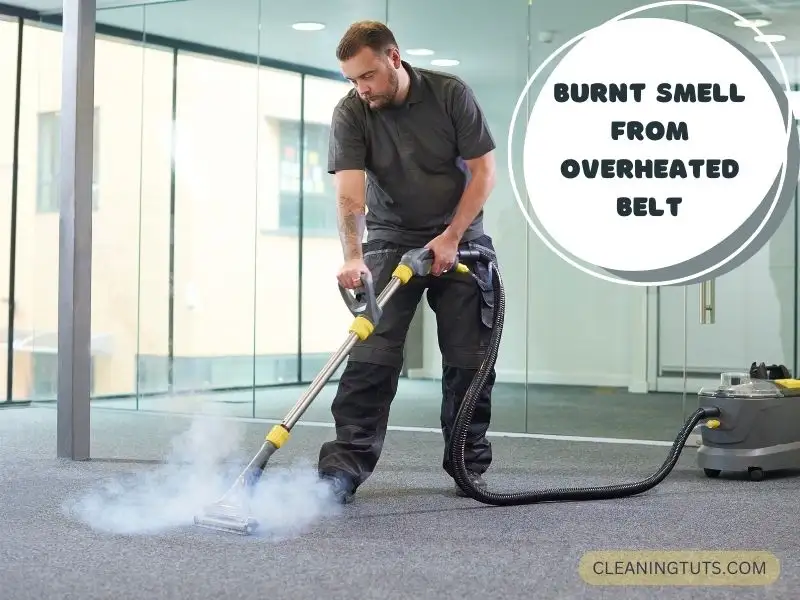
A rubber vacuum belt generates a distinct burnt rubber smell when it fails. Belt failure occurs in two common scenarios: the belt has snapped entirely, or it has stretched beyond usable tolerance and slips off the motor pulley.
Vacuum belt rubber degrades under constant tension and heat. Industry maintenance guidelines recommend inspecting vacuum belts monthly and replacing them every 6–12 months regardless of visible wear. Belts that have been in use for extended periods stretch approximately 30% longer than their original specifications, causing slippage against the motor pulley that generates heat and the characteristic burning rubber odor.
- The belt has snapped completely and is no longer driving the brush roll.
- The belt has stretched past usable tolerance, causing the brush roller to stall while the motor pulley continues spinning. This friction overheats the belt within 30–60 seconds of operation.
In both cases, belt replacement is the only solution. Before installing a new belt, verify that the brush roller bearings are not seized by spinning the roller manually—it should rotate freely with no resistance or grinding. Choose the correct belt size for your specific Bissell model; consult your owner’s manual or search for your model number on the Bissell support site for the exact replacement part number.
Used vacuum belts stretch 30% beyond their original length due to constant tension. A new belt sized for your model will be noticeably tighter and will generate full brush roll RPM within the first 10 seconds of operation.
Burning Plastic Smell: Power Cord and Electrical Connection Failure
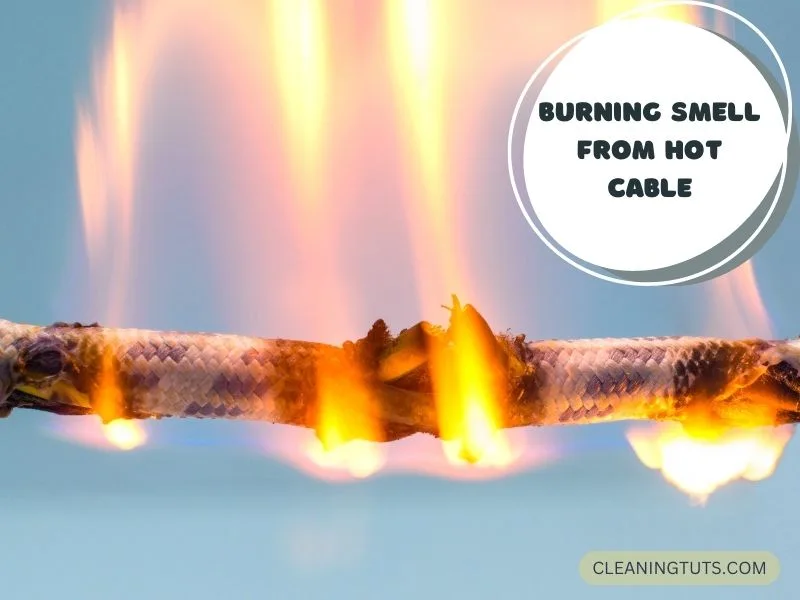
A burning plastic or electrical smell indicates a loose connection in the power cord assembly or plug terminals. This typically develops in vacuums that are used frequently and for extended sessions, as the constant current draw loosens wire terminations over time.
Extended use causes the motor to work harder, which increases current flow through the power cord. If the plug terminals or wire connections inside the vacuum housing are not making full contact, resistance builds up and generates heat—producing the characteristic burning plastic smell near the cord entry point or plug.
To diagnose: run the vacuum for 60 seconds, then immediately touch the power cord and plug (use caution—they may be hot). If either feels warm or hot to the touch, an electrical connection issue is likely. Begin troubleshooting by checking the filter and dustbin first, as a clogged system forces the motor to draw more current, exacerbating loose connection heating.
If the cord or plug still heats up after confirming the vacuum is not clogged, inspect the wire terminals inside the vacuum’s cord entry housing. Wires should be securely fastened to their terminals with no visible looseness. If terminal corrosion or wire fraying is visible, consult a qualified appliance repair technician or electrician—do not continue using the vacuum, as this poses a fire hazard.
Burning Hair Smell: Tangled Debris in the Brush Roller
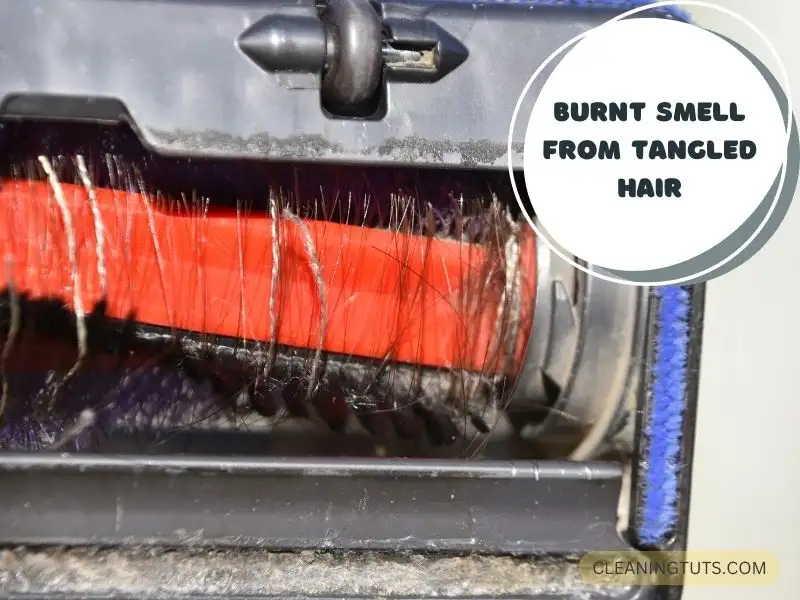
When the burning smell resembles burnt hair rather than rubber or plastic, the brush roller assembly is the source. Hair, string, and fiber wrap tightly around the brush roller ends where they meet the bearing housings. This accumulation creates friction against the bearing seal, generating heat that burns the accumulated debris.
Remove the brush roller every 2–3 months for inspection and cleaning. Use scissors or a seam ripper to cut through tangled hair, working from both bearing ends toward the center. After cleaning, the brush roller must spin freely with no resistance—any grinding or stuttering indicates bearing failure requiring brush roller replacement.
This issue is particularly common in homes with pets. Pet hair and dander contain natural oils that increase hair’s tendency to wrap and bind on brush roller bearings. Vacuuming pet hair promptly and performing brush roller maintenance every 4–6 weeks in pet households prevents this odor entirely.
Note: A damp or musty smell instead of a burning odor indicates a different problem—typically wet filters that were reinstalled before fully drying, or filters clogged with organic material that has begun to decompose. Empty the dustbin and clean or replace filters, ensuring everything is completely dry before reassembly.
“Pet hair and dander are naturally smelly and, when regularly vacuumed, can cause your vac to emit musty smells. The stink is even worse if the pet hair had traces of Fido’s urine.”
Bissell Vacuum Smoking: Causes and Immediate Actions
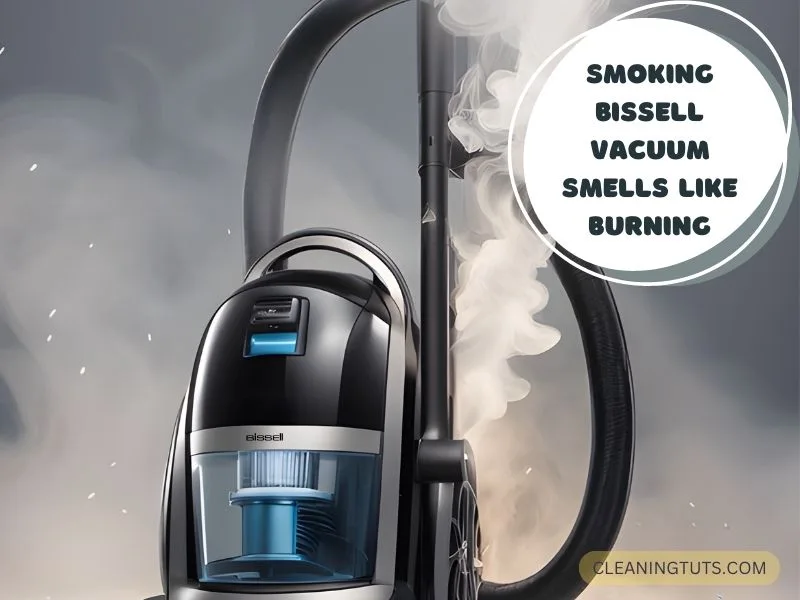
A Bissell vacuum that smokes while emitting a burning smell requires immediate attention. The most common cause is a drive belt that has come off its track or is otherwise unable to rotate, causing the motor pulley to spin the belt against the housing without any load-bearing function.
Primary causes of vacuum smoking:
- Drive belt has slipped off the motor pulley or brush roller shaft and is dragging against the housing.
- Brush roller is clogged with debris and cannot rotate, causing the belt to overheat and produce smoke.
- Electric motor has developed a fault and is drawing excessive current, producing heat and visible smoke.
- Non-standard debris such as hot ashes, a still-lit cigarette, or burning material was vacuumed accidentally.
In some cases, vacuum “smoke” is actually a fine water vapor or pump oil mist from the motor’s internal lubrication system—this is not a fire hazard and dissipates within 30–60 seconds of startup on most upright vacuum models.
Step-by-Step Belt Replacement and Brush Roller Cleaning
Follow this sequence to resolve smoking caused by belt failure and brush roller clogging:
- Identify your Bissell model and source the correct replacement belt from your owner’s manual or the Bissell website. Verify the part number matches your specific model before purchasing.
- Disconnect the vacuum from power before any disassembly. Remove the brush roller cover plate to access the belt compartment—typically secured by a single screw or quick-release latch depending on model.
- Cut the old belt with scissors if it is stuck or cannot be slipped off the shafts. This prevents damage to surrounding components during removal.
- Stretch the new belt just enough to seat it over both the motor drive shaft and the brush roller shaft. The belt should sit in the groove of each pulley, not on top of the pulley rim.
- Clean the brush roller before reassembly. Use scissors to cut hair wrapped at both bearing ends. Remove all debris, then spin the roller by hand—it must rotate freely without any resistance or grinding sound.
- Reassemble the cover plate and test by turning the vacuum on for 10 seconds. Place your hand near the brush roller area to confirm the belt is seated and the roller is spinning at proper speed.
Vacuum Maintenance Schedule for Bissell Owners
Establishing a regular maintenance routine extends vacuum lifespan and prevents burning smell issues from developing:
| Task | Frequency | Signs of Neglect |
|---|---|---|
| Inspect belt condition | Monthly | Belt feels loose, sits off-pulley, or shows cracks |
| Clean brush roller ends | Every 2–3 months | Hair wrapped at bearing seals, grinding noise |
| Replace belt | Every 6–12 months | Stretch exceeds 30%, burning rubber smell on startup |
| Check and clean filters | Monthly | Musty smell, reduced suction, motor overheating |
| Inspect power cord and plug | Every 3 months | Warm cord/plug during use, frayed insulation |
Vacuum filters should be tapped clean after each use and washed monthly with cool water only—never wringing or machine drying, as this damages the filter media and reduces filtration efficiency by up to 40%.
When to Call a Professional
Contact a Bissell authorized service center or a qualified appliance repair technician if the burning smell persists after belt replacement and brush roller cleaning, if the power cord or plug heats noticeably during normal operation, or if the vacuum motor produces any audible grinding, squealing, or irregular noise that does not resolve with maintenance.
Do not attempt to repair internal motor faults or rewiring issues yourself—these constitute electrical fire hazards that require professional diagnosis and parts sourcing. Visit the Vacuum Troubleshooting Master Hub for links to Bissell support resources and authorized repair networks.
Summary: Bissell Vacuum Burning Smell
- Burning rubber smell = drive belt overheating or snapped. Replace belt and verify brush roller spins freely.
- Burning plastic smell = loose electrical connection in power cord or plug terminals. Inspect wire terminals; consult an electrician if cord heats up.
- Burning hair smell = tangled debris in brush roller bearings. Clean roller ends every 2–3 months; replace roller if bearings are seized.
- Smoking + burning smell = belt has come off track or brush roller is clogged. Stop immediately, replace belt, clean roller.
Regular maintenance—monthly belt inspection, quarterly brush roller cleaning, and 6–12 month belt replacement—prevents burning smell issues in Bissell vacuums for years of reliable service.
References
- Bissell. (2024). Vacuum Troubleshooting and Support. Bissell Support
- Consumer Reports. (2023). Vacuum Cleaner Repair Handbook and Maintenance Guide. Consumer Reports
- wikiHow. (2024). How to Maintain a Vacuum Cleaner. wikiHow


