
Help! My Eureka Vacuum Not Turning On (Here’s What to Do)

When your Eureka vacuum fails to turn on, the cause is typically a power supply issue, a faulty power cord, a failed motor, or an activated thermal cut-off from overheating. Diagnostic steps differ based on whether the unit emits a clicking sound when you attempt to start it.
The Eureka vacuum may not turn on due to insufficient power from the outlet (120V AC required), a damaged power cord, a failed motor drawing 8–12 amps, or a tripped thermal cut-off that activates at 105°C–145°C (221°F–293°F) to prevent motor damage.
Troubleshooting Steps for a Eureka Vacuum That Refuses to Start
As soon as you discover that your Eureka vacuum won’t turn on, check whether while trying to turn it on at the unit, there is any sound. A clicking noise more specifically.
Depending on whether or not you hear this sound, the troubleshooting steps differ. Follow the appropriate section below based on your initial test.
No Clicking Sound: Power Supply Issues
When no clicking sound occurs, the vacuum receives no electrical power. This points to an issue with the outlet, circuit, power cord, or low-voltage transformer.
- Test the outlet with a known-working device (lamp, blender, phone charger). Eureka upright vacuums require a dedicated 120V AC, 15-amp circuit. If no device powers the outlet, the house circuit breaker has tripped—reset it at the electrical panel.
- Test the vacuum in another outlet on a different circuit. If it operates, the original outlet’s wiring requires inspection by a licensed electrician.
- Visually inspect the entire power cord for cuts, exposed wires, or kinks. A damaged cord causes intermittent power loss or complete failure. Replace with an identical Eureka-rated power cord (typically 18 AWG for household models).
- Access the low-voltage transformer inside the motor chamber. Eureka vacuums contain a transformer that steps down voltage for the relay circuit. Use a multimeter to test for 24V–48V AC output across the transformer secondary terminals. No reading indicates transformer failure requiring replacement.
- Test the relay contacts with a multimeter for continuity. Place one probe on the input terminal and one on the output terminal. An open circuit (OL) confirms a failed relay that must be replaced to restore power flow.
Clicking Sound Present: Motor or Mechanical Failure

If the relay clicks but the motor does not start, the motor itself has failed or the thermal cut-off has activated.
- Locate the mini circuit breaker (thermal fuse) on the motor assembly. If it has tripped (extended more than 3mm outward), press it firmly until it resets with an audible click. Run the vacuum for 30 seconds to test.
- If the motor runs briefly then shuts off within 2–5 minutes, the motor has failed thermally and requires replacement. This indicates the windings have shorted or the bearings have seized.
- Check carbon motor brushes for wear. Eureka vacuum motors contain two carbon brushes that conduct electricity to the armature. Brushes shorter than 6mm (0.25 inches) or with visible cracking cause motor failure. Replace both brushes as a set for balanced contact.
- Carbon brushes typically last 200–800 hours of operation depending on usage intensity. If your vacuum has logged more than 500 hours and exhibits intermittent power loss, brush replacement often restores motor performance.
Thermal Cut-Off: Preventing Motor Overheating Damage
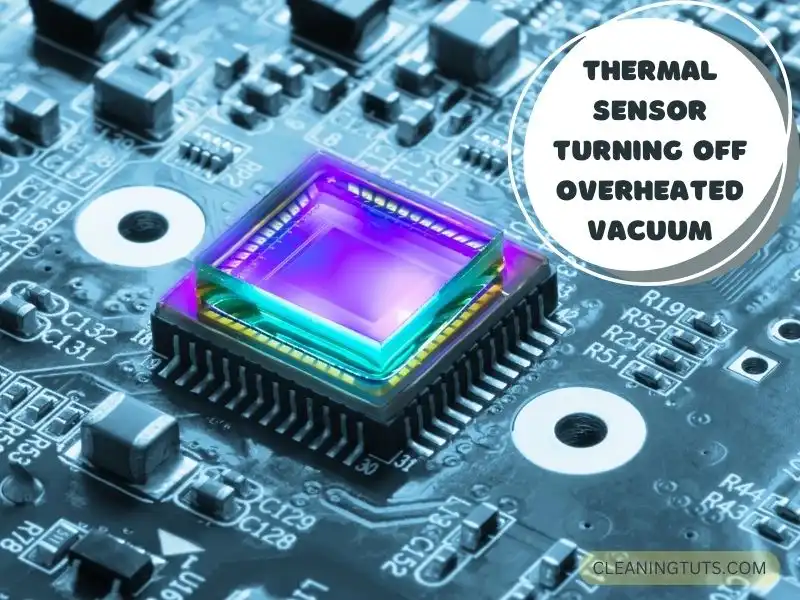
Many users mistake thermal cut-off activation for complete motor failure. The thermostat inside Eureka vacuum motors senses temperatures exceeding 105°C (221°F) and automatically cuts power to prevent permanent winding damage.
All PowerSpeed and NEU series Eureka vacuums include this safety function. To recover, disconnect the vacuum from power and allow the motor to cool for 30–45 minutes. The thermal cut-off resets automatically once temperatures drop below 75°C (167°F).
Common causes of repeated thermal shutdown include clogged filters restricting airflow below 50 CFM (cubic feet per minute), blocked hoses creating backpressure exceeding 15 inches of water lift, and overfilling the dust cup beyond the maximum fill line.
Consistent overheating degrades motor windings over time. Each thermal event reduces remaining motor lifespan by approximately 5–10%. Address root causes immediately to avoid permanent motor failure requiring complete replacement.
Consult the Eureka NEU610 Owner’s Manual for model-specific thermal cut-off reset procedures and motor specifications.
Power Switch Replacement for Fixing Startup Failures
The onboard power switch located at the bottom-left of the motor housing frequently fails in Eureka upright vacuums. Internal contact corrosion or a misaligned detent mechanism prevents the switch from completing the circuit.
If no clicking sound occurs when pressing the power switch, the switch contacts have failed and require replacement. A functioning switch produces an audible click each time it toggles.
Power switch replacement typically costs $12–$25 in parts and requires basic hand tools. The job takes 20–30 minutes for a novice. Professional repair service adds $40–$80 labor.
Power Switch Replacement Steps:
- Disconnect the vacuum from power. Detach the dust cup, hose, and filter by releasing the clasps. Step on the handle release pedal to separate the base from the handle assembly.
- Remove the brush roll cover by extracting the four screws. Lift the cover to expose the switch and wire harness connected to the motor assembly.
- Photograph the wiring configuration before disconnecting any wires. Label each wire connection with masking tape noting the terminal designation.
- Test the switch with a multimeter set to continuity mode. Place probes on the common (COM) and normally open (NO) terminals. The meter should read OL (open) when the switch is off and 0 ohms when pressed. Any reading between indicates failing contacts.
- Install the replacement switch matching the original part number. Reconnect all wires following your photograph. Reassemble in reverse order.
Circuit Continuity Problems Preventing Motor Operation
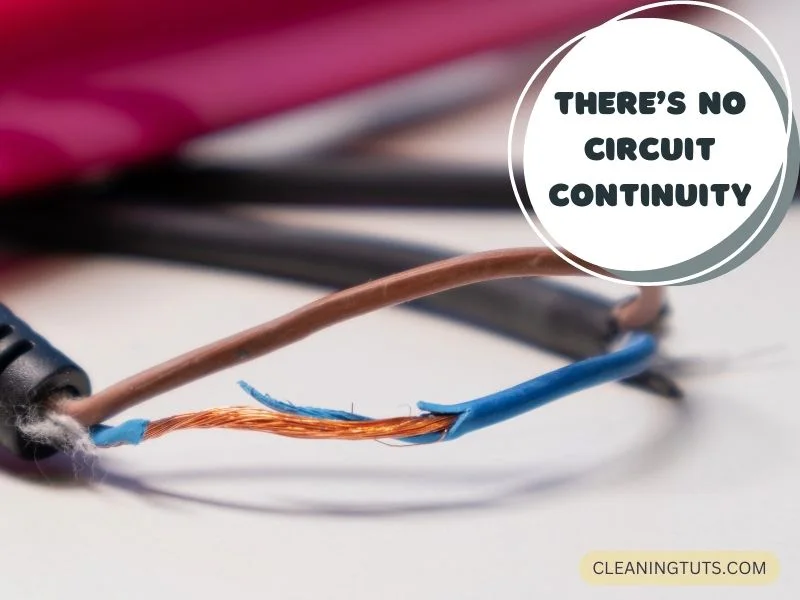
Circuit continuity failures rank among the most common causes of Eureka vacuum startup failures. Electricity cannot flow through the circuit path when wire connections loosen, break, or corrode.
Continuity issues develop from vibration loosening wire nuts, thermal expansion cracking solder joints, and debris interfering with switch contacts. These problems worsen over time and cause intermittent operation before complete failure.
A burning smell during operation indicates component overheating from excessive resistance in the circuit path. If your Eureka vacuum emits a burning odor, shut it down immediately and inspect for charred insulation or discolored wire connectors.
Circuit Continuity Diagnostic Steps:
- Set a multimeter to continuity mode (continuity beeper). Test each wire segment individually by placing probes on both ends of the wire. A functioning wire produces a beeping sound and reads 0.0–0.5 ohms.
- Inspect all wire connectors for corrosion (white or green powder) or looseness. Re-seat loose connectors by pushing firmly until the locking tab clicks. Replace corroded connectors and terminals.
- Check the wire harness connecting the handle to the base. This harness flexes every time you adjust the handle height. After 200+ cycles, internal wire strands break, causing intermittent continuity.
- Test the entire circuit path from the power cord inlet to the motor terminals. Any break in continuity prevents the motor from receiving the required 8–12 amps at 120V AC.
- Clean circuit path contacts with electronic contact cleaner spray. Debris and oxidation increase resistance above 0.5 ohms, generating heat that damages surrounding components.
Quick-Reference Troubleshooting Summary
Eureka Vacuum Not Turning On: Diagnostic Quick Reference
| Symptom | Likely Cause | Fix |
| No click, no power | Outlet/breaker issue | Test outlet, reset breaker |
| No click, no power | Power cord damage | Replace cord (18 AWG) |
| No click, no power | Transformer failure | Test: 24–48V AC output |
| Click but no motor | Thermal cut-off tripped | Cool 30–45 min, reset |
| Click, motor shuts off | Motor thermal failure | Replace motor assembly |
| Intermittent operation | Worn carbon brushes | Replace if <6mm long |
| No power to motor | Power switch failure | Test continuity, replace |
| Burning smell | Circuit resistance | Clean/replace wiring |
When to Contact Eureka Service
If the vacuum fails to start after completing all troubleshooting steps, the motor requires professional service or replacement. Eureka Customer Service operates at 1-800-282-2886, available Monday–Friday 8am–5pm CST, and Saturday 9am–3pm CST.
Before calling, have your model number (located on the rear base plate), purchase date, and a description of the troubleshooting steps attempted ready. Out-of-warranty motor replacement typically costs $80–$150 in parts plus $50–$100 labor.
For additional troubleshooting guidance, visit the Vacuum Troubleshooting Master Hub or browse related repair guides for Eureka vacuum overheat reset procedures.
References
- Eureka. (2023). Eureka NEU610 Owner’s Manual. Eureka Appliance Corporation.
- U.S. Environmental Protection Agency. Cleaning and Disinfection Guidance. EPA.
- American Society of Heating, Refrigerating and Air-Conditioning Engineers. (2022). Thermal Cut-Off Standards for Small Appliance Motors. ASHRAE.


