
How to Reverse Vacuum Cleaner Airflow and Use It as a Blower?

Vacuum cleaners produce suction airflow to collect dirt and debris, but you can reconfigure most units to work as blowers for tasks like clearing sawdust, inflating air mattresses, or drying wet surfaces. The reversal process involves disconnecting the intake hose and attaching it to the exhaust port, though the exact method varies by vacuum type.
Technically, a vacuum cleaner cannot reverse its internal motor airflow—the fan direction is fixed. However, you can create a blowing effect by redirecting the exhaust. This guide covers how to convert bag vacuums, canister vacuums, and shop vacs into functional blowers.
Key Point: Vacuum cleaners cannot reverse internal airflow. You create a blower by redirecting the exhaust hose from the intake port to the exhaust port.
How to Reverse Vacuum Cleaner Airflow: Step-by-Step Process
Converting your vacuum into a blower eliminates the need for separate tools, saving money and storage space. Average shop vacs produce airflow rates between 70 and 150 CFM (cubic feet per minute), making them effective for blowing debris from workshops, decks, and driveways.
Vacuum exhaust blowing air is normal operation—this airflow cools the motor and extends unit lifespan. This is not a malfunction and requires no repair.
Safety Precautions Before Reversing Airflow
Always disconnect the vacuum from power before performing any modifications. Review your owner’s manual for model-specific warnings or restrictions.
Vacuum Cleaner Types and Their Reversibility
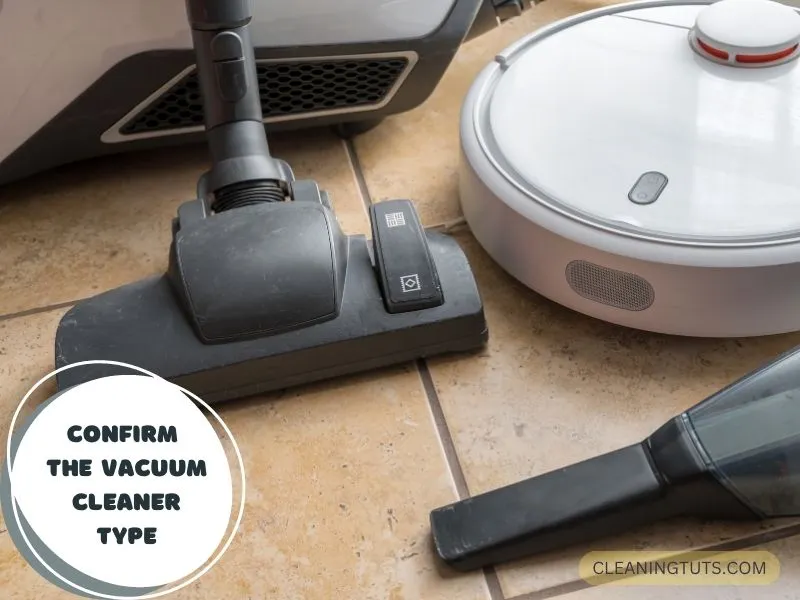
Vacuum cleaner types determine how easily you can convert them to blowers. Bag vacuums, canister vacuums, and shop vacs all allow hose redirection. Older unit-body vacuums may require makeshift adapter solutions.
Check your user manual or purchasing documentation to confirm your vacuum type before attempting conversion. Plastic canister vacuums and shop vacs are the easiest to convert, typically requiring only hose redirection.
Vacuum Type Comparison for Blower Conversion
| Vacuum Type | Difficulty | Conversion Method | Typical CFM Range |
|---|---|---|---|
| Shop Vac | Easy | Move hose from intake to exhaust port | 70–150 CFM |
| Canister (Plastic) | Easy | Disconnect intake hose, attach to exhaust | 50–100 CFM |
| Bag Vacuum | Moderate | Remove bag, seal intake, use exhaust | 60–120 CFM |
| Dyson (Various) | Moderate | Type-specific; see Dyson section below | Varies by model |
| Old Unit-Body | Difficult | May require custom adapter or makeshift blower | Varies |
Tools and Supplies Needed
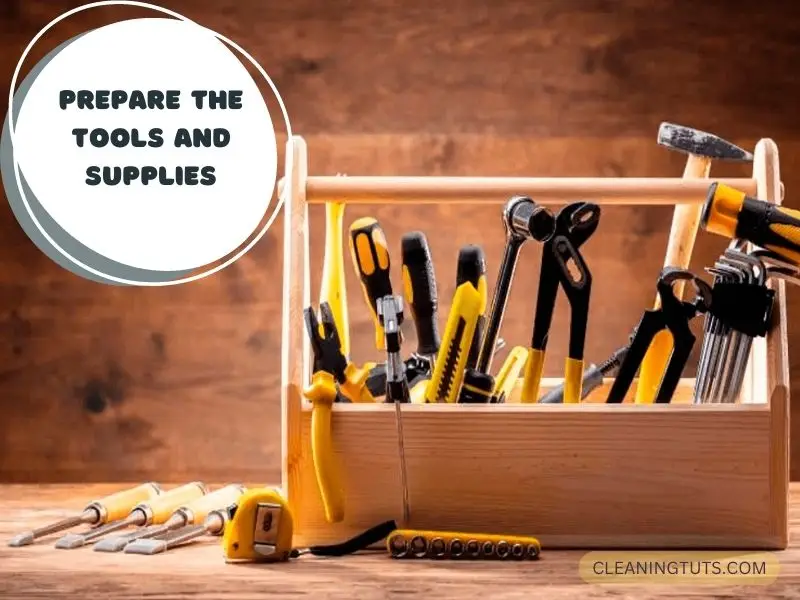
Gather these items before beginning the conversion process. Most are common household tools.
- A clean, level work surface
- Duct tape or hose clamps for secure connections
- Suitable screwdriver (Phillips or flathead based on your model)
Reversing Airflow: Methods by Vacuum Type
Bag Vacuum Cleaner: Step-by-Step Reversal
Unzip and disconnect the vacuum bag from the intake port. Set the bag aside or dispose of collected debris.
Turn the unit on and let it blow air through the hose to clear internal debris and dust buildup.
Shake the vacuum over a trash bin to dislodge remaining debris. Work over a drop cloth to catch fallen particles.
Seal the intake hole tightly using duct tape or a rubber plug, then attach the vacuum tube to the exhaust port.
Canister Vacuum Cleaner: Step-by-Step Reversal
Identify the two airflow sections: the base intake (sucking dirt) and the opposite-end exhaust that feeds the collection bin.
Detach the hose from the intake side (the dust-filtering end connected to the collection bin).
Take the vacuum outside and turn it on to blow out accumulated debris before using as a blower.
Run the vacuum for 2–3 minutes to clear internal debris, then use the hose as a blower for your target application.
Shop Vac: Step-by-Step Reversal
Latch, twist, and pull the clamp to disconnect the flexible hose from the shop vac intake port.
Locate the exhaust cap on the opposite end of the unit—this is where the blower attachment connects.
Insert the flexible hose into the exhaust port and secure with the clamp or duct tape. Your shop vac is now a blower.
Reversing Airflow on Dyson Vacuums
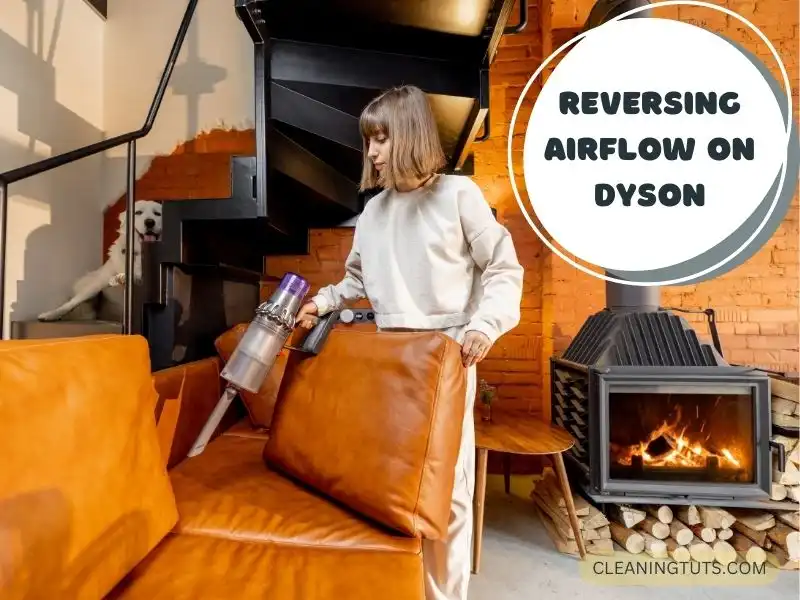
Dyson vacuums feature a “backward airflow mode” that projects air from the rear air valve—this does not reverse suction function. To create a true blowing effect on Dyson units, follow the type-specific instructions above based on your Dyson model’s design (upright, canister, or cordless).
Always consult your Dyson’s user manual before modification. Some Dyson models may void the warranty if the unit is altered from its original configuration. For more Dyson vacuum troubleshooting and maintenance guides, visit our Dyson Hub.
Common Blower Applications
Once converted, your vacuum-turned-blower handles numerous tasks around the home and workshop:
- Clearing sawdust, wood chips, and workshop debris
- Blowing leaves and grass clippings from driveways and walkways
- Inflating air mattresses, pool toys, and sports equipment
- Drying wet surfaces before sealing or painting
- Clearing clogs from dryer vents and HVAC intake grates
Troubleshooting and Limitations
Quick Reference: Blower Conversion Limitations
| Issue | Cause | Solution |
|---|---|---|
| Weak airflow | Clogged filter or hose | Clean or replace filter; clear hose obstructions |
| No blowing effect | Hose attached to intake, not exhaust | Move hose to exhaust port and secure tightly |
| Motor overheating | Extended use without breaks | Allow 5-10 minute cool-down intervals |
| Excessive noise | Normal operation; no issue | Use hearing protection for extended use |
Conclusion
Converting a vacuum cleaner into a blower saves money by eliminating the need for a separate blower tool. The process works by redirecting the exhaust airflow through the hose—shop vacs, canister vacuums, and bag vacuums all allow this modification with varying degrees of difficulty.
Always disconnect power before modification, check your user manual for model-specific warnings, and never attempt conversion if the manufacturer explicitly prohibits alteration. For more vacuum maintenance guides, visit our Vacuum Troubleshooting Master Hub.
Have additional vacuum cleaning questions? Browse our Cleaning Glossary or explore related articles on shop vac applications and shop vac air blowing capabilities.


