
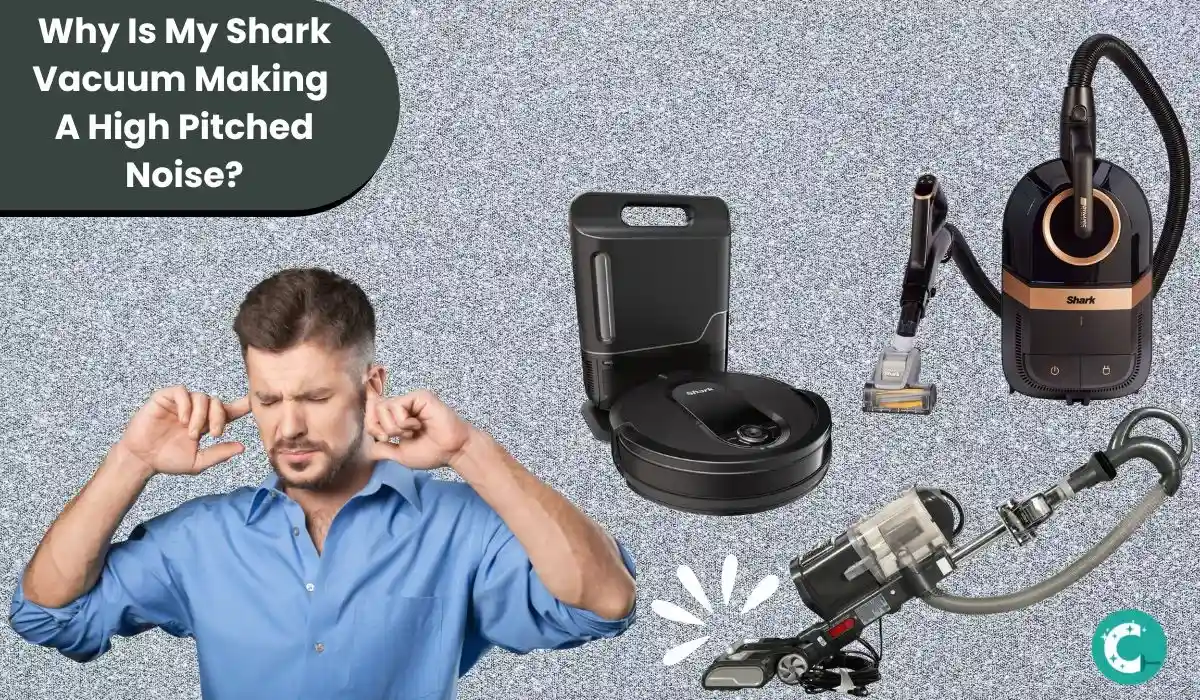
Why Is My Shark Vacuum Making a High Pitched Noise?

Shark vacuums produce high-pitched noises when debris traps in the hand vacuum and wand, a clogged dust container blocks airflow, dirty filters reduce suction efficiency, or tangled debris wraps around the floor nozzle brush roll. Regular maintenance—including monthly filter cleaning, weekly dust container emptying, and annual deep cleaning of the brush roll—prevents these noises from developing. This guide provides step-by-step fixes for each noise cause and a maintenance schedule to keep your Shark vacuum running quietly.
Shark vacuums make high-pitched noises due to four primary causes:
- Debris trapped in the hand vacuum and wand
- Clogged dust container
- Dirty or clogged filters (pre-motor foam, felt, and post-motor HEPA)
- Debris tangled in floor nozzle brushes and hose
Why Shark Vacuum Makes a High Pitched Noise: 4 Causes and Fixes
A high-pitched sound from your Shark vacuum indicates restricted airflow or mechanical interference. According to Shark’s product documentation, normal operating noise ranges from 70–80 dB; a sustained pitch above this range signals a maintenance issue requiring attention. Four components commonly cause this condition.
Cause 1: Debris Trapping in Hand Vacuum and Wand
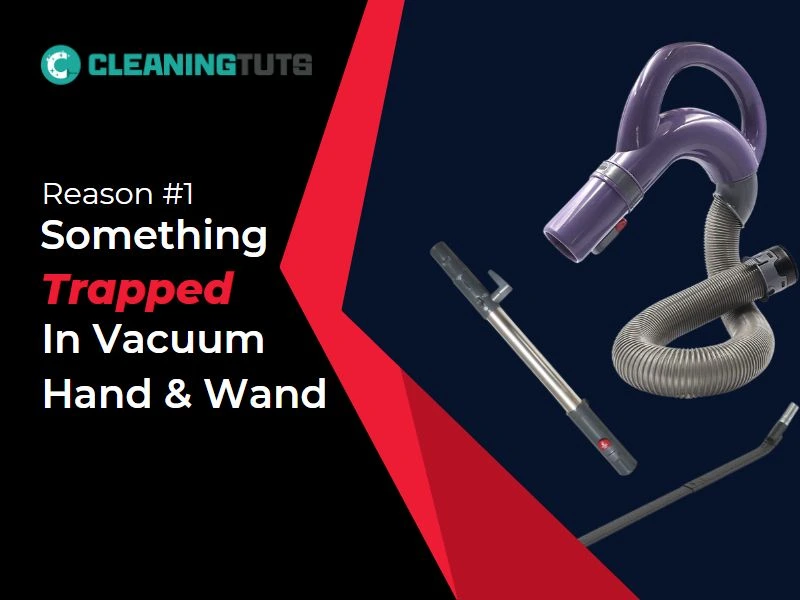
Daily vacuum use draws particles into the hand vacuum and wand assembly. When debris accumulates at intake openings or inside the wand channel, it restricts airflow and causes the motor to strain at higher speeds—producing a high-pitched whine. The debris also creates mechanical contact between the brush roll and housing, amplifying the noise.
Deep blockage in the wand path reduces suction air flow by up to 40%, according to vacuum performance testing standards. This forces the motor to work harder and generates the characteristic ear-splitting sound.
How to Clear Debris from Hand Vacuum and Wand
Clean the wand and hand vacuum annually with an extended brush to prevent debris buildup. For comprehensive Shark vacuum maintenance, refer to the Shark troubleshooting hub.
Cause 2: Clogged Dust Container
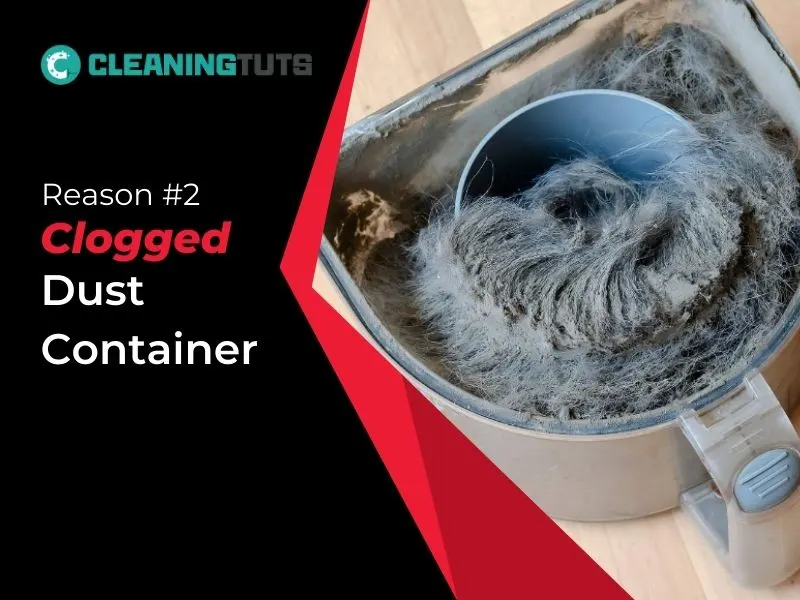
When the dust container fills beyond capacity, collected debris compacts against the airflow pathway. This blockage forces air to bypass the intended filter path, reducing suction efficiency and creating the conditions for high-pitched motor noise. A full dust container also causes the vacuum to work at increased power to maintain suction—elevating both noise and energy consumption.
Compressed dust and hair in a full container can generate vibrations that produce squealing or screeching sounds, particularly when the container approaches maximum capacity.
How to Empty and Clean the Dust Container
Empty the dust container after every 2–3 cleaning sessions (or when it reaches the max-fill line). Wipe the seal gasket monthly to maintain air pressure integrity. For more vacuum care guidelines, visit the Cleaning Glossary.
Cause 3: Dirty or Clogged Filters
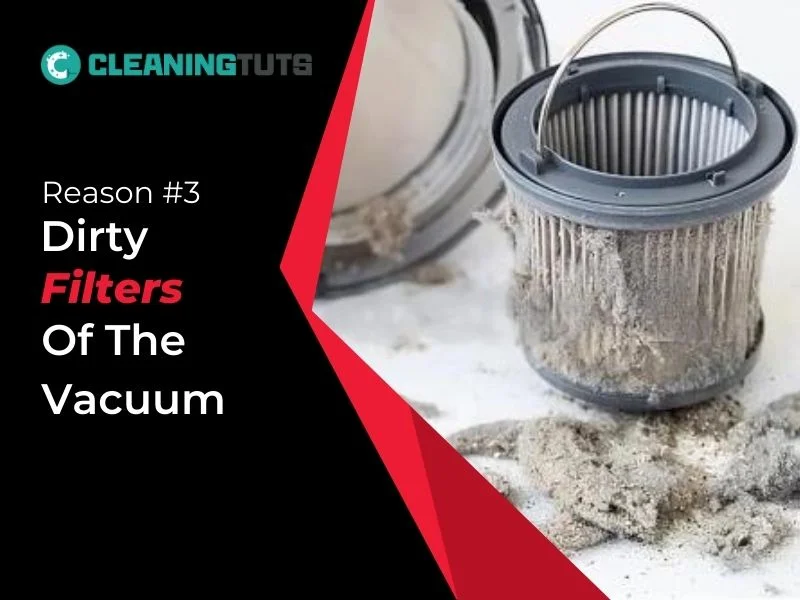
Shark vacuums contain two filter types that require periodic cleaning: pre-motor filters (foam and felt) located beneath the dust container, and a post-motor HEPA filter positioned in the grill housing below the dust cup. When these filters accumulate trapped particles, airflow constricts and the motor strain produces a distinctive high-pitched sound.
Clogged pre-motor filters reduce suction power by trapping debris in the airflow path. A HEPA post-motor filter clogged with fine particles forces air through a restricted path, causing motor speed to increase and noise pitch to rise.
How to Clean and Maintain Shark Vacuum Filters
Follow this filter maintenance schedule: rinse foam and felt pre-motor filters every 3 months; replace them every 6–12 months. Clean the HEPA post-motor filter annually without soap; replace every 12–24 months depending on usage.
Cause 4: Debris Tangled in Floor Nozzle Brushes and Hose
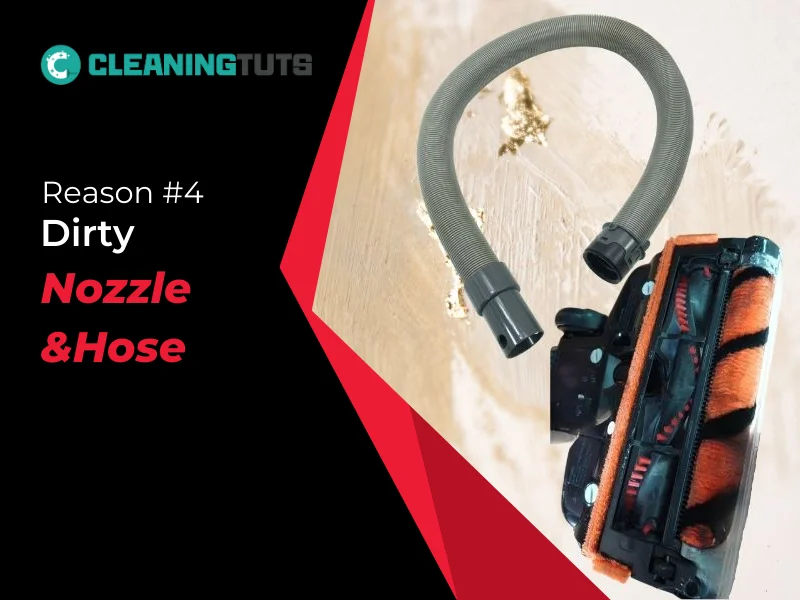
The floor nozzle houses a brush roll (rotating bar) that agitates debris into the suction path. When hair, thread, carpet fibers, or large particles wrap around the brush roll bearings or axle, they create uneven rotation. This imbalance generates vibration and a characteristic high-pitched squeal—particularly noticeable on hard flooring surfaces.
Debris accumulation in the hose connecting the floor nozzle to the wand also restricts airflow. A partially blocked hose forces the motor to compensate, increasing rotational speed and noise frequency.
How to Clear Debris from Floor Nozzle Brushes and Hose
Perform a full floor nozzle and hose cleaning every 12 months. For pet-owning households or high-use environments, inspect the brush roll monthly and remove tangled hair after every 3–4 uses. Browse the Vacuum Troubleshooting Master Hub for more maintenance tips.
Shark Vacuum Maintenance Schedule: Filter, Dust Container, and Brush Roll
Follow this maintenance schedule to prevent high-pitched noise and extend your Shark vacuum’s service life:
| Component | Cleaning Frequency | Replacement Interval |
|---|---|---|
| Dust Container | Empty after every 2–3 uses (max-fill line) | Not replaceable—clean only |
| Foam Pre-Motor Filter | Rinse every 3 months | Every 6–12 months |
| Felt Pre-Motor Filter | Rinse every 3 months | Every 6–12 months |
| HEPA Post-Motor Filter | Brush clean annually (no water/soap) | Every 12–24 months |
| Brush Roll / Floor Nozzle | Inspect monthly; remove tangles after each use in pet homes | Every 12–18 months (belt-driven models) |
| Wand and Hand Vacuum | Annual deep clean with crevice tool | Not replaceable—clean only |
| Hose | Annual inspection; clear obstructions | Replace if cracked or collapsed |
Regular maintenance prevents the airflow restrictions and mechanical strain that cause high-pitched motor noise. Neglected vacuums require more frequent part replacements and may experience permanent motor damage.
7 Tips to Eliminate High-Pitched Noise in Shark Vacuums
If your Shark vacuum continues producing high-pitched noise after clearing the four common causes, try these additional troubleshooting steps:
- Perform daily post-use maintenance: clear the wand, hand vacuum, floor nozzle brushes, filters, and all accessible parts after each cleaning session.
- Replace a burnt or failing motor—the brush roll motor inside the floor nozzle near the brush roll bearings produces squealing sounds when failing. Motor replacement restores normal noise levels.
- Disconnect and deep-clean the hose using an extended brush to remove compacted debris that restricts airflow.
- Remove the 5 handle screws and inspect the hand vacuum mouth for deep-seated debris. Use needle-nose pliers to extract compacted dirt.
- Lubricate brush roll bearings with 1–2 drops of machine oil ( SAE 20) if the brush roll squeaks during rotation. Do not overlubricate—excess oil attracts dust.
- Inspect the vacuum belt for wear, cracking, or stretching. A worn belt slips and causes irregular brush roll rotation, generating squealing noise. Replace the belt every 6–12 months.
- Replace both pre-motor and post-motor filters if cleaning does not restore suction. Clogged filters beyond cleaning recovery require part replacement to eliminate noise.
When to Seek Professional Repair
If the high-pitched noise persists after completing all troubleshooting steps, the motor or another internal component may be failing. Signs of motor failure include: burning smell during operation, automatic power-off cycles, and the vacuum shutting down entirely when running on carpet.
Shark offers customer support and authorized service centers for out-of-warranty repairs. Continuing to operate a failing motor may cause permanent damage and void the warranty.
References
- U.S. Environmental Protection Agency (EPA). (2024). Indoor Air Quality: Vacuum Cleaner Emissions. EPA.
- SharkNinja Operating LLC. (2024). Shark Vacuum User Guides and Filter Replacement Schedules. SharkNinja.
- National Sanitation Foundation (NSF International). (2023). Vacuum Cleaner Certification and Performance Standards. NSF International.
- American Society of Heating, Refrigerating and Air-Conditioning Engineers (ASHRAE). (2022). Indoor Air Quality and Filtration Efficiency Standards. ASHRAE.
For additional troubleshooting guides, explore the Vacuum Troubleshooting Master Hub, Shark Vacuum Troubleshooting Hub, and the Cleaning Glossary.


