
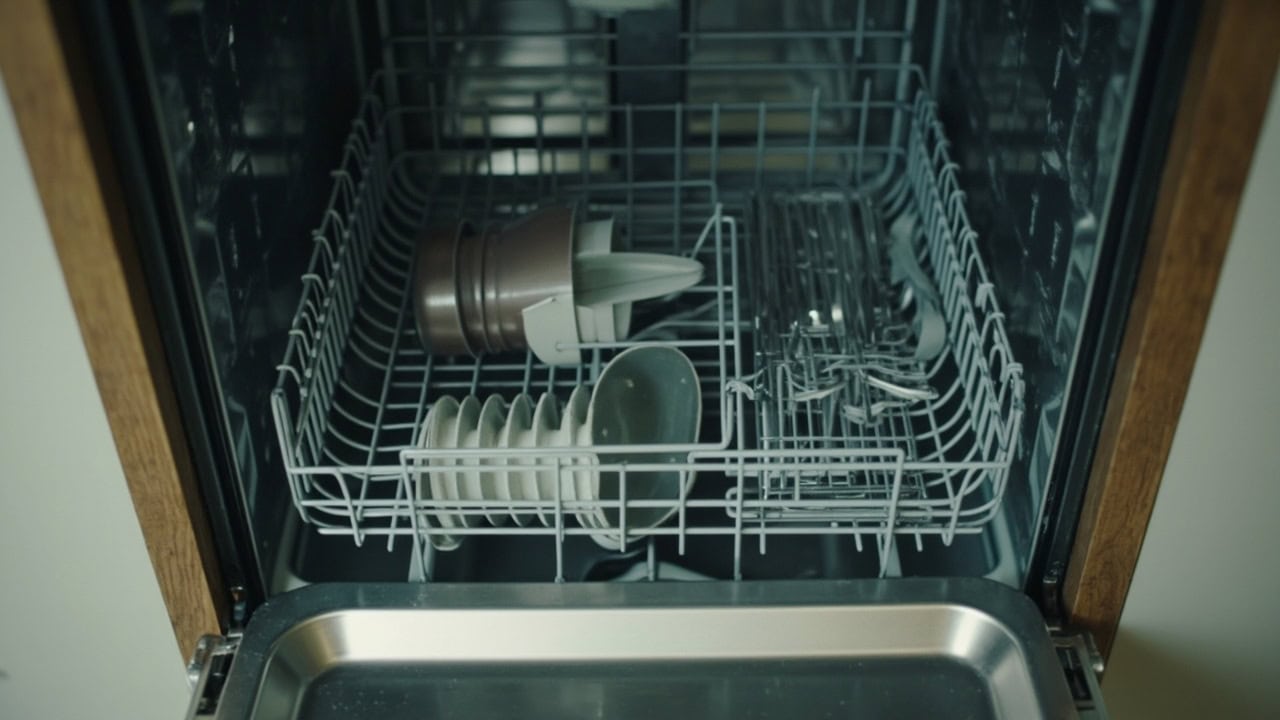
How to Clean a Dishwasher: Complete Guide

How to Clean a Dishwasher: Complete Step-by-Step Guide
A dishwasher must be deep cleaned monthly using white vinegar and baking soda to remove accumulated grease, limescale deposits, and biofilm that reduce cleaning effectiveness and cause odors. The process involves cleaning the filter, running an empty cycle with vinegar to dissolve grease at pH 2.5, followed by a baking soda cycle to eliminate residue and neutralize odors at pH 8.3. Regular maintenance extends appliance lifespan and ensures spotless dishes with every wash.
Dishwashers clean your dishes, but over time food particles, soap scum, grease, and mineral deposits accumulate inside the tub, filter, and spray arms. According to Whirlpool, a leading dishwasher manufacturer, monthly deep cleaning prevents these contaminants from redepositing onto your dishes and keeps the appliance running at peak efficiency. This guide covers every step of the process — from the supplies you need to common mistakes that reduce cleaning effectiveness.
What You Need Before You Start
Gather these supplies before beginning. The entire deep-cleaning process takes approximately 60 minutes, though most of that time is passive while the dishwasher runs its cycles.
- White distilled vinegar — 2 cups for the vinegar cleaning cycle. Vinegar contains 5% acetic acid, which dissolves grease and mineral deposits.
- Baking soda — 1 cup for the odor-neutralizing cycle. Baking soda acts as a mild abrasive and deodorizer.
- Soft-bristle toothbrush or small dish brush — for scrubbing the filter and spray arm holes without causing damage.
- Microfiber cloths — for wiping door seals, gaskets, and the exterior without leaving lint behind.
- Warm water — for rinsing the filter and pre-cleaning removable parts.
- Wooden toothpicks — for clearing clogged spray arm holes.
- Dishwasher-safe measuring cup — to hold the vinegar during the cleaning cycle.
Do not use bleach products on stainless steel interiors — bleach causes pitting, discoloration, and damages rubber seals. Avoid abrasive scouring pads that create micro-scratches in the tub lining, which trap residue and accelerate future buildup.
Step-by-Step Dishwasher Cleaning Process
Follow these seven steps in order. The vinegar and baking soda cycles must run separately — combining them in the same cycle neutralizes both agents and eliminates their cleaning effectiveness.
- Empty the Dishwasher Completely. Remove all dishes, cutlery, and removable racks. Pull out the bottom rack to expose the filter area at the base of the tub. Inspect the tub floor for any large food debris and remove it by hand.
- Clean the Filter. Locate the cylindrical mesh filter near the bottom center of the dishwasher — it typically twists counterclockwise to release. Remove the filter and rinse it under hot running water. Scrub the mesh screen with a soft-bristle toothbrush to dislodge trapped food particles and grease film. For stubborn residue, soak the filter in warm soapy water for 10 minutes before scrubbing. Reinstall the filter by twisting it clockwise until it locks into position. Bob Vila recommends cleaning the filter every two to four weeks with regular use to prevent drainage problems and odor.
- Run the Vinegar Cycle — Cut Through Grease and Odors. Pour 2 cups of white distilled vinegar into a dishwasher-safe measuring cup and place it upright on the bottom rack. Do not pour vinegar directly into the tub — the measuring cup ensures the vinegar releases gradually during the wash cycle. Close the door and run the hottest, longest cycle available (Normal or Heavy Wash) with the heat-dry option turned off. Vinegar’s 5% acetic acid concentration dissolves grease bonds, breaks down calcium carbonate limescale deposits, and kills odor-causing bacteria by disrupting their cell membranes at low pH.
- Run the Baking Soda Cycle — Remove Stains and Freshen. After the vinegar cycle completes, sprinkle 1 cup of baking soda evenly across the bottom of the dishwasher interior. Run a short hot-water cycle (Light or Quick Wash). Baking soda’s mild alkalinity (pH 8.3) neutralizes residual acidic compounds, lifts light stains from the tub lining, and absorbs trapped odors. The result is a fresh-smelling, residue-free interior.
- Clean the Spray Arms. Remove the upper and lower spray arms by twisting off the center retaining nut or releasing the snap-fit clips (design varies by manufacturer). Inspect every spray hole for food particles or mineral clogs. Insert a wooden toothpick into each blocked hole to clear the obstruction — avoid using metal pins that can widen the holes and alter spray patterns. Rinse the arms thoroughly under running water to flush out any remaining debris. Reattach the spray arms and tighten the retaining hardware.
- Wipe Door Seals and Edges. The rubber door gasket and the interior edges of the door are prime locations for bacteria and mold growth because moisture and food debris collect in these crevices. Wipe the entire gasket circumference with a damp microfiber cloth, applying moderate pressure to dislodge trapped grime. Clean the bottom edge of the door interior — an area many people overlook — where grease and food particles accumulate with every cycle. Dry the gasket with a clean microfiber cloth.
- Clean the Exterior Handles and Control Panel. Wipe the stainless steel exterior with a dedicated stainless steel cleaner or a damp microfiber cloth. Wipe in the direction of the grain to avoid streaking. Keep moisture away from the electronic control panel — spray cleaner onto the cloth, never directly onto the surface. Buff the exterior with a dry microfiber cloth to restore shine and remove water spots.
Dishwasher-Specific Considerations
Certain cleaning practices can permanently damage your dishwasher. Understanding these constraints prevents costly repairs and extends the appliance’s service life.
- Avoid bleach on stainless steel interiors. Bleach causes pitting, discoloration, and rubber seal degradation on stainless steel tubs. If your dishwasher has a plastic interior and you need to address mold, use a commercial dishwasher cleaner formulated for that purpose instead.
- Never use abrasive scouring pads. Steel wool and abrasive sponges create micro-scratches in the tub lining that trap food particles and accelerate residue buildup.
- Run hot water before starting the cycle. Turn on the kitchen faucet and let the water run until it reaches full temperature (approximately 120°F / 49°C) before starting the dishwasher. This ensures the first fill uses hot water rather than the cold water sitting in the supply line, which improves soil removal and detergent activation.
- Leave the door slightly open between uses. Allowing air circulation prevents moisture buildup inside the tub, which inhibits mold and mildew growth on the gasket and interior walls.
- Check the drain for food particles after each load. The drain area at the bottom of the tub can collect food debris that bypasses the filter. Remove visible particles to prevent clogs and odors between deep cleans.
For more appliance cleaning guidance, see our Kitchen Cleaning Hub: Section 2 — Appliance Cleaning. If your dishwasher drain shares a connection with your garbage disposal, a clogged disposal can cause dishwasher drainage problems — learn how to address this in our guide on how to clean a garbage disposal.
Drying and Finishing Your Dishwasher
After completing the cleaning cycles and manual wiping steps, proper drying prevents new moisture-related problems from developing before your next use.
- Leave the dishwasher door fully open for at least 30 minutes after the final cleaning cycle to allow complete air drying of the interior.
- Wipe any remaining moisture from the interior edges and rubber gasket with a dry microfiber cloth.
- Check the bottom basin for standing water. If water remains, the drain may be partially clogged — inspect the drain area and remove any obstructions.
- Close the door fully only after the interior is completely dry to prevent trapping moisture.
- Run a test load within 24 hours to verify proper drainage and cleaning performance after the deep clean.
Common Mistakes When Cleaning a Dishwasher
Even with the right supplies, incorrect technique can reduce cleaning effectiveness or damage the appliance. Avoid these frequently reported mistakes.
- Using too much vinegar. Exceeding the recommended 2 cups per cycle can degrade rubber seals and gaskets over time due to prolonged acid exposure. Stick to the measured amount.
- Skipping the filter cleaning. A clogged filter is the single most common cause of poor drainage, lingering odors, and food redeposition on dishes. The filter should be cleaned every two to four weeks.
- Running cleaning cycles with dishes inside. The vinegar and baking soda cycles are designed to clean the appliance itself, not your dishes. Dishes present during these cycles can block water flow and reduce contact between the cleaning agents and the tub surfaces.
- Forgetting to clear spray arm holes. Clogged spray arms produce uneven water distribution, resulting in poorly cleaned dishes even after a deep clean. Check and clear all holes every month.
- Using dish soap in the vinegar cycle. Liquid dish soap produces excessive suds inside the dishwasher, which can overflow and damage the pump. Use only vinegar, baking soda, or commercial dishwasher cleaners.
- Ignoring the door gasket. The rubber gasket is a primary breeding ground for bacteria and mold because it traps moisture and food debris in its crevices. Clean it every month during your deep clean.
How to Prevent Future Buildup
Preventive maintenance between monthly deep cleans keeps your dishwasher running efficiently and reduces the severity of residue accumulation.
- Run hot water before starting every cycle. Let the kitchen faucet run until the water is hot (approximately 120°F / 49°C) before pressing Start. This ensures the dishwasher fills with hot water from the first second, which activates detergent enzymes more effectively and dissolves grease on contact.
- Use a dishwasher cleaner monthly. Between deep cleans with vinegar and baking soda, a commercial dishwasher cleaner can help maintain the tub, spray arms, and internal plumbing. Choose a product specifically designed for your interior type (stainless steel or plastic).
- Scrape dishes before loading. Remove large food particles from plates before placing them in the dishwasher. Avoid pre-rinsing — modern dishwasher detergents rely on food soil to activate their enzymes, and pre-rinsing wastes an estimated 6,000 gallons of water per year according to the EPA.
- Load dishes correctly. Arrange dishes so that water can reach all surfaces. Avoid nesting bowls or stacking plates too closely, which creates pockets where water pools and debris accumulates.
- Clean the filter every 2–4 weeks. With regular daily use, the filter collects food particles continuously. A quick rinse and scrub every two weeks prevents the majority of drainage and odor problems.
Hard water accelerates limescale buildup inside your dishwasher. If you live in an area with hard water, the mineral deposits can reduce spray arm effectiveness and leave spots on glassware. For detailed guidance on addressing mineral accumulation, see our article on how to remove hard water deposits from appliances. The same vinegar-based cleaning chemistry discussed here applies broadly to other kitchen and bathroom fixtures — our Bathroom Cleaning Hub covers related techniques for tile, grout, and fixture surfaces that share similar mineral deposit challenges.
Frequently Asked Questions
Q: How often should you clean a dishwasher?
A: Deep clean your dishwasher once monthly with vinegar and baking soda to prevent limescale, grease buildup, and odor. Weekly quick checks of the filter and spray arms maintain performance between deep cleans.
Q: Can you put vinegar and baking soda in a dishwasher at the same time?
A: No, run separate cleaning cycles — vinegar first, then baking soda. Combining them creates a neutralization reaction that reduces their cleaning effectiveness and produces water and sodium acetate instead of the desired cleaning action.
Q: Why does my dishwasher still smell after cleaning?
A: Residual odor indicates biofilm accumulation on the filter, drain area, or door gasket. Disassemble and scrub these areas with a soft brush, focusing on rubber gaskets where bacteria harbor in moisture-trapping crevices.
Q: Is it safe to use bleach in a dishwasher?
A: Never use bleach in a dishwasher with a stainless steel interior — it causes pitting, discoloration, and damages rubber seals. For severe mold, use white vinegar or commercial dishwasher cleaner specifically designed for your interior type.
References
- Whirlpool Corporation. (2025). How to Clean a Dishwasher. Whirlpool.
- Vila, B. (2025). How to Clean a Dishwasher. Bob Vila.
- U.S. Environmental Protection Agency. (2024). WaterSense: Statistics and Facts. EPA.gov.


