
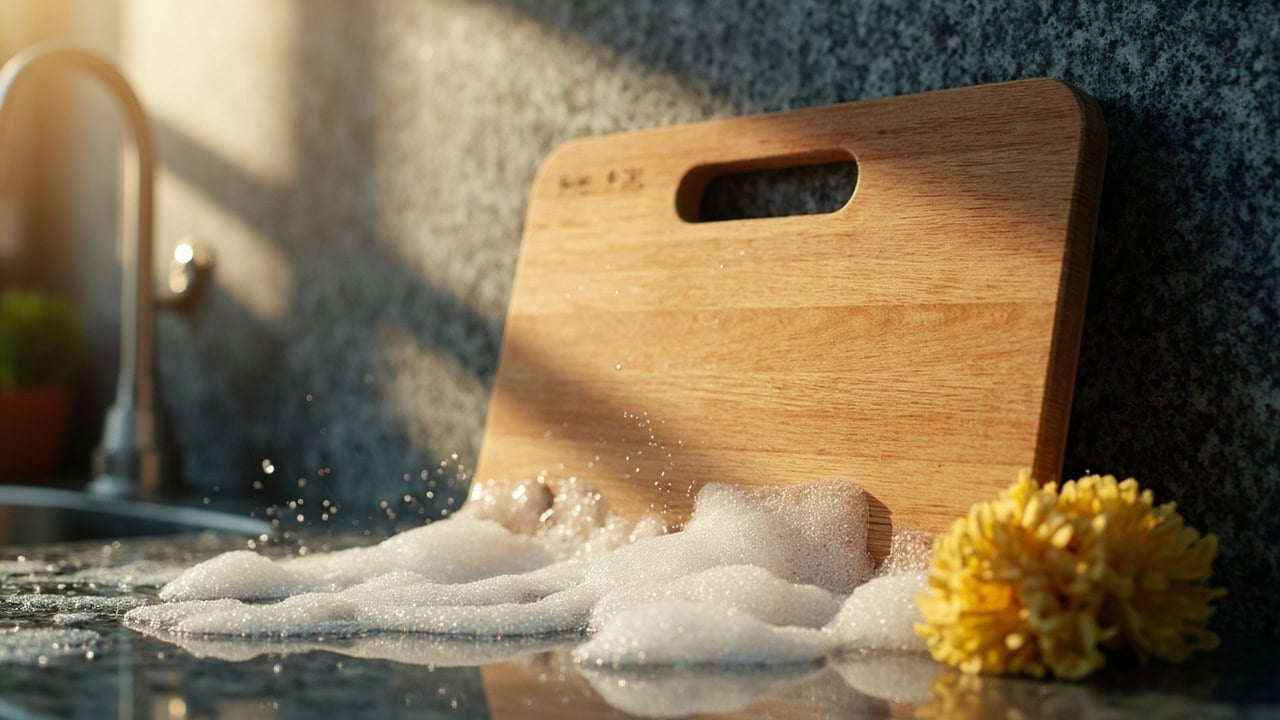
How to Clean Cutting Boards: Complete Guide

Cutting boards must be cleaned immediately after each use with hot soapy water at a minimum temperature of 140°F (60°C) to remove food particles and oils, followed by sanitization with a solution of 1 tablespoon of unscented liquid chlorine bleach per gallon of water or undiluted white vinegar at 5% acidity to kill bacteria — boards should then be air dried in an upright position to prevent moisture accumulation in wood fibers. The USDA Food Safety and Inspection Service recommends washing all cutting boards with hot, soapy water after every use, rinsing with clear water, and either air drying or patting dry with clean paper towels. Proper cleaning and sanitization of cutting boards is one of the most effective ways to prevent cross-contamination in the kitchen and reduce the risk of foodborne illness.
What You Need Before You Start
Gathering the right supplies before you begin ensures thorough cleaning and proper sanitization. Different cutting board materials and food types require specific cleaning agents — using the wrong product can damage the board surface or leave harmful residues behind.
- Hot water at minimum 140°F (60°C) for effective grease emulsification and bacteria loosening from board surfaces
- Dish soap with a surfactant-based formulation for breaking down oils and lifting food residue from board grain
- White distilled vinegar (5% acidity) for natural sanitization of boards used with produce and low-risk foods
- Bleach solution (1 tablespoon unscented liquid chlorine bleach per gallon of water) for sanitizing boards that contacted raw meat, poultry, or fish per USDA FSIS guidelines
- Clean microfiber cloth or paper towels for pat drying after washing
- Lemon and kosher salt (optional) for natural deodorizing of persistent odors trapped in wood fibers
- Soft-bristled brush for dislodging food particles from knife grooves and board surface crevices
Step-by-Step Cleaning Process
Each step below addresses a specific layer of contamination — from visible food debris to microscopic bacteria. Skipping any step, particularly sanitization after processing raw proteins, leaves harmful pathogens like Salmonella, E. coli, and Campylobacter on the board surface. The CDC estimates that foodborne illnesses affect roughly 48 million Americans each year, and improper cutting board hygiene is a leading contributor.
- Remove surface debris — Scrape off all food particles using a bench scraper or the dull edge of a knife. Work in the direction of the grain on wood boards to avoid driving residue deeper into the pores. This step prevents food chunks from smearing across the surface during washing, which would spread contamination rather than remove it.
- Wash with hot soapy water — Apply dish soap directly to the board surface and scrub thoroughly with a sponge or soft-bristled brush. Rinse under running water at 140°F (60°C) minimum. The combination of surfactant action and heat breaks down lipid films left by meats and oils, lifting them from the surface. For wood boards, scrub with the grain; for plastic boards, pay extra attention to scored knife grooves where bacteria concentrate.
- Sanitize the surface — For boards used with raw meat, fish, or poultry: flood the surface with a 1 tablespoon-per-gallon bleach-water solution, let stand for several minutes, then rinse thoroughly with clean water. For boards used with produce, bread, or cheese: spray or wipe with undiluted white vinegar at 5% acidity, allow 5 minutes of contact time, then rinse or air dry. The USDA FSIS specifies this bleach ratio as the standard for home kitchen sanitization of food contact surfaces.
- Deodorize if needed — Sprinkle coarse kosher salt over the board surface and rub with half a lemon, squeezing gently to release juice. Let the paste sit for 5 minutes, then rinse and dry. The citric acid in lemon juice (pH approximately 2.0) combined with the abrasive action of salt lifts odor-causing compounds from deep within wood grain. This treatment is particularly effective for garlic, onion, and fish odors.
- Dry completely — Stand the board upright on its edge in a well-ventilated area. Allow air circulation on both sides for a minimum of 30 minutes before storing. Proper drying is critical: the USDA FSIS recommends air drying or patting dry with clean paper towels. Moisture trapped in wood fibers or plastic grooves creates ideal conditions for bacterial regrowth, even after proper sanitization.
Cutting Board-Specific Considerations
Wood vs. Plastic Boards
The debate between wood and plastic cutting boards centers on bacterial retention and cleanability. Research conducted at the University of California, Davis by Dean Cliver and colleagues found that wooden cutting boards actually absorbed bacteria into the wood grain, where the bacteria subsequently died off — while bacteria on plastic boards persisted on the surface and multiplied in knife-scored grooves. Despite being non-porous when new, plastic boards develop deep scratches from knife contact that become bacterial reservoirs nearly impossible to clean thoroughly.
Wood boards are porous but exhibit natural antimicrobial properties when dried properly. The capillary action of wood grain draws bacteria below the surface, where they die during the drying process. However, wood boards must never be submerged in water or placed in a dishwasher — prolonged moisture exposure causes warping, cracking, and glue joint separation. Plastic boards, by contrast, can withstand dishwasher temperatures on the top rack, making machine sanitization practical. Replace any plastic board once deep grooves develop, or every 2–3 years with heavy daily use.
Board Material Compatibility
Not all cleaning methods and sanitizers are safe for every cutting board material. The table below maps compatible cleaning agents and maintenance requirements for the most common board types found in home kitchens.
| Material | Soap & Water | Vinegar | Bleach (Diluted) | Dishwasher | Oil Treatment |
|---|---|---|---|---|---|
| Wood (maple) | ✓ | ✓ | ✓ (1 tbsp/gal) | ✗ | Food-grade mineral oil monthly |
| Wood (cherry) | ✓ | ✓ | ✓ (1 tbsp/gal) | ✗ | Food-grade mineral oil monthly |
| Plastic/Polyethylene | ✓ | ✓ | ✓ (1 tbsp/gal) | ✓ (top rack) | Not needed |
| Bamboo | ✓ | ✓ | ✓ (1 tbsp/gal) | ✗ | Food-grade oil quarterly |
| Marble/Glass | ✓ | ✓ | ✓ (1 tbsp/gal) | ✗ | Not needed |
Food Safety Risk Levels
The level of sanitization required depends directly on what foods contacted the board. The USDA FSIS recommends using separate cutting boards for raw meats and fresh produce to prevent cross-contamination — one of the four core principles in the CDC’s Clean, Separate, Cook, Chill food safety framework.
- High risk (requires bleach sanitization): raw poultry, raw fish, raw beef, and eggs — these foods commonly carry Salmonella, E. coli O157:H7, and Campylobacter jejuni
- Medium risk (vinegar sanitization sufficient): fresh fruits, vegetables, bread, and cheese — these may carry surface contaminants but pose lower pathogen risk
- Low risk (soap and hot water adequate): dry goods, coffee beans, and nuts — minimal moisture content means bacterial survival on surfaces is negligible
Drying and Finishing Cutting Boards
Proper drying and periodic conditioning extend cutting board lifespan and maintain food safety. Never stack wet boards together — this blocks air circulation on the contact surfaces and promotes bacterial growth in the damp, warm environment between boards. Store boards upright in a dry area with good ventilation, allowing air to reach both sides freely.
Wood boards require monthly treatment with food-grade mineral oil to maintain moisture resistance and prevent cracking. Apply a generous coat of mineral oil to all surfaces — top, bottom, and edges — and allow it to absorb for at least 30 minutes before wiping off excess. New boards benefit from 3 to 4 initial oil applications in the first month to build up a protective barrier within the wood fibers. For additional surface protection, apply a board cream or food-grade beeswax polish after the mineral oil has fully absorbed. These seal the surface and create a hydrophobic layer that repels water and food liquids.
Replace cutting boards that develop persistent odors resistant to lemon-salt treatment, deep cracks that cannot be sanded smooth, or heavy knife scoring that creates trenches too deep for effective cleaning. The USDA FSIS advises replacing boards once they become excessively worn or develop hard-to-clean grooves, as these surfaces harbor bacteria that survive standard washing and sanitization. For more on maintaining wooden kitchen tools, see our wooden spoon care guide.
Common Mistakes When Cleaning Cutting Boards
1. Using Harsh Scrubbers on Wood
Steel wool and abrasive scouring pads damage wood grain by tearing wood fibers, creating rough patches and micro-cracks that become bacterial hiding spots. Use a soft-bristled brush or non-abrasive sponge instead. If a wood board surface becomes deeply scored over time, sand it smooth with progressively finer grits of sandpaper (start at 120 grit, finish at 220 grit), then re-oil with food-grade mineral oil.
2. Putting Wood Boards in the Dishwasher
The combination of prolonged water immersion, high heat (dishwasher cycles reach 130–170°F / 54–77°C), and aggressive detergents causes wood boards to warp, crack, and delaminate at glue joints. End-grain and edge-grain boards are equally susceptible. Only nonporous acrylic, plastic, glass, and solid wood boards rated as dishwasher-safe should ever go in a machine — and even then, only on the top rack. Laminated wood boards will crack and separate in the dishwasher.
3. Skipping the Sanitization Step
Soap and hot water physically remove visible food debris and reduce bacterial counts through mechanical action, but they do not reliably kill all pathogens on the board surface. The dwell time for soap contact is too short and the concentration too low for disinfection. Without a dedicated sanitization step — either bleach solution for high-risk foods or vinegar for general use — bacteria survive and multiply between uses, especially in knife grooves and wood grain.
4. Storing Boards Before Fully Dry
Trapped moisture inside wood fibers or between stacked boards creates the warm, damp conditions bacteria need to proliferate. A board that feels dry on the surface may still hold significant moisture within its interior structure. Standing boards upright with both sides exposed to air for at least 30 minutes ensures thorough drying before storage. This is especially important after sanitization, since the rinse step leaves water residue that must evaporate completely.
5. Using Cooking Oil to Condition Boards
Olive oil, vegetable oil, and other cooking oils go rancid over time when trapped in wood pores. Rancid oil produces unpleasant odors and can harbor mold growth that transfers a stale taste to food prepared on the board. Only food-grade mineral oil — which is inert, odorless, and never goes rancid — should be used for cutting board conditioning. Food-grade beeswax and commercially available board creams made from mineral oil and wax blends are also safe alternatives.
Frequently Asked Questions
Q: Can you put cutting boards in the dishwasher?
A: Only plastic cutting boards rated as dishwasher-safe should go in the dishwasher — wood boards will warp, crack, and degrade when exposed to prolonged heat and moisture; the dishwasher’s drying cycle is particularly damaging to wood grain integrity. Nonporous acrylic, plastic, glass, and solid wood boards labeled dishwasher-safe can be washed on the top rack, but laminated wood boards should never go in the dishwasher as the heat causes glue joints to fail.
Q: How do you sanitize a cutting board without bleach?
A: White distilled vinegar at full strength (5% acidity) is an effective natural sanitizer — spray or wipe it onto the surface, allow 5 minutes of contact time, then rinse or air dry. For general kitchen use with produce and low-risk foods, vinegar provides adequate sanitization. However, for boards that contacted raw poultry, meat, or fish, a bleach solution (1 tablespoon unscented liquid chlorine bleach per gallon of water) remains the USDA-recommended standard for reliable pathogen destruction.
Q: How often should you oil a wooden cutting board?
A: Wood cutting boards require monthly oil treatment with food-grade mineral oil to maintain moisture resistance and prevent cracking. New boards should receive 3 to 4 applications in the first month to saturate the wood fibers, then transition to monthly maintenance. Boards used heavily or washed frequently may need oiling every 2 to 3 weeks. Always apply oil to all surfaces — top, bottom, and edges — and allow at least 30 minutes for absorption before wiping off excess.
Q: Why do cutting boards smell bad after cleaning?
A: Persistent odors indicate bacteria deep in wood fibers or trapped in knife grooves that survived the standard wash cycle. To eliminate odor, scrub the board with a paste of baking soda and water, rinse thoroughly, sanitize with full-strength white vinegar or a diluted bleach solution, and allow it to dry completely in direct sunlight if possible — UV exposure provides additional antibacterial action. For deeply embedded odors, the kosher salt and lemon treatment described in Step 4 above effectively neutralizes odor-causing compounds in wood grain.
References
- USDA Food Safety and Inspection Service. (2023). Cutting Boards and Food Safety. United States Department of Agriculture.
- Centers for Disease Control and Prevention. (2024). Food Safety: Four Steps to Food Safety: Clean, Separate, Cook, Chill. CDC.
- Cliver, D. O., & Ak, N. (1993). Cutting Boards of Plastic and Wood Contaminated Experimentally with Bacteria. Journal of Food Protection, 56(6), 440–442.
- USDA Food Safety and Inspection Service. (2023). Cleanliness Helps Prevent Foodborne Illness. United States Department of Agriculture.


