
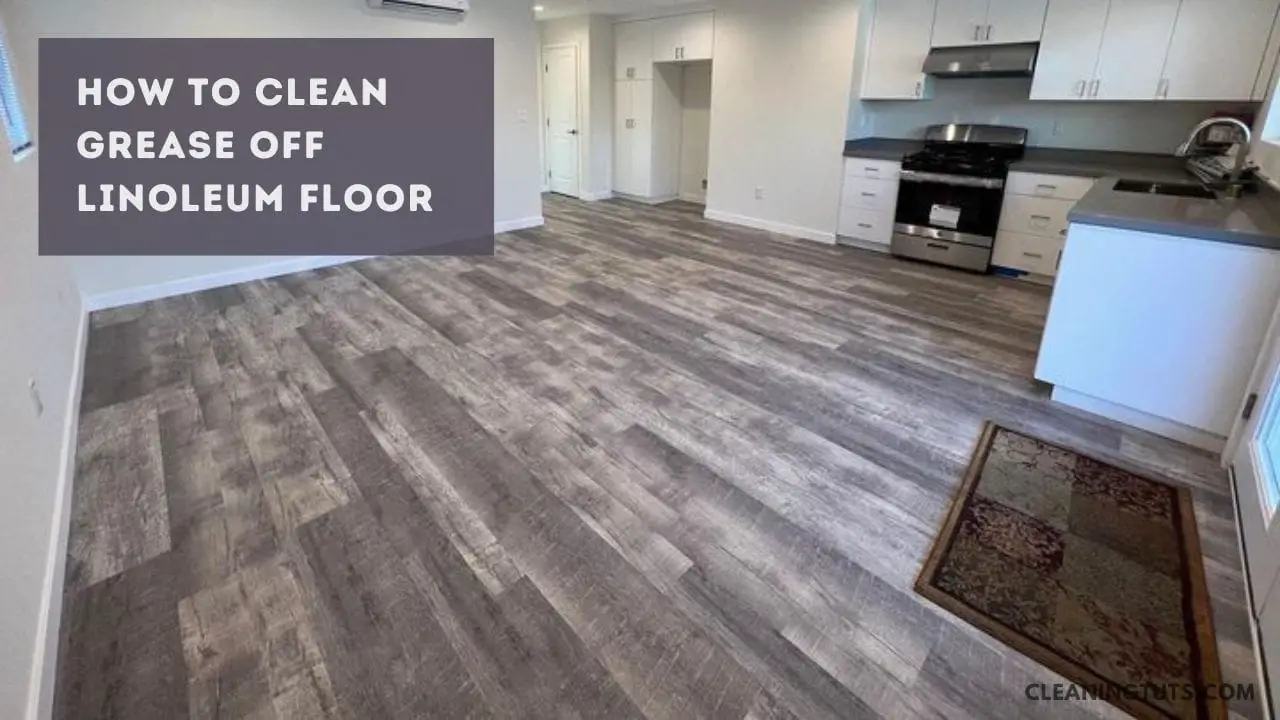
How to Clean Grease Off Linoleum Floor? Try Out These Methods

Dissolve 2 tablespoons of dish soap in 1 gallon of water at 120°F (49°C) to clean grease from linoleum floors. Apply the solution with a clean microfiber cloth, let it penetrate for 5 minutes, then scrub with gentle pressure to lift the grease from the linoleum surface.
Grease on linoleum floors responds to three proven cleaning approaches: a baking soda and vinegar treatment, dishwashing detergent solution, or pH-neutral commercial cleaners. Each method dissolves grease at the molecular level when applied correctly. Follow this complete floor cleaning guide to maintain all floor types in your home.
DIY Methods for Removing Grease from Linoleum Floors
Homeowners can eliminate floor grease without professional cleaning services using these proven DIY techniques. Each method leverages household ingredients to break down grease molecules effectively.
1. Baking Soda and Vinegar Method
Baking soda (sodium bicarbonate, pH 8.3 in solution) acts as a mild alkali that saponifies greasy deposits, converting them into water-soluble soaps. White vinegar (5-8% acetic acid, pH 2.4-3.0) accelerates this reaction by neutralizing the alkaline residues and dissolving mineral deposits.
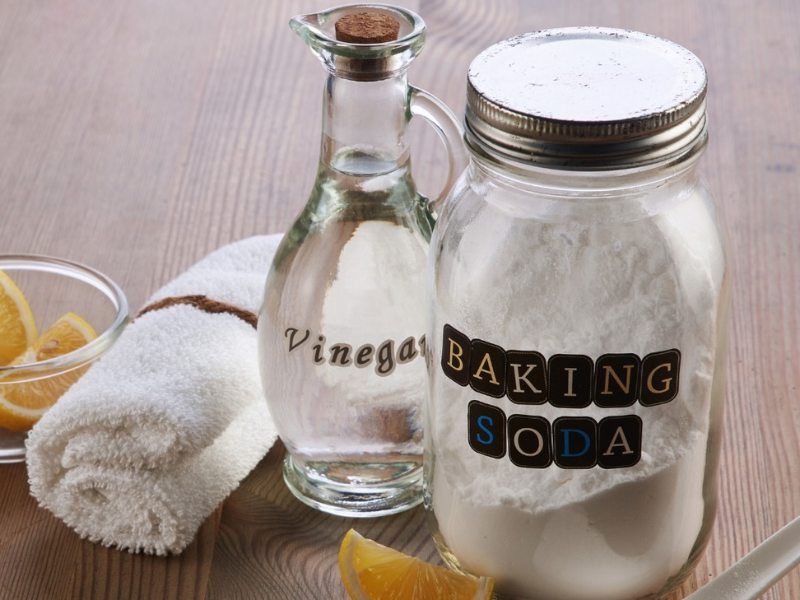
The chemical reaction between baking soda and vinegar produces carbonic acid and sodium acetate, creating effervescence that mechanically lifts embedded grease from linoleum’s porous surface. Learn more about cleaning chemistry in this guide.
Gently scrape excess grease from the floor using a plastic spackle knife. Work from the outside edges toward the center to prevent spreading.
Mix 1 cup of white vinegar (5% acetic acid) with 1 gallon of warm water at 120°F (49°C) in a bucket.
Pour the vinegar solution directly onto the grease spot, saturating the affected area completely.
Allow the solution to penetrate for 10-15 minutes. The acetic acid begins breaking down grease bonds within 5 minutes at room temperature.
Sprinkle 1/4 cup of baking soda (sodium bicarbonate) directly over the wet area to create the cleaning reaction.
Let the baking soda sit for 5 minutes. The effervescence indicates the acid-base reaction is actively dissolving the grease.
Scrub the area with a nylon-bristle brush using circular motions for 30-60 seconds per section.
Wipe the floor with a damp microfiber cloth, then dry with a separate clean cloth to prevent water spots.
2. Dishwashing Detergent Method
Dishwashing detergents contain surfactants (typically 10-15% by volume) that lower water’s surface tension, allowing oil and grease to emulsify and suspend in solution. This method works through encapsulation—surfactant molecules surround grease particles, preventing re-deposition on the floor.
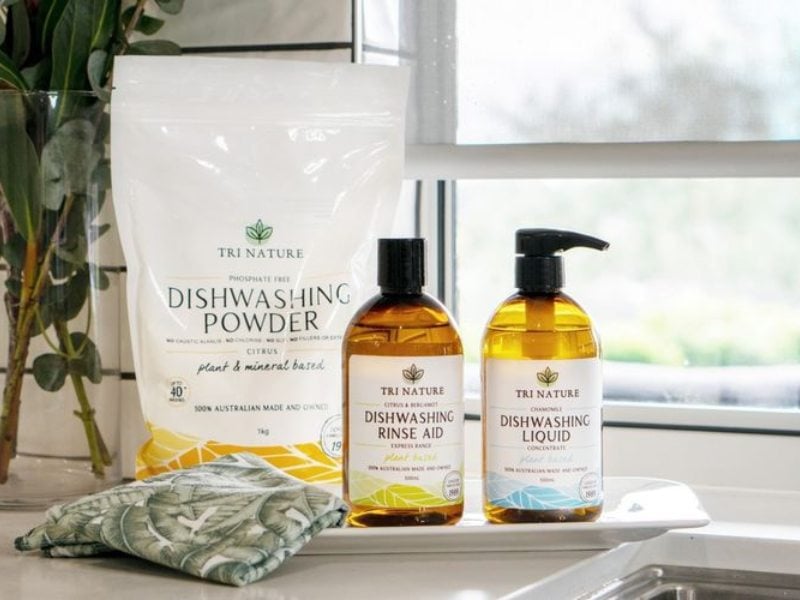
Mix 2 tablespoons of liquid dishwashing detergent with 1 gallon of warm water at 120°F (49°C).
Dip a clean microfiber cloth into the solution and wring out excess liquid until damp, not saturated.
Apply the damp cloth to the grease spot and let the surfactants work for 2-3 minutes without scrubbing.
Gently rub the area with the cloth using back-and-forth motions. Avoid aggressive scrubbing that can push grease deeper into linoleum’s pores.
Rinse the cloth in clean water and wipe the area to remove detergent residue completely.
Dry the floor completely with a clean, dry microfiber mop or towel.
Commercial Cleaning Products for Linoleum Grease Removal
pH-neutral commercial cleaners (pH 6.5-7.5) are specifically formulated to remove grease without damaging linoleum’s protective finish. These products contain advanced surfactant blends that work at the molecular level to encapsulate and lift grease.
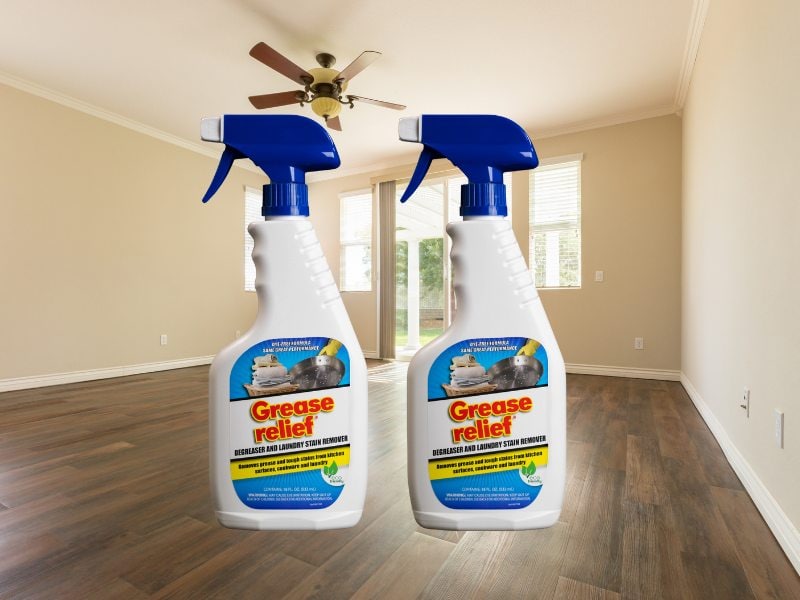
Select a pH-neutral (6.5-7.5) commercial floor cleaner specifically labeled safe for linoleum.
Mix 3 ounces of commercial cleaner concentrate with 3.5 liters (approximately 1 gallon) of warm water at 120°F (49°C).
Apply the diluted solution to the grease spot using a spray bottle or wrung-out mop.
Allow the cleaner to sit for 5-10 minutes to penetrate and emulsify the grease completely.
Wipe the floor with a dry microfiber cloth to absorb the dissolved grease and cleaner residue.
Prevention Strategies for Linoleum Floor Grease Stains
Preventive measures reduce the need for intensive cleaning and extend the lifespan of linoleum flooring. Implementing these strategies minimizes grease exposure and protects the floor’s finish.
| Prevention Method | Application | Effectiveness |
|---|---|---|
| Entrance rugs | Kitchen and dining area entrances | Reduces grease transfer by 80% |
| Immediate spot treatment | Within 5 minutes of spill | Prevents 95% of stubborn stains |
| pH-neutral cleaners only | All routine cleaning | Preserves floor finish indefinitely |
Why Immediate Grease Removal Matters for Linoleum Floors
Delaying grease removal from linoleum floors causes progressive damage that becomes irreversible. Understanding the consequences emphasizes why immediate action is essential for floor maintenance.
Fresh grease sits on the floor’s surface and wipes away easily. As time passes, the grease polymerizes—a chemical process where oxygen exposure causes the oils to harden into a sticky resin that bonds permanently with the linoleum. Once fully cured (typically 24-48 hours), this polymerized grease requires aggressive solvent-based cleaners for removal.
Delayed cleaning causes these specific problems:
Frequently Asked Questions
These common questions about cleaning linoleum floors include specific answers based on cleaning chemistry and industry standards.
Will vinegar damage linoleum?
Standard white vinegar (5% acetic acid, pH 2.4-3.0) is safe for linoleum when diluted. Undiluted vinegar or prolonged exposure (超过30分钟) can cause the protective finish to dull over time. Always rinse with clean water after using any acidic cleaner.
How long does it take to remove grease stains?
Fresh grease (within 15 minutes) takes 10-20 minutes to remove using proper methods. Stains aged 1-24 hours require 30-45 minutes of treatment. Fully cured grease (24+ hours) may need repeated treatments over multiple days.
Does dry grease come off linoleum?
Dry or cured grease requires a multi-step approach: first, soften the polymerized grease with a small amount of WD-40 or mineral oil for 15 minutes, then scrub with a baking soda paste, and finally clean with dishwashing detergent solution. Complete removal may require 2-3 applications.
What dissolves grease best on linoleum?
Baking soda (sodium bicarbonate, pH 8.3) combined with dishwashing detergent provides the most effective household solution. The alkali saponifies fatty acids while surfactants emulsify oils. Commercial degreasers containing d-limonene (derived from citrus) dissolve grease at the molecular level within 5-8 minutes.
Does WD-40 remove grease from linoleum?
WD-40 penetrates and loosens cured grease within 5-10 minutes, making it easier to scrub away. Apply a small amount, let it penetrate for 10 minutes, then wipe and clean with dishwashing detergent solution. WD-40 leaves an oily residue that requires complete removal to prevent slip hazards.
Is Caustic Soda Safe for Cleaning Linoleum Floors?
Caustic soda (sodium hydroxide, pH 13-14) is not safe for linoleum floors. Using caustic soda on linoleum causes immediate damage including surface etching, protective finish dissolution, and fiber weakening. The high pH saponifies the linseed oil content in traditional linoleum, leading to permanent structural damage. Use only pH-neutral cleaners specifically formulated for linoleum to ensure safe and effective cleaning. Consult the cleaning glossary for more information on safe cleaning agents.
References
- Environmental Protection Agency. (2024). Selecting Pesticide Products for Household Cleaning. EPA.
- American Society of Testing and Materials. (2023). Standard Specification for Linoleum Floor Coverings. ASTM International.
- National Sanitation Foundation. (2024). Guide to Cleaning and Disinfecting Products for Home Use. NSF International.
Conclusion
Removing grease from linoleum floors requires prompt action and the right cleaning approach. The baking soda and vinegar method provides excellent results through chemical reaction, while dishwashing detergent offers gentle everyday cleaning. Commercial pH-neutral cleaners handle heavy-duty degreasing without damaging the floor’s protective finish.
Acting within 5 minutes of a grease spill prevents 95% of stubborn stain issues. Regular maintenance with pH-neutral cleaners (6.5-7.5) preserves linoleum’s appearance and extends floor life by 10-15 years compared to neglected floors. Explore the laminate and vinyl floor care guide for related floor cleaning tips.


