
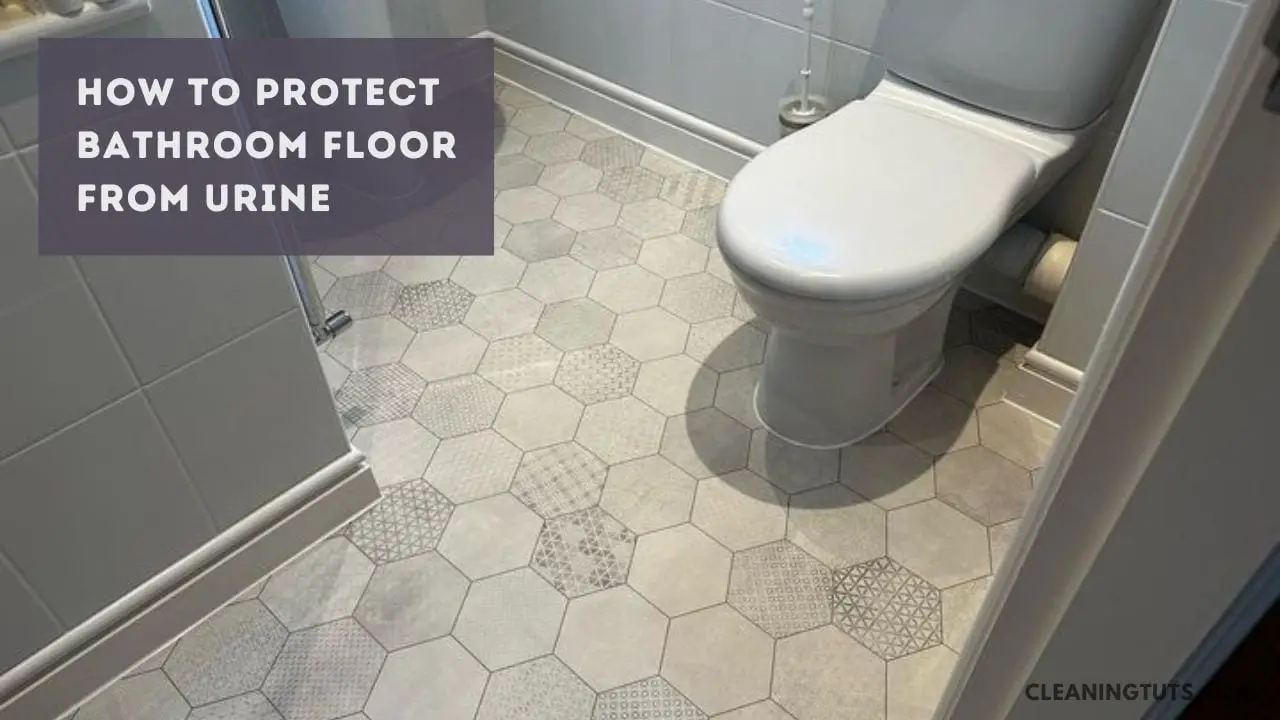
How to Protect Bathroom Floor from Urine? – Everything You Need to Know

The most effective way to protect bathroom floors from urine is using a urine splash guard paired with an absorbent floor mat. The splash guard deflects urine into the bowl while the mat absorbs any remaining moisture — a two-layer system costing under $40 combined.
Beyond splash guards and mats, proven protection methods include sealing the toilet base with caulk, installing a toilet base plate, applying anti-urine hydrophobic floor coatings, and placing washable floor protectors beneath the toilet. Left unaddressed, urine splashes cause persistent bathroom odors, uric acid crystal buildup on grout, slippery floor surfaces, and potential bacterial exposure including E. coli.
7 Proven Methods to Protect Bathroom Floors from Urine
These seven methods range from no-cost behavioral adjustments to permanent fixture modifications. Each addresses a different failure point in bathroom floor protection.
1. Absorbent Floor Matting
Absorbent floor matting captures splashed urine before it reaches the floor surface. Options include washable microfiber mats (machine washable at 140°F/60°C) and disposable absorbent pads rated for high-volume use.
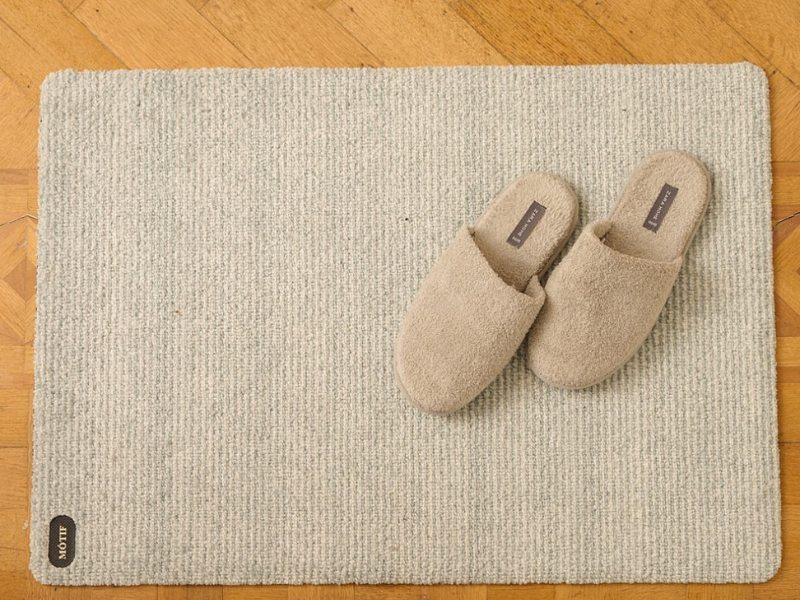
Washable mats require laundering every 1–3 days depending on household size. Replace disposable mats when surface saturation is visible or odor develops — typically every 2–7 days in a busy household.
2. Reusable Waterproof Floor Guards
Waterproof floor guards (commonly PVC or polyurethane liners) lie flat beneath the toilet and protect the underlying floor from both urine splash and minor overflow. These are especially recommended for hardwood and laminate bathroom floors, where urine penetrates wood grain within 30 seconds of contact, causing staining and potential warping.
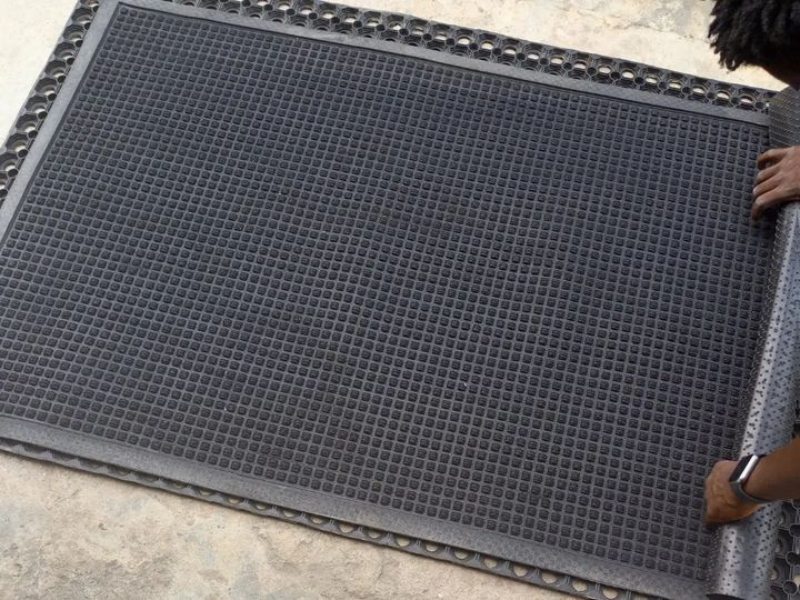
PVC floor guards cost $15–$40, are wipe-clean with disinfectant, and last 2–5 years with proper care. Do not machine-wash — hand-scrub with a 1:50 dilution of all-purpose cleaner and rinse.
3. Urine Splash Guard (Deflector)
A urine splash guard (also called a urine deflector) is an egg-shaped or curved insert that sits inside the bowl and redirects urine stream flow toward the center of the bowl. This eliminates the gap-splash problem — urine that deflects off the rim onto the floor — which accounts for the majority of toilet-surround stains in male-heavy households.
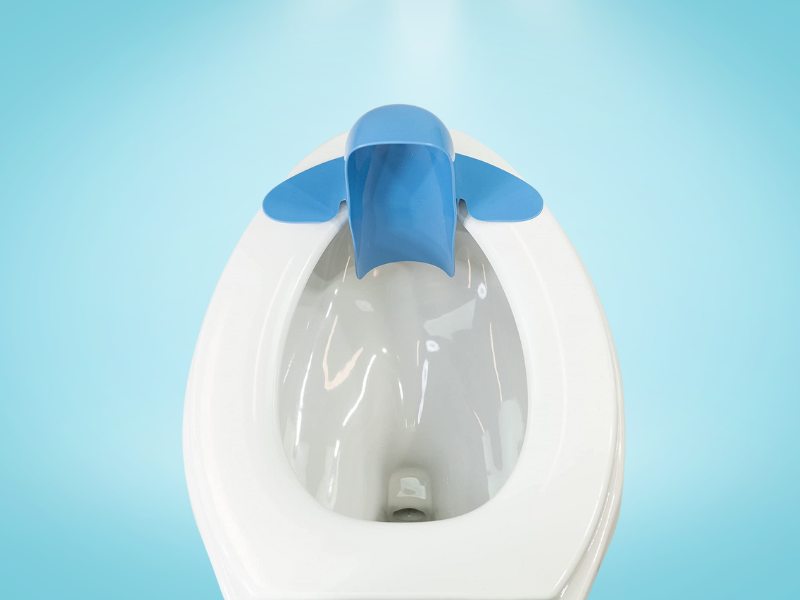
For standard round-front toilets, the guard sits directly in the bowl. For elongated bowls, verify sizing before purchase. Most guards are injection-molded polypropylene (temperature-rated to 230°F/110°C) and dishwasher-safe. Cost: $8–$25.
4. Washable Floor Protectors for Toilets
Toilet floor protectors are absorbent pads designed to wrap around or sit under the toilet base. They absorb both routine splash and slow seepage from a poorly sealed toilet flange. Installation takes seconds — no tools required.
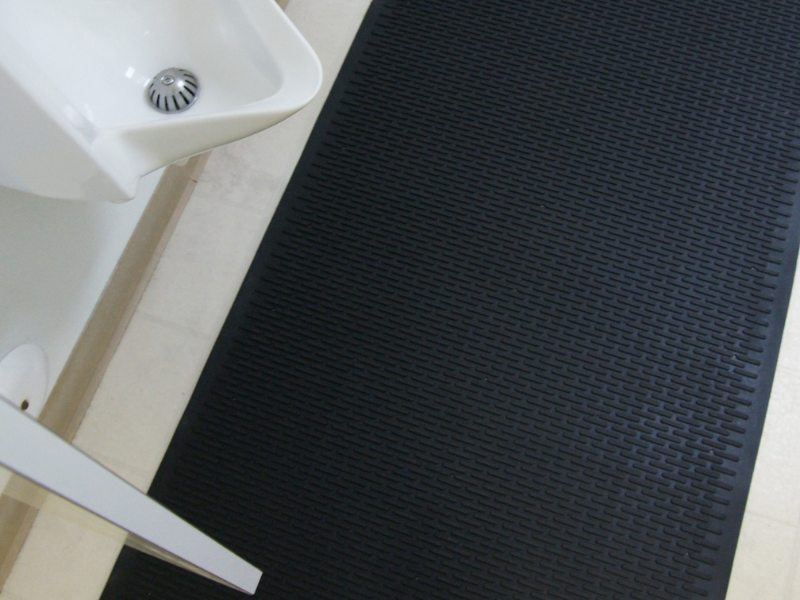
Wash the protector every 2–3 days to prevent bacterial growth. Follow these steps:
5. Seal the Toilet Base with Caulk
Urine seeping into the gap between the toilet flange and the floor leads to uric acid crystallization in grout lines, persistent odor, and potential subfloor damage. A properly applied caulk seal prevents this by closing the 1/8–1/4 inch gap around the entire toilet perimeter (except the rear, which must remain open for leak detection).
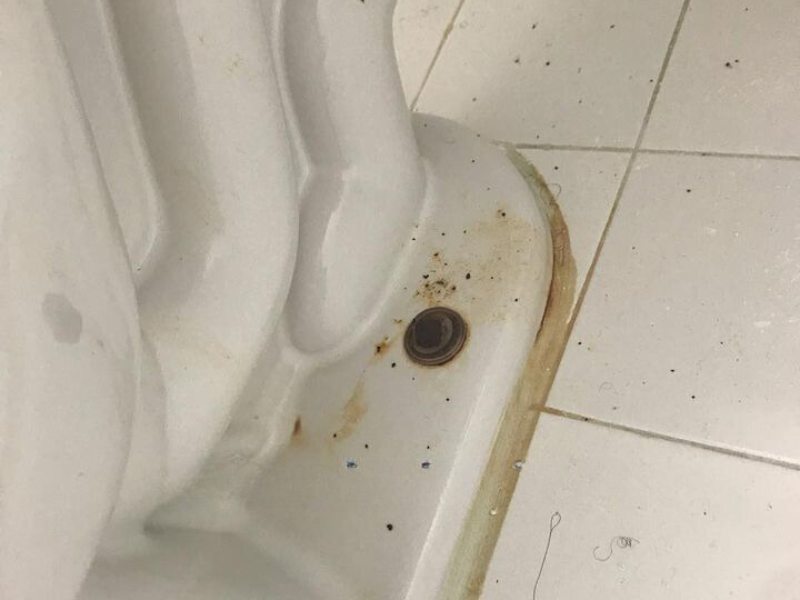
Follow these steps for a lasting seal:
6. Toilet Base Plate
A toilet base plate (also called a toilet floor trim or pedestal mat) is a decorative and functional stainless steel or plastic cover that sits around the toilet base. It provides a waterproof barrier and conceals the caulk line for a cleaner appearance. Installation requires disconnecting the water supply and lifting the toilet — budget 60–90 minutes for the full process.
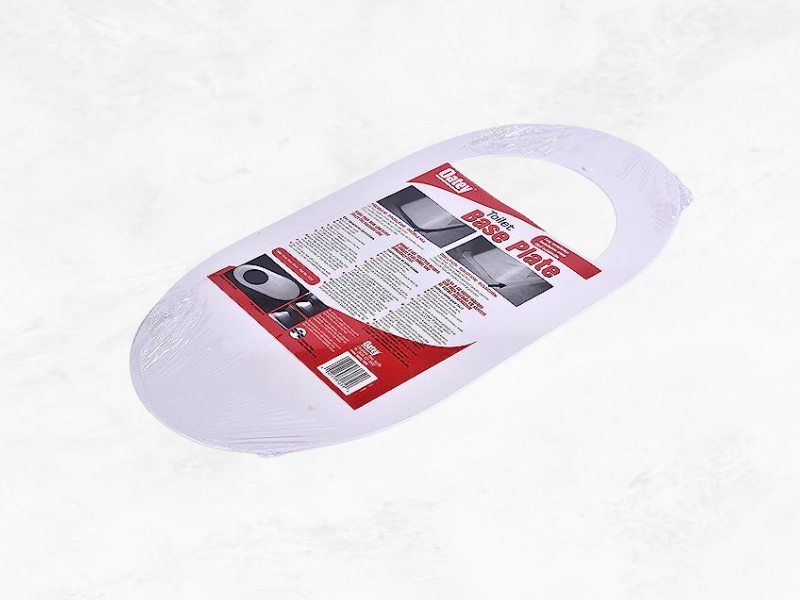
Installation steps:
7. Anti-Urine Hydrophobic Floor Coating
Anti-urine coatings are spray-applied hydrophobic treatments that cause urine to bead and roll off the floor surface rather than soaking in. These are typically fluoropolymer or silicone-based formulations rated for ceramic tile, porcelain, and sealed grout.
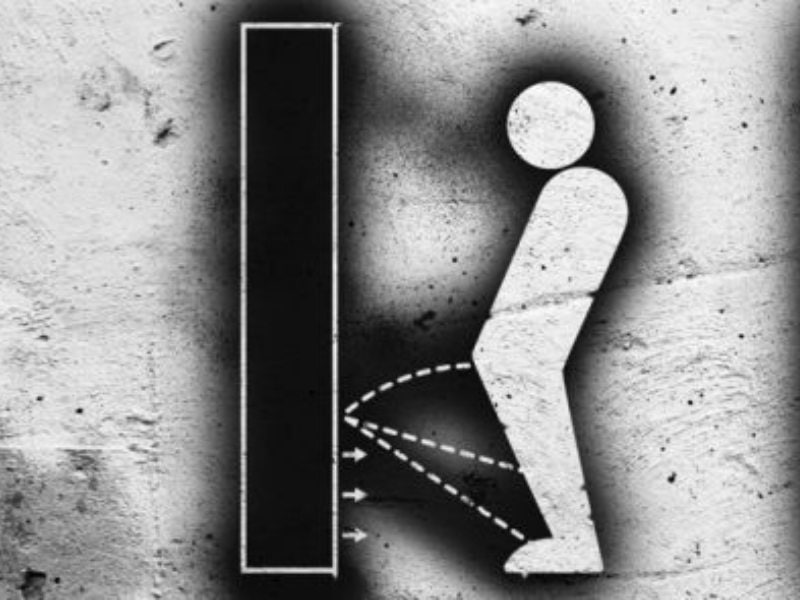
Application requires a clean, dry floor. Apply 2–3 thin even coats, allowing 30–60 minutes between coats. Full cure takes 24 hours. Reapplication intervals range from 6 months to 2 years depending on foot traffic and cleaning frequency.
These coatings are not recommended as the sole protection method — they work best as a supplement to splash guards and absorbent mats. They also do not address urine that has already pooled and begun uric acid crystallization.
What Happens When Urine Spills on Bathroom Floors
Unprotected bathroom floors face measurable damage from every urine exposure. Understanding the chemistry explains why immediate cleanup matters.
Odor from Uric Acid Crystallization
Fresh human urine has a pH range of 6.0–7.5 and contains urea at approximately 9.3 g/L. When urea hydrolyzes in the presence of moisture and urease-producing bacteria — a process that begins within 2–4 hours at room temperature — it converts to ammonia. Ammonia release creates the sharp, persistent bathroom odor that standard air fresheners mask but do not eliminate. Uric acid crystals, which form as urine dries, are the primary reason urine odors return days or weeks after cleaning.
Stains and Grout Damage
Uric acid solubility in water is extremely low (0.06 g/L at 20°C/68°F). Once uric acid crystallizes in grout lines — which occurs when urine dries over 4–8 hours — it becomes resistant to standard cleaning. The crystals grow into the porous grout surface, creating brown-tan discoloration that requires acidic dissolution (pH 2.5–3.5) for removal.
Health Risks from Urine-Contaminated Floors
Bathroom floor contamination from urine presents three documented health hazards:
- Ammonia exposure — Protein metabolism byproducts in urine release ammonia vapor at concentrations above 50 ppm, which irritates respiratory tissue. In poorly ventilated bathrooms, repeated low-level exposure causes chronic bronchial irritation.
- Bacterial translocation — E. coli (present in up to 15% of healthy adult urine samples) survives on dry bathroom tile surfaces for 16–48 hours. Transfer to hands and subsequently to mucous membranes causes urinary tract infections.
- Allergen activation — Urocanic acid (present in urine at approximately 10 mg/L) is a documented contact allergen. Individuals with eczema or atopic dermatitis experience flare-ups from prolonged exposure to urine-contaminated flooring.
Slip and Fall Hazard
Wet tile coefficient of friction drops from approximately 0.6 (dry) to 0.2 (wet with water). Urine, which is denser than water due to dissolved solids (specific gravity 1.005–1.030), creates a similar or worse slip hazard. The CDC reports that bathrooms are among the highest-risk rooms for fall-related injuries in the home, particularly for adults over 65.
Uric Acid Scale on Tile and Grout
Repeated urine exposure on unglazed tile, natural stone, or unsealed grout causes uric acid scale — a hard, crystalline deposit that etches the surface. Removing established scale requires a 1:1 white vinegar and warm water solution applied for 15–20 minutes before scrubbing with a nylon brush. Scale that has penetrated deeper than 1/8 inch typically requires professional tile refinishing or grout replacement.
How to Clean Urine from Bathroom Floors
Effective cleaning depends on responding quickly. The longer urine sits, the more the urea converts to ammonia and the uric acid begins crystallizing — stages that require progressively harsher treatment.
Routine Daily Cleaning
For fresh urine exposure (within 1 hour):
Removing Stubborn Uric Acid Stains
For stains that have set 12+ hours or show visible crystal formation:
Using Commercial Disinfectants on Urine-Contaminated Floors
For households with young children, immunocompromised individuals, or pets, follow vinegar cleaning with a commercial disinfectant registered with the EPA (List B or List G products). Common active ingredients effective against E. coli and Staphylococcus aureus on hard surfaces include quaternary ammonium compounds (quats) at 200–400 ppm and sodium hypochlorite (bleach) at 500–1000 ppm.
Always pre-clean with the vinegar solution before applying disinfectant — organic matter (urine residue) reduces disinfectant efficacy by up to 50%. Allow the required contact time specified on the product label before wiping or rinsing.
Protection Methods at Every Budget: Cost vs. Effectiveness
Choose based on your floor type, household composition, and whether you’re preventing future problems or addressing existing damage.
| Method | Cost | Best For | Limitations |
|---|---|---|---|
| Urine splash guard | $8–$25 | Male households, round or elongated bowls | Requires correct bowl sizing; doesn’t address base seepage |
| Absorbent floor mat | $20–$60 | All households; rental-friendly | Requires frequent washing/replacement; absorbs but doesn’t prevent splash |
| Waterproof floor guard (PVC) | $15–$40 | Hardwood, laminate, or stone floors | Hand-clean only; visible around toilet base |
| Seal toilet base with silicone caulk | $10–$20 (DIY) | Preventing grout erosion at flange gap | Requires 24–48 hour cure time; rear must remain unsealed |
| Hydrophobic floor coating | $30–$80 per application | Ceramic and porcelain tile with sealed grout | Semi-permanent; reapplication every 6–24 months; does not address existing stains |
| Washable toilet floor protector | $15–$35 | Households with children or elderly | Must launder every 2–3 days to prevent bacterial growth |
| Toilet base plate (full installation) | $200–$350 | Permanent solution; finished appearance; high-traffic bathrooms | Requires plumbing knowledge; two-person lift needed; most expensive option |
Frequently Asked Questions
Why does urine splash onto my bathroom floor?
Three primary causes: (1) Incorrect urinating angle — standing too close to the bowl directs the stream at the rim, causing deflection splash. (2) A poorly fitting toilet seat that leaves a gap between the seat and bowl rim. (3) A damaged or missing wax ring beneath the toilet base, allowing urine to seep around the flange. Using a splash guard addresses cause #1; a base plate or caulk seal addresses cause #3.
Do bathroom wall and floor protection from urine use the same methods?
No. Walls require different protection than floors. Waterproof paint or tile sealant protects walls from splash-back, but these coatings don’t address the floor splash that occurs from a poorly aimed stream. A splash guard combined with a floor mat protects both the toilet surround area and the floor surface simultaneously.
What removes dried urine smell from bathroom floors permanently?
Standard air fresheners mask ammonia odors temporarily. For permanent removal: (1) Apply a 50% white vinegar / 50% warm water solution to the affected area and allow 15 minutes. (2) Scrub with a nylon brush and rinse with hot water (140°F/60°C minimum). (3) Apply enzymatic cleaner designed for pet or human urine — the enzymes digest uric acid crystals at the molecular level. (4) Allow to air-dry completely. If odor persists after 48 hours, uric acid has likely crystallized in the grout and requires professional tile cleaning or grout replacement.
Is Comet an Effective Cleaner for Urine-Contaminated Bathroom Floors?
Comet’s abrasive powder formula works on hard, non-porous ceramic and porcelain tile surfaces, but its high pH (approximately 10.5 when dissolved) makes it less effective against uric acid crystals, which require an acidic solution at pH 2.5–3.5 for dissolution. Comet is better suited for general soap scum removal than for addressing urine-specific contamination. For uric acid stains, start with a 50% vinegar solution before using any abrasive cleaner, to avoid embedding uric acid particles deeper into grout pores.
References
- Healthline Editorial Team. (2024). “What Does Urine Odor Indicate About Your Health?” Healthline.
- American Cleaning Institute. (2023). “ACI Bathroom Cleaning Guidance.” American Cleaning Institute.
- Centers for Disease Control and Prevention. “Hand Hygiene in Healthcare Settings.” CDC.
- U.S. Environmental Protection Agency. “Selected EPA-Registered Disinfectants — List B and List G.” EPA.
Conclusion
Urine damage to bathroom floors is preventable at any budget level. For less than $40, a urine splash guard combined with an absorbent floor mat eliminates the majority of floor contamination issues in male households. For $10–$20, sealing the toilet base with 100% silicone caulk prevents the grout erosion and subfloor damage that leads to expensive repairs. For permanent protection in high-traffic or multi-person households, a toilet base plate installation ($200–$350) provides a watertight, maintenance-free barrier.
No protection method works without routine cleaning. Vinegar’s acetic acid dissolves uric acid crystals at pH 2.5–3.5, making it the first-line treatment for both routine maintenance and stain removal. Commercial disinfectants should follow vinegar cleaning when household members include young children, elderly individuals, or anyone with a compromised immune system.
For more bathroom cleaning guidance, explore the Cleaning Glossary or browse related hub articles including Tile and Grout Cleaning and Stain Removal.


