
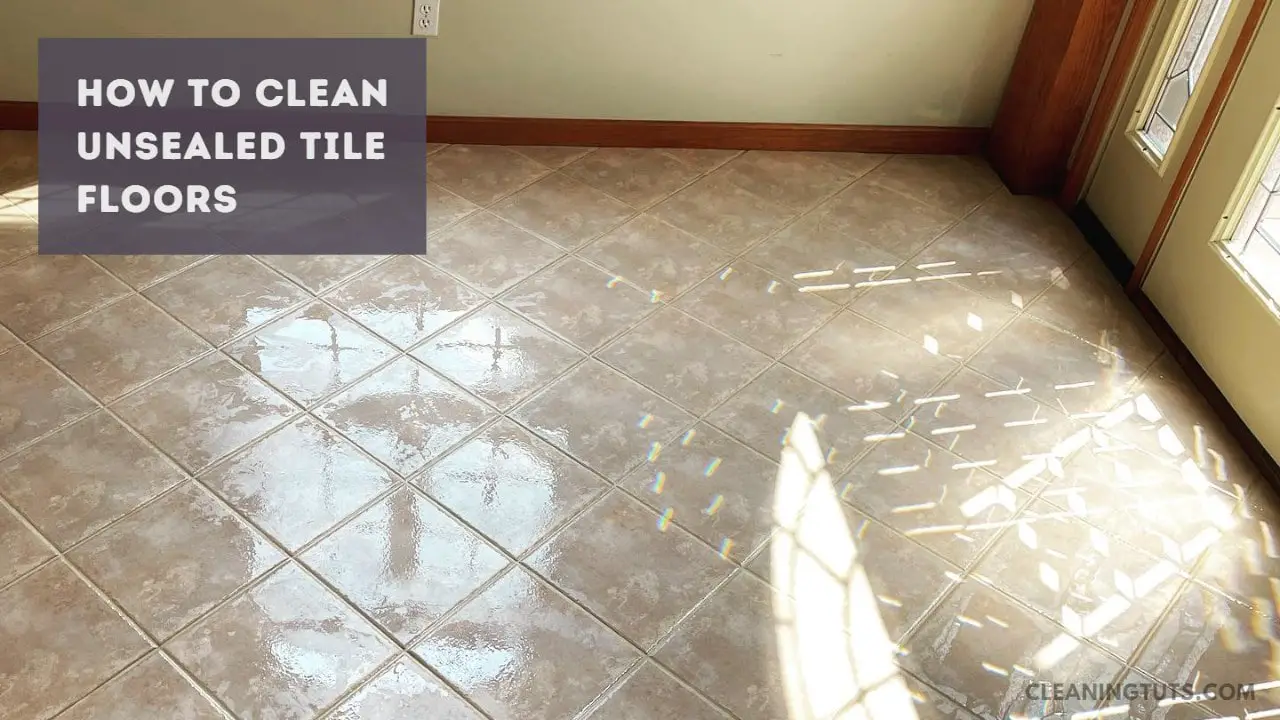
How to Clean Unsealed Tile Floors | Learn Both DIY and Commercial Methods

Unsealed tile floors require regular cleaning with pH-neutral or mildly acidic solutions to prevent permanent staining, discoloration, and bacterial growth. Clean unsealed tiles using a diluted vinegar solution (1 cup per gallon of warm water) or a baking soda paste applied for 5–10 minutes, followed by thorough rinsing.
For unpolished and unsealed porcelain tile floors, create a mixture of 1 cup distilled white vinegar per 1 gallon of warm water. Employ a soft-bristle brush to scrub the floor gently. Let the solution dwell for 5 to 10 minutes. Then, rinse thoroughly with cool water and dry immediately using a clean towel or microfiber cloth.
This guide covers both DIY home remedies and commercial products for cleaning unsealed tile floors, including natural stone, ceramic, porcelain, slate, and quarry tile.
Why Regular Cleaning of Unsealed Tile Floors Matters
Sealed tile floors resist stains and moisture penetration due to their protective surface coating. Unsealed tile floors lack this barrier, making them vulnerable to permanent damage from spills, grime, and bacterial contamination.
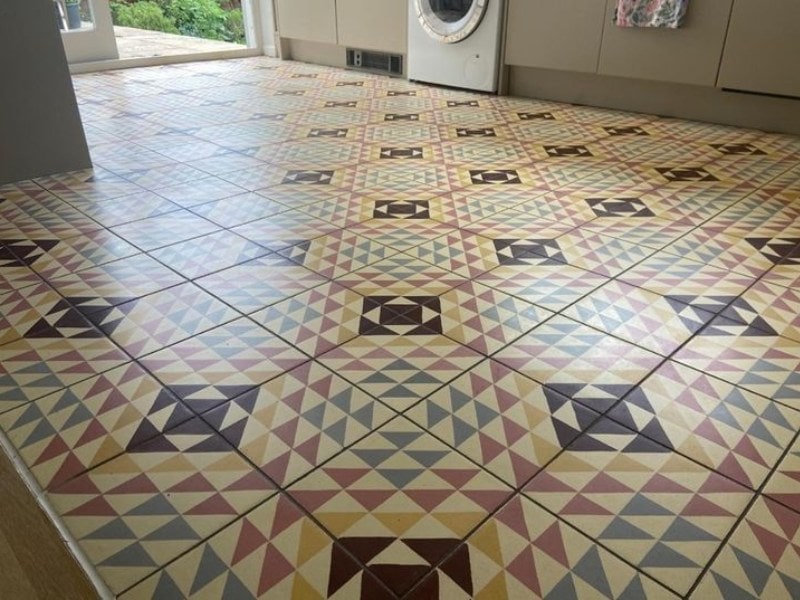
Unsealed tile floors require regular maintenance for three critical reasons:
Preventing Stain, Discoloration, and Surface Damage
Unsealed tile surfaces absorb liquids rapidly, allowing wine, coffee, oil, and organic matter to penetrate within minutes. Once absorbed, these substances cause permanent discoloration and surface etching that cannot be reversed by surface cleaning alone.
Maintaining Hygiene and a Healthy Indoor Environment
Unsealed tile floors harbor pathogens, allergens, and bacteria in their porous surface and grout lines. Regular cleaning with appropriate solutions reduces microbial load and prevents allergen accumulation that affects indoor air quality.
Preserving the Natural Appearance
Unsealed natural stone tiles—including marble, slate, and limestone—develop a patina over time from accumulated dirt and mineral deposits. Consistent cleaning preserves the original color and texture of the stone.
How to Clean Unsealed Tile Floors: DIY and Commercial Methods
Two categories of cleaning methods apply to unsealed tile floors: DIY home solutions for routine maintenance and commercial products for heavy-duty cleaning.
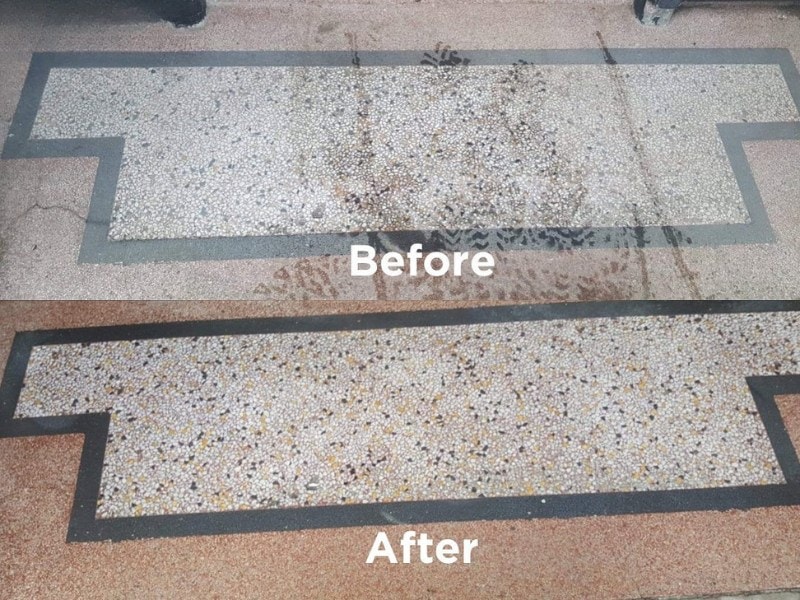
DIY Home Cleaning Methods
These proven home remedies work well for routine cleaning of unsealed tile floors.
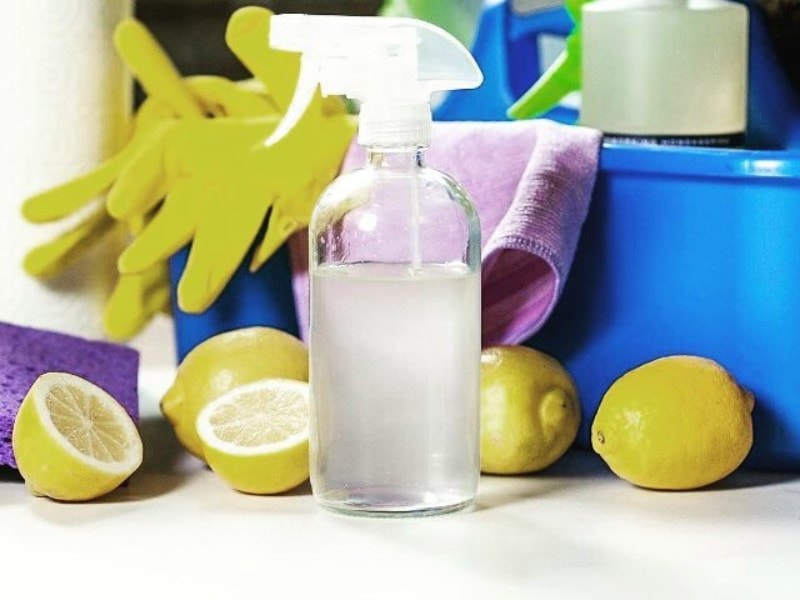
Distilled White Vinegar Solution
Distilled white vinegar has a pH of approximately 2.5, making it effective at dissolving mineral deposits and organic stains without causing etching on most unsealed tile surfaces when diluted properly.
Mix ½ cup of distilled white vinegar with 1 gallon of warm water (approximately 100°F / 38°C). Stir well to combine.
Apply the solution to the floor using a soft-bristle brush or microfiber mop. Scrub gently in circular motions across the entire surface.
Allow the solution to dwell on the floor for 5 to 10 minutes. Do not let it dry completely.
Rinse the floor with cool, clean water. Immediately wipe dry with a clean microfiber cloth or paper towels.
Baking Soda Paste
Baking soda (sodium bicarbonate) acts as a mild alkaline abrasive that lifts stains from grout lines without scratching tile surfaces. Its pH of approximately 8.3 makes it effective against organic soils.
Mix 1 tablespoon of baking soda with enough water to form a thick paste (approximately 3:1 water-to-baking soda ratio). Scale up as needed for larger areas.
Apply the paste directly to grout lines and stained tile surfaces using a small brush or sponge.
Allow the paste to dwell for 5 to 10 minutes. For heavy stains, extend dwell time to 15 minutes maximum.
Scrub grout lines with a toothbrush or small nylon-bristle brush. Use a soft sponge or scrubber for tile surfaces. For larger areas, a drill brush attachment speeds up the process.
Rinse the floor thoroughly with cool, clean water. Dry immediately with microfiber cloths or paper towels.
Mild pH-Neutral Detergent Solution
Mix 1 tablespoon of mild pH-neutral liquid dish soap with 1 gallon of warm water. Stir gently to avoid creating excessive suds.
Mop the floor with the solution, working in sections. The detergent emulsifies oils and suspends soil for easy removal.
Rinse the entire floor with clean water to remove detergent residue. Dry immediately with microfiber cloths or paper towels.
Additional gentle cleaning tools include soft-bristle brooms for dry debris removal and damp mops for daily maintenance. These DIY methods work on all unsealed tile types including porcelain, ceramic, natural stone, slate, and quarry tile.
Commercial Cleaning Products for Deep Cleaning
Commercial products formulated for unsealed tile floors provide stronger cleaning action for heavy soil, built-up waxes, and stubborn stains. Always choose pH-neutral or mildly alkaline formulations.
pH-Neutral Liquid Cleaners
pH-neutral cleaners (pH 7) clean effectively without risking etching or discoloration on unsealed surfaces. NSF-certified floor cleaners meet cleaning chemistry standards for residential use.
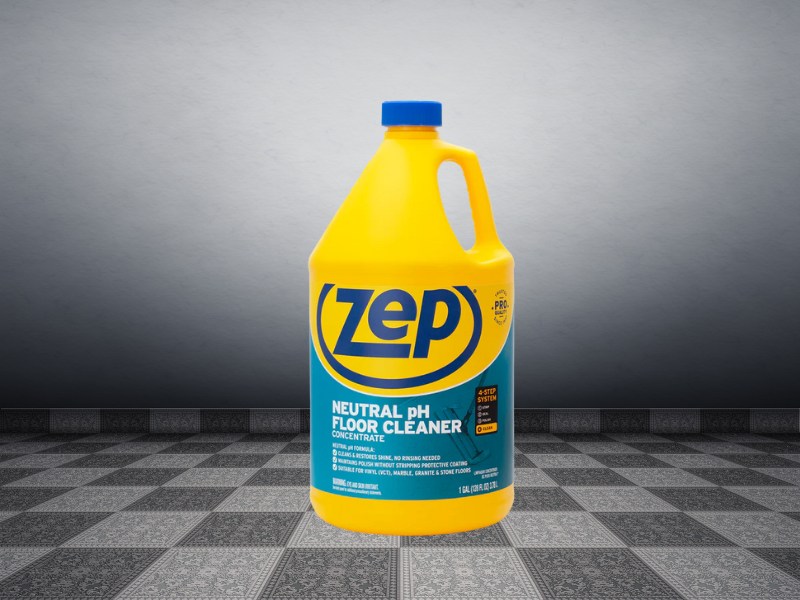
Purchase a pH-neutral liquid floor cleaner from a hardware store or online retailer. Look for products labeled safe for unsealed stone or tile.
Mix according to product label instructions—typically 1–2 ounces per gallon of warm water. Apply with a microfiber mop or pour directly on stubborn areas and scrub with a nylon-bristle brush.
Rinse thoroughly with cool, clean water. Dry immediately with clean cloths or paper towels.
Enzyme-Based Spray Cleaners
Enzyme-based cleaners use biological catalysts to break down organic stains from food, pet accidents, and bodily fluids. These formulations work well on unsealed tile and grout without damaging the porous surface.
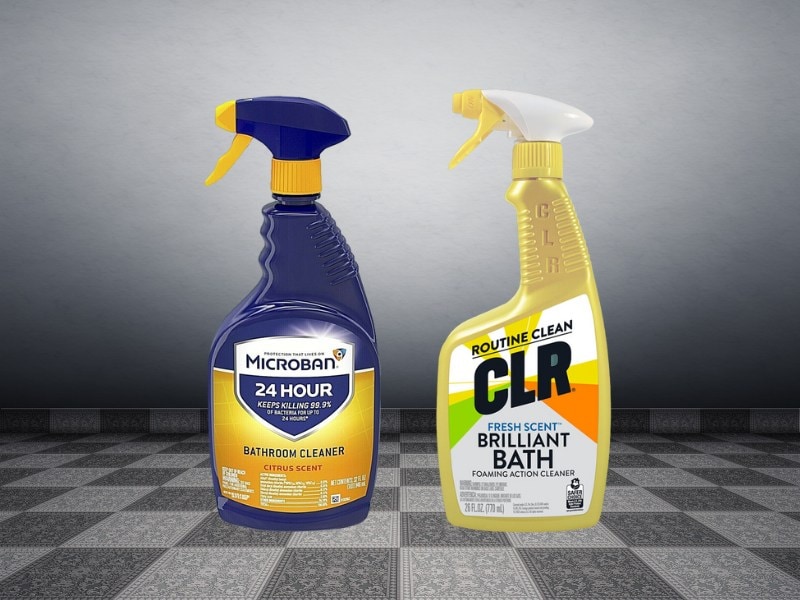
Select an enzyme-based spray cleaner specifically formulated for stone and tile surfaces. Avoid products containing chlorine bleach or ammonia.
Spray the affected area and allow a 5–10 minute dwell time for enzymes to break down organic matter. Do not scrub during the dwell period.
Scrub gently with a soft nylon brush. Wipe away dissolved residue with a damp microfiber cloth.
Repeat application for heavily soiled areas. For general maintenance, treat the entire floor systematically.
Critical Safety Guidelines for Cleaning Unsealed Tile Floors
Unsealed porcelain, ceramic, and natural stone tiles react adversely to harsh chemicals and excessive moisture. Follow these guidelines to prevent permanent damage.
Sweep or Dry-Mop Before Wet Cleaning
Remove loose dirt, dust, and debris with a soft-bristle broom or microfiber dust mop before applying any cleaning solution. Loose particles act as abrasives that scratch tile surfaces when scrubbed.
Avoid Acidic and Alkaline Cleaners
Acidic cleaners with pH below 4 cause etching on calcium-based stones like marble and limestone. High-alkaline cleaners (pH above 10) strip finishes and cause discoloration. Avoid products containing ammonia, chlorine bleach, phosphates, or citrus extracts.
Patch-Test Commercial Products
Apply any new cleaning product to a small, inconspicuous area (such as inside a closet or under furniture) before using on the entire floor. Wait 24 hours to verify no discoloration, etching, or surface damage occurs.
Use Only Soft-Bristle or Nylon Tools
Steel wool, abrasive scrub brushes, and harsh scouring pads scratch tile surfaces and grout. Use soft microfiber mops, nylon scrubbers, and soft-bristle brushes exclusively. For power scrubbing, attach a soft nylon brush to a drill.
Minimize Water and Dry Immediately
Unsealed tile absorbs standing water within minutes, causing moisture damage, warping of subfloor materials, and mold growth in grout lines. Keep water usage minimal and dry the floor immediately after rinsing with clean microfiber towels.
Frequently Asked Questions
Common questions about cleaning unsealed tile floors.
How Do You Clean Unsealed Grout on Floors?
Apply a paste of baking soda and water directly to grout lines. For commercial grout cleaners, select a pH-neutral formula safe for unsealed stone.
Step 1: Apply the cleaner to grout lines using a grout brush or squeeze bottle.
Step 2: Scrub with a long-handled nylon-bristle brush using gentle pressure.
Step 3: Rinse thoroughly with cool water and dry immediately.
Can You Use a Steam Mop on Unsealed Tile Floors?
No. Steam mops generate temperatures exceeding 200°F (93°C) that cause thermal shock, cracking, and surface etching on unsealed tiles. The high moisture environment also drives water into the porous surface, leading to subfloor damage and mold growth.
Is Distilled White Vinegar Safe for Unsealed Tile Floors?
Yes, when diluted properly. Mix ½ cup of distilled white vinegar (pH 2.5) with 1 gallon of warm water. This dilution raises the pH to approximately 4, making it safe for most unsealed tile surfaces. Never use undiluted vinegar on natural stone tiles including marble, limestone, or travertine.
How Often Should You Clean Unsealed Tile Floors?
Cleaning frequency depends on household factors: foot traffic volume, presence of pets or children, proximity to outdoor entryways, and local climate.
High-traffic areas may require daily dry mopping and weekly wet cleaning. Standard recommendation is dry mopping every 1–2 days and wet cleaning once per week using appropriate pH-neutral cleaners.
Are These Methods Effective for Linoleum Floors?
The pH-neutral cleaning methods described in this guide work well on linoleum flooring. Vinegar and water solutions and baking soda pastes effectively remove grease from linoleum surfaces without damaging the material.
Linoleum differs from tile in its composition—a mixture of linseed oil, pine resin, and cork—but responds to the same alkaline cleaning approaches. Always test any new cleaning method on an inconspicuous area first.
Conclusion
Unsealed tile floors require consistent maintenance using pH-appropriate cleaning solutions to prevent permanent staining, bacterial contamination, and surface degradation. Daily dry mopping removes abrasive particles, while weekly wet cleaning with properly diluted solutions (vinegar at ½ cup per gallon, baking soda paste at 3:1 water ratio, or pH-neutral commercial cleaners) maintains appearance and hygiene.
Never use steam mops, acidic cleaners below pH 4, or high-alkaline cleaners above pH 10 on unsealed tiles. Always rinse thoroughly and dry immediately after wet cleaning to prevent moisture penetration into the porous surface and subfloor.
References
- International Marble Institute. (2023). Natural Stone Care and Maintenance Guidelines. Natural Stone Institute.
- NSF International. (2022). Floor Care Products Certification Standards. NSF International.
- U.S. Environmental Protection Agency. (2021). Selecting Disinfectants for Use Against SARS-CoV-2. EPA.


