
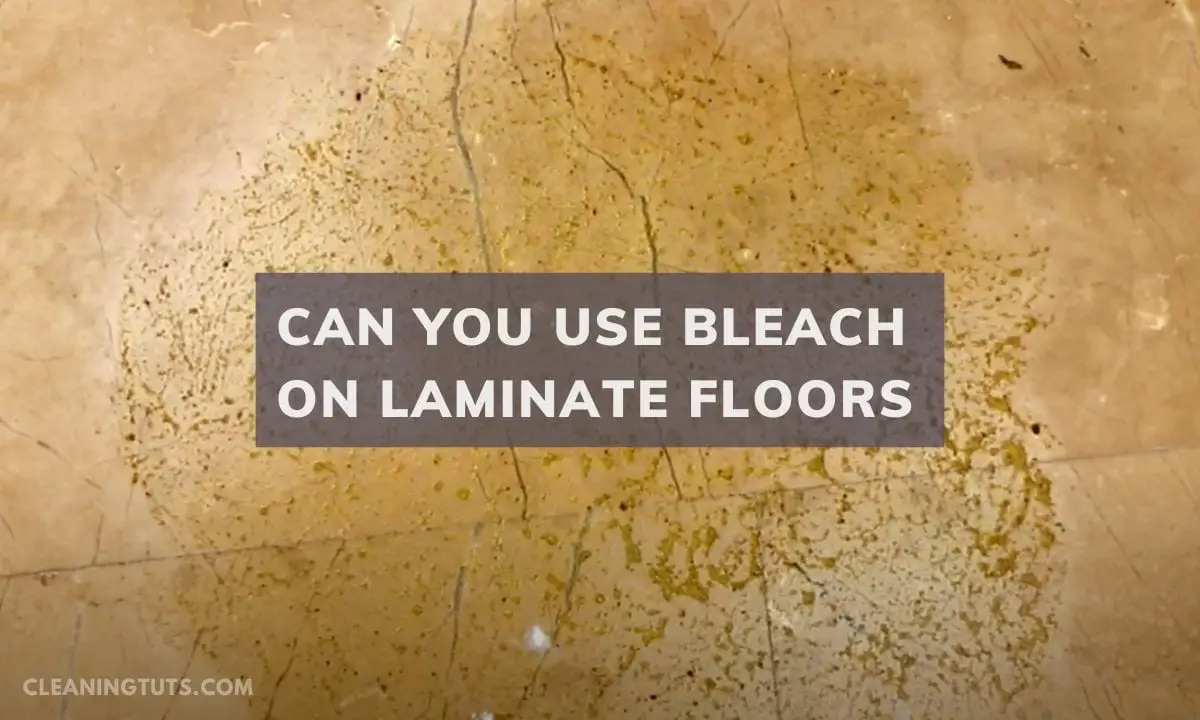
Can You Use Bleach on Laminate Floors?

Bleach damages laminate floors. Sodium hypochlorite (the active compound in household bleach) has a pH of 11–13, which etches and degrades the protective melamine wear layer on laminate flooring, causing irreversible discoloration, delamination, and structural weakening.
You should not use bleach on laminated floors. As a harsh chemical, bleach can damage the finish of laminated floors. It can even cause discoloration and make the floor appear dull.
This guide covers laminate floor composition, the specific chemical mechanisms of bleach damage, safer alternatives, and a six-step safe cleaning protocol.
Understanding Laminate Flooring Composition
Laminate flooring is a hybrid flooring material combining wood particleboard base with four distinct layers fused under temperatures exceeding 300°F (149°C) and pressures up to 1,400 psi. Manufacturers design it to replicate natural materials like hardwood or stone at a lower cost.
The Four Layers of Laminate Flooring
Each layer serves a specific function in the flooring system:
- Wear layer (overlay): Topmost protective layer of melamine resin or aluminum oxide, rated for 20–25 years of household use. This layer resists stains and scratches but degrades when exposed to alkaline chemicals with pH above 10.
- Decorative layer: High-resolution photographic layer reproducing natural wood or stone grain. This layer is particularly vulnerable to chemical fading from prolonged bleach exposure.
- Core layer: High-density fiberboard (HDF) or medium-density fiberboard (MDF) providing dimensional stability. The core contains 85–90% wood fiber content by weight and absorbs moisture when compromised.
- Backing layer: Bottom protective layer of phenolic resin or plastic that balances moisture absorption and prevents warping.
Most residential laminate uses direct pressure laminate (DPL) construction, fusing layers at approximately 300°F (149°C) and 300–500 psi for 20–30 seconds.
How Bleach Chemically Damages Laminate Floors
Household bleach (sodium hypochlorite solution) has a pH of 11–13, classified as highly alkaline. This alkalinity triggers three specific damage mechanisms on laminate flooring:
Wear Layer Etching
Alkalies with pH above 10 dissolve the melamine resin wear layer through saponification. This chemical reaction hydrolyzes the polymer bonds, causing the protective surface to become brittle, hazy, and translucent. Once the wear layer is compromised, the decorative layer beneath becomes exposed to further damage.
Delamination and Buckling
Chlorine in bleach attacks the carbon-to-carbon bonds in the HDF core. This oxidation breaks down the adhesive bonds between layers, causing planks to separate (delaminate), buckle, or swell. Damaged seams allow moisture penetration, accelerating fungal growth and structural failure.
Color Fading and Discoloration
Bleach oxidizes the pigments in the decorative photographic layer, causing uneven fading and white spotting. This damage is irreversible—re涂层 cannot restore the original color uniformity. The EPA registers sodium hypochlorite at 5.25–8.25% concentration for disinfection, but even diluted solutions (1:10 ratio) will damage laminate finishes.
Health and Safety Concerns
Bleach fumes (chlorine gas and chloramine compounds) pose documented health risks:
- Immediate effects: Respiratory irritation at 1–10 ppm; eye irritation at 0.5–1 ppm; skin contact causes chemical burns at concentrations above 5%.
- Chronic exposure: Long-term inhalation damages pulmonary tissue, exacerbates asthma, and increases bronchitis risk in children by 40% according to EPA indoor air quality studies.
Quick Reference: Bleach vs. Laminate Floors
PROS | CONS |
Sodium hypochlorite is an active ingredient in bleach that readily eliminates fungi, bacteria, viruses, and germs | If used incorrectly or frequently, the harsh chemical may cause substantial damage to the laminate floors, such as discoloration, warping, and more. Bleach gradually wears out the top layers and seeps through the laminate floor pores. This allows chlorine and moisture inside the laminate layers, slowly reducing the laminate lifespan. |
It is an effective solution to removing discoloration or stubborn marks from laminate floors, given that it’s diluted properly and used rarely. | A poorly diluted mixture of bleach may end up leaving streaks of residue on the floors leaving it to look faded or dull. |
Compared to other cleaning solutions, bleach is a more readily available and cheaper alternative. | Bleach is known to be hazardous to one’s health when not used correctly. Issues such as respiratory problems, skin irritation, and more can be triggered by it. |
Plastic Laminate vs. Wood Laminate: Differential Sensitivity
Both plastic laminate (high-pressure laminate, HPL) and wood laminate suffer bleach damage, but through different mechanisms due to their composition.
Plastic Laminate (HPL) Characteristics
HPL is manufactured by fusing layers of decorative paper and resin onto a kraft paper core under 1,400 psi pressure. While designed for durability and stain resistance, bleach penetrates the resin layers and causes:
- Layer separation (delamination) within 2–3 applications
- Warping and bubbling of the surface
- Decorative layer fading within 6–12 months of repeated use
If you must use bleach on plastic laminate in extreme cases (e.g., biohazard cleanup), the CDC recommends a maximum dilution of 1:100 (approximately 525 ppm sodium hypochlorite) with a maximum contact time of 5 minutes, followed by thorough rinsing.
Wood Laminate Characteristics
Wood laminates contain 85–90% porous wood fiber by weight. Unlike plastic laminate, wood absorbs liquids rapidly—the pores draw bleach deep into the core within 30–60 seconds of contact, causing irreversible swelling, cracking, and structural compromise. Do not use bleach on wood laminate under any circumstances.
Wood laminate contains heavier, more porous wooden layers that absorb liquids within 30–60 seconds. Bleach seeps into the HDF core, causing:
- Finish stripping and color loss
- Swelling and warping of planks
- Cracking from moisture-induced fiber expansion
Safe Alternatives for Cleaning Laminate Floors
Effective laminate floor cleaning does not require harsh chemicals. These evidence-based alternatives maintain floor integrity while removing dirt, bacteria, and stains:
Dry Dusting Method
Remove loose debris using a microfiber mop, soft-bristled broom, or vacuum with a hard floor setting. Avoid vacuum cleaners with beater bars—these can scratch the wear layer with 0.5–2 mm aluminum oxide particles trapped in the debris.
Damp Mopping Protocol
Use a microfiber mop dampened with lukewarm water (75–85°F / 24–29°C) mixed with pH-neutral cleaner (pH 7). Excess moisture causes HDF swelling—wring mop thoroughly until barely damp. Allow floor to air-dry for 2–3 minutes between sections.
Vinegar Solution (pH 2–3)
Mix equal parts white distilled vinegar (5% acetic acid) and warm water. The mild acidity (pH 3–4 dilution) breaks down mineral deposits and grease without damaging the wear layer. Do not use on polyurethane-coated or wax-finished laminate—acid degrades these coatings.
Steam Cleaning (Low-Moisture)
Steam mops designed for laminate operate at 200–220°F (93–104°C) with controlled moisture output. The heat kills 99.9% of bacteria without saturating the core. Select models with adjustable steam settings and microfiber pad attachment.
Dish Soap Solution
Mix 1 teaspoon (5 ml) of clear dish soap with 1 gallon (3.8 L) of lukewarm water. This creates a mild cleaning solution with pH 8–9 that cuts grease without damaging the finish. Rinse the floor with a clean, damp mop afterward.
Commercial Laminate Cleaners
Products specifically formulated for laminate flooring include Better Life Floor Cleaner (plant-based, pH 7), ZEP Commercial Hardwood & Laminate Floor Cleaner (pH 7.5), and Bona Hard-Surface Floor Cleaner (pH 7). These are pH-neutral and safe for regular use.
Six-Step Safe Cleaning Protocol for Laminate Floors
This bleach-free protocol maintains laminate floors for 20–25 years of expected service life:
Required Materials
Remove Dust and Debris
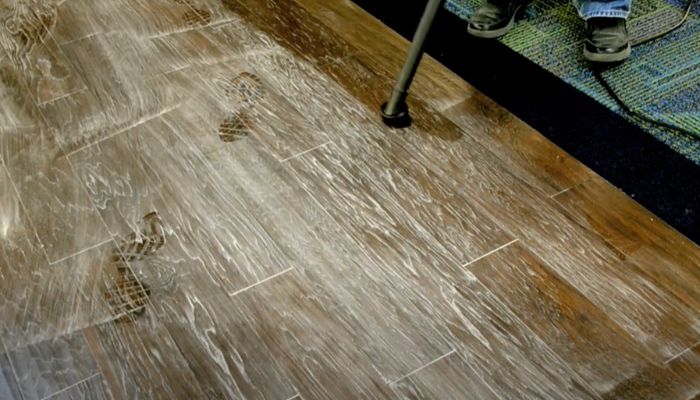
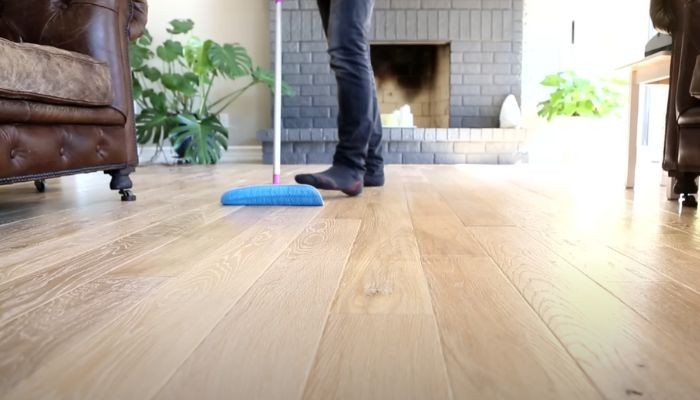
Vacuum or sweep to remove abrasive particles (sand, grit, pet dander) that can scratch the wear layer. Work from the far corner toward the exit to avoid re-walking cleaned areas.
Prepare Cleaning Solution
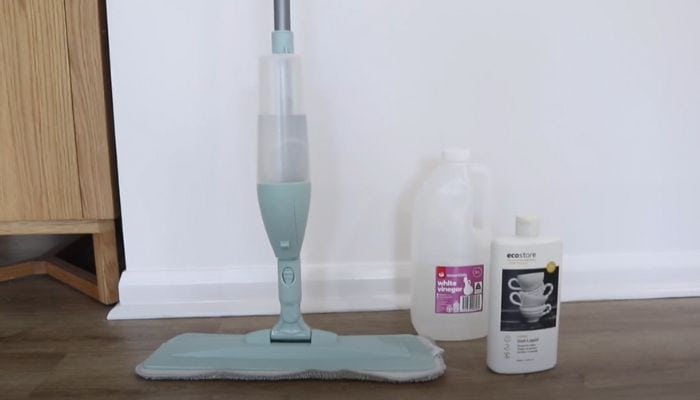
Mix lukewarm water (75–85°F / 24–29°C) with pH-neutral cleaner per product instructions, or combine equal parts white vinegar and warm water. Test on an inconspicuous area first.
Mop in Sections
Using a back-and-forth motion, mop 4–6 foot sections at a time. Rinse the mop frequently (every 2–3 sections) to prevent spreading grime. Work toward the exit door.
Spot Treat Stubborn Stains
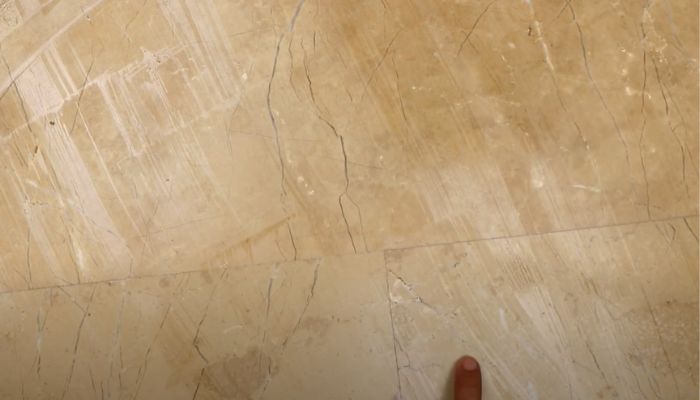
For adhesive residues, ink marks, or scuffs, apply a 5:1 water-to-baking soda paste (pH 8.5) with a soft cloth. Rub gently for 10–15 seconds, then wipe clean. Avoid abrasive pads.
Dry Immediately
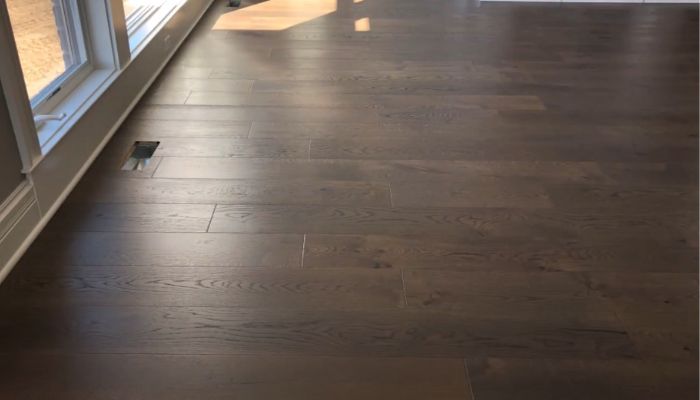
Within 30 seconds of mopping each section, dry the floor with a clean microfiber cloth. Standing moisture penetrates seams within 2–3 minutes, causing HDF swelling and peaking at plank edges.
Schedule Regular Maintenance
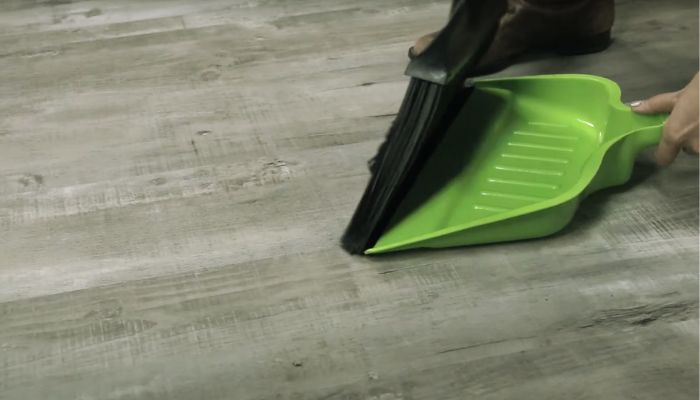
Vacuum or sweep daily in high-traffic areas, damp-mop weekly, and perform deep cleaning monthly. Place felt pads under furniture legs (3/8″ thick minimum) to prevent indentation damage.
Frequently Asked Questions
Can bleach remove tough spots from laminate floors?
Bleach removes tough spots from laminate floors but causes irreversible damage—etching the wear layer within 2–3 applications and discoloring the decorative layer within 6–12 months. Use a 5:1 water-to-baking soda paste instead for spot treatment.
Does bleach damage the finish of laminate flooring?
Bleach (pH 11–13) etches the melamine wear layer through saponification, degrading the protective coating. This causes discoloration, delamination, and warping. The damage is irreversible—re涂层 cannot restore the original surface integrity.
What cleaning solutions are safe for laminate floors?
Safe alternatives include pH-neutral commercial cleaners (pH 7), equal parts white vinegar and water (pH 3–4 dilution), and 1 teaspoon dish soap per gallon of water (pH 8–9). All are effective for daily cleaning without damaging the wear layer.
Can I use Dettol on laminate flooring?
Dettol (benzalkonium chloride) is a quaternary ammonium compound with pH 6–8, making it safer than bleach for laminate floors. Dilute per product instructions and rinse afterward to prevent residue buildup.
Is baking soda safe for laminate floors?
A paste of 5 parts water to 1 part baking soda (pH 8.5) is safe for spot-treating stubborn stains on laminate floors. Apply with a soft cloth, rub gently for 10–15 seconds, and wipe clean immediately.
What chemicals damage laminate floors?
Alkaline chemicals with pH above 10 (bleach, ammonia, high-pH tile cleaners) saponify the melamine wear layer. Acidic chemicals with pH below 3 (undiluted vinegar, acidic stain removers) degrade polyurethane coatings. Alcohol-based cleaners (isopropyl) evaporate too quickly to damage but may affect some adhesive types.
Conclusion
Bleach (sodium hypochlorite, pH 11–13) chemically damages laminate flooring through wear layer etching, adhesive bond degradation, and decorative layer fading. For the 20–25 year expected service life of laminate floors, use pH-neutral cleaners (pH 7) instead.
The safest daily protocol combines dry dusting, damp mopping with pH-neutral solution, and immediate drying. For stubborn stains, apply a 5:1 water-to-baking soda paste (pH 8.5) with gentle agitation. These methods maintain floor integrity without the irreversible damage caused by bleach.
For more cleaning guidance, explore our Laminate & Vinyl Floor Care Hub or browse the Cleaning Glossary for terminology definitions.
References
- EPA. (2023). Selected EPA-Registered Disinfectants for SARS-CoV-2. U.S. Environmental Protection Agency.
- North American Laminate Flooring Association. (2022). Laminate Flooring Care and Maintenance Guidelines. NALFA.
- CDC. (2023). Understanding Cleaning and Disinfection in Healthcare Settings. Centers for Disease Control and Prevention.
- Mulak, V. (2019). Chemical degradation of polymer-based floor coverings. Progress in Organic Coatings, 135, 123–131. doi.org/10.1016/j.porgcoat.2019.05.012


