
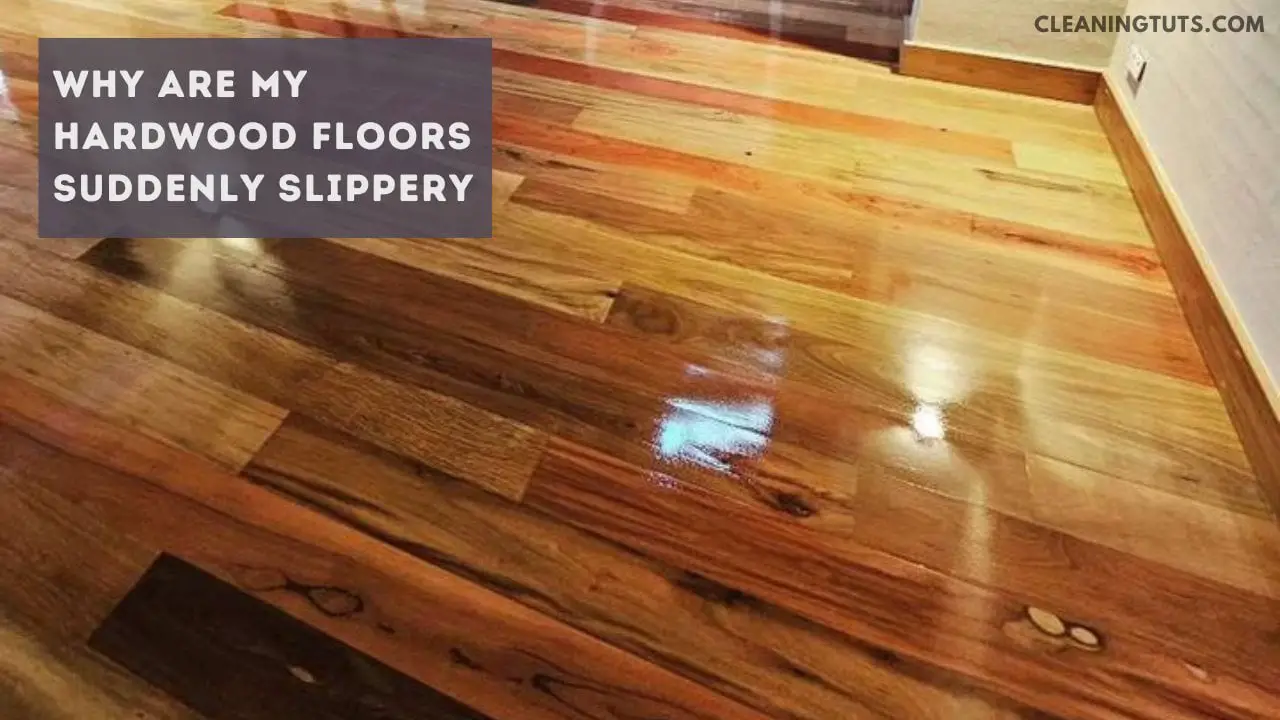
Why Are My Hardwood Floors Suddenly Slippery? – Know the Reasons and Solutions

Hardwood floors become slippery when the coefficient of friction (COF) drops below 0.5 on the dry surface or 0.3 on wet surfaces, according to ASTM C1028 standard testing methods. Natural wear, improper finishes, moisture accumulation, and residue from cleaning products all reduce traction and create hazardous walking conditions.
Hardwood floors become slippery due to six primary causes: loss of friction from worn finishes, glossy surface coatings, excessive moisture, heavy foot traffic, temperature fluctuations, and cleaning product residue.
The 6 Primary Causes of Sudden Hardwood Floor Slipperiness
Hardwood floor slipperiness stems from reduced surface traction. Understanding the root causes helps homeowners apply targeted solutions.
1. Loss of Friction
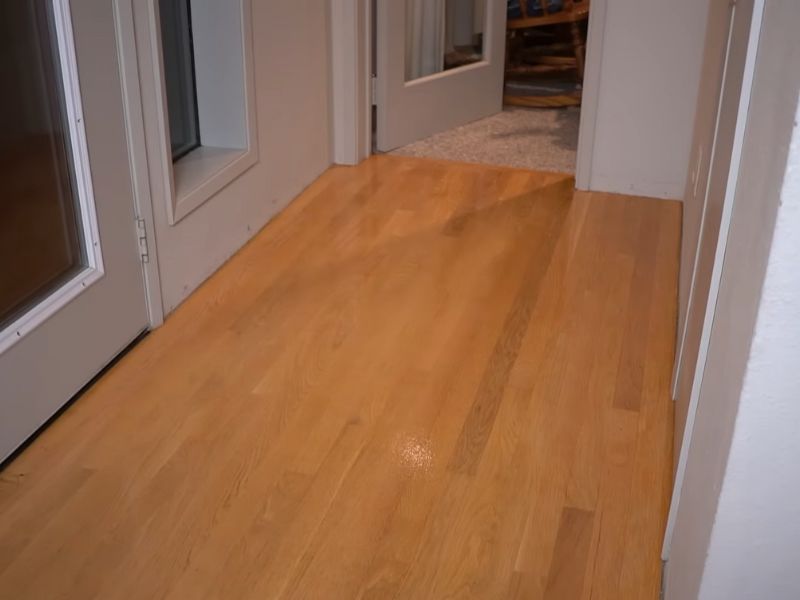
Oil-based or wax-based cleaning products coat hardwood surfaces with a thin, lubricating film that reduces the coefficient of friction (COF) to dangerous levels below 0.5.
Surface wear exposes raw wood grain, which polishes smooth under foot traffic. Uncoated wood provides insufficient traction, increasing slip risk significantly.
Solutions for Restoring Floor Traction
- Switch to pH-neutral cleaners specifically formulated for hardwood (pH 6.0–8.0 range).
- Apply water-based polyurethane finishes that cure to a COF of 0.5–0.6 on dry surfaces.
- Refinish worn floors by sanding to bare wood and applying a new traction-enhancing coat.
2. High-Gloss Surface Finishes
Glossy polyurethane and surface coatings create mirror-like surfaces with COF readings as low as 0.3–0.4 when wet. Uneven application causes inconsistent traction across the floor.
Over-polishing burns the finish to a glass-like smoothness that actively repels traction.
Corrective Approaches for Finish Issues
- Consult a floor cleaning professional to evaluate finish compatibility with your subfloor type.
- Apply a matte or satin-finish coat with anti-slip additives to achieve a COF above 0.5.
- Use a sanding screen (120-grit) to add texture without stripping the existing finish.
3. Excessive Moisture and Contaminants
Water acts as a lubricant between footwear soles and floor surfaces, reducing COF by up to 60%. Liquid barriers create immediate slip hazards on any hard surface.
Fine particles (dust, sand, pollen at 10–50 micron sizes) become rolling bearings underfoot, providing zero traction while actively grinding floor finishes.
Practical Solutions for Moisture Control
- Mop spills immediately using absorbent microfiber mops that hold 8x their weight in water.
- Maintain indoor relative humidity between 35%–50% (National Wood Flooring Association recommendation). Use humidifiers in arid climates and dehumidifiers where relative humidity exceeds 60%.
- Install entry mat systems (minimum 6 feet) to capture 80% of particulates before they reach the hardwood.
4. Heavy Foot Traffic and Footwear
Continuous foot traffic compresses finish fibers and creates polished wear paths with COF measurements dropping to 0.2–0.3 in high-traffic zones.
High-heel shoes (stiletto heels with less than 0.1 square inch contact area) concentrate 2,000+ PSI on the floor surface, damaging finish integrity. Worn-out shoe treads provide zero grip on smooth hardwood.
Preventive Steps for High-Traffic Areas
- Conduct quarterly inspections of floor finish integrity in doorways and hallways.
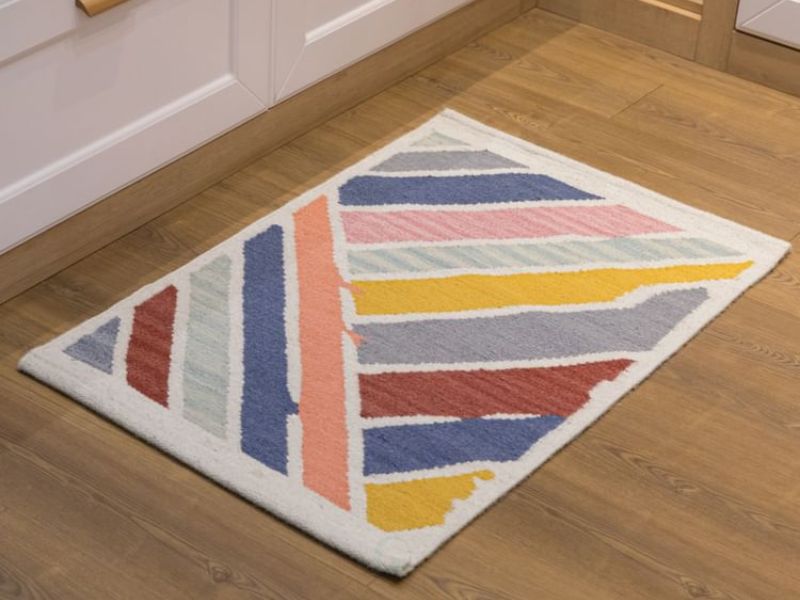
- Install non-slip runner rugs with rubber backing (COF enhancement of 0.3–0.4) in high-traffic corridors.
- Replace footwear with rubber-soled shoes when walking on hardwood floors.
5. Surface Temperature Fluctuations
When hardwood floor surface temperature drops below the dew point (typically 55–65°F depending on humidity), condensation forms instantaneously. Ice formation occurs at surface temperatures below 32°F.
Rapid temperature shifts (more than 10°F per hour) cause condensation to form faster than it evaporates, creating persistent slick conditions.
Protective Measures for Temperature Control
- Maintain consistent indoor temperatures between 60–75°F year-round to prevent dew point formation.
- Monitor relative humidity levels and keep them between 35%–50% to raise the dew point above room temperature.
- Use programmable thermostats to eliminate sudden temperature swings of more than 5°F per hour.
6. Inappropriate Cleaning Products
Wax-based, oil-based, and silicone-containing cleaning products leave polymer residues that reduce floor COF to 0.2–0.3 when wet—below the OSHA recommended minimum of 0.5 for flat surfaces.
Acidic cleaners (pH below 4.0) chemically etch polyurethane finishes, creating microscopic pitting that actually increases surface smoothness while degrading the protective coating.
Safety Interventions for Cleaning Product Selection
- Select pH-neutral cleaners in the 6.0–8.0 range specifically labeled safe for hardwood floors.
- Verify product compatibility by testing on an inconspicuous 2×2 foot area before full application.
- Avoid acrylic末 or silicone末 furniture polishes near hardwood floor surfaces.
Proven Techniques to Make Hardwood Floors Less Slippery
Apply these evidence-based methods to restore safe traction levels (COF 0.5 or higher) to your hardwood floors.
1. Establish a Weekly Floor Cleaning Routine
Weekly cleaning prevents the particulate buildup that reduces floor traction by up to 40% in high-traffic households.
- Step 1: Mix 1/4 cup pH-neutral hardwood floor cleaner with 1 gallon of warm water (90–110°F). Test pH with strips to confirm 6.0–8.0 range.
- Step 2: Dip microfiber mop and wring to 90% dryness—excess water causes moisture penetration into wood planks.
- Step 3: Mop using overlapping strokes, working from the farthest corner toward the exit.
- Step 4: Clean spills within 2 minutes to prevent moisture absorption and finish damage.
2. Install Entry Mat Systems
Entry mats capture 80–90% of incoming debris and moisture within the first 3–5 steps inside a doorway. The Cleaning Glossary contains additional floor care definitions.
- Use coir (coco fiber) mats rated for 1,000+ impressions before fiber degradation.
- Position a water-absorbent rug (minimum 4×6 feet) directly inside the entry point.
3. Add Area Rugs with Non-Slip Underlays
Area rugs increase floor COF from 0.3–0.4 (bare hardwood) to 0.7–0.8 when paired with rubber non-slip pads (minimum 0.25-inch thickness).
Ensure rug backing contains natural rubber (not latex, which can stain hardwood finishes).
4. Remove Wax and Polish Buildup
Wax and acrylic polish accumulations create a glass-like surface with COF readings as low as 0.15–0.2 when contaminated with dust or moisture.
- Apply a water-based floor stripping solution rated for hardwood (pH 8.0–10.0).
- Allow stripping agent to dwell for 3–5 minutes without drying.
- Scrub with a 175 RPM floor buffer equipped with a 320-grit sanding screen.
- Neutralize with clean water and allow 24-hour drying before applying new finish.
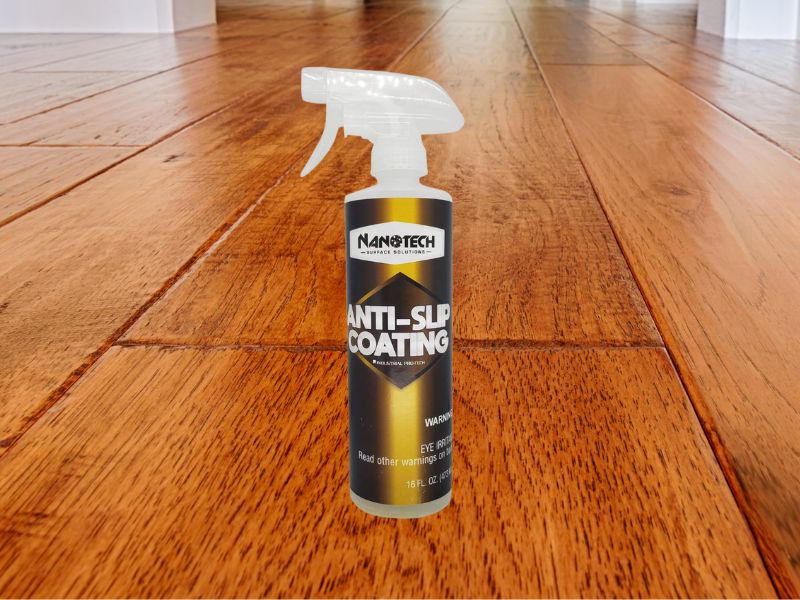
5. Apply Anti-Slip Treatment Coatings
Anti-slip acrylic copolymer coatings increase wet COF from 0.3 to 0.6+ and meet ASTM D2047 test standards for slip resistance on wood surfaces.
- Clean floor thoroughly and allow 24-hour curing after last wet cleaning.
- Apply first coat using a tapered microfiber applicator at 500 sq ft/hour coverage rate.
- Allow 10-hour curing interval between coats (full cure: 72 hours at 70°F).
6. Use Non-Skid Floor Paints
Urethane and epoxy non-skid coatings provide COF improvements of 0.3–0.4 when properly applied and meet hardwood floor maintenance standards.
- Step 1: Dilute 1 fluid ounce of non-skid additive per 20–22 fluid ounces of water-based urethane.
- Step 2: Apply with a damp mop using figure-8 application pattern.
- Step 3: Allow 72-hour full cure time before foot traffic.
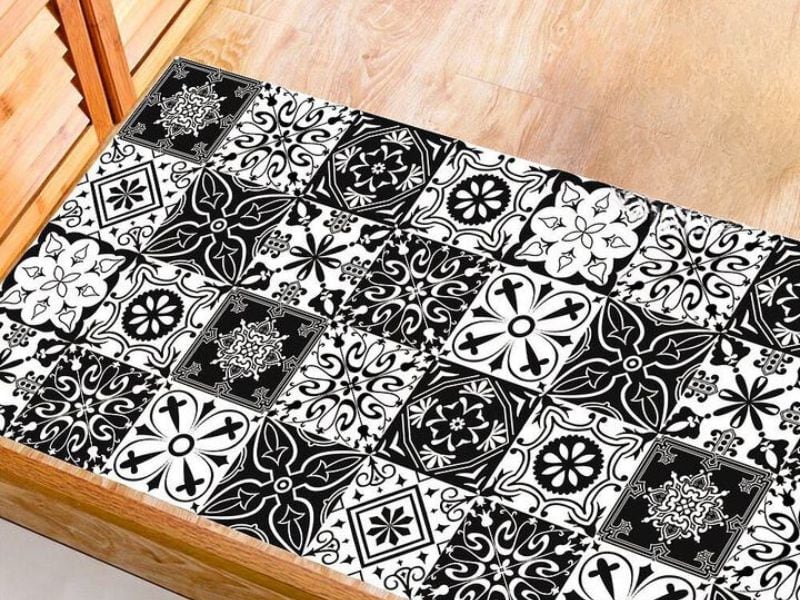
7. Install Peel-and-Stick Anti-Slip Tiles
These tiles are rated for 50+ PSI load capacity and work best in moisture-prone areas like kitchens and bathrooms. The adhesive bonds fully within 24 hours at temperatures above 65°F.
- Peel backing and position tiles with 1/8-inch gaps for expansion.
- Press firmly with 15 PSI pressure applied across entire tile surface.
- Allow 24-hour cure time before exposing to moisture.
8. Sand and Refinish for Permanent Traction
Refinishing restores original wood grain texture (120-grit sandpaper creates 0.015-inch scratch depth for mechanical traction) and allows application of modern anti-slip finishes.
- Step 1: Clear all furniture, seal HVAC vents, and close all interior doors to contain dust.
- Step 2: Sand floor sequentially with 60-grit (initial pass), 80-grit (intermediate), and 120-grit (final) sandpaper.
- Step 3: Vacuum thoroughly and wipe with tack cloth to remove all dust particles.
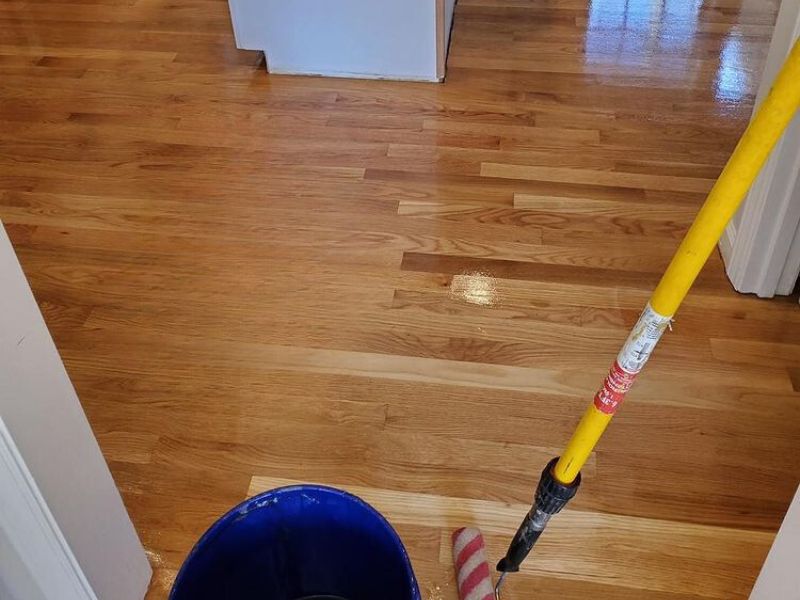
- Step 4: Apply water-based polyurethane at 500 sq ft/gallon coverage rate using a 3/8-inch nap roller.
- Step 5: Allow 4-hour between-coat cure time; full cure in 72 hours at 70°F and 50% relative humidity.
Frequently Asked Questions
Common questions about hardwood floor slipperiness answered by industry standards and manufacturer guidelines.
Does Vinegar Make Floors Less Slippery?
Vinegar (pH 2.4–2.8) dissolves wax finishes and etches polyurethane at the microscopic level. While it may temporarily remove waxy residue, vinegar degrades the protective finish, ultimately making floors MORE slippery over time. Use pH-neutral cleaners (pH 6.0–8.0) instead.
Do All Hardwood Floor Types Have Equal Slipperiness?
No. Smooth hardwood species (maple, beech) have naturally lower COF readings than textured species (red oak, hickory). Prefinished floors with aluminum oxide additives provide 40% higher traction than site-finished polyurethane alone.
What Humidity Level Prevents Hardwood Floor Condensation?
Maintaining 35%–50% relative humidity at temperatures between 60°F–75°F keeps floor surfaces above dew point and prevents condensation formation. When humidity drops below 30%, gaps between planks exceed 0.5 inches; above 60%, cupping and crowning occur.
When Should I Hire a Professional for Floor Slipperiness?
Hire a professional when: (1) COF measurements remain below 0.5 after remediation attempts, (2) finish replacement requires sanding beyond 1/32 inch of wood thickness, (3) subfloor moisture issues are suspected, or (4) the floor shows signs of biological growth (mold, mildew) requiring EPA-registered biocide application.
References
- National Wood Flooring Association. (2024). Hardwood Flooring Maintenance Guidelines. NWFA.org.
- ASTM International. (2023). ASTM C1028-07(2021) Standard Test Method for Determining the Static Coefficient of Friction of Ceramic Tile and Glass Used in Dry, Wet, and Grease Environments. ASTM.org.
- OSHA. (2023). Walking-Working Surfaces Standards (29 CFR 1910.22). OSHA.gov.
- U.S. Forest Service. (2022). Wood Handbook: Wood as an Engineering Material. FPL.fs.fed.us.
- EPA. (2023). Safer Choice Program — Cleaning Products for Wood Floors. EPA.gov.
Can Using Too Much Floor Cleaner Make Hardwood Floors Slippery?
Excessive floor cleaner dosage leaves polymer and surfactant residues that reduce coefficient of friction by 40–60% on hardwood surfaces. Using the correct dilution ratio (typically 1/4 cup concentrate per gallon of warm water) prevents residue buildup that creates slippery conditions.
Conclusion
Hardwood floor slipperiness results from reduced surface friction caused by wear, moisture, temperature shifts, and cleaning product residue. Maintaining indoor humidity at 35%–50%, using pH-neutral cleaners (6.0–8.0), and applying anti-slip treatments that achieve COF ratings above 0.5 prevent hazardous conditions. For persistent slipperiness, consult a floor cleaning professional or hardwood floor specialist to assess whether refinishing is necessary.
Regular maintenance—including weekly cleaning, entry mat use, and prompt spill cleanup—preserves floor traction and extends hardwood lifespan.


