
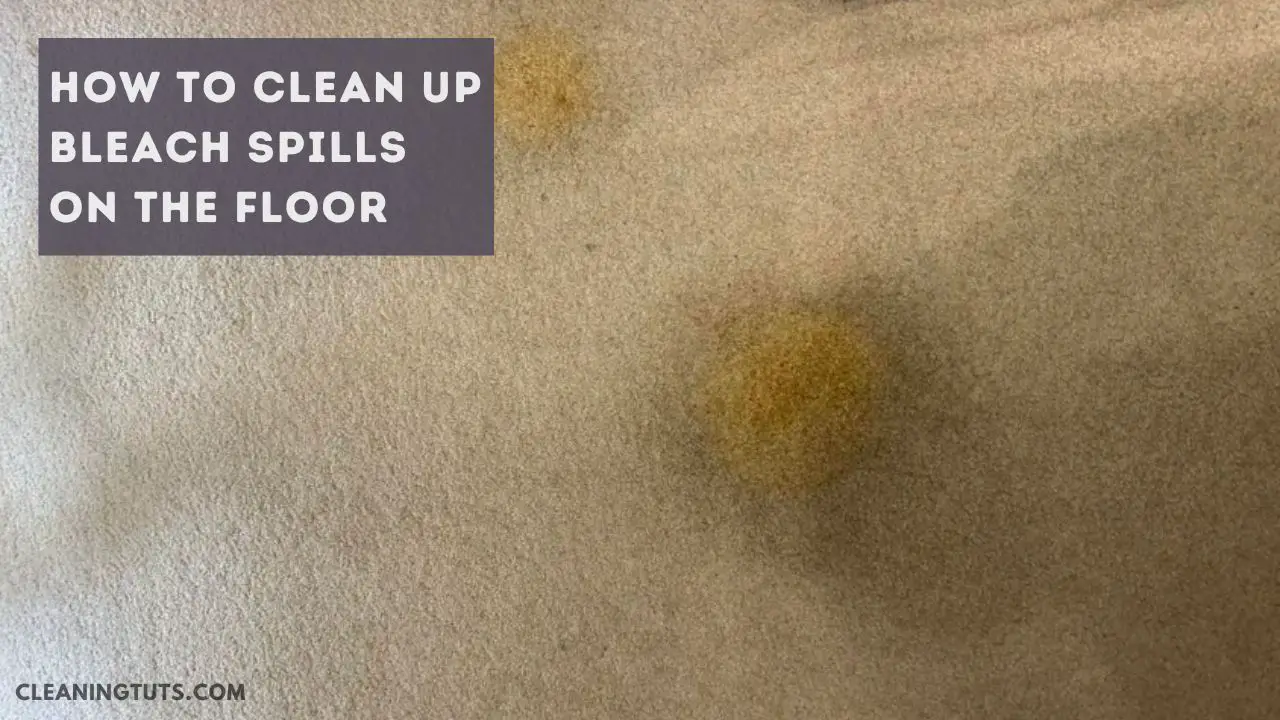
How to Clean Up Bleach Spills on the Floor? − The Perfect Guide for You!

Bleach spills on floors require immediate action to prevent permanent damage. The cleaning method depends on your floor type: hardwood needs hydrogen peroxide neutralization, tile responds to hydrogen peroxide or baking soda treatments, marble requires pH-neutral cleaners due to calcium carbonate composition, and carpet stains may need color restoration. Acting within minutes of a spill significantly increases the chance of complete stain removal without etching or discoloration.
The cleaning procedure and items needed depend on the flooring material. Every flooring material has distinct properties, and bleach reacts differently with each surface.
This guide covers cleaning methods for hardwood, vinyl, tile, carpet, concrete, and marble floors. For more floor cleaning techniques, visit our Floor Cleaning Master Hub. You can also browse our Cleaning Glossary for definitions of cleaning terms.
Clean Up Bleach Spill on Hardwood Floor
Hardwood floors are made with porous natural wood, which means they have high absorbance. Beyond their structural integrity, they are highly sensitive to moisture and pH changes. Household bleach (sodium hypochlorite) has a pH of approximately 11-13, which causes alkaline etching on wood surfaces.
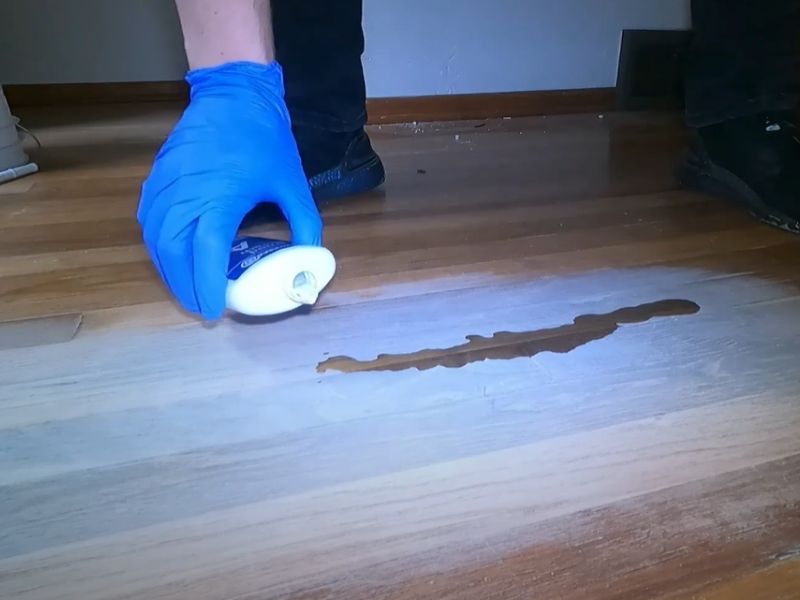
When bleach spills on hardwood floors, it creates discoloration patches and destroys the surface finish layer. Untreated spills lead to cracking, bulging, or splintering within 24-48 hours as the alkaline solution breaks down wood lignin. For comprehensive guidance on hardwood floor care, see our dedicated guide.
Required Cleaning Items
Before starting, gather these items:
7 Steps to Remove Bleach from Hardwood Floors
Put on protective eye covers and gloves before starting. Bleach generates chemical fumes that irritate respiratory passages, and direct contact causes skin burns. Work in a well-ventilated area.
Begin cleaning immediately after discovering the spill. Bleach penetrates wood fibers within 5-10 minutes, causing permanent staining. Blot (do not rub) the excess bleach with clean towels.
Blot the stain gently with towels or rags to soak up as much bleach as possible. Work from the outside edge of the stain toward the center to prevent spreading.
Neutralize the bleach with a solution of hydrogen peroxide and warm water in a 1:10 ratio (1 part 3% hydrogen peroxide to 10 parts water). Alternatively, use white vinegar and water in a 1:4 ratio. The acidic solution neutralizes the alkaline bleach (pH 11-13) back to a safe pH level.
Dampen a clean towel with the neutralization solution. Place it over the stain and let it sit for 10-12 minutes. The solution breaks down the bleach residue and lifts it from the wood pores.
Remove the towel and clean any residue with a damp cloth. Rinse the area with clean water to remove any remaining neutralization solution.
Ensure the floor is completely dry. If staining persists, repeat the process. For dull spots, apply hardwood floor polish or wax to restore the shine.
If the floor shows dullness after cleaning, apply hardwood floor polish or wax to restore the finish. For deep etching, sanding and refinishing may be necessary.
- Test the cleaning solution on an inconspicuous area first to check for colorfastness.
- Never scrub hardwood with abrasive materials—use gentle blotting motions to avoid scratches.
CAUTION!
Ensure proper ventilation during cleaning. The reaction between bleach and organic materials releases chlorine gas and other harmful fumes. Keep windows open or use exhaust fans.
Clean Up Bleach Spills on Tile Floor
Tile floors include porcelain, ceramic, and natural stone materials such as granite and marble. Ceramic tiles are the most common residential flooring. Porcelain tiles have a water absorption rate of less than 0.5%, making them more resistant to stains than natural stone. However, prolonged bleach exposure causes color dulling and surface degradation even on impervious ceramic tiles. For detailed tile cleaning methods, see our Tile & Grout Hub.
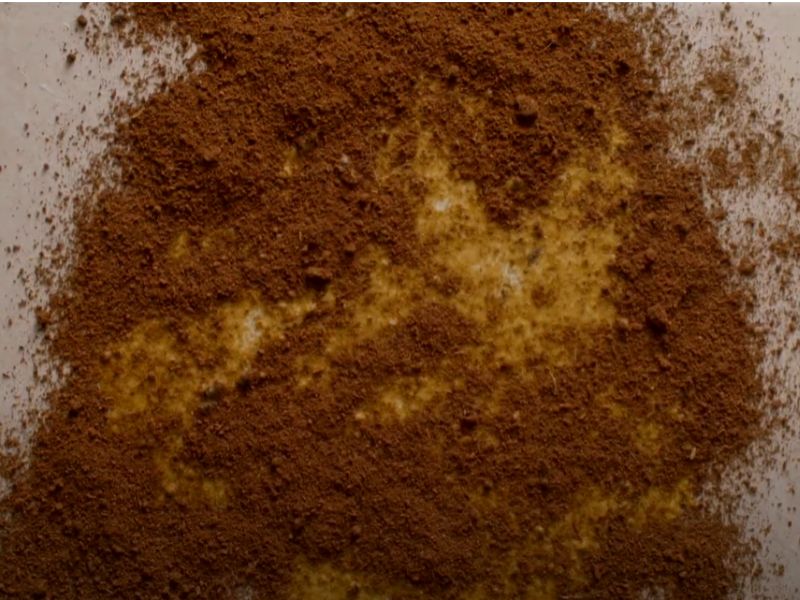
While ceramic tiles are durable and resist bleach damage better than natural materials, extended exposure breaks down the glazed surface layer. This causes permanent color fading within 15-30 minutes of contact with undiluted bleach.
Required Cleaning Items
Gather these items for tile floor bleach spill cleanup:
6 Steps to Remove Bleach from Tile Floors
Blot up the excess bleach with clean towels or rags. Wear safety equipment—gloves and goggles—before handling bleach solutions.
Use paper towels to soak up remaining liquid, then dry the tiles completely with a clean cloth.
For light stains, apply a mixture of 1 part 3% hydrogen peroxide to 10 parts water (1:10 ratio). This neutralizes residual bleach and lifts superficial staining.
Soak a clean towel in the solution and place it over the stain. Leave it for 6 hours (overnight for best results). The extended contact time allows the solution to penetrate and dissolve bleach residue.
For heavy stains, create a paste using baking soda, hydrogen peroxide, and potassium tartrate in a 1:1:2 ratio. Apply directly to the stain and allow it to sit for 24 hours.
Remove the paste with a soft-bristle brush, then clean with a water-soaked cloth or mop. Rinse thoroughly to remove all chemical residues.
For unglazed tiles with persistent staining, light sanding with 400-600 grit sandpaper for 10-15 minutes may remove surface discoloration. This method is not suitable for glazed tiles as it damages the glaze.
CAUTION!
Never mix bleach with vinegar, ammonia, or other cleaning agents. The combination releases chlorine gas (Cl₂) and chloramine vapor, which cause chemical burns to respiratory tissues and can be fatal in enclosed spaces.
Clean Up Bleach Spills on Carpets and Rugs
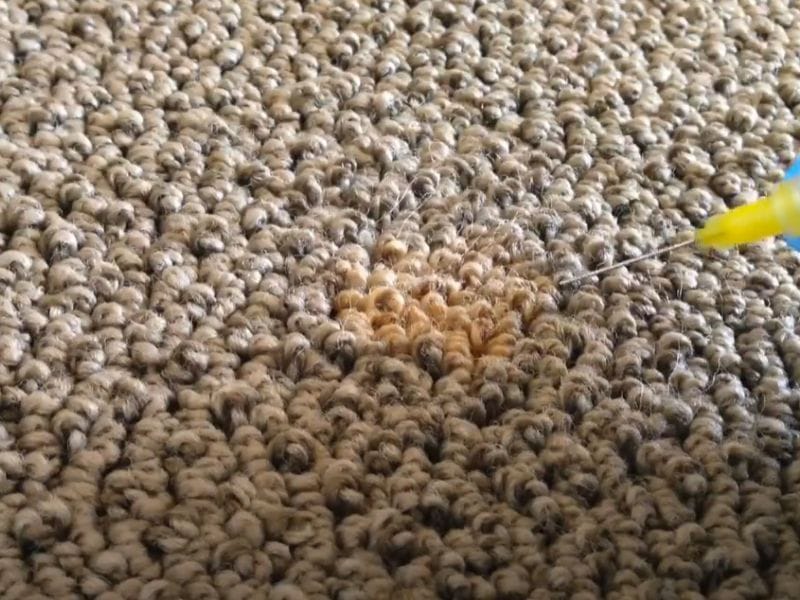
Carpets and rugs contain porous fibers that absorb liquids rapidly. Woolen and synthetic carpets are equally susceptible to bleach damage, which causes permanent color loss. Bleach reacts with the proteins in wool fibers and the dyes in both natural and synthetic materials, causing oxidation that permanently whitens or yellows the affected area. For more stain removal techniques, visit our Stain Removal Hub.
Required Cleaning Items
6 Steps to Remove Bleach from Carpets or Rugs
Act immediately. Carpet fibers absorb bleach within 60-90 seconds, and the oxidation reaction that causes discoloration begins immediately upon contact. The faster you begin treatment, the better the chances of minimizing permanent damage.
Blot the stain with a water-soaked towel. Work from the outside of the stain toward the center to prevent spreading. Never rub the carpet—this forces the bleach deeper into the fibers and widens the stained area.
Create a cleaning solution of ¼ teaspoon (1.25 mL) of pH-neutral dish soap in 8 ounces (240 mL) of warm water. Apply gently to the stain and let it sit for 5-6 minutes to neutralize the bleach.
Alternatively, use a mixture of 2 tablespoons (30 mL) of white vinegar (5% acetic acid) in 3-4 cups (720-960 mL) of water. The mild acidity neutralizes bleach residue effectively on most carpet types.
After 5 minutes, blot with a sponge using cold water rinse. Avoid using hot water, as heat sets bleach stains permanently by accelerating the oxidation reaction. Allow the carpet to air dry completely.
For persistent discoloration, repeat the process. If color loss remains visible, use a carpet crayon that matches your carpet color to fill in the bleached area, then blend with a damp towel.
If discoloration remains, select a crayon matching your carpet’s color. Color the bleached spot, then gently rub with a wet towel to blend the color into surrounding fibers.
CAUTION!
Never use ammonia, undiluted vinegar, or abrasive cleaning tools on carpets. Ammonia causes immediate color fading on wool and silk. Undiluted acid damages synthetic fibers. Abrasive tools destroy carpet pile texture.
Clean Up Bleach Spills on Concrete Floor
Concrete is a porous material with a pH of 10-12 when new, which makes it susceptible to chemical damage. Bleach penetrates concrete’s capillary pores and reacts with calcium hydroxide (lime) in the matrix. Extended bleach exposure causes surface etching, pitting, and aggregate exposure within 30-60 minutes. For comprehensive floor care, see our guide on Floor Cleaning Master Hub.
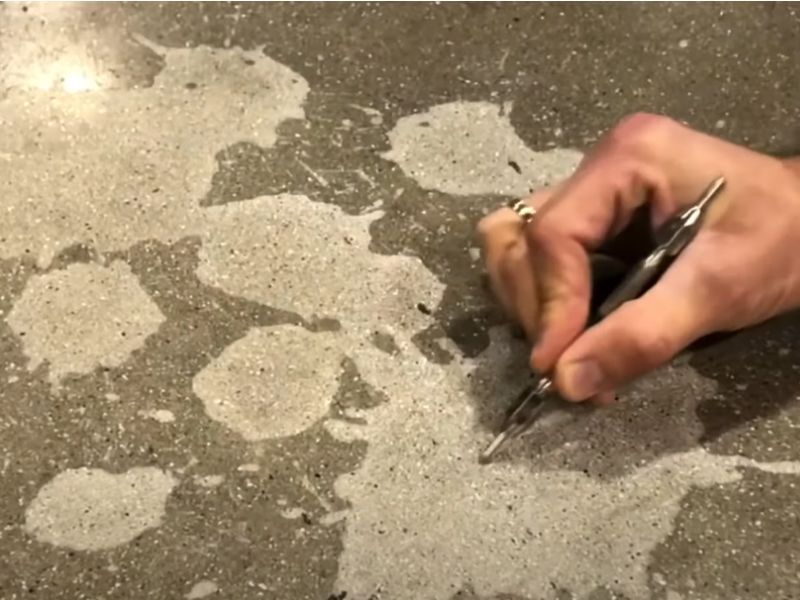
Concrete surfaces can develop etching, scratching, and discoloration from prolonged bleach exposure. The calcium silicate hydrate matrix breaks down when exposed to alkaline solutions, causing surface dissolution and loss of finish.
Method 1: Using Paper Towels and Absorbent Material
Required Cleaning Items
3 Steps to Remove Bleach from Concrete Floor
Blot up excess bleach with paper towels, working quickly to prevent deep penetration into the concrete pores.
Apply an absorbent material such as cat litter, fuller earth clay, or specialized absorbent granules. Let it sit for 5-10 minutes to draw out the remaining moisture. Do not rub—simply leave the absorbent in place.
Sweep up the absorbent material, then dilute residual bleach with cold water. Mop the area thoroughly to neutralize any remaining alkaline residue.
Method 2: Using All-Purpose Cleaner
Required Cleaning Items
5 Steps to Remove Bleach from Concrete Using Cleaner
Mix a concrete floor cleaner with water according to package instructions. Recommended products include Rust-Oleum Cleaner and Degreaser, Simple Green Oxy Solve Concrete Floor Cleaner, or comparable pH-neutral formulas. Follow dilution ratios precisely—typically 4-8 oz per gallon of water.
Apply the solution with a mop or stiff-bristle brush. Scrub gently using overlapping strokes to ensure complete coverage of the affected area.
Rinse the area with clean water to remove cleaning solution residue. Dry thoroughly with a clean rag.
Ensure the floor is completely dry. If staining persists, repeat the cleaning process. Severe etching may require pressure washing or professional concrete restoration.
To prevent future damage, apply a concrete sealer such as Foundation Armor, Ghostshield Siloxa, or Eagle Armor Seal. These penetrate the concrete matrix and provide chemical resistance for 3-5 years before reapplication is needed.
Properly dispose of chemical-soaked materials. Place used rags, paper towels, and absorbent materials in a sealed plastic bag before disposal to prevent environmental contamination.
CAUTION!
Concrete becomes extremely slippery when wet during cleaning. Place warning signs and allow the surface to dry completely before walking on it. Wear non-slip footwear during the cleaning process.
Clean Up Bleach Spills on Vinyl Floor
Vinyl flooring consists of PVC (polyvinyl chloride) with plasticizers, making it somewhat chemical-resistant but not immune to damage. Repeated or prolonged bleach exposure causes vinyl to become brittle, discolor, and crack. The Laminate & Vinyl Hub provides comprehensive care guidelines for these floor types.
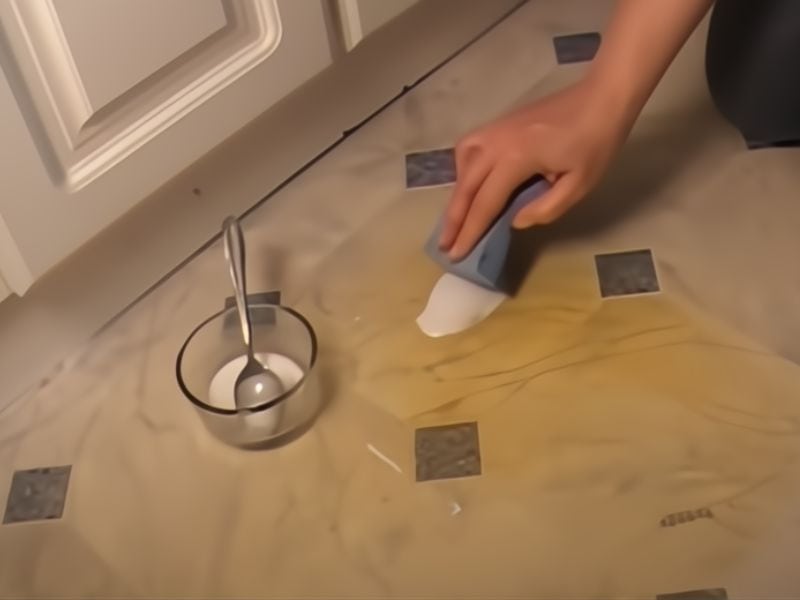
Household bleach (sodium hypochlorite at 5-6% concentration) degrades the polymer structure of vinyl floors. Extended exposure—typically more than 10-15 minutes—causes the surface to whiten, peel, or develop chalky residue. Immediate cleanup prevents permanent damage.
Required Cleaning Items
4 Steps to Remove Bleach from Vinyl Floors
Wipe the vinyl surface immediately with a damp cloth to remove surface bleach. For larger spills, use a soaking mop to cover the affected area quickly.
Apply a small amount of diluted bleach (1 part bleach to 10 parts water) to a cloth or soft sponge. Gently stroke the stained area. This light bleaching action evens out discoloration caused by the original spill.
Immediately rinse with cold water to remove all bleach residue before it dries. Dried bleach on vinyl causes permanent chemical etching within 5-10 minutes.
Wipe dry with a clean, dry cloth. Ensure no moisture remains in seams or edges, as vinyl is installed in sections with gaps that can trap water and promote mold growth.
Act within 1-2 minutes of a bleach spill on vinyl. Once bleach dries on vinyl, it causes polymer degradation that cannot be reversed. Prevention is the only reliable strategy for vinyl floors.
CAUTION!
Never scrub vinyl flooring with abrasive materials or steel wool. These scratch the wear layer and create pathways for deeper chemical penetration. Use only soft cloths, sponges, or nylon-bristle brushes.
Clean Up Bleach Spills on Marble Floor
Marble is a metamorphic rock composed primarily of calcium carbonate (CaCO₃), with a hardness of 3-5 on the Mohs scale. This makes it highly susceptible to acid and alkaline damage. Bleach (pH 11-13) reacts violently with calcium carbonate, causing immediate etching that dissolves the protective surface layer and exposes the crystalline matrix beneath. For comprehensive stone care, visit our Cleaning Chemistry Hub.
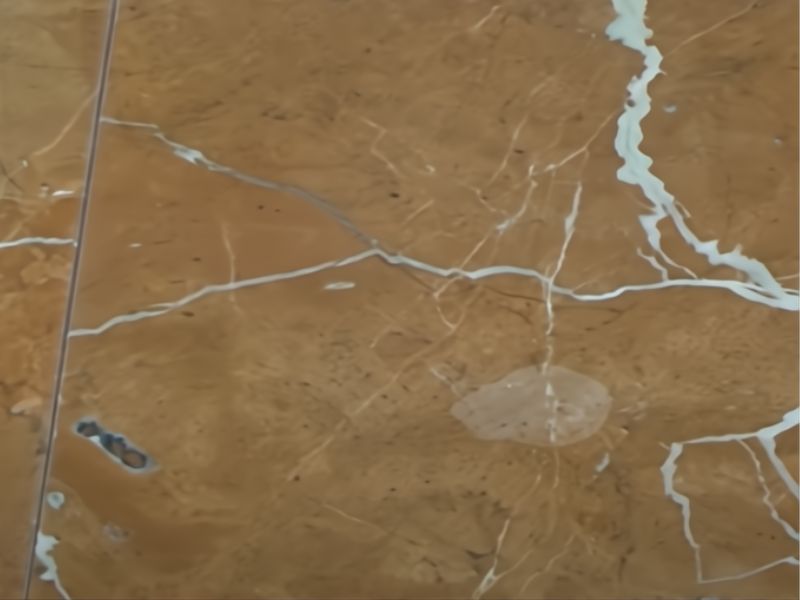
When bleach contacts marble, the alkaline solution breaks down calcium carbonate through an acid-base reaction. This creates calcium salts, water, and destroys the polished surface. The reaction begins immediately upon contact and progresses rapidly without intervention. Etching, pitting, and loss of shine are permanent without professional restoration.
Required Cleaning Items
6 Steps to Remove Bleach from Marble Floors
Blot up bleach immediately with paper towels or soft cloths. Do not wipe—blotting pulls the liquid up without spreading it. Marble absorbs liquids within 30-60 seconds, so speed is critical.
Rinse the area with cold water to dilute the bleach. Then neutralize using a solution of pH-neutral liquid soap (approximately pH 7) mixed with warm water. The neutral pH counteracts the alkaline bleach without causing additional etching.
Wipe the stain gently with a soft sponge, then rinse thoroughly with clean cold water to remove all soap residue. Marble is sensitive to mineral deposits, so use distilled water if your tap water is hard.
For etched areas, apply marble polishing powder or an etch remover product. These contain oxalic acid or similar compounds that re-crystallize the marble surface, restoring the original finish.
Mix the polishing powder with water to form a paste consistency. Apply with a soft cloth using circular motions until the surface shine is restored. For severe etching, multiple applications may be necessary.
Wipe the surface with a damp chamois to remove polishing residue, then dry completely. Ensure the floor is thoroughly dry—water spots on marble create mineral etching that requires additional polishing.
Dry the floor completely with a chamois or microfiber towel. Marble is porous and susceptible to water staining. For best results, use a sealant specifically formulated for marble, which typically requires reapplication every 12-18 months.
CAUTION!
Wear rubber gloves and protective goggles when handling bleach and cleaning solutions. The alkaline nature of bleach causes chemical burns upon skin contact and eye damage from splashes. Ensure adequate ventilation throughout the cleaning process.
Frequently Asked Questions
Can I use sandpaper to remove bleach stains from hardwood floors?
Yes, you can use 100-grit sandpaper to sand the stained area for 10-15 minutes until the bleach discoloration is removed. Follow with 150-grit and 220-grit sandpaper to smooth the surface, then apply wood finish or polish to restore the shine.
What color do bleach spills turn carpets or rugs?
Bleach causes oxidation of carpet dyes, resulting in white or pale yellow discoloration. The affected area loses color completely rather than changing to a different hue. This is permanent unless color restoration techniques are applied within the first few minutes of the spill.
How do you remove bleach stains from porcelain tile floors?
Apply a mixture of 1 part 3% hydrogen peroxide to 10 parts water (1:10 ratio) to the stain. Allow it to sit for 5-10 minutes, then scrub gently with a soft-bristle brush. For stubborn stains, use a paste of baking soda and hydrogen peroxide applied for up to 24 hours before rinsing.
Bleach Dilution Ratios Quick Reference
| Surface Type | Bleach Concentration | Neutralizing Agent | Application Time |
|---|---|---|---|
| Hardwood | 1:10 (hydrogen peroxide to water) | Hydrogen peroxide or white vinegar (1:4) | 10-12 minutes |
| Tile (light stains) | 1:10 (hydrogen peroxide to water) | Rinse with water | 6 hours (overnight) |
| Tile (stubborn stains) | 1:1:2 (baking soda:hydrogen peroxide:potassium tartrate) | Water rinse | 24 hours |
| Carpet | ¼ tsp dish soap in 8 oz warm water | White vinegar (2 tbsp in 3-4 cups water) | 5-6 minutes |
| Concrete | 4-8 oz cleaner per gallon water | Water rinse | 15-30 minutes scrubbing |
| Vinyl | 1:10 (bleach to water) – spot treatment only | Cold water rinse | 1-2 minutes maximum |
| Marble | pH-neutral soap only (no bleach) | Distilled water rinse | Immediate rinse required |
Conclusion
Bleach spills require immediate action regardless of floor type. The key to successful cleanup is speed: the faster you respond, the less permanent damage occurs. Each flooring material has distinct chemical properties and requires specific neutralization approaches.
Hardwood floors need hydrogen peroxide neutralization to counteract alkaline damage. Tile floors tolerate stronger treatments but require extended dwell times. Marble is the most sensitive, requiring pH-neutral approaches only. For comprehensive floor cleaning guidance, visit our Floor Cleaning Master Hub, and browse our Cleaning Glossary for terminology definitions.
Always wear protective equipment—gloves and goggles—when handling bleach. Never mix bleach with other cleaning agents, especially ammonia or vinegar, as this produces toxic chlorine gas. Prevention is the most effective strategy: use protective mats when working with bleach, and keep cleaning supplies readily accessible.
References
- U.S. Environmental Protection Agency. (2024). Selecting EPA-Registered Cleaning Products for Use Against SARS-CoV-2. EPA.
- Centers for Disease Control and Prevention. (2023). Cleaning and Disinfecting Your Home. CDC.
- National Sanitation Foundation. (2024). Cleaning Product Chemistry and Surface Compatibility. NSF International.
- Marble Institute of America. (2021). Stone Care Guidelines: Calcium Carbonate Stone Protection. Natural Stone Institute.
- American Society of Heating, Refrigerating and Air-Conditioning Engineers. (2023). Ventilation for Acceptable Indoor Air Quality (ASHRAE Standard 62.1).


