
Can You Use Dish Soap to Mop the Floor?

Dish soap is not designed for floors, but it can be used safely on ceramic tile, porcelain, vinyl, and linoleum when diluted correctly. However, it causes moisture damage on hardwood and laminate, leaves residue that reduces floor traction, and lacks the pH-balanced formulation engineered into purpose-built floor cleaners.
Surfactants in dish soap reduce water’s surface tension, breaking apart grease and grime. But because dish soaps contain additives — including dyes, fragrances, and moisturizers — that leave films on sealed stone and unfinished wood, they are not ideal for all floor types.
Yes — dish soap works on ceramic tiles, porcelain, linoleum, and vinyl when diluted properly. It reacts with solid dirt via surfactants that break apart debris. Avoid using it on hardwood, laminate, natural stone, or waxed floors where moisture and additive films cause etching, warping, or discoloration.
The Correct Method of Mopping the Floor Using Dish Soap
A perfectly clean and undamaged floor requires following the right method. Improper use leaves streaks, stains, and slippery residue.
Follow this step-by-step guide for correct mopping with dish soap:
Materials Required
Gather all necessary items before starting. Using the right products prevents floor damage and ensures effective cleaning.
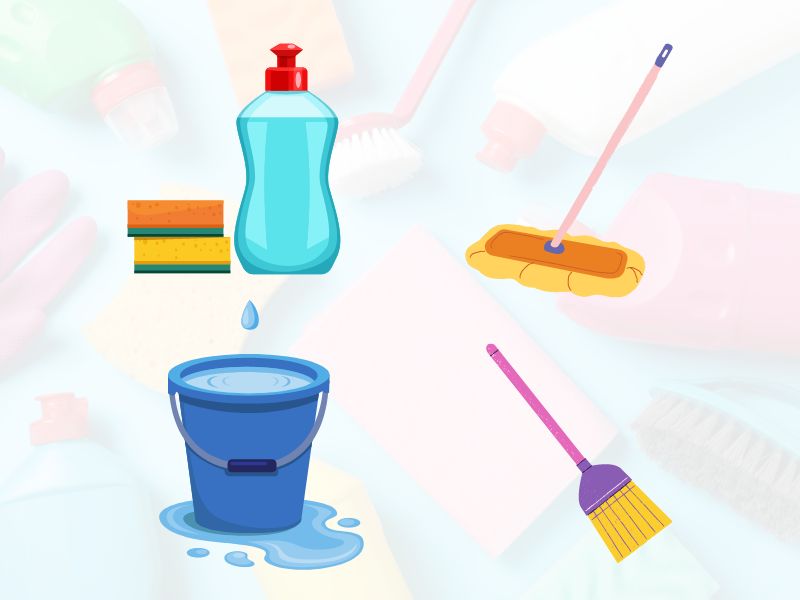
Choosing the wrong dish soap leaves a permanent stain on your floor. Avoid products containing bleach, phosphates, or triclosan.
The wrong mop type makes the job significantly harder. Review the required materials below:

Dish Soap
Choose a mild dish soap free from bleach, phosphates, and triclosan. Look for an NSF-certified product for safest results on household surfaces. Visit the Cleaning Glossary for more on surfactant chemistry.

Spin Mop or Flat Mop
A spin mop or flat microfiber mop works best — both hold less excess water than string mops, reducing moisture damage risk on sensitive floors. Microfiber traps dirt and debris rather than spreading it.

Vacuum or Broom
Remove loose hair, dust, and debris with a vacuum or broom before mopping. Vacuum troubleshooting guide helps if your machine loses suction.

Bucket and Warm Water
Warm water (not hot) dissolves dish soap more effectively and reduces thermal shock risk on vinyl and linoleum. Prepare the solution immediately before mopping.
Preparation
Pet hair and dust stick to wet mop strings, making cleaning far less effective. Dry soil must be removed before any wet mopping begins.
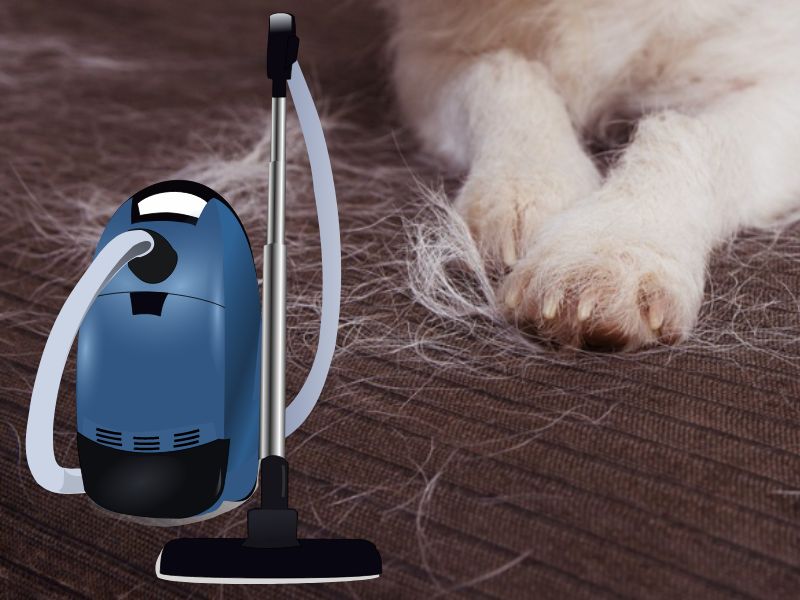
Sweep or vacuum the entire floor to remove loose hair, dirt, dust, and debris. Then clear the floor of furniture and obstructions so you can mop in an unbroken path from the farthest corner toward the exit door.
Mixing the Solution
Add 2 to 5 drops of liquid dish soap to a bucket of warm water. Stir gently to distribute the surfactant evenly without creating excessive foam.
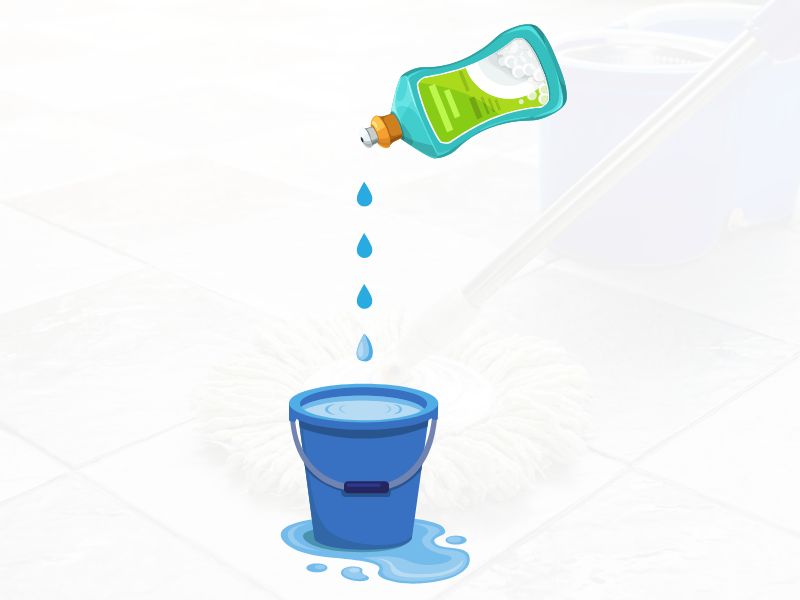
The correct soap-to-water ratio prevents soapy residue. The maximum safe concentration is approximately ½ cup (118 mL) of dish soap per gallon (3.8 L) of water — though 2 to 5 drops per bucket is sufficient for light cleaning.
Use warm water, not hot. Warm water (90–110°F / 32–43°C) dissolves soap effectively without thermal shock that can damage vinyl and linoleum seams over time.
Quick-Reference: Dish Soap Dilution Guide
| Bucket Size | Dish Soap Drops | Maximum Soap (for heavy soil) |
|---|---|---|
| 1 gallon (3.8 L) | 2–5 drops | 2 tbsp (30 mL) |
| 3 gallons (11.4 L) | 6–15 drops | 6 tbsp (89 mL) |
| 5 gallons (18.9 L) | 10–25 drops | 10 tbsp (148 mL) |
Mopping the Floor
Wet the mop in the soapy solution and wring out all excess water. The mop should be damp, not saturated — standing water causes moisture damage on all wood-based and laminate flooring.
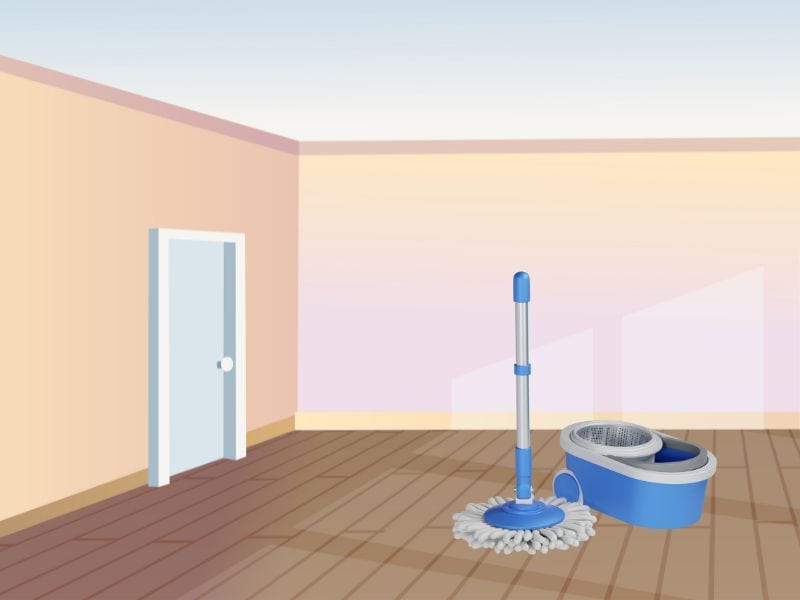
Start mopping from the farthest corner of the room and work toward the exit door. Move the mop in a figure-eight motion with even pressure throughout. This prevents re-walking on cleaned areas and reduces the risk of slipping on wet floors.
The leading edge moves forward so you never trap yourself in a corner or have to step back over a wet, freshly mopped section.
Rinse and Dry
Rinse the floor with clean water to remove all soap residue. Dip the rinsed mop in clean water, wring it out, and go over the entire floor. Repeat until no foam or film remains on the surface.
Proper drying prevents slip-and-fall accidents. Use a clean, dry microfiber cloth or towel to hand-dry the floor. Alternatively, allow the floor to air-dry for 30 to 60 minutes with adequate ventilation before walking on it.
Tips and Precautions for Safe Mopping with Dish Soap
Dish soap is not engineered for floors, so following these precautions prevents damage, slipping, and residue buildup:
Pros and Cons of Mopping Floor with Dish Soap
Dish soap has both advantages and significant limitations as a floor cleaner. Understand both before deciding whether to use it.
Pros
Cons
Floor Type Compatibility Guide for Dish Soap
Not all flooring materials tolerate dish soap. Use this guide to determine whether your floor is compatible:
| Floor Type | Dish Soap Safe? | Key Risk | Better Alternative |
|---|---|---|---|
| Ceramic Tile | Yes — with rinsing | Grout residue buildup | pH-neutral tile cleaner |
| Porcelain | Yes — with rinsing | Minimal risk when diluted | Porcelain-specific cleaner |
| Vinyl (sealed) | Yes — occasional use | Additive film over time | Vinyl floor cleaner |
| Linoleum | Yes — with rinsing | Soap film dulls shine | pH-neutral linoleum cleaner |
| Hardwood (sealed) | No — moisture risk | Warping, cupping, gaps | Hardwood floor cleaner |
| Laminate | No — moisture risk | Edge swelling, delamination | Laminate floor cleaner |
| Natural Stone (marble, granite) | No — chemical sensitivity | Etching, pH-triggered dulling | Stone-specific pH-neutral cleaner |
| Waxed or oiled wood | No — coating strip | Finish removal, absorption | Direct wood floor cleaner |
Dish Soap vs. Dedicated Floor Cleaners: Which One to Choose?
When both a floor cleaner and dish soap are available, the choice depends on your floor type and cleaning priorities:
| Properties and Features | Dish Soap (diluted) | Dedicated Floor Cleaner |
|---|---|---|
| Cleaning Power | Moderate — good for grease, moderate for general soil | Strong — formulated for floor-specific soils |
| Residue Risk | High if not thoroughly rinsed — surfactant film remains | Low — engineered to evaporate or dry clear |
| Floor Compatibility | Limited — unsafe on wood, stone, laminate without precautions | Formulated for specific floor types — safer overall |
| Convenience | Highly convenient — already in most kitchens | Requires separate purchase and storage |
| Cost | $0.02–$0.05 per gallon of solution | $0.50–$2.00 per gallon of solution |
For ceramic tile, porcelain, and vinyl in the kitchen, dish soap works in a pinch. For any wood-based, stone, or high-traffic commercial flooring, a purpose-built floor cleaner is worth the investment.
Other Household Cleaning Uses for Dish Soap
Dish soap is a versatile cleaning tool beyond the kitchen sink. Here are practical uses around the home:
Grease Removal from Kitchen Surfaces
Surfactants in dish soap cut through cooking grease on stovetops, range hoods, and countertops. Apply a few drops to a damp cloth, scrub the greasy surface, and rinse with clean water.
Laundry Pre-Treatment for Stains
Apply a small drop of dish soap directly to food, oil, or grease stains on clothing before laundering. Let it sit for 1–3 minutes, then wash as usual. This works especially well on synthetic fabrics.
Makeup Brush Cleaning
Mix a few drops of fragrance-free dish soap with warm water. Swirl each brush in the solution, rinse thoroughly under running water, and lay brushes flat to air-dry. This removes makeup residue, oils, and bacteria.
DIY Insect Repellent Spray
Mix 2–3 drops of dish soap with 1 cup of water in a spray bottle. Spray around window frames, door sills, and outdoor seating areas. The surfactant disrupts the surface tension of water on insects’ bodies, making it effective against ants, flies, and mosquitoes on contact.
Frequently Asked Questions
What is the best dish soap for mopping floors?
Any mild, fragrance-free, dye-free dish soap is best for floors. Dawn Ultra Platinum, Palmolive Antibacterial, and Seventh Generation Free and Clear are reliable options. Avoid antibacterial formulas with triclosan, and avoid any product containing bleach or phosphates.
Why is my floor soapy after mopping?
Using more than the recommended concentration leaves surfactant residue that feels sticky or slippery. Not rinsing the mop thoroughly between passes, or using a dirty rinse water source, also transfers soap back onto the floor. The fix is to re-mop with clean, plain water only.
What can I use if I have no floor cleaner?
Dish soap diluted 2–5 drops per bucket of warm water works on ceramic tile, porcelain, vinyl, and linoleum. For an alternative without dish soap, mix ¼ cup white vinegar per gallon of warm water — but never use vinegar on natural stone or marble, as the acidity (pH ~2.5) causes etching. Baking soda mixed to a paste with a small amount of water works for spot-cleaning stubborn grime.
Can I use dish soap on marble floors?
No — marble has a calcium carbonate composition that reacts to acids and alkaline cleaners. Dish soap’s pH (typically 7–9.5) and added dyes cause chemical etching that permanently dulls the polished surface. Use only a pH-neutral stone cleaner specifically formulated for marble.
Is Dish Soap Safe to Use on Vinyl Flooring as an Alternative to Pine Sol?
Yes — dish soap is safer than Pine Sol on vinyl flooring. Pine Sol contains glycolic acid and other harsh chemicals that degrade vinyl’s adhesive backing and surface finish over repeated use. Diluted dish soap at the correct ratio (2–5 drops per bucket) gently cleans vinyl without compromising the seam adhesive or topcoat.
However, for regular vinyl floor care, a dedicated laminate and vinyl floor cleaner is still the preferred choice. For more on floor care, visit the Floor Cleaning Master Hub.
Final Words
Dish soap works as a floor cleaner for sealed ceramic tile, porcelain, vinyl, and linoleum when diluted properly (2–5 drops per bucket, or max ½ cup per gallon). Always rinse thoroughly with clean water afterward. Never use dish soap on hardwood, laminate, natural stone, or waxed floors — the moisture and additive content causes irreversible damage.
For regular floor care, purpose-built floor cleaners are worth the investment. For emergency or occasional cleaning, dish soap is an acceptable temporary solution on compatible floor types.
References
- Encyclopedia Britannica. (2024). Surfactant: Surface-Active Agent. Britannica.
- American Cleaning Institute. (2024). Dishwashing Detergents — How They Work. ACI.
- California Department of Pesticide Regulation. (2024). Bleach and Soap Fact Sheet. CA DPR.
- NYC Department of Environmental Protection. (2024). Detergents and Their Impact on Water Quality. NYC DEP.
- Cleveland Clinic. (2024). Triclosan: What Is It and Is It Safe?. Cleveland Clinic.


