
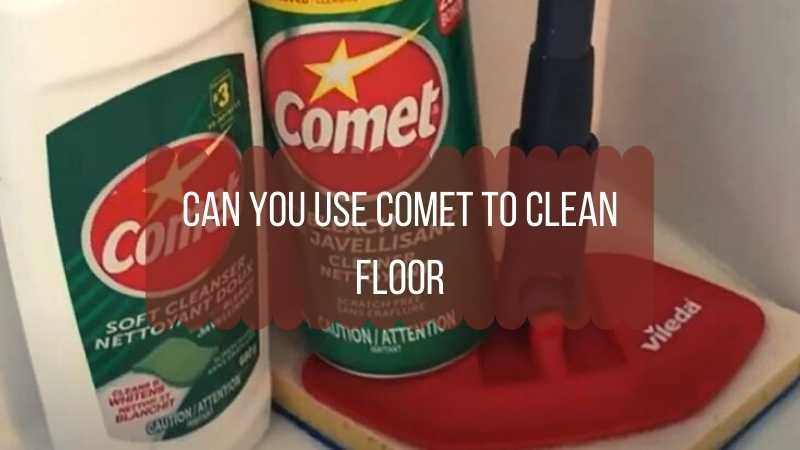
Can You Use Comet to Clean Floor?

Yes — Comet is an effective floor cleaner when diluted properly and used only on compatible surfaces. Mix approximately 2–4 ounces of Comet liquid concentrate per gallon of water (a 1:32 to 1:64 dilution) for safe floor cleaning. Let the solution sit for 5 minutes, then scrub and wipe clean. Never use Comet on colored, dyed, or porous natural stone surfaces, as the bleach content causes permanent etching and discoloration.
Comet contains 5.25–6.15% sodium hypochlorite (52,500–61,500 ppm available chlorine), giving it a pH of approximately 11 — well into the alkaline range where it effectively dissolves organic stains and kills bacteria, viruses, and fungal spores on hard, non-porous surfaces. For floor disinfection, CDC guidelines recommend a 1:10 to 1:100 dilution (approximately 500–5,000 ppm available chlorine) with a 5-minute contact time. Concentrated Comet used undiluted or left to dry on surfaces can cause pitting, etching, and surface damage on marble, granite, and other calcareous materials.
What Is Comet and How Does It Work?
Comet is a scouring powder and liquid cleaner disinfectant marketed primarily for kitchen and bathroom surfaces. Its active ingredient is sodium hypochlorite — the same chemical as household liquid bleach — combined with mild abrasives and fragrance compounds. The bleach component acts as the primary disinfectant, while the abrasive particles provide mechanical scrubbing action.
The sodium hypochlorite in Comet works by oxidizing cell membranes of microorganisms and breaking down protein structures in organic stains. On hard, non-porous surfaces such as ceramic tile, porcelain, and stainless steel, this reaction is rapid and effective. The CDC reports that sodium hypochlorite solutions at 1,000 ppm kill Mycobacterium tuberculosis in 5 minutes, making Comet effective against a broad spectrum of pathogens when properly diluted.
Is Comet Safe for Tile Floors?
Comet is safe for ceramic and porcelain tile floors when diluted correctly and used on white or colorless surfaces. The bleach in Comet is incompatible with dyed or pigmented tiles because the hypochlorite oxidizes synthetic dyes, causing fading and uneven discoloration patches that cannot be reversed.
Follow these guidelines for safe tile cleaning with Comet:
- Dilution: Mix 2–4 oz of Comet liquid per gallon of warm water. This produces a solution in the 500–1,000 ppm range — effective for disinfection while minimizing surface risk.
- Contact time: Allow the solution to sit for 5 minutes without letting it dry completely. Drying concentrates the bleach and increases the risk of etching.
- Rinse: Always wipe or mop the surface with clean water after scrubbing to remove residual bleach that could continue reacting with the surface.
- Test first: Apply the diluted solution to a small, inconspicuous area before full application, especially on grout lines, which are more porous than the tile itself.
Surfaces That Are Not Safe for Comet
Comet should never be used on the following surfaces:
| Surface | Risk | Alternative |
|---|---|---|
| Marble and natural stone | Bleach etches calcareous stone, causing permanent pitting and dulling of the polish | pH-neutral stone cleaner |
| Colored or dyed tile | Sodium hypochlorite oxidizes synthetic dyes, causing fading and patchy discoloration | Tile-specific cleaner without bleach |
| Aluminum and soft metals | Oxidation causes dark staining and surface corrosion | Mild dish soap and water |
| Silver and polished metal fixtures | Bleach causes tarnish and permanent discoloration | Metal-specific polish |
| Painted or lacquered surfaces | Bleach strips paint and damages lacquer finishes | All-purpose cleaner diluted in water |
| Rubber mats and vinyl flooring seams | Prolonged exposure causes hardening and cracking of rubber | Rubber-safe disinfectant |
How to Mop Tile Floors with Comet
Mopping is one of the most efficient methods for cleaning large tile floor areas. Unlike scrubbing by hand, a mop distributes the cleaning solution evenly and requires less physical labor. For best results with Comet:
- Use a microfiber mop for everyday cleaning — the fibers capture grit without scratching.
- Use a spray mop for quick spot cleaning — spray Comet directly on the tile and wipe immediately.
- Avoid steam mops combined with bleach solutions — heat accelerates bleach degradation and can produce concentrated sodium hydroxide (caustic soda), which causes skin and eye irritation.
Different tile types require different approaches. Cleaning ceramic tiles and porcelain tile floors involves specific solution strengths and dwell times. Always verify your tile type before selecting a cleaning agent.
What Can You Clean with Comet?
Comet is formulated for kitchen and bathroom cleaning, but its uses extend to other areas of the home:
- Kitchen countertops and stovetops (non-stone surfaces only)
- Bathroom surfaces: tubs, sinks, and tile enclosures
- Porcelain and ceramic tile floors (white or colorless only)
- Stainless steel sinks and fixtures
- Fiberglass and Corian solid-surface shower walls
- Garage and utility area floors (concrete, ceramic)
Is Comet Effective for Walk-In Freezer Floors?
Comet can be used to clean walk-in freezer floors when diluted heavily and applied with warm water. However, freezer environments present specific challenges:
- Cold temperatures slow chemical reaction rates, so increase contact time to 10–15 minutes before wiping.
- Do not use concentrated Comet in enclosed cold spaces without ventilation — chlorine off-gassing is more concentrated in cold, enclosed environments.
- Rinse thoroughly and dry the floor to prevent ice formation from residual moisture.
For comprehensive guidance, follow these tips for cleaning freezer floors to maintain food safety standards in refrigeration environments.
Safety Hazards: Chlorine Gas and Bleach Exposure
Excessive use of Comet on floors poses serious health risks. When undiluted Comet is applied heavily or in an unventilated space, the sodium hypochlorite can react with organic matter or acids (such as those found in some cleaning products or urine) to release chlorine gas.
Chlorine gas exposure produces the following symptoms at increasing concentrations:
- 0.5–1 ppm: Mild eye and throat irritation, detectable odor
- 5–15 ppm: Moderate irritation of eyes, nose, and throat, headache
- 50 ppm: Pulmonary edema (fluid in lungs) possible after 30 minutes of exposure
- Above 500 ppm: Rapidly fatal even with brief exposure
Critical warning: Never mix Comet with other cleaning products, especially those containing ammonia, vinegar, or hydrochloric acid. Mixing bleach with ammonia produces chloramine gas; mixing with acids produces chlorine gas. Both cause severe respiratory damage and can be fatal in enclosed spaces.
Final Verdict: Use Comet Safely and Selectively
Comet is an effective floor disinfectant and stain remover for ceramic and porcelain tile when diluted at 2–4 oz per gallon of water (1:32 to 1:64 ratio), applied for 5 minutes, and rinsed thoroughly. It is not safe for marble, granite, colored tiles, aluminum, rubber, or painted surfaces.
The key risks of Comet on floors are surface etching from prolonged exposure, chlorine gas release in unventilated spaces, and discoloration of dyed materials. Use proper dilution, test on a small area first, ensure adequate ventilation, and never mix with other cleaning chemicals.
For a complete floor care system, refer to the Floor Cleaning Master Hub for guidance on selecting the right cleaner for every floor type in your home. For specific tile cleaning techniques, see the Tile & Grout Hub.
References
- Centers for Disease Control and Prevention (CDC). (2024). Chemical Disinfection of Surfaces — Bleach. CDC Infection Control Guidelines.
- U.S. Environmental Protection Agency (EPA). Selected EPA-Registered Disinfectants. EPA Registered Disinfectants Database.


