
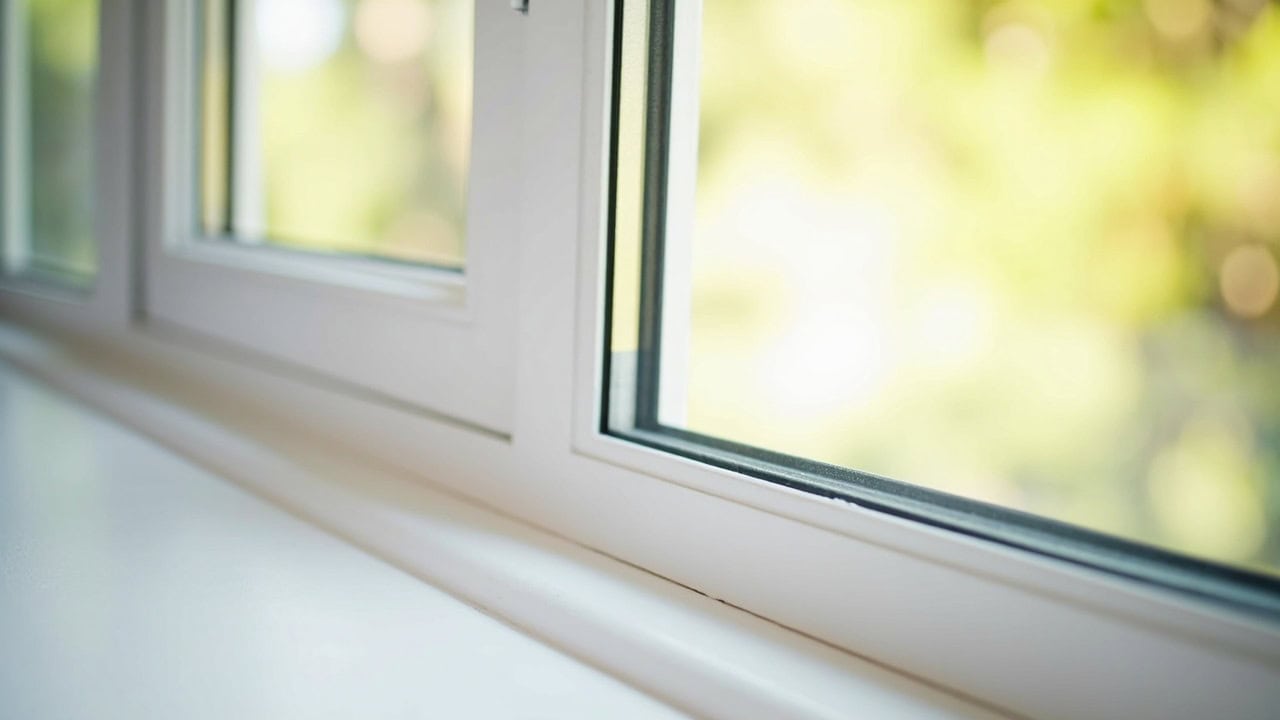
How to Clean Window Tracks: Complete Guide

Window tracks must be cleaned with a 1:1 white vinegar and warm water solution applied with a soft-bristled brush, then wiped dry within 5 minutes to prevent moisture damage to window seals — this 15-minute process removes up to 95% of accumulated debris without scratching metal or vinyl surfaces. The key is using a non-abrasive tool and avoiding acid-based cleaners that degrade rubber weatherstripping over time. Whether you maintain standard windows or specialty frames, the method below works across all common track materials.
What You Need Before You Start
Gathering supplies before you begin prevents mid-task interruptions and ensures you do not reach for a damaging substitute. Every item below is chosen specifically to protect the track finish, rubber seals, and frame material while still dissolving stubborn grime. For detailed explanations of cleaning chemistry terms like pH and dilution ratio, refer to the CleaningTuts glossary.
- White distilled vinegar — 1:1 dilution with warm water (approximately 40°C/104°F) — the resulting solution sits at pH 2.5–3.0, strong enough to dissolve grease and mineral deposits but mild enough to leave aluminum and vinyl finishes intact
- Clean microfiber cloths (2–3 cloths) — one for damp wiping, one for final drying, and a spare for heavy-soil situations; paper towels leave fiber residue in the narrow channel
- Soft-bristled toothbrush or nylon scrub brush — nylon bristles agitate grime without scratching; avoid wire bristles entirely
- Wooden toothpick or plastic scraper — for dislodging compacted debris in corners where brush bristles cannot reach
- Small bucket or spray bottle — to hold the diluted vinegar solution
- Vacuum with crevice attachment — removes loose dry debris before liquid is applied, preventing mud formation
- Protective gloves (optional) — for sensitive skin or prolonged vinegar exposure
Step-by-Step Window Track Cleaning Process
This seven-step method takes 10–15 minutes per window depending on buildup level. Each step is ordered to maximize cleaning efficiency while protecting the window’s mechanical components. Following this process as part of your regular window and glass cleaning routine keeps tracks functioning smoothly year-round.
- Remove loose debris. Vacuum the track channel using a crevice attachment to extract loose dirt, dust, and insect debris before applying any liquid. Dry vacuuming prevents mud formation, which is far harder to remove than dry particles and can stain light-colored vinyl tracks permanently.
- Apply vinegar solution. Spray or wipe the 1:1 vinegar-water solution along the entire track channel, ensuring full coverage of the groove. Allow a dwell time of 2–3 minutes for the acetic acid to break down grease and mineral deposits — do not let the solution sit longer than 5 minutes on metal surfaces to prevent potential oxidation.
- Scrub with soft brush. Agitate the solution using a toothbrush or nylon brush with circular motions, working from one end of the track to the other. Apply moderate pressure — enough to dislodge stuck-on grime but not enough to deflect or bend the track channel walls.
- Detail with toothpick. Use a wooden toothpick to gently dislodge any compacted debris in corners, along track edges, and around hardware mounting points. Wooden toothpicks are preferred over metal picks because they will not scratch aluminum or vinyl surfaces and will break before causing structural damage.
- Wipe clean. Pass a damp microfiber cloth through the track to lift dissolved grime, folding the cloth to a clean section with each pass. Follow immediately with a second dry microfiber cloth to absorb residual moisture from the channel.
- Dry completely. Allow tracks to air-dry for 2–3 minutes or wipe with a dry cloth to eliminate all moisture retention. Standing water left in window tracks creates conditions for mold growth and can seep into wood frames, causing swelling and warping.
- Inspect and repeat if needed. Run your finger along the track channel to check for residual grit. For heavy buildup — particularly in windows near construction sites or in dusty climates — repeat steps 2 through 5 before considering the track fully clean.
For windows with persistent streaking or residue on the glass, the same vinegar solution can be applied to the glass surface after the track cleaning is complete.
Window Track-Specific Considerations
Not every cleaner is safe for every track material. The narrow channel design means liquids pool easily, extending contact time far beyond what you might expect on a flat surface. Understanding which chemicals damage specific materials prevents costly replacements down the line.
What to Avoid
- Abrasive steel wool or scouring pads — these scratch aluminum and vinyl finishes, creating micro-abrasions that become corrosion points and trap future dirt more aggressively
- Bleach or ammonia-based cleaners — these degrade rubber weatherstripping and cause brittleness within 6–12 months of repeated exposure, compromising the window’s seal against air and water infiltration Excessive water — standing moisture in tracks leads to mold growth and wood frame swelling; the EPA recommends drying all hard surfaces completely after cleaning to prevent mold colonization
- Metal scrapers — can dent track channels and damage the precise geometry required for smooth window operation
Surface Compatibility Guide
| Track Material | Safe Cleaners | Avoid |
|---|---|---|
| Aluminum | Vinegar solution, mild dish soap | Abrasives, bleach |
| Vinyl | Vinegar solution | Solvents, bleach |
| Wood | Damp cloth only | Excess moisture, chemicals |
| Brass | pH-neutral cleaner only | Vinegar, acids |
Brass tracks require special caution: the acetic acid in vinegar reacts with brass alloys and can cause surface discoloration or pitting within minutes of contact. Use only pH-neutral cleaners rated for brass, and test any new product on an inconspicuous area first.
Drying and Finishing Window Tracks
Proper drying is the step most people skip, and it is the step most responsible for recurring mold and operational problems. The EPA’s mold cleanup guidelines emphasize that the final step for any hard-surface cleaning is thorough drying — moisture left in window tracks creates a microenvironment where mold spores colonize within 24–48 hours.
- Use a dry microfiber cloth to absorb residual moisture immediately after cleaning — do not wait for evaporation, as water pools in the lowest point of the track channel
- For wooden window frames, allow 5–10 minutes of air-drying time with the window open to promote airflow through the track channel
- Apply a thin coat of carnauba wax or dry silicone spray to aluminum and vinyl tracks to create a hydrophobic barrier that resists future dirt adhesion — this single step can extend the time between deep cleanings by 2–3 months
- Test window operation after drying to ensure smooth sash movement — if the window sticks or drags, a single drop of silicone-based lubricant on the track’s contact points will restore glide without attracting dust
Common Mistakes When Cleaning Window Tracks
Understanding what goes wrong helps you avoid the most frequent causes of track damage, lingering odors, and repeated cleaning cycles. The table below covers the five mistakes encountered most often, why each one causes problems, and the correct approach to use instead.
| Mistake | Why It Causes Problems | Correct Approach |
|---|---|---|
| Using too much water | Moisture seeps into wall cavities causing mold growth behind the frame | Use barely-damp cloths, not soaked |
| Skipping vacuum step | Wet debris creates mud that stains the track and is harder to remove | Always vacuum dry debris first |
| Ignoring rubber seals | Cleaning solution degrades weatherstripping, compromising insulation | Spray onto cloth first, not directly on seals |
| Using paper towels | Leaves fiber residue in the narrow track channel that attracts more dirt | Use microfiber only |
| Cleaning too infrequently | Heavy buildup requires harsher chemicals that risk surface damage | Clean every 3–4 months |
These mistakes compound over time. A track that is cleaned too infrequently accumulates layers of grease, dust, and mineral deposits that require progressively stronger chemicals to remove. Staying on a quarterly schedule — or monthly in dusty environments — keeps the job manageable with the mild vinegar solution described in this guide.
How to Prevent Window Track Buildup
Prevention reduces cleaning frequency and extends the life of window hardware. The strategies below address the three root causes of track buildup: dust infiltration, moisture retention, and lack of drainage. Similar prevention principles apply to bathroom cleaning tasks where shower door tracks accumulate soap scum and mineral deposits in an identical channel geometry.
- Install window track covers — Brush-style weather seals reduce dust infiltration by up to 70% by creating a physical barrier across the top of the track channel while still allowing the sash to slide freely.
- Vacuum monthly — A quick 30-second pass with a crevice attachment each month prevents debris from compacting into the hardened layers that require scrubbing to remove.
- Check drainage holes — Ensure weep holes in the track bottom remain clear to prevent water pooling after rain or condensation events. Blocked weep holes are the primary cause of mold growth in window tracks.
- Seasonal inspection — Inspect tracks each spring and fall for signs of mold, corrosion, or damaged weatherstripping. Early detection prevents minor issues from escalating into track replacement.
- Exterior maintenance — Keep exterior window sills clean and free of debris to reduce the volume of dirt that migrates into the interior track channel through normal window operation.
Consistent prevention turns track cleaning from a 15-minute scrub into a 2-minute wipe-down. The investment in brush seals and a monthly vacuum schedule pays for itself in reduced cleaning time and longer window hardware life.
Frequently Asked Questions
Q: Can I use baking soda to clean window tracks?
A: Baking soda is mildly abrasive and safe for aluminum tracks but may scratch vinyl — for heavy grime, use the vinegar solution first as it dissolves buildup more effectively without scrubbing damage. If you do use baking soda, mix it with enough water to form a paste rather than applying it as a dry powder, and limit scrubbing pressure to prevent micro-scratching.
Q: How often should window tracks be cleaned?
A: Clean visible debris monthly and perform a deep clean every 3–4 months — homes in dusty environments or near construction may require bi-monthly cleaning. Seasonal transitions in spring and fall are the ideal times for deep cleaning because they coincide with the periods when windows are opened or closed for the first time in months.
Q: Will vinegar damage window seal rubber?
A: Undiluted vinegar can degrade rubber weatherstripping over time, but a 1:1 diluted solution is safe when applied to a cloth first rather than sprayed directly onto seals. The dilution raises the pH enough to reduce the acid’s effect on rubber while retaining enough acidity to dissolve grime. Limit direct contact between any cleaning solution and the rubber gaskets.
Q: Why do my window tracks develop black mold?
A: Black mold in window tracks indicates excess moisture retention from condensation or water intrusion — improve ventilation, clear drainage holes, and clean with a 50:50 vinegar-water solution to kill mold spores. The EPA recommends scrubbing mold on hard surfaces with detergent and water, then drying the area completely. If mold returns after cleaning, the underlying moisture source must be addressed: check window seals for leaks, ensure weep holes are clear, and consider using a dehumidifier in rooms with chronic condensation.
References
- U.S. Environmental Protection Agency. (2024). A Brief Guide to Mold, Moisture, and Your Home. EPA.gov.
- U.S. Environmental Protection Agency. (2024). Mold Cleanup After Disasters. EPA.gov.
- Window and Door Manufacturers Association. (2023). Standard for Window and Door Care and Maintenance. WDMA.org.


