
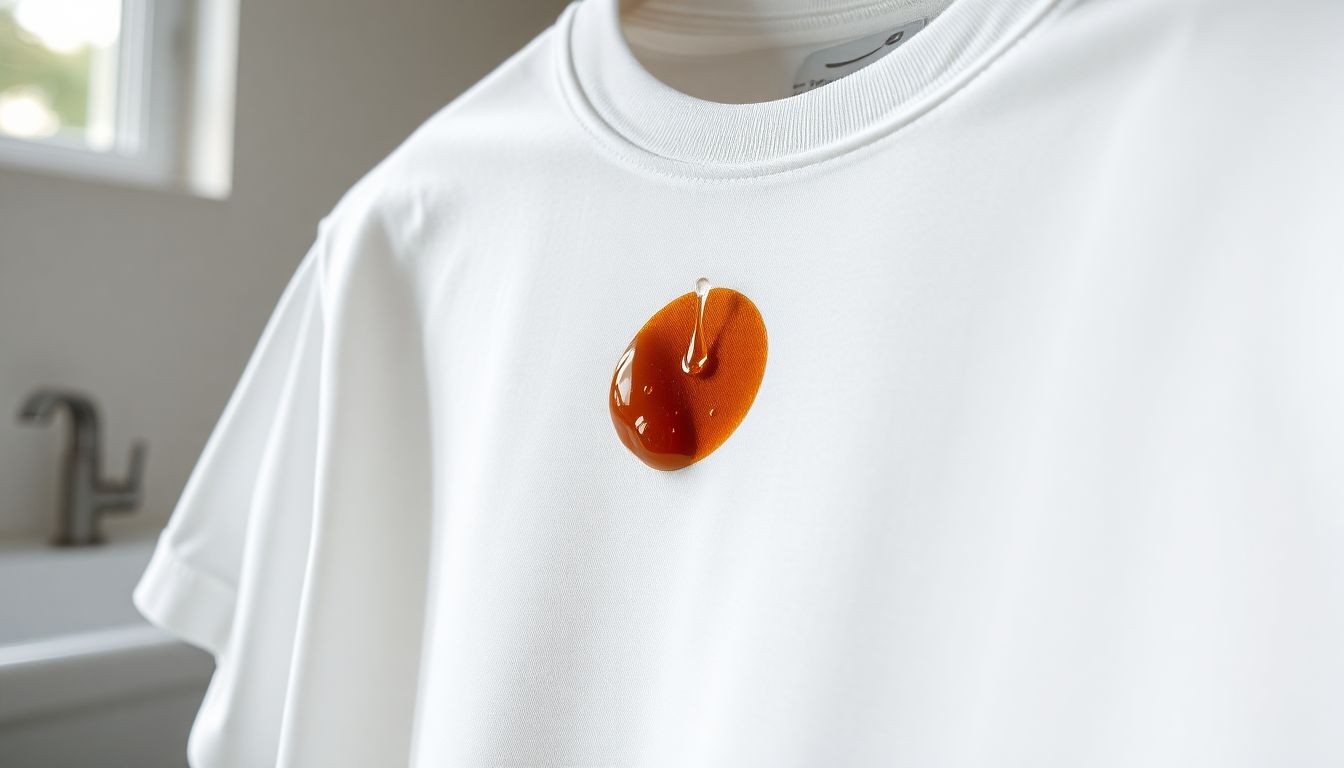
How to Remove Coffee Stains from Clothes

Coffee stains must be treated immediately with cold water and liquid dish soap applied directly to the stain — the tannins in coffee create permanent discoloration when protein fibers bond with the dye compounds, and heat from hot water or a dryer sets the stain permanently within minutes of contact. For dried or set-in stains, a 1:1 mixture of white distilled vinegar and cold water applied for 5–10 minutes before laundering breaks down the tannin-protein bond and lifts the stain from fabric fibers.
What You Need Before You Start
Having the right supplies ready before a coffee spill occurs makes the difference between a quick fix and a permanent stain. Coffee contains tannic acid and chlorogenic acid compounds that penetrate fabric fibers and oxidize on contact with air, creating that stubborn brown discoloration. The faster you act, the less time these compounds have to bond with the fiber structure of your clothing.
- Cold water — Hot water opens fiber pores and pushes tannins deeper, permanently bonding the stain to the fabric. Always use cold water (below 20°C / 68°F) for initial treatment.
- Liquid dish soap — A surfactant-based grease-cutting formula such as Dawn Ultra. The surfactants lower surface tension and lift coffee oils and pigments away from fabric fibers.
- White distilled vinegar — Standard 5% acetic acid concentration (pH approximately 2.5). Essential for breaking down set-in or dried coffee tannin compounds.
- Clean white cloths or paper towels — For blotting. White cloths prevent dye transfer onto the stained garment.
- Soft-bristled toothbrush or stain brush — For gently working cleaning solutions into the fabric weave without damaging fibers. Oxygen-based stain remover (optional) — Products containing sodium percarbonate (such as OxiClean) release hydrogen peroxide in water, which oxidizes and breaks down stubborn coffee pigments at the molecular level.
Why Coffee Stains Bond to Clothes
Understanding the chemistry behind coffee stains helps explain why specific removal methods work while others fail. Coffee is a complex aqueous solution containing over 1,000 chemical compounds, but three components drive staining: tannins, chlorogenic acids, and caramelized sugars.
Tannins are polyphenolic compounds — water-soluble molecules with multiple phenolic hydroxyl groups that readily form hydrogen bonds with both protein fibers (wool, silk) and cellulose fibers (cotton, linen). When coffee contacts fabric, these tannins penetrate the fiber structure and anchor themselves through hydrogen bonding and hydrophobic interactions. The more porous the fabric and the longer the contact time, the deeper the tannins embed.
The brown color of a coffee stain comes primarily from chlorogenic acid, which oxidizes rapidly when exposed to oxygen in the air. This oxidation reaction darkens and stabilizes the pigment, making it progressively harder to remove. Brewed coffee has a pH of approximately 4.85–5.10, which is mildly acidic — enough to slightly swell cellulose fibers and allow deeper penetration of pigment molecules.
Heat accelerates the bonding process dramatically. When exposed to hot water above 60°C (140°F) or the heat of a clothes dryer, the protein structures in natural fibers denature and wrap around the tannin molecules, creating a permanent mechanical and chemical bond. Sugars in sweetened coffee compounds add a sticky residue that attracts additional dirt and oils, compounding the stain over time.
What NOT to Use on Coffee Stains
Some common household cleaners actually make coffee stains worse or damage the fabric itself. The table below identifies products to avoid and explains the science behind each one.
| Product | Why to Avoid |
|---|---|
| Hot water | Opens fiber pores and pushes tannins deeper into fabric structure, permanently setting the stain through protein denaturation |
| Rubbing alcohol | Can damage synthetic fibers (polyester, nylon) and cause color bleeding on dyed fabrics |
| Chlorine bleach | Damages protein-based fibers and can cause yellowing on white cotton due to chemical reactions with residual tannin compounds |
| Nail polish remover (acetone) | Dissolves acetate, triacetate, and modacrylic synthetic fabrics; causes irreversible fiber damage |
| Hair spray | Ineffective on coffee tannins; contains alcohols and polymers that leave their own residue on fabric |
For a comprehensive breakdown of which cleaning agents work on which stain types, see our Complete Stain Removal Guide. If you want to understand the pH science behind why some cleaners work and others damage fabric, our Cleaning Chemistry Hub covers acid-base reactions in detail.
Step-by-Step: How to Remove Fresh Coffee Stains
Fresh coffee stains respond best to immediate treatment. The goal is to flush out as much coffee as possible before the tannins bond with the fabric fibers. Follow these steps in order for the highest chance of complete removal.
- Blot immediately — Press a clean white cloth or paper towel firmly against the stain. Do not rub, as friction pushes the coffee deeper into the fabric fibers. Work from the outside edge toward the center to prevent spreading the stain across a larger area.
- Rinse with cold water — Hold the stained area under cold running water for 30 seconds, keeping the water pressure moderate. Flush from the back side of the fabric to push coffee back out through the same fibers it entered, rather than driving it deeper.
- Apply liquid dish soap — Squirt a small amount (approximately 1 mL) of grease-cutting liquid dish soap directly onto the stain. Gently rub the fabric together or use a soft toothbrush to work the soap into the fibers for 30 seconds. The surfactants in dish soap lower surface tension and emulsify coffee oils.
- Let soap dwell — Allow the dish soap to sit on the stain for 3–5 minutes without letting it dry. During this dwell time, the surfactants break down the coffee oils and pigments, lifting them from the fiber surface.
- Rinse thoroughly — Rinse the treated area again under cold running water, checking that the stain has visibly lightened or disappeared. If the stain persists, repeat steps 3–5 before proceeding to laundering. Launder as normal — Wash the garment in the warmest water temperature safe for the fabric type (check the care label) using a quality laundry detergent. The American Cleaning Institute recommends laundering in the warmest safe water to maximize detergent effectiveness on residual tannin compounds. Air dry if uncertain — If any trace of the stain remains after washing, air dry the garment and repeat the treatment. Never place a coffee-stained garment in the dryer until the stain is completely gone, as the dryer’s heat (typically 54–60°C / 130–140°F) will set any remaining pigment permanently.
How to Remove Set-In or Dried Coffee Stains
Dried coffee stains require a different approach because the tannins have already bonded with the fabric fibers and the chlorogenic acids have oxidized. White distilled vinegar is the most effective household treatment because its acetic acid (5% concentration, pH ~2.5) breaks the hydrogen bonds between tannins and fiber molecules, dissolving the stain at a chemical level.
- Soak in cold water — Submerge the garment in a basin of cold water for 15–30 minutes to rehydrate the dried stain and loosen its bond with the fabric. This step softens the oxidized tannin layer and makes subsequent treatments more effective.
- Apply vinegar solution — Mix equal parts white distilled vinegar and cold water (1:1 ratio). Apply the solution directly to the stain and gently work it into the fabric using a soft-bristled brush in circular motions. The acetic acid in vinegar penetrates the fiber structure and disrupts the tannin-protein hydrogen bonds.
- Let vinegar penetrate — Allow the vinegar solution to sit on the stain for 5–10 minutes. Do not let it dry out. The acid needs sustained contact time to break down the oxidized chlorogenic acid compounds fully.
- Blot and rinse — Press firmly with a clean white cloth to absorb the dissolved coffee pigments, then rinse thoroughly with cold water. You should see visible brown pigment transferring to the white cloth.
- Apply stain remover booster — For stubborn remaining traces, apply an oxygen bleach-based stain remover (sodium percarbonate product such as OxiClean) directly to the stained area. Dissolve 15 mL (1 tablespoon) of powder in 2 liters of warm water and soak the garment for 30 minutes. The released hydrogen peroxide oxidizes the remaining pigment molecules, breaking them into smaller, water-soluble fragments. Launder again — Wash in warm water (if the fabric care label allows, typically 30–40°C / 86–104°F for colored cotton) with laundry detergent and an oxygen bleach additive. Air dry and inspect the stain before considering machine drying.
This vinegar-based method shares chemistry with techniques used for other protein-based stains. For comparison, see our guides on how to remove blood stains from clothes and how to remove grass stains from clothes — both use similar pre-treatment principles involving enzyme action and cold-water rinsing.
Coffee Stain Removal by Fabric Type
Different fabrics respond differently to coffee stain treatments. The fiber composition determines which cleaning agents are safe and how aggressively you can treat the stain. Below is a quick reference for common fabric types.
| Fabric Type | Best Treatment | Temperature Limit |
|---|---|---|
| Cotton | Dish soap pre-treat, launder warm (40°C) | Up to 60°C |
| Polyester | Dish soap pre-treat, launder warm (40°C) | Up to 50°C |
| Wool | Cold water + vinegar, hand wash only | Cold only (below 30°C) |
| Silk | Cold water + mild detergent, professional clean preferred | Cold only (below 30°C) |
| Linen | Dish soap pre-treat, oxygen bleach soak, launder warm | Up to 40°C |
| Synthetic blend | Dish soap pre-treat, vinegar for set-in stains | Up to 40°C |
Always check the garment’s care label before applying any treatment. For delicate fabrics like silk and wool, test the cleaning solution on an inconspicuous area first. Our Laundry Care Hub provides detailed fabric-specific washing guides for every material type.
How to Prevent Future Coffee Stains
- Treat spills immediately — The faster you act, the easier the removal. Tannins begin bonding with fabric fibers within seconds of contact, and the oxidization of chlorogenic acid starts immediately upon air exposure.
- Keep cold water nearby — When drinking coffee near fabrics (couches, car seats, clothing), keep a small bottle of cold water and a clean cloth within arm’s reach for instant blotting.
- Use travel mugs with secure lids — Spill-proof travel mugs with locking mechanisms prevent the majority of accidental coffee spills during commutes and at the desk.
- Blot, never rub — When accidents happen, always blot with firm downward pressure. Rubbing grinds the coffee deeper into the fiber weave and spreads the stain over a larger area.
- Apply a fabric stain guard — Products like Scotchgard create an invisible protective barrier on fabric fibers that prevents tannins from penetrating, giving you more time to blot away spills before they set.
Common Mistakes When Removing Coffee Stains
Even with the right supplies, incorrect technique can make a coffee stain permanent. These five mistakes are the most frequent reasons stain removal fails.
- Using hot water instead of cold — Heat permanently sets the tannin-protein bond. Always start with cold water, regardless of the stain type. Hot water should only be used during the final laundry step, and only at the temperature the fabric care label specifies.
- Rubbing instead of blotting — Friction pushes coffee deeper into fibers and can damage delicate fabrics. Press down firmly with a clean cloth and lift — never scrub.
- Putting stained clothes in the dryer — Dryer heat makes any remaining stain permanent. Always air dry first and verify the stain is completely gone before machine drying.
- Waiting too long to treat — Tannin compounds bond stronger over time as chlorogenic acids oxidize. A stain treated within 2–3 minutes requires simple blotting and rinsing; the same stain left for hours may need multiple treatment cycles.
- Using the wrong cleaning agents — Chlorine bleach damages fibers and causes yellowing on whites. Acetone dissolves synthetics. Hair spray adds its own residue. Stick to dish soap, vinegar, and oxygen bleach for safe, effective results.
Vinegar is also a versatile cleaning agent in other areas of the home. Our Bathroom Cleaning Hub covers additional uses for white vinegar in cleaning tile, grout, and fixtures — all leveraging the same acetic acid chemistry that breaks down coffee tannins.
Frequently Asked Questions
Q: Can coffee stains become permanent?
A: Yes, coffee stains become permanent when exposed to heat from hot water, a dryer, or ironing. Once the tannin compounds bond to fabric fibers and oxidize, the stain cannot be reversed. Treat fresh stains within 2–3 minutes for best results.
Q: Does vinegar remove coffee stains from clothes?
A: Yes, white distilled vinegar is effective on set-in coffee stains. The acetic acid (typically 5% concentration, pH approximately 2.5) breaks down tannin compounds and neutralizes the pigments. Mix equal parts vinegar and cold water, apply for 5–10 minutes, then launder.
Q: What removes coffee stains from white clothes?
A: For white clothes, apply liquid dish soap directly to the stain, followed by a paste of baking soda and water for extra abrasion, or treat with an oxygen-based stain remover containing sodium percarbonate (such as OxiClean). Avoid chlorine bleach as it can cause yellowing on white fabrics by reacting with residual tannin compounds.
Q: Can I use laundry detergent alone to remove coffee stains?
A: Laundry detergent alone may work on very fresh, light coffee stains if treated immediately. However, for best results, pre-treat with liquid dish soap (which contains stronger surfactants than laundry detergent) or a dedicated stain remover before laundering.
References
- American Cleaning Institute. (2024). Stain Removal Guide. ACI.
- He, Y., et al. (2020). “Chlorogenic acid: Pharmacological activities and analytical techniques.” Molecules, 25(7), 1575. MDPI.
- Mueller-Harvey, I. (2001). “Analysis of hydrolysable tannins.” Analytica Chimica Acta, 427(1), 1–23. Elsevier.
- University of Illinois Extension. (n.d.). Stain Solutions: Coffee and Tea Stains. UI Extension.
- EPA. (2023). Safer Choice Standard for Cleaning Products. U.S. Environmental Protection Agency.


